

 Переглянути в інтер'єрі
 Надіслати
 Поділитися
 Деталі
 Посібник

 Завантажити
 Схожі предмети колекціонування
 Рентгенівське дослідження
 Слайд-шоу
 Статистика переглядів
The Abandoned Doll


 Читати далі
Олійная репродукція ручної роботи
Написана вручну олією на полотні у вашому розмірі та рамі, виготовлена на замовлення нашими художниками. ( Перейти до друку Перейти до цифрових зображень)




P118B $10

P118H $10

P118W $10

P438Z $10

P508JH $12

P508YH $12

P805H $10

P805Z $10

P919BZ $10

P919G $10

P919XJ $10

P959ZH $10

P968JZ $12

W106C $8

W218G $10

W218JH $8

W218Y $10

W307PJ $10

W316G $10

W316PJ $8

W316Y $10

W398PJ $8

W4111J $10

W500HY $15

W500JH $15

W692G $12

W849H $8

W940BG $15

W953PJ $8




Обирайте з наших стандартних розмірів, що відповідають оригінальним пропорціям твору мистецтва.

Ви можете вказати власні розміри, щоб репродукція ідеально підійшла до конкретної рами або інтер'єру. Якщо вибраний вами розмір не відповідає пропорціям оригіналу, ми або обріжемо полотно, або доповнимо картину додатковими елементами, промальованими вручну. Цифровий макет буде надіслано вам на затвердження перед початком виробництва.
Зверніть увагу, що попередній перегляд на екрані не відображає фактичне обрізання або розширення зображення. Тільки макет точно покаже остаточну композицію.
Хоча ми можемо виготовити виріб у нестандартному розмірі, для збереження оригінальних пропорцій рекомендуємо обирати варіанти зі встановленого списку.
Після оформлення замовлення команда OriginalUniqueArt.com зв'яжеться з клієнтом електронною поштою для отримання інструкцій та надасть попередній макет
Доставка по всьому світу () за 3–4 тижні замість стандартних 5 тижнів. (26 Вересень). Без жодних компромісів у якості.

Безкоштовна експрес-доставка по всьому світу

Високоякісне лляне полотно

Повне страхове покриття доставки

Гарантія повернення митних зборів

Гарантія точного відтворення кольорів

Політика повернення протягом 100 днів (лише у разі виявлення дефектів)

Гарантія повернення 100% коштів

Знижка на оптові замовлення
 Скляний варіант доступний лише для розмірів до 110 см

The Abandoned Doll
Техніка репродукції
Розмір репродукції
-


Загальна вартість
$ 325
A Poignant Encounter with Transition
In the quiet, sun-drenched intimacy of Suzanne Valadon’s 1921 masterpiece, The Abandoned Doll, we are invited into a private world that transcends mere domesticity. This oil on canvas is far more than a simple depiction of caregiving; it is a profound psychological study of change and the bittersweet passage of time. The scene captures Marie Cola, Valadon's niece, alongside her young daughter Gilberte, in a moment that feels suspended between the innocence of childhood and the complexities of adulthood. As the eye wanders through the sparsely furnished room, one is struck by the palpable sense of transition—a theme that resonates deeply with anyone who has ever felt the weight of growing up or the melancholy of leaving the past behind.
The composition is masterfully executed, utilizing a style that sits at the vibrant intersection of Post-Impressionism and the early, expressive energy of Fauvism. Valadon rejects the soft, hazy edges of her predecessors in favor of bold, saturated colors and striking dark outlines that lend each figure a sculptural presence. The palette is rich with reds, yellows, and deep blues, creating a dramatic contrast that heightens the emotional temperature of the room. Through the skillful application of impasto, particularly visible in the textured patterns of the rug and the heavy folds of the couch, Valadon provides a tactile dimension to the work. This physical richness makes the painting feel alive, as if the very air within the room possesses a weight and warmth that can be felt by the viewer.
Symbolism and the Weight of Memory
Every element within this frame serves a deeper narrative purpose, weaving a complex web of symbolism that rewards close contemplation. The most striking emblem is, of course, the doll lying discarded on the floor near the bed. It stands as a potent metaphor for abandoned childhood innocence, a silent witness to the inevitable march toward maturity. This sense of loss is mirrored in the visual connection between the pink bow in Gilberte’s hair and the matching bow on the doll, a subtle artistic thread that binds the child to her former self even as she moves away from it. The presence of the nude reclining figure introduces an element of vulnerability and raw beauty, reflecting the artist's interest in portraying the female form with an honesty that was radical for its time.
For the discerning collector or interior designer, The Abandoned Doll offers much more than aesthetic beauty; it provides a focal point of intellectual and emotional depth. The painting’s ability to command attention through its heavy contours and luminous light makes it an extraordinary piece for any curated space. Whether placed in a contemporary setting to provide a soulful contrast or within a classical gallery arrangement, the work acts as a conversation starter. It invites viewers to reflect on their own journeys of transformation, making it not just a decorative object, but a profound piece of storytelling that brings a sense of history, resilience, and human truth into the home.
Біографія митця
A Life Forged in Montmartre: The Trailblazing Art of Suzanne Valadon
Suzanne Valadon, born Marie-Clémentine Valadon in 1865 amidst the rural landscapes of Bénesse-sur-Gartempe, France, carved a singular path through the late 19th and early 20th century art world. Her story is one of remarkable resilience, defying societal constraints and artistic conventions to emerge as a pioneering Post-Impressionist painter. Unlike many of her contemporaries who benefited from formal training and privileged backgrounds, Valadon’s education was born of observation, necessity, and an unwavering spirit. Growing up in poverty with her mother in Montmartre—a district then blossoming into the bohemian heart of Paris—she navigated a life of hardship, taking on various jobs to survive: waitress, factory worker, even a brief stint as a circus acrobat after a fall ended that career path. This early exposure to the vibrant, often gritty realities of Parisian life would profoundly shape her artistic vision. It was within this milieu that she first entered the art world, not as a creator, but as a muse.From Model to Master: A Unique Artistic Development
For nearly a decade, Valadon worked as an artist’s model, posing for prominent figures like Pierre-Auguste Renoir, Henri de Toulouse-Lautrec, and Edgar Degas. These sessions weren't merely financial transactions; they were immersive lessons in technique, composition, and the artistic process itself. She absorbed knowledge by watching masters at work, studying their methods, and engaging in conversations about art. Toulouse-Lautrec, recognizing her innate talent and striking presence, encouraged her to pursue drawing, and it was Degas who provided more formal guidance, solidifying her foundational skills. This period of modeling proved pivotal; Valadon wasn’t simply a passive subject but an active observer, dissecting the artistic gaze and internalizing its principles. She began to draw prolifically, initially focusing on scenes from her everyday life—her mother, her son Maurice Utrillo (whose paternity remains uncertain, though Miguel Utrillo later acknowledged him), and intimate domestic settings. Her style quickly developed a distinctive character: bold lines, expressive brushwork, and an unflinching honesty in portraying the human form. She rejected the delicate, idealized depictions of women prevalent at the time, instead offering raw, unvarnished portrayals that captured their strength, vulnerability, and lived experiences. Her early drawings often featured her mother as a subject, capturing her weathered face and hardworking hands with remarkable detail and empathy.Challenging Conventions and Embracing Boldness
Valadon’s artistic style is immediately recognizable for its directness and emotional intensity. Her paintings are characterized by a masterful use of line and color, creating compositions that are both visually striking and psychologically compelling. She became particularly renowned for her female nudes, which were revolutionary in their time. Unlike the mythological or allegorical nudes favored by many male artists, Valadon’s figures were often depicted with a sense of realism and psychological depth rarely seen before. She presented women not as objects of desire but as complex individuals with their own thoughts, feelings, and desires. Works like Nu à la draperie blanche (Nude with White Drapery) and Nu debout (Standing Nude) exemplify this approach, showcasing the female body with a frankness that challenged prevailing societal norms. She wasn’t afraid to tackle difficult themes—aging, sexuality, loneliness—with an unflinching gaze. Her use of light and shadow was particularly effective in conveying mood and emotion, creating a sense of intimacy and vulnerability within her subjects. She often depicted women in moments of quiet contemplation or private reflection, inviting the viewer to connect with their inner lives.Influences and Artistic Connections
Valadon’s artistic development was profoundly shaped by her diverse experiences and encounters. Her early years as an artist's model provided invaluable exposure to the techniques and philosophies of leading Impressionist painters. She studied closely the works of Degas, particularly his use of line and composition, and absorbed the vibrant colors and dynamic brushwork of Renoir and Toulouse-Lautrec. However, Valadon’s artistic vision extended beyond mere imitation; she synthesized these influences into a unique style that was distinctly her own. Her connection with Edgar Degas proved especially significant, as he recognized her talent and encouraged her to develop her own drawing skills. Furthermore, her relationships with other artists—including Toulouse-Lautrec and Erik Satie—provided her with intellectual stimulation and creative inspiration. She was known for her independent spirit and her willingness to challenge conventional artistic norms, forging her own path in a male-dominated art world. Her friendships with prominent figures like Maurice Utrillo, her son, further enriched her life and provided her with a constant source of emotional support.Legacy and Lasting Impact
Suzanne Valadon's achievements extended beyond her artistic innovations. In 1894, she became the first woman painter admitted to the prestigious Société Nationale des Beaux-Arts, a significant milestone in breaking down barriers for female artists. Her work paved the way for future generations of women to pursue their creative ambitions and challenge the male-dominated art world. Art historians like Patricia Mathews have recognized Valadon’s crucial contribution to the Post-Impressionist movement, highlighting her unique perspective and stylistic originality. She is now considered a precursor to feminist art movements, with her honest and empowering depictions of women resonating deeply with contemporary audiences. Her legacy continues to inspire artists today, not only for her technical skill but also for her courage in defying convention and embracing her own artistic vision. Valadon’s story serves as a powerful reminder that true artistry transcends social boundaries and celebrates the diversity of human experience. She died in 1938, leaving behind a body of work that continues to captivate and challenge viewers, solidifying her place as a truly groundbreaking figure in art history.
Сузана Валадлон
1865 - 1938 , Франція
Довідкова інформація
- Artistic Movement Or Style: Пост-імпресіонізм
- Artists Or Movements Influenced By This Artist:
- Феміністичне мистецтво
- Пост-імпресіонізм
- Artists Who Influenced This Artist:
- Toulouse-Lautrec
- Degas
- Date Of Birth: 1865
- Date Of Death: 1938
- Full Name: Suzanne Valadon
- Nationality: Французька
- Notable Artworks:
- Nu à la draperie blanche
- Nu debout
- Le Canard
- Place Of Birth: Бенсе-сюр-Гартемп, Франція
Схожі статті

Топ-10 шедеврів постімпресіонізму: мистецтво, яке змінила епоху | OriginalUniqueArt.com
Відкрийте для себе 10 шедеврів постімпресіонізму від Ван Гога, Сезанна та інших геніїв! Історія мистецтва, унікальні техніки та емоційний вплив картин. Купуйте репродукції високої якості на OriginalUniqueArt.com та створіть свій неповторний інтер'єр.

За межами світла та кольору: Імпресіонізм проти постімпресіонізму для вибагливого колекціонера
Поглиблене дослідження імпресіонізму та постімпресіонізму для досвідчених колекціонерів. Аналіз ключових художників, інвестиційний потенціал та поради щодо інтеграції в інтер'єр.
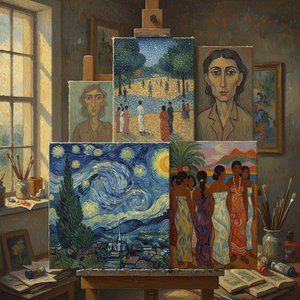
Beyond Impressionism: Exploring the Emotional Depth of Post-Impressionist Painting
Explore the profound emotional depth & innovative techniques of Post-Impressionism with OriginalUniqueArt. Discover Cézanne, Van Gogh, Gauguin & more – and their lasting impact on modern art.

Beyond Impressionism: How Post-Impressionism Revolutionized Modern Art through Emotion and Structure
Explore the profound evolution of art from Impressionism to Post-Impressionism. Discover how masters like Van Gogh revolutionized color and emotion, shaping modern art history through structural innovation and expressive technique.

Impressionism vs. Post-Impressionism: A Masterclass in the Revolution of Light, Color, and Emotion
Master the nuances of Impressionism vs. Post-Impressionism with our expert guide. Explore the revolutionary shift from Monet’s fleeting light to Van Gogh’s emotional depth. Discover how these iconic movements continue to inspire fine art collectors and modern interiors today.
