
 Переглянути в інтер'єрі
 Надіслати як листівку
 Поділитися
 Деталі витвору
 Посібник

 Завантажити
 Схожі екземпляри
 Рентгенівське дослідження
 Слайд-шоу
 Q&A
Q&A Статистика
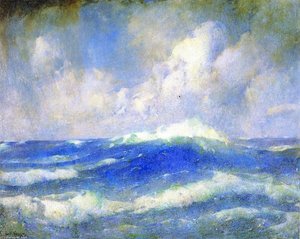
The Open Sea

- 122.0 x 147.0 cm


 Розгорнути текст
Гікле / Художній принт
Друк جيкле або на полотні музейної якості з оперативним виготовленням та різноманітними варіантами фінішної обробки. ( Замовити картину ручної роботи Перейти до цифрових зображень)




P118B ₴10

P118H ₴10

P118W ₴10

P438Z ₴10

P508JH ₴12

P508YH ₴12

P805H ₴10

P805Z ₴10

P919BZ ₴10

P919G ₴10

P919XJ ₴10

P959ZH ₴10

P968JZ ₴12

W106C ₴8

W218G ₴10

W218JH ₴8

W218Y ₴10

W307PJ ₴10

W316G ₴10

W316PJ ₴8

W316Y ₴10

W398PJ ₴8

W4111J ₴10

W500HY ₴15

W500JH ₴15

W692G ₴12

W849H ₴8

W940BG ₴15

W953PJ ₴8




Обирайте з наших стандартних розмірів, що відповідають оригінальним пропорціям твору мистецтва.

Введіть необхідну ширину та висоту, щоб принт ідеально підійшов до вашої рами або стіни. Принт можна лише обрізати, але не можна зробити більшим за оригінал, тому при зміні пропорцій частина зображення буде втрачена. Перед друком ми надсилаємо вам цифровий макет для затвердження. Зображення на цій сторінці не відображає реальну обрізку — її можна побачити лише на макеті.
Доставка по всьому світу () за 2 тижні замість стандартних 4/5 тижнів. (2 Листопад)

Безкоштовна експрес-доставка по всьому світу

Високоякісне лляне полотно

Повне страхове покриття доставки

Гарантія повернення митних зборів

Гарантія точного відтворення кольорів

Політика повернення протягом 100 днів (лише у разі виявлення дефектів)

Гарантія повернення 100% коштів

Пропозиція на оптові замовлення
 Скляний варіант доступний лише для розмірів до 110 см

The Open Sea
Гікле / Художній принт
Розмір репродукції
-


Підсумкова вартість
₴ 3596
A Tempestuous Vision: Soren Emil Carlsen’s “The Open Sea”
Soren Emil Carlsen's "The Open Sea," painted in 1909, isn’t merely a depiction of the ocean; it’s an immersion into its raw power and profound solitude. This monochromatic seascape, rendered in shades of gray and white, immediately commands attention with its dramatic composition – a clear division between the tumultuous sky and the vast expanse of water below. Carlsen, deeply influenced by both late 19th-century Realism and Impressionism, masterfully captures the atmospheric effects of an impending storm, evoking a sense of awe mingled with unease. The painting’s strength lies not in precise detail but in its ability to convey the *feeling* of being confronted by nature's formidable force – a sentiment powerfully resonant even today.
Crafting Atmosphere: Technique and Materials
Carlsen’s technique is characterized by a deliberate looseness, prioritizing texture and emotional impact over photographic accuracy. Visible brushstrokes dominate the canvas, creating a rough, uneven surface that mirrors the chaotic nature of the sea and sky. Thick impasto is particularly evident in areas representing crashing waves, lending them an almost sculptural quality. The absence of hard lines – instead, blurred edges and subtle gradations of gray – contribute to the painting’s atmospheric effect, drawing the viewer into a world shrouded in mist and anticipation. The choice of oil paint on canvas allowed for layering and blending, essential to achieving the depth and luminosity that define Carlsen's style. The monochromatic palette isn’t simply a stylistic choice; it amplifies the drama, stripping away distractions and focusing attention entirely on form, light, and shadow.
A Study in Light and Perspective
The lighting in “The Open Sea” is diffused and overcast, suggesting an approaching storm or a scene perpetually veiled in mist. There are no sharp shadows; instead, the artist employs subtle tonal variations to create a sense of depth and spatial recession. Atmospheric perspective – where distant objects appear lighter and less distinct – further enhances this effect, conveying the immense scale of the ocean and sky. The horizon line, slightly undulating due to the waves, adds dynamism to the composition while maintaining a sense of balance. The painting’s horizontal format reinforces this feeling of vastness, inviting the viewer to lose themselves in the endless expanse before them.
Symbolism and Emotional Resonance
Beyond its technical brilliance, “The Open Sea” carries significant symbolic weight. The turbulent ocean can be interpreted as a metaphor for the unknown, the challenges of life, or even the overwhelming forces of nature. The monochromatic palette reinforces a sense of somberness and introspection, inviting contemplation on themes of isolation, vulnerability, and perhaps even fear. Carlsen’s work taps into a primal human response to the sea – a mixture of respect, awe, and a recognition of our own insignificance in the face of such power. It's a painting that lingers in the mind long after viewing, prompting reflection on the beauty and terror inherent in the natural world.
Discovering the Artist: A Legacy of Luminism
Soren Emil Carlsen (1853-1932) was a pivotal figure in American painting, bridging the gap between European artistic traditions and the burgeoning modern art scene. Born in Copenhagen and later settling in Chicago, he developed a distinctive style characterized by tonalist landscapes and seascapes – a legacy deeply rooted in Danish Luminism, an approach emphasizing subtle gradations of light and color to evoke mood and atmosphere. His work, as evidenced by his other pieces like “Kattegat Landscape,” demonstrates a profound understanding of capturing the ephemeral qualities of light and weather. Explore more of Carlsen’s captivating oeuvre at OriginalUniqueArt to fully appreciate the breadth and depth of his artistic vision.
Питання та відповіді
Чи є «The Open Sea» роботи Сорен Еміль Карлсен живописом, малюнком чи друком?
У каталозі «The Open Sea» роботи Сорен Еміль Карлсен класифіковано як WallArt. Ця категорія допомагає знаходити схожі твори.
Який основний відтінок пронизує «The Open Sea» роботи Сорен Еміль Карлсен?
Переважаючий відтінок твору «The Open Sea» роботи Сорен Еміль Карлсен — Green to Violet Spectrum. Цей колір є основою всієї палітри.
Який етап творчого розвитку Сорен Еміль Карлсен представляє твір "The Open Sea"?
У межах творчого шляху Сорен Еміль Карлсен твір "The Open Sea" належить до періоду Late Career. Ця фаза дозволяє порівняти його з іншими роботами митця.
Біографія митця
Soren Emil Carlsen: The Quiet Mastery of Light and Stillness
Soren Emil Carlsen (1848 or 53 – 1932) stands as a singular figure in American painting, embodying the harmonious convergence of Danish artistic heritage and Californian Impressionist innovation. Born in Copenhagen, Denmark, his early life instilled within him a profound appreciation for architectural precision—a foundation that would subtly inform his later explorations of form and composition. However, it was his emigration to Chicago in 1872 that irrevocably altered his trajectory, propelling him into the vibrant crucible of American artistic experimentation. This pivotal move wasn’t merely geographical; it represented a decisive embrace of a new aesthetic sensibility—one rooted in the tonalist tradition yet subtly influenced by the burgeoning Impressionist movement.- Early Influences: Carlsen's formative years were shaped by his family’s artistic inclinations and, crucially, by his tutelage under Lauritz Holst, a celebrated marine artist who instilled within him an understanding of capturing atmospheric effects on water surfaces.
- Parisian Awakening: His sojourn in Paris in 1875 proved transformative, introducing him to Jean-Baptiste-Siméon Chardin—the revered French master of still life—whose meticulous observation and understated palette profoundly impacted Carlsen’s artistic vision.
The American Chardin: A Synthesis of Tradition and Innovation
Upon returning from France, Carlsen swiftly established himself as “The American Chardin,” a testament to his remarkable ability to distill the essence of Chardin’s style into a uniquely American idiom. His early canvases—primarily still lifes—were characterized by muted tones, subtle gradations of light, and an unwavering focus on mood and atmosphere. Unlike many of his contemporaries who sought dramatic visual impact, Carlsen prioritized capturing the quiet dignity of everyday objects—copper pans gleaming softly, game birds arranged with meticulous detail, delicate flowers poised in vases. This deliberate restraint wasn’t merely stylistic choice; it reflected a deeper philosophical conviction—a belief that beauty resided not in ostentation but in profound observation and empathetic understanding.- Still Life Technique: Carlsen perfected the tonalist technique of layering thin washes of color to create luminous surfaces, mirroring Chardin's masterful use of light and shadow.
- Subject Matter: He favored subjects that resonated with his contemplative spirit—domestic scenes imbued with warmth and tranquility, as well as meticulously rendered depictions of flora and fauna.
Teaching and Mentorship: Shaping the Future of American Art
Carlsen’s influence extended far beyond his own artistic output; he was a dedicated educator who nurtured generations of aspiring artists. Beginning his teaching career at the Chicago Academy of Design in 1879, he instilled within his students a commitment to careful observation and technical proficiency—values that would serve them well throughout their careers. He later served as director of the California School of Design (now San Francisco Art Institute) from 1887 to 1889, fostering an environment conducive to artistic experimentation and innovation. Notably, he mentored Guy Rose, who would become a prominent figure in California Impressionism—a testament to Carlsen’s enduring legacy as a formative influence on American art history.- Pedagogical Approach: Carlsen emphasized the importance of mastering fundamental techniques while cultivating an artist's sensitivity to color and light.
- Notable Students: Among his proteges were Arthur Mathews, Virgil Williams, and Guy Rose—artists who would contribute significantly to the development of American Impressionism.
A Legacy Illuminated: Carlsen’s Enduring Influence
Soren Emil Carlsen's artistic legacy is one of quiet brilliance and understated elegance—a profound distillation of tonalist principles tempered by the subtle vibrancy of Impressionistic observation. His paintings continue to captivate audiences today because they embody a timeless aesthetic ideal—one rooted in meticulous craftsmanship, emotional depth, and an unwavering reverence for the natural world. Represented prominently in museums across the United States, including the Art Institute of Chicago and the Metropolitan Museum of Art, Carlsen’s work stands as a beacon of artistic integrity—a reminder that true beauty resides not in grand gestures but in the quiet contemplation of simple forms and luminous colors. His contribution to American art history is undeniable, securing his place among the most respected figures of his era.
Сорен Еміль Карлсен
1853 - 1932 , Данія
Короткі факти
- Artistic Movement Or Style: Тоналізм та імпресіонізм
- Artists Or Movements Influenced By This Artist: ['Імпресіонізм']
- Artists Who Influenced This Artist: ['Жан-Баптист Шарден']
- Date Of Birth: 1853 рік
- Date Of Death: 1932 рік
- Full Name: Soren Emil Carlsen
- Nationality: Даніський
- Notable Artworks:
- Чорний риб і раковини
- Кухонні предмети
- Place Of Birth: Копенгаген, Данія
Пов'язані статті
The Allure of the Horizon: A Comprehensive Exploration of Seascape Art Through History & Emotion
Explore the captivating world of seascape art! Discover its history, key artists & movements – from Dutch Masters to Impressionism. Expert insights for collectors and enthusiasts at OriginalUniqueArt.

The Soul of Impressionism: Why Oil on Canvas Captures Eternal Light and Timeless Emotion
Discover the enchanting alchemy of Impressionism. Explore how the mastery of oil on canvas, through glazing and impasto, captures eternal light and emotion. Perfect for lovers of Monet and Van Gogh seeking the profound depth of hand-painted fine art.

Oil on Canvas: A Historical & Technical Exploration of a Timeless Artistic Medium
Explore the rich history & enduring techniques of oil painting on canvas. Discover the science behind its longevity, conservation practices, and contemporary relevance. Expert insights for art enthusiasts.

The Enduring Legacy of Oil on Canvas: Technique, History & Aesthetic Impact
Explore the rich history & techniques of oil painting – from Renaissance masters to Impressionism. Discover pigments, layering methods, and why this timeless medium endures. Expert insights for artists & art enthusiasts.

Romantic Realism's Finest: 10 Masterpieces for Your Home | OriginalUniqueArt
Explore 10 defining masterpieces of Romantic Realism! Discover Courbet, Millet & Daumier's powerful paintings—capturing emotion and social realities. Find museum-quality reproductions for your home at OriginalUniqueArt.com.