

 Надіслати як листівку
 Поділитися
 Детальніше

 Завантажити
 Схожі експонати
 Слайд-шоу
 Статистика
Закидання диких коней


 Читати далі
Гікле / Художній принт
Музейна якість друку جيкле або на полотні з оперативним виготовленням та різноманітними варіантами фінішної обробки. ( Замовити репродукцію ручної роботи Перейти до цифрових зображень)




































Обирайте з наших стандартних розмірів, що відповідають оригінальним пропорціям твору мистецтва.

Ви можете вказати власні розміри, щоб репродукція ідеально підійшла до конкретної рами або інтер'єру. Якщо обраний вами розмір не відповідає пропорціям оригіналу, ми або обріжемо полотно, або розширимо зображення за допомогою дзеркального відображення чи суцільної заливки країв. Перед початком виробництва вам буде надіслано цифровий макет для затвердження.
Будь ласка, зверніть увагу, що попередній перегляд на екрані не відображає фактичне обрізання або розширення. Тільки макет точно покаже фінальну композицію.
Хоча можливість замовлення індивідуальних розмірів доступна, ми рекомендуємо обирати формат із попередньо визначеного списку, щоб зберегти оригінальні пропорції.
Доставка по всьому світу () за 2 тижні замість стандартних 4/5 тижнів. (11 Вересень)

Безкоштовна експрес-доставка по всьому світу

Високоякісне лляне полотно

Повне страхове покриття доставки

Гарантія відшкодування митних зборів

Гарантія точного відтворення кольорів

Політика повернення протягом 100 днів (тільки у разі виявлення дефектів)

Гарантія повернення 100% коштів

Пропозиція на оптові замовлення
 Скляний варіант доступний лише для розмірів до 110 см

Закидання диких коней
Гікле / Художній принт
Розмір репродукції
-


Підсумкова вартість
$ 80
Solon Hannibal Borglum’s “Lassoing Wild Horses”: A Chronicle of the American West
Solon Hannibal de la Mothe Borglum’s bronze sculpture, "Lassoing Wild Horses," is more than just a depiction of a cowboy and his steed; it's a vibrant snapshot of the American frontier, imbued with the spirit of rugged individualism and the enduring relationship between man and nature. Born in 1868 in Ogden, Utah, Borglum’s artistic journey was deeply intertwined with the evolving narrative of the West – a region he sought to capture with remarkable realism and emotional depth. His work, often overshadowed by his more famous brother Gutzon, nevertheless stands as a testament to his unique vision and skill.
The sculpture itself presents a dynamic scene: a lone cowboy, positioned slightly off-center, extends his arm in a powerful gesture, attempting to secure a wild horse that gallops fiercely on the right side of the composition. The interplay between these figures creates an immediate sense of action and movement—a feeling of urgency and controlled power. Borglum masterfully utilizes the bronze medium, showcasing its inherent qualities through carefully rendered textures and subtle shifts in tone. The rough, detailed surface reflects the sculpting process itself, hinting at the labor involved in transforming a raw block of metal into this evocative form.
Technical Mastery and Sculptural Technique
Borglum’s technical prowess is immediately apparent in the sculpture's meticulous detailing. Lines delineate the musculature of both horses and the rider’s clothing with remarkable precision, conveying a sense of anatomical accuracy while simultaneously emphasizing the figures’ energy and movement. The lasso itself acts as a strong diagonal line, drawing the viewer’s eye across the composition and contributing to the overall dynamism. The sculpture likely employed the lost-wax casting technique, a method known for its ability to produce highly detailed bronze sculptures. This process would have involved creating a wax model, encasing it in plaster, melting out the wax to create a mold, and then pouring molten bronze into the mold. The resulting patina – a protective layer applied to the surface of the bronze – further enhances the sculpture’s color and texture, deepening its visual impact.
Symbolism and Interpretation
"Lassoing Wild Horses" resonates with powerful symbolic meaning. On one level, it represents the quintessential Western scene—the cowboy's skill in taming the untamed wilderness. However, the image goes beyond a simple depiction of ranching activity. It speaks to themes of control versus freedom, mastery over nature, and the spirit of exploration that defined the American West. The wild horse itself can be interpreted as a symbol of independence and resistance, while the cowboy embodies human ambition and determination. The sculpture invites contemplation on the complex relationship between humanity and the natural world – a theme that continues to hold relevance today.
Historical Context and Legacy
Created in 1898 and cast in 1906, "Lassoing Wild Horses" reflects the late 19th-century fascination with the American West. During this period, there was a growing desire to romanticize the frontier experience—to celebrate its rugged individualism, its vast landscapes, and its pioneering spirit. Borglum’s sculpture captures this sentiment beautifully, offering a compelling visual narrative of a bygone era. While his work wasn't always widely recognized during his lifetime, "Lassoing Wild Horses" has since gained recognition as an important example of American bronze sculpture and a poignant representation of the West’s enduring mythology. Reproductions offered by OriginalUniqueArt.com allow you to bring this powerful image into your home or office, celebrating both the artist's skill and the captivating story it tells.
Біографія митця
A Sculptor of the American West: The Life and Art of Solon Hannibal Borglum
Solon Hannibal de la Mothe Borglum, born December 22, 1868, in Ogden, Utah, was a sculptor whose work became inextricably linked with the spirit and landscape of the American West. Though often overshadowed by his more famous brother, Gutzon Borglum – creator of Mount Rushmore – Solon carved out a distinct artistic identity, one deeply rooted in realism and imbued with a sensitive portrayal of frontier life. His story is one of familial complexity, artistic dedication, and a profound connection to the evolving narrative of a nation forging its identity. The early years of his life were marked by an unconventional family dynamic; his father, James Borglum, a Danish immigrant and Mormon polygamist, was married to two sisters, Ida and Christina Mikkelsen. This arrangement led to a fractured childhood for Solon, particularly after his mother, Christina, left the family when he was young – a subject discouraged from discussion within the household. He spent formative years on the Nebraska prairie where his father practiced medicine, developing an intimate understanding of the land and its inhabitants. Initially drawn to the life of a cowboy-rancher, it was his brother Gutzon who recognized and nurtured Solon’s artistic inclinations, encouraging him to pursue formal training.From Paris to the Prairie: Artistic Development and Style
Solon's artistic journey led him first to the Cincinnati Art Academy from 1895 to 1897, where he began to hone his skills. However, it was his subsequent studies in Paris at the Académie Julian under Emmanuel Fremiet that truly shaped his aesthetic vision. There, he gained recognition as “le sculpteur de la prairie” – the sculptor of the prairie – a testament to the unique perspective he brought to European artistic circles. His time in Paris exposed him to classical traditions and refined sculpting techniques, yet he remained steadfastly committed to depicting the scenes and subjects that resonated with his American experience. Borglum’s style is characterized by meticulous realism, an acute understanding of anatomy and movement, and a narrative depth that breathes life into his creations. He didn't merely represent figures; he captured moments, emotions, and the essence of a disappearing way of life. His work focused primarily on depicting life in the American West, particularly scenes involving cowboys, Native Americans, and the vast, untamed landscapes that defined the era. Notable sculptures include “Saint John the Baptist baptizing on the banks of the river” (1900), now housed in Recife, Brazil, a piece demonstrating his mastery of Baroque realism and dramatic composition, and drawings like "Cow" at the Smithsonian American Art Museum, showcasing his ability to capture the raw power and beauty of animal life.War, Teaching, and a Lasting Legacy
The outbreak of World War I saw Solon shift his focus from artistic creation to service. He worked with the YMCA, contributing to Les Foyers du Soldat service clubs in France, providing respite and support for soldiers on the front lines. His dedication was recognized with the Croix de Guerre, a testament to his selfless contributions during wartime. Following the war, Borglum returned to the United States and founded the School of American Sculpture in New York City. Driven by a desire to pass on his knowledge and expertise, he mentored aspiring artists, developing a textbook titled *Sound Construction* as a guide for his students. This pedagogical endeavor reflects his commitment to fostering a new generation of sculptors grounded in both technical skill and artistic vision. Tragically, Solon Borglum’s life was cut short on January 31, 1922, following an appendectomy. However, his legacy endured through the dedication of his wife, Emma Vignal, and later through his daughter Monica and her husband, who diligently preserved and exhibited his work, ensuring that his artistic contributions would not be forgotten.A Bridge Between Eras: Historical Significance
Solon Borglum’s impact on American sculpture lies in his ability to bridge the gap between realism and iconic representations of frontier life. He didn't romanticize the West; he depicted it with honesty, sensitivity, and a deep understanding of its complexities. His sympathetic portrayal of Native Americans was particularly noteworthy, challenging prevailing stereotypes and offering a more nuanced perspective on their culture and experiences. Borglum’s teachings and artistic style influenced numerous artists, including Paul Manship, who studied under him and went on to become a prominent sculptor in his own right. Today, the New Britain Museum of American Art houses a significant collection of Borglum's sculptures and related materials, safeguarding his art for future generations. His work provides invaluable insights into the cultural landscape of the late 19th and early 20th centuries, reflecting both the romantic allure and the harsh realities of life in the American West. Through his remarkable sculptures and drawings, Solon Hannibal Borglum continues to inspire artists and art enthusiasts alike, reminding us of a pivotal era in American history and the enduring power of artistic expression. His legacy is not merely one of sculpted forms but of stories told in bronze and stone, capturing the heart and soul of a nation.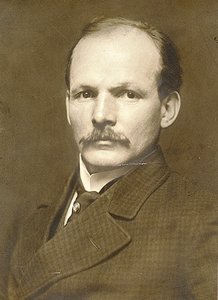
Solon Hannibal Borglum
1868 - 1922 , United States of America
Короткі факти
- Artistic Movement Or Style: Realism, Western art
- Artists Or Movements Influenced By This Artist: ['Paul Manship']
- Artists Who Influenced This Artist:
- Emmanuel Fremiet
- Gutzon Borglum
- Date Of Birth: December 22, 1868
- Date Of Death: January 31, 1922
- Full Name: Solon Hannibal Borglum
- Nationality: American
- Notable Artworks:
- Saint John the Baptist
- Cow
- The teacher of sciences
- Place Of Birth: Ogden, USA
Пов'язані статті

10 легендарних бронзових скульптур, що змінили мистецтво | OriginalUniqueArt
Відкрийте 10 легендарних бронзових скульптур, що змінили хід мистецтва! Дізнайтесь історії Мікеланджело, Родена та інших геніїв. Репродукції картин преміум-класу для вашого дому – на OriginalUniqueArt.com
The Enduring Legacy of Bronze Sculpture: A Collector's Guide to Form & Cultural Significance
Explore the rich history & enduring appeal of bronze sculpture with expert insights for collectors at OriginalUniqueArt. Learn about casting techniques, iconic artists, and collecting tips to build a discerning art collection.
The Enduring Legacy of Bronze: History, Technique & Artistic Expression for the Collector
Explore the rich history & enduring appeal of bronze sculpture with expert insights for collectors at OriginalUniqueArt. Learn about casting techniques, iconic artists, and collecting tips.

10 Легендарних Бронзових Шедеврів, Які Змінили Мистецтво | OriginalUniqueArt
Відкрийте для себе 10 легендарних бронзових шедеврів, що змінили мистецтво! Історія створення, художні техніки та вплив скульпторів Ренесансу й Античності. Купуйте репродукції картин на OriginalUniqueArt.com – музейна якість для вашого дому.

The Enduring Legacy of Bronze: A Historical & Artistic Exploration for the Collector
Explore the rich history & enduring appeal of bronze sculpture with expert insights for collectors at OriginalUniqueArt. Learn about casting techniques, iconic artists, collecting tips & contemporary interpretations.
