

 Переглянути в інтер'єрі
 Надіслати як листівку
 Поділитися
 Деталі витвору
 Посібник

 Завантажити
 Схожі екземпляри
 Рентгенівське дослідження
 Слайд-шоу
 Статистика
Self-portrait aged 78


 Розгорнути текст
Гікле / Художній принт
Друк جيкле або на полотні музейної якості з оперативним виготовленням та різноманітними варіантами фінішної обробки. ( Замовити картину ручної роботи Перейти до цифрових зображень)




P118B ₴10

P118H ₴10

P118W ₴10

P438Z ₴10

P508JH ₴12

P508YH ₴12

P805H ₴10

P805Z ₴10

P919BZ ₴10

P919G ₴10

P919XJ ₴10

P959ZH ₴10

P968JZ ₴12

W106C ₴8

W218G ₴10

W218JH ₴8

W218Y ₴10

W307PJ ₴10

W316G ₴10

W316PJ ₴8

W316Y ₴10

W398PJ ₴8

W4111J ₴10

W500HY ₴15

W500JH ₴15

W692G ₴12

W849H ₴8

W940BG ₴15

W953PJ ₴8




Обирайте з наших стандартних розмірів, що відповідають оригінальним пропорціям твору мистецтва.

Введіть необхідну ширину та висоту, щоб принт ідеально підійшов до вашої рами або стіни. Принт можна лише обрізати, але не можна зробити більшим за оригінал, тому при зміні пропорцій частина зображення буде втрачена. Перед друком ми надсилаємо вам цифровий макет для затвердження. Зображення на цій сторінці не відображає реальну обрізку — її можна побачити лише на макеті.
Доставка по всьому світу () за 2 тижні замість стандартних 4/5 тижнів. (27 Жовтень)

Безкоштовна експрес-доставка по всьому світу

Високоякісне лляне полотно

Повне страхове покриття доставки

Гарантія повернення митних зборів

Гарантія точного відтворення кольорів

Політика повернення протягом 100 днів (лише у разі виявлення дефектів)

Гарантія повернення 100% коштів

Пропозиція на оптові замовлення
 Скляний варіант доступний лише для розмірів до 110 см

Self-portrait aged 78
Гікле / Художній принт
Розмір репродукції
-


Підсумкова вартість
₴ 3586
Sofonisba Anguissola’s Self-Portrait Aged 78: A Renaissance Masterpiece of Dignified Reflection
Sofonisba Anguissola’s *Self-portrait Aged 78*, completed in 1610, stands as a testament to the extraordinary achievements of a woman artist during the Renaissance—a period fiercely resistant to female participation in intellectual pursuits and artistic creation. More than just a likeness of the artist herself, this painting embodies the spirit of humanist ideals prevalent at the time, presenting Anguissola not merely as an individual but as a symbol of feminine resilience and artistic prowess.
- Composition & Setting: The artwork centers around Anguissola’s seated posture within an ornate chair—a deliberate choice that elevates her status and underscores the formality characteristic of Renaissance portraiture. The dark background serves to accentuate her presence, creating a visual dialogue between figure and space.
- Color Palette & Technique: Dominated by muted browns, blacks, whites, and subtle reds, Anguissola’s palette reflects the somber elegance favored during her era. Her masterful brushwork—characterized by smooth blending and layering—captures textures with remarkable precision, from the velvety smoothness of her skin to the textured fabric of her gown and the polished surface of the chair’s wood.
- Symbolism & Emotion: The inclusion of a small piece of paper held in Anguissola's right hand is laden with symbolic significance—perhaps representing correspondence or artistic endeavors. Her gaze, direct yet contemplative, conveys a profound sense of inner reflection and acknowledges the passage of time, inviting viewers to contemplate themes of wisdom, experience, and mortality.
- Historical Context: Anguissola’s life was marked by groundbreaking achievements for women artists—she defied societal expectations by pursuing her passion for painting despite limitations imposed upon female intellectuals. Her success served as an inspiration to aspiring female artists and solidified her legacy as a pioneer of Renaissance art.
The painting's influence extends beyond its aesthetic beauty; it embodies the humanist conviction that art could elevate the human spirit. Anguissola’s *Self-portrait Aged 78* remains an enduring symbol of feminine intellect, artistic ambition, and dignified contemplation—a masterpiece that continues to captivate audiences centuries later.
- Further Research: Comparing Anguissola's work with Dürer's *Self-Portrait (Dürer, Munich)* reveals shared stylistic conventions rooted in Renaissance portraiture. Examining the meticulous detail and psychological depth of both paintings illuminates the artistic standards of their time.
This artwork is available as a high-quality reproduction on WikiArt and offers collectors an opportunity to experience the grandeur of Renaissance art in their homes.
Питання та відповіді
Яким чином твір "Self-portrait aged 78" перегукується з іншими роботами Софоніба Ангуіссола?
«Self-portrait aged 78» поділяє з іншими творами Софоніба Ангуіссола характерний стиль Late Renaissance Mannerism та притаманні йому теми: humanist education, female renaissance pioneer, formal portraiture style, royal patronage influence, symbolic reflection.
Який формат і орієнтацію друку рекомендується для «Self-portrait aged 78» роботи Софоніба Ангуіссола?
Для репродукції «Self-portrait aged 78» роботи Софоніба Ангуіссола рекомендується розмір Large з орієнтацією Portrait.
Який розмір «Self-portrait aged 78» рекомендується для Living Room?
Рекомендоване поєднання для «Self-portrait aged 78» роботи Софоніба Ангуіссола: принт розміром Large у Living Room.
Біографія митця
Осяяння Ренесансу: Життя та мистецтво Софоніби Ангуіссоли
Софоніба Ангуіссола постала на яскравому мистецькому небоскалоні Італії XVI століття як справжня піонерка, кидаючи виклик суспільним нормам і утверджуючись як одна з найславетніших художниць епохи Відродження. Народившись близько 1532 року в Кремоні в родині Амількаре Ангуіссоли та Б'янки Понцоні, вона була щасливицею, яка отримала незвичайно прогресивне виховання для жінки свого часу. Її батько, розпізнавши винятковий художній талант у своїх доньках — Софонібі, Елені, Лучії та Європі — пішов проти традицій, забезпечивши їм гуманітарну освіту, що охоплювала латину, музику і, що найважливіше, малювання. Така відданість їхньому інтелектуальному та творчому розвитку була революційною, заклавши фундамент для надзвичайного кар'єрного шляху Софоніби. Сім'я Ангуіссола, хоч і була шляхетною, не вирізнялася багатством; Амількаре вірив у розвиток дарів своїх дочок як засіб соціального просування та особистої самореалізації — радикальна ідея, яка змінить можливості для жінок-художниць на покоління вперед. У 1546 році Софоніба та Елена розпочали формальне навчання у Бернардіно Кампі, поважного місцевого живописця, а близько 1550 року продовжили навчання у Бернардіно Гатті (Іль Саджароло) — це учнівство саме по собі було безпрецедентним, відкриваючи двері, які раніше були зачинені для жінок, прагнучих опанувати мистецтво.Інтимність та інновації: Формування художнього голосу
Ранні роботи Ангуіссоли вирізняються надзвичайною інтимністю та психологічною глибиною, що особливо помітно в її портретах родини. Це не були просто вправи на схожість; це були проникливі дослідження особистості та сімейних стосунків. Такі полотна, як «Портрет сестер художниці, що грають у шахи» (близько вирішення 1555 року), є майстерним свідченням цієї здатності, закарбовуючи щирий момент взаємодії з тонкими виразами облич та жестами. Композиція відчувається надзвичайно природною, уникаючи тієї суворої формальності, яка часто притаманна портретам тієї епохи. Спочатку її стиль спирався на ломбардський маньєризм, але під час перебування в Іспанії він еволюціонував у більш витончений підхід, пристосований до вимог придворного портрета. Вона володіла винятковим талантом до зображення реалістичних рис із делікатним колоритом та передачі емоцій через тонке малювання пензлем. Самопортрети стали повторюваною темою протягом усієї її кар'єри, слугуючи не лише демонстрацією майстерності, але й потужним утвердженням своєї ідентичності як жінки-художниці у світі, де панували чоловіки. «Самопортрет біля мольберта» (1556) є особливо культовим, представляючи Софонібу впевненою у своїй справі, що кидає глядачам виклик визнати її творчу владу.Придворний замовник: Життя та творчість в Іспанії
У 1559 році настав вирішальний момент, коли Ангуіссола була запрошена до Іспанії королевою Єлизавето Валуа, дружиною короля Філіпа II. Це запрошення не було просто пропозицією роботи; це було визнання її виняткового таланту та свідчення власних мистецьких нахилів королеви. Софоніба служила фрейліною та вчителькою живопису, ставши офіційною придворною художницею — посада, майже нечувана для жінки того часу. Вона створювала портрети королівської родини та іспанської знаті, адаптуючи свій стиль до формальних вимог придворного портрета, зберігаючи при цьому свою чутливість до характеру людей. Її присутність при дворі була значущою; її не просто терпіли як жінку-художницю, а активно цінували за її вміння та компаньйонство. Після передчасної смерті королеви Єлизавети у 1568 році Філіп II посприяв шлюбу Софоніби з Фабріціо Монкадою, італійським дворянином, що дозволило їй продовжувати малювати, зберігаючи при цьому шляхетний статус. Цей союз продемонстрував повагу короля до її мистецтва та його бажання забезпечити її подальше благополуччя. Пізніше вона знову вийшла заміж після смерті Монкади, продовжуючи писати картини протягом усього свого життя.Спадщина піонерки: Вплив та історичне значення
Досягнення Софоніби Ангуіссоли виходили далеко за межі іспанського двору. Її творчість кинула виклик традиційним мистецьким нормам і проклала шлях для майбутніх поколінь художниць. Вона довела, що жінки можуть не лише досягати успіху в мистецтві, а й здобувати міжнародне визнання та покровительство. Її вплив можна побачити в роботах наступних поколінь жінок-художниць, які наслідували її приклад, руйнуючи бар'єри та кидаючи виклик суспільним очікуванням. Ключовими джерелами натхнення для Ангуіссоли були ломбардська школа живопису, зокрема роботи Бернардіно Кампі та Бернардіно Гатті, проте зрештою вона викувала власний унікальний стиль, що характеризувався реалізмом, інтимністю та психологічною проникливістю. Її самопортрети залишаються потужними символами жіночої творчої суб'єктивності, надихаючи митців та дослідників і сьогодні.Вічне визнання
Сьогодні Софоніба Ангуіссола справедливо визнана однією з найважливіших постатей Ренесансу. Її картини зберігаються у престижних колекціях по всьому світу, включаючи Музей Прадо в Мадриді, Галерею Уффіці у Флоренції та Музей Ізабелли Стюарт Гарднер у Бостоні. Її історія продовжує резонувати з аудиторією, нагадуючи нам про силу мистецтва долати соціальні межі та про невмирущу спадщину жінки, яка наважилася кинути виклик очікуванням і піти за своєю пристрастю. Її здатність зафіксувати не лише зовнішню схожість, а й внутрішнє життя своїх героїв гарантує, що її роботи залишатимуться захопливими та актуальними через століття після їх створення.- Де можна побачити її роботи: Бостон (Музей Ізабелли Стюарт Гарднер), Мілуокі (Музей мистецтв Мілуокі), Бергамо, Брешіа, Будапешт, Мадрид (Музей Прадо), Неаполь та Сієна.
- Джорджо Вазарі вихваляв її здатність до малювання, роботу з кольором, вміння писати з натури, чудове копіювання та створення прекрасних картин.

Софоніба Ангуіссола
1532 - 1625 , Італія
Короткі факти
- Artistic Movement Or Style: Ренесансний живопис
- Artists Or Movements Influenced By This Artist: ['Микеланджело']
- Artists Who Influenced This Artist:
- Бернардино Кампі
- Бернардино Гатті
- Date Of Birth: c. 1532
- Full Name: Sofonisba Anguissola
- Nationality: Італійська
- Notable Artworks:
- Портрет сестер художниці
- Портрет Софоніби Анґуіссоли
- Place Of Birth: Кремона, Італія
Пов'язані статті

The Echo of Self: Reflectivity as a Core Theme in Art History & Contemporary Practice
Explore the rich history of self-representation in art, from Renaissance masters to modern innovators. Discover how artists use portraiture to reveal identity, emotion & the depths of the human psyche. Expert insights for collectors.

Remixing Reality: The Artistic and Psychological Impact of Self-Insertion into Iconic Masterpieces
Explore the fascinating history & psychology of self-insertion into iconic art! Discover how digital tools are reshaping identity & artistic expression. Expert analysis & insights.

The Inner Landscape: Exploring Themes of Introspection in Visual Art Across Movements & Eras
Explore the captivating world of introspective art! Discover how artists across eras – from Rembrandt to Kahlo – used self-portraiture to reveal their inner worlds and emotional depths. A journey through art history & psychology.
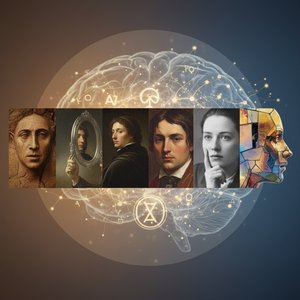
Reflecting the Self: A History of Portraiture & Psychological Insight
Explore the fascinating history of self-portraiture from Renaissance masters like Dürer & Rembrandt to modern interpretations. Discover the psychological insights and artistic techniques behind these iconic works. Expert analysis for art enthusiasts.

The Enduring Legacy of Formal Portraiture: Power, Identity & Artistic Exploration
Explore the rich history of formal portraiture & its enduring power to capture identity and shape perception. Discover investment-worthy artworks, expert appraisals, and custom reproduction services at OriginalUniqueArt.