

 Переглянути в інтер'єрі
 Надіслати як листівку
 Поділитися
 Деталі витвору
 Посібник

 Завантажити
 Схожі екземпляри
 Рентгенівське дослідження
 Слайд-шоу
 Статистика
Hawking
 Acrylic On Canvas
- WallArt
 1902
1902- 19th Century
 120.0 x 104.0 cm
 Національна Trust
 Розгорнути текст
Придбайте цифрову копію високої роздільної здатності з покращеною якістю, що значно перевершує онлайн-перегляд.
Кожен файл ретельно підготовлений нашими фахівцями за допомогою сучасних інструментів та професійної ручної ретуші. Ми гарантуємо виняткову чіткість, точну передачу кольору та високу деталізацію кожного зображення.
Фінальний файл надсилається електронною поштою протягом 72 годин і оптимізований для негайного використання у професійних виданнях та друкованих матеріалах. Таку якість обирають провідні дизайнерські студії, видавництва та галереї.
Цифрове зображення
Завантажте файл високої роздільної здатності для особистого використання, друку та творчих проєктів. ( Перейти до друку Замовити картину ручної роботи)
Переваги кожного замовлення цифрових зображень
Експертна цифрова доставка з гарантією якості
Обираючи OriginalUniqueArt.com, ви отримуєте не просто зображення — ви отримуєте професійно вдосконалений цифровий витвір мистецтва, створений з надзвичайною точністю та підкріплений гарантією задоволення. Ось усе, що автоматично додається до вашого замовлення:

Швидка доставка на email
Ваш цифровий файл із зображенням високої роздільної здатності буде надісланий вам електронною поштою протягом 72 годин після оформлення замовлення — він буде готовий до негайного використання.

Цифровий файл із покращенням ШІ
Ваш витвір мистецтва професійно оптимізовано за допомогою передових інструментів штучного інтелекту та ручної корекції, що забезпечує максимальну деталізацію, чіткість і точність передачі кольорів.

Безкоштовне повторне завантаження назавжди
Випадково видалили або втратили файл? Не хвилюйтеся — ми надішлемо його вам повторно в будь-який час безкоштовно.

Без митних зборів — завжди
Насолоджуйтесь вашим витвором мистецтва миттєво без жодних мит, зборів або плати за доставку — цифрові завантаження завжди не оподатковуються.

Гарантія точності кольорів
Ми гарантуємо максимально точне відтворення оригінальних кольорів на вашому цифровому зображенні завдяки використанню професійних інструментів та систем управління кольором.

100-денна гарантія задоволення
Якщо ви не задоволені придбаним цифровим зображенням, ми внесемо правки або повернемо 100% вартості протягом 100 днів — без зайвих запитань.

Гарантія повернення 100% коштів
Незадоволені покупкою? Отримайте повне повернення коштів протягом 100 днів після отримання цифрового файлу — без зайвих запитань.

Знижки на оптові замовлення
Купуйте 3 зображення — заощаджуйте 10% — Купуйте 5 — заощаджуйте 15% — Купуйте 10+ — заощаджуйте 20%. Чудово підходить для творчих проєктів, галерей та агентств.
The Enigmatic Figure of Hawking
William Nicholson’s “Hawking,” painted in 1902, isn't merely a portrait; it’s a carefully constructed tableau of Victorian sensibilities layered with subtle anxieties and burgeoning modernity. The subject, a young boy holding a bird on his arm while accompanied by two dogs, immediately evokes a sense of domesticity—a scene seemingly plucked from the heart of Edwardian England. Yet, closer inspection reveals a complex interplay of elements that hint at deeper currents beneath the surface of this carefully arranged image. The boy’s posture is slightly awkward, his gaze averted, suggesting a quiet introspection or perhaps a touch of unease. The bird he cradles, likely a finch, symbolizes freedom and innocence, but its presence within the confines of the scene introduces an element of fragility and vulnerability.
A Collaboration Born of Artistic Vision
“Hawking” was a product of a remarkable artistic partnership between Nicholson and James Pryde, known collectively as the Beggarstaffs. This duo revolutionized illustration in the late 19th and early 20th centuries by employing a distinctive style characterized by bold lines, flattened perspectives, and a deliberately unpolished aesthetic. Their work rejected the fussy detail of academic portraiture, opting instead for a more immediate and dynamic approach. Nicholson’s contribution to this project was crucial; he brought a sophisticated understanding of composition and characterization, while Pryde provided the technical expertise in woodcut and lithography. The Beggarstaffs' style reflected a shift away from traditional illustration towards a more journalistic and evocative form of visual storytelling.
The Victorian Context: Restraint and Subversion
To fully appreciate “Hawking,” it’s essential to understand the broader context of Victorian England. The era was marked by strict social conventions, rigid moral codes, and a profound sense of propriety. Yet, beneath this veneer of respectability lay currents of change—industrialization, urbanization, and growing anxieties about modernity. Nicholson subtly captures these tensions within his painting. The dogs, symbols of loyalty and domesticity, are juxtaposed with the boy’s withdrawn demeanor, hinting at a disconnect between traditional values and emerging individualistic sensibilities. The inclusion of the bird, representing freedom, further underscores this subtle subversion of Victorian norms.
Symbolism and Emotional Resonance
Beyond its stylistic merits, “Hawking” is rich in symbolic meaning. The boy’s posture suggests a sense of isolation or perhaps a questioning of authority—a common theme in the literature of the period. The bird, as mentioned earlier, represents innocence and vulnerability, while the dogs embody loyalty and companionship. The overall composition creates a feeling of quiet contemplation, inviting the viewer to ponder the complexities of human relationships and the challenges of navigating a rapidly changing world. Nicholson’s masterful use of light and shadow further enhances the painting's emotional impact, creating a sense of depth and atmosphere that draws the eye inward.
A Legacy of Artistic Innovation
Sir William Nicholson’s “Hawking” stands as a testament to his artistic versatility and his ability to capture the spirit of his time. It is a remarkable example of Beggarstaff illustration, blending technical skill with evocative storytelling. Reproductions of this painting offer a captivating glimpse into Victorian England—a world of restrained elegance, hidden anxieties, and burgeoning modernity. Its enduring appeal lies in its ability to resonate with viewers on multiple levels, inviting them to contemplate the complexities of human experience and the timeless themes that continue to shape our understanding of ourselves and the world around us.
Питання та відповіді
Як мені завантажити зображення «Hawking» роботи Саймон Ніколсон?
Цифрову копію роботи «Hawking» роботи Саймон Ніколсон можна завантажити на сторінці Завантажити цифрове зображення, обравши варіант завантаження цифрового зображення високої роздільної здатності.
Які псевдоніми або інші імена має Саймон Ніколсон?
Інші відомі імена Саймон Ніколсон, автора твору "Hawking", включають Вілльям Ніксолл, Вільям Ньюза́м Пєшр Ніколсон.
Чи доступна робота "Hawking" у вигляді художнього принта?
«Hawking» доступний як художній принт на бавовняному полотні або архівному канвас-папері. Замовити його у будь-якому обраному вами розмірі можна на сторінці Художній принт.
Біографія митця
Early Life and Artistic Beginnings
Sir William Newzam Prior Nicholson, born on February 5, 1872, in Newark-on-Trent, Nottinghamshire, emerged from a background that skillfully blended the pragmatic realities of industrial life with a deep appreciation for artistic tradition. His father, William Newzam Nicholson, was a successful engineer and a prominent Conservative Member of Parliament representing Newark; this instilled within young William a strong sense of discipline and responsibility. Simultaneously, his mother’s lineage connected him to the artistic heritage of Oxfordshire, specifically to the traditions of landscape painting rooted in the work of Sir Joshua Reynolds. From a remarkably early age, Nicholson demonstrated an innate talent for art, nurtured by private drawing lessons with William Cubley, a local painter who himself traced his artistic roots back to the esteemed Sir Joshua Reynolds. This formative exposure laid the groundwork for a career that would span diverse mediums and styles – from striking woodcuts and posters to elegant portraits and evocative landscapes. A brief but pivotal period at Hubert von Herkomer’s art school in Bushey proved instrumental, not only honing his technical skills but also introducing him to Mabel Pryde, who would become his wife and a crucial collaborator in shaping his artistic journey. Through Mabel, he met her brother, James Pryde – a partnership that would soon redefine the landscape of British graphic design.The Beggarstaffs and a Revolution in Poster Art
The collaboration between William Nicholson and James Pryde, known collectively as “J. & W. Beggarstaff,” represents a watershed moment in British visual culture. Rejecting the ornate, heavily detailed aesthetic that dominated Victorian poster design, they forged a radically new style characterized by bold silhouettes, flat planes of color, and a deliberate rejection of traditional perspective. Their posters weren’t merely advertisements; they were carefully constructed graphic statements – powerful, instantly recognizable images that captured the public's imagination with remarkable efficiency. Designs for productions like Don Quixote (originally intended for Sir Henry Irving’s 1895 production but never used on the hoardings), Harper’s Magazine (1895), and Rowntree’s Elect Cocoa (1896) became iconic symbols of their era, influencing a generation of artists and designers. The Beggarstaff partnership wasn't simply about commercial art; it was fundamentally about redefining how visual communication functioned – stripping away unnecessary embellishment to deliver a direct, impactful message. Their work challenged established conventions, paving the way for modern graphic design and firmly establishing Nicholson’s reputation as an innovator and a pioneer of contemporary style. The influence of their approach extended beyond posters, subtly shaping illustration and even painting with its emphasis on strong form and deliberate composition.From Woodcuts to Portraits: A Developing Style
Following the dissolution of the Beggarstaff partnership – a relatively short but intensely productive period – Nicholson embarked on a crucial phase of stylistic exploration and refinement. He turned his considerable talents towards woodcut and wood-engraving, techniques that allowed him to further develop his mastery of line, form, and texture. This period was profoundly influenced by the guidance of James McNeill Whistler, who recognized Nicholson’s potential and encouraged him to explore the expressive possibilities of these mediums. Under Whistler's mentorship, Nicholson embraced woodcuts with a renewed sense of purpose, producing intricate and evocative prints that showcased his growing artistic maturity. These works demonstrated an extraordinary ability to distill complex ideas into their essential forms – a characteristic that would become a defining feature of his style throughout his career. Simultaneously, Nicholson began to establish himself as a portrait painter, receiving commissions from a diverse range of prominent figures in British society. His portraits weren’t merely photographic likenesses; they were insightful studies of character, revealing the inner lives and personalities of his subjects through subtle nuances of expression, gesture, and pose. Works such as *Lady in Furs* exemplify this skill, capturing not just physical appearance but also a sense of social standing, personality, and even mood – elevating the portrait from a simple representation to a profound artistic statement.Still Life, Landscape, and Lasting Legacy
In the later stages of his career, Nicholson increasingly focused on still life and landscape painting, continuing to refine his techniques and deepen his artistic vision. His still lifes, such as *The Lowestoft Bowl*, are celebrated for their exquisite attention to detail, harmonious color palettes, and a quiet sense of intimacy – inviting viewers into a world of subtle beauty and contemplation. He imbued everyday objects with a poetic quality, elevating them beyond mere representation to become symbols of elegance, craftsmanship, and the fleeting nature of time. His landscapes, often depicting scenes from his travels in Spain and Italy, reveal a sensitivity to light, atmosphere, and the inherent poetry of the natural world – capturing the essence of place with remarkable skill and evocative power. Throughout his prolific career, Nicholson remained a remarkably versatile artist, constantly experimenting with new techniques and approaches, always seeking to expand the boundaries of his artistic expression. He authored children’s books, designed for theatrical productions, and continued to produce prints alongside his paintings, demonstrating an unwavering commitment to his craft. Sir William Nicholson's influence extends far beyond his own impressive body of work; he inspired generations of artists with his dedication to craftsmanship, his innovative spirit, and his ability to find beauty in the most unexpected places. His legacy remains a testament to the power of art to illuminate the human experience and transform our perception of the world around us – a vibrant reminder that even the simplest objects can hold profound meaning. He died in 1949, leaving behind a rich artistic legacy that continues to resonate with audiences today.Useful Links
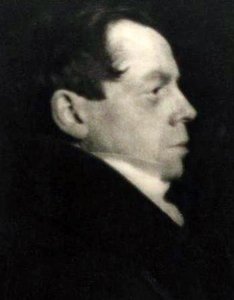
Саймон Ніколсон
1872 - 1949 , Великобританія
Короткі факти
- Artistic Movement Or Style: Натюрморти, портрети
- Artists Or Movements Influenced By This Artist: ['J. & W. Beggarstaff']
- Artists Who Influenced This Artist: ['Джеймс Макнейл Уістлер']
- Date Of Birth: 5 лютого 1872
- Date Of Death: 16 травня 1949
- Full Name: Sir William Newzam Prior Nicholson
- Nationality: Британський
- Notable Artworks:
- Lady in Furs
- The Lowestoft Bowl
- Place Of Birth: Ніуарк, Великобританія