

 Переглянути в інтер'єрі
 Надіслати як листівку
 Поділитися
 Деталі витвору
 Посібник

 Завантажити
 Схожі екземпляри
 Рентгенівське дослідження
 Слайд-шоу
 Статистика
Durack Ranges
 Олія на деревині
- Expressionism
 1950
1950 91.0 x 122.0 cm
 Національна галерея мистецтва Вікторії
 Розгорнути текст
Мистецький твір, представлений на цій сторінці, захищений законом про авторське право, що унеможливлює легальне створення або продаж його ідентичної репродукції. Цей захист забезпечується відповідно до міжнародних угод, таких як Бернська конвенція та національним законодавством, зокрема положеннями, що викладені в Законодавство США про авторське право — Розділ 17. Всі права захищені. Будь-яке використання без дозволу заборонено.
Цей метод повністю відповідає нормам авторського права, оскільки він не передбачає копіювання чи дублювання захищеного твору мистецтва. Натомість це творче переосмислення — створення нового малюнка під впливом оригіналу, який не є його точним відтворенням.
Гікле / Художній принт
Друк جيкле або на полотні музейної якості з оперативним виготовленням та різноманітними варіантами фінішної обробки. ( Замовити картину ручної роботи Перейти до цифрових зображень)




P118B ₴10

P118H ₴10

P118W ₴10

P438Z ₴10

P508JH ₴12

P508YH ₴12

P805H ₴10

P805Z ₴10

P919BZ ₴10

P919G ₴10

P919XJ ₴10

P959ZH ₴10

P968JZ ₴12

W106C ₴8

W218G ₴10

W218JH ₴8

W218Y ₴10

W307PJ ₴10

W316G ₴10

W316PJ ₴8

W316Y ₴10

W398PJ ₴8

W4111J ₴10

W500HY ₴15

W500JH ₴15

W692G ₴12

W849H ₴8

W940BG ₴15

W953PJ ₴8




Обирайте з наших стандартних розмірів, що відповідають оригінальним пропорціям твору мистецтва.

Введіть необхідну ширину та висоту, щоб принт ідеально підійшов до вашої рами або стіни. Принт можна лише обрізати, але не можна зробити більшим за оригінал, тому при зміні пропорцій частина зображення буде втрачена. Перед друком ми надсилаємо вам цифровий макет для затвердження. Зображення на цій сторінці не відображає реальну обрізку — її можна побачити лише на макеті.
Доставка по всьому світу () за 2 тижні замість стандартних 4/5 тижнів. (25 Жовтень)

Безкоштовна експрес-доставка по всьому світу

Високоякісне лляне полотно

Повне страхове покриття доставки

Гарантія повернення митних зборів

Гарантія точного відтворення кольорів

Політика повернення протягом 100 днів (лише у разі виявлення дефектів)

Гарантія повернення 100% коштів

Пропозиція на оптові замовлення
 Скляний варіант доступний лише для розмірів до 110 см

Durack Ranges
Гікле / Художній принт
Розмір репродукції
-


Підсумкова вартість
₴ 3591
Durack Ranges - A Landscape of Myth and Memory
The painting “Durack Ranges” by Sir Sidney Robert Nolan is more than just a depiction of the Australian Outback; it’s an embodiment of Nolan's profound engagement with Aboriginal mythology and his exploration of Australia’s scarred landscape as a reflection of its history. Created in 1950, during Nolan’s formative years as a painter, this monumental canvas exemplifies his signature style—a bold simplification of form combined with vibrant color palettes that convey both grandeur and unease. It stands as one of the most iconic pieces from Nolan's Desert & Drought series, cementing his place among Australia’s foremost modernist artists.- Subject Matter: The painting captures a panoramic vista of the Durack Ranges in Western Australia—a region steeped in Aboriginal lore and considered sacred by Indigenous Australians. Nolan meticulously renders the rugged terrain, punctuated by mesas and canyons bathed in hues of ochre, crimson, and indigo.
- Style: Nolan’s approach aligns closely with Expressionism, prioritizing emotional impact over precise representation. The flattened perspective and stylized brushstrokes contribute to a sense of immediacy and drama, mirroring the vastness and power of the natural environment.
- Technique: Employing oil on board, Nolan achieved remarkable textural depth through layering multiple coats of paint—a technique that allows for subtle gradations of color and creates an illusion of movement within the static image. The artist’s deliberate use of impasto adds physicality to the canvas, conveying a palpable sense of energy.
Historical Context: Echoes of Trauma and Resilience Nolan's Desert & Drought series emerged from a period of intense debate surrounding Aboriginal land rights in Australia during the 1950s. Inspired by films depicting the Australian interior—particularly those exploring themes of displacement and hardship—Nolan sought to confront the injustices faced by Indigenous communities while simultaneously celebrating the enduring spirit of the Australian landscape. The Durack Ranges painting specifically references the biblical Exodus narrative, symbolizing the Israelites’ journey from oppression to liberation—a motif that resonates deeply with Australia's colonial past and its ongoing struggle for reconciliation.
Symbolism: Color as Emotion The dominant color scheme—primarily reds and ochres—is deliberately chosen to evoke feelings of heat, dryness, and primal energy. Nolan’s masterful use of color transcends mere visual description; it communicates the emotional resonance of the landscape—a testament to its harsh beauty and enduring significance. The reddish hues subtly hint at the blood of ancient battles fought on Aboriginal land, underscoring the painting's connection to Australia’s history of conflict and dispossession.
Emotional Impact: A Vision of Australian Identity “Durack Ranges” transcends a simple topographical representation; it functions as a powerful visual meditation on themes of isolation, resilience, and spiritual contemplation. Nolan invites viewers to contemplate the immensity of the Outback—to confront its challenges while simultaneously appreciating its sublime grandeur. The painting’s enduring appeal lies in its ability to capture the essence of Australian identity—a complex tapestry woven from myth, landscape, and the legacy of colonization. It remains a cornerstone of Nolan's oeuvre and an unforgettable emblem of Australian art history.
Питання та відповіді
Чи можу я переглянути «Durack Ranges» роботи Сідней Роберт Нолан перед замовленням?
Сторінка попереднього перегляду «Durack Ranges» (Перегляд у інтер'єрі) дозволяє ознайомитися з твором перед замовленням.
Чи є «Durack Ranges» роботи Сідней Роберт Нолан відомим витвором мистецтва?
«Durack Ranges» роботи Сідней Роберт Нолан має Культові рівень популярності. Ця класифікація відображає ступінь впізнаваності цього твору.
До якого художнього напряму та якої епохи належить «Durack Ranges» роботи Сідней Роберт Нолан?
«Durack Ranges» роботи Сідней Роберт Нолан належить до течії Expressionism, що була створена в епоху — Модерн свого автора.
Біографія митця
A Life Painted in Myth and Landscape
Sir Sidney Robert Nolan, born in Melbourne in 1917, stands as a monumental figure in 20th-century Australian art. His journey was not one of conventional artistic training but rather an explosive emergence from the working-class streets of St Kilda into a world of vibrant imagination and relentless experimentation. Nolan wasn’t simply a painter; he was a visual storyteller, a mythmaker who wrestled with Australia's history, its landscapes, and its very identity. From his early days as a runner for an illegal betting ring to his eventual acclaim on the international stage, Nolan’s life was marked by a restless energy and a refusal to be confined by artistic norms. He absorbed influences from diverse sources – the poetry of Rimbaud, the spatial innovations of Cézanne, the raw emotion of Danila Vassilieff – yet forged a style uniquely his own, one that resonated with a distinctly Australian sensibility. His early exposure to the harsh realities of Melbourne life and the allure of its underbelly would profoundly shape his artistic vision, imbuing his work with a sense of both defiance and vulnerability.The Shaping of an Iconoclast
Nolan’s formative years were steeped in intellectual ferment. The Heide Circle, centered around patrons John and Sunday Reed, proved pivotal. This haven for artists and writers fostered a spirit of radical experimentation and provided Nolan with crucial support during his developing phase. It was at Heide that he encountered kindred spirits – Albert Tucker, Joy Hester, Arthur Boyd – all grappling with the challenge of creating a distinctly Australian modernism. The influence of modernist literature, particularly the Symbolist poets, cannot be overstated. Rimbaud’s call for a “systematic derangement of the senses” became a guiding principle for Nolan, liberating him from representational constraints and encouraging him to explore the emotional power of color, form, and symbolism. His early works demonstrate this influence, often featuring fragmented figures and dreamlike landscapes that hint at deeper psychological truths. He wasn’t interested in merely depicting reality; he sought to capture its essence, its underlying emotions, and its hidden narratives. This period also saw Nolan experimenting with various media, from stage design for the Ballet Russes to commercial art, each experience contributing to his growing technical prowess and artistic vocabulary.Early Influences and Artistic Development
Initially unable to satisfy his desire to travel to Europe he achieved an emotional release from his situation through exhaustive reading in the State Library of Victoria and access to modern art magazines in the courtesy lounge of the hat factory where he was employed in the advertising design department. During this period Nolan came under the spell of the Symbolist French poet Arthur Rimbaud whose poetry was built upon grand, illogical, intuitive associations. Rejecting naturalism and realism he believed that the purpose of art was not to represent reality but to access greater truths by the ‘systematic derangement of the senses.’ The ideas encapsulated in Rimbaud’s poetry proved to be some of Nolan’s most enduring and formative influences. He acknowledged that he might have chosen poetry as a career but decided art would the most effective outlet for his voracious and capacious intellect. His early artistic explorations encompassed artists such as Pablo Picasso, Joan Miro, Wassily Kandinsky, Max Ernst and Paul Klee. Klee’s approach in particular appeared to resonate with Rimbaud’s ideas. Klee intentionally undermined the accepted boundaries of art by experimentation and a range of techniques, media and juxtaposition of subject matter. He was also a great admirer of the untutored art of children, and Nolan found the childlike qualities of his work compelling.The Kelly Cycle: Myth and Australian Identity
Nolan’s magnum opus is undoubtedly the *Kelly Cycle*, a monumental series of paintings depicting the exploits of Ned Kelly, Australia's most notorious bushranger. This wasn’t simply a historical retelling; it was a profound exploration of Australian identity, lawlessness, and the romanticized figure of the outlaw. Nolan stripped away the conventional heroic imagery associated with Kelly, presenting him as an enigmatic, almost spectral presence encased in iconic armor. The flattened planes of color, the stark contrasts, and the simplified forms create a powerful visual statement that transcends mere representation. The Kelly Cycle became a defining moment in Australian art, transforming the bushranger from a historical figure into a national symbol. It sparked debate, challenged conventional narratives, and forced Australians to confront their complex relationship with their past. Nolan’s meticulous attention to detail—particularly his masterful use of color—combined with his symbolic representation of Kelly's character cemented his place as one of Australia’s most celebrated artists.Legacy and Enduring Influence
Sir Sidney Nolan’s impact on Australian art is undeniable. He challenged conventional artistic norms, embraced experimentation, and created a body of work that continues to resonate with audiences today. His bold depictions of Ned Kelly have become iconic images, instantly recognizable as symbols of Australia's rebellious spirit and complex history. His influence can be seen in the work of countless contemporary artists who continue to draw inspiration from his innovative techniques and his commitment to exploring Australian identity. Nolan’s paintings are held in major museums and collections around the world, ensuring that his legacy will endure for generations to come. To explore more of his artwork, platforms like OriginalUniqueArt offer a wide range of reproductions, allowing art lovers to experience the power and beauty of his vision firsthand. He left behind not just a collection of paintings but a new way of seeing Australia – a land of myth, mystery, and enduring artistic potential.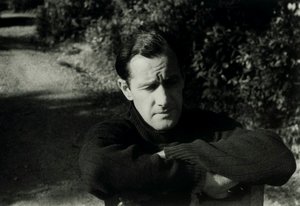
Сідней Роберт Нолан
1917 - 1992 , Австралія
Короткі факти
- Artistic Movement Or Style: Модернізм
- Artists Who Influenced This Artist:
- Римбард
- Цезанне
- Кандіновський
- Клей
- Date Of Birth: 22 квітня 1917
- Date Of Death: 28 листопада 1992
- Full Name: Sir Sidney Robert Nolan
- Nationality: Австралійський
- Notable Artworks: ['Серія «Нід Келлі», Серія «Після полудня», Серія «Земляні фігури']
- Place Of Birth: Мельбурн, Австралія
Пов'язані статті

Топ-10 шедеврів романтичного пейзажу: мистецтво, що захоплює дух | OriginalUniqueArt
Відкрийте для себе 10 шедеврів романтичного пейзажу! Каспар Давид Фрідріх, Тернер та інші майстри. Історія мистецтва, емоційні кольори природи та ідеї декору з OriginalUniqueArt.com. Дослідіть колекцію онлайн!
Beyond Reality: Capturing Emotion Through the Soul of Expressionist Landscapes
Explore the profound emotional depth of Expressionist landscapes. Discover how masters use color, texture, and light to transcend reality, capturing the raw essence of nature through an art-historical lens for the true connoisseur.

Evocations of Place: A Historical Journey Through Landscape Art
Explore the rich history of landscape art with OriginalUniqueArt. Discover renowned artists, movements like Impressionism & Romanticism, and expert guidance for collecting timeless pieces. Find your perfect serene escape today!

Evocations of Place: A Historical Journey Through Landscape Art
Explore the rich history of landscape art with OriginalUniqueArt. Discover renowned artists, movements like Impressionism & tonalism, and expert guidance for collecting timeless pieces. Find your perfect serene escape today!

Топ-25 шедеврів Джона Констебла: пейзажі Англії для вашого дому | OriginalUniqueArt
Відкрийте для себе 25 найкращих шедеврів Джона Констебла! Англійські пейзажі, романтизм та емоційне світло в живописі. Репродукції картин високої якості для вашого дому від OriginalUniqueArt.com. Дослідіть повну колекцію онлайн!


