Переглянути в інтер'єрі
 Надіслати
 Поділитися
 Деталі
 Посібник

 Завантажити
 Схожі предмети колекціонування
 Рентгенівське дослідження
 Слайд-шоу
 Статистика переглядів
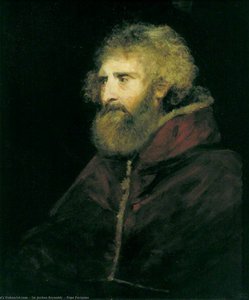
Piping Shepherd Boy
 Oil On Canvas
- WallArt
- Grand Style Portraiture
 94.0 x 64.0 cm
 National Trust
 Читати далі
Олійная репродукція ручної роботи
Написана вручну олією на полотні у вашому розмірі та рамі, виготовлена на замовлення нашими художниками. ( Перейти до друку Перейти до цифрових зображень)




P118B $10

P118H $10

P118W $10

P438Z $10

P508JH $12

P508YH $12

P805H $10

P805Z $10

P919BZ $10

P919G $10

P919XJ $10

P959ZH $10

P968JZ $12

W106C $8

W218G $10

W218JH $8

W218Y $10

W307PJ $10

W316G $10

W316PJ $8

W316Y $10

W398PJ $8

W4111J $10

W500HY $15

W500JH $15

W692G $12

W849H $8

W940BG $15

W953PJ $8




Обирайте з наших стандартних розмірів, що відповідають оригінальним пропорціям твору мистецтва.

Ви можете вказати власні розміри, щоб репродукція ідеально підійшла до конкретної рами або інтер'єру. Якщо вибраний вами розмір не відповідає пропорціям оригіналу, ми або обріжемо полотно, або доповнимо картину додатковими елементами, промальованими вручну. Цифровий макет буде надіслано вам на затвердження перед початком виробництва.
Зверніть увагу, що попередній перегляд на екрані не відображає фактичне обрізання або розширення зображення. Тільки макет точно покаже остаточну композицію.
Хоча ми можемо виготовити виріб у нестандартному розмірі, для збереження оригінальних пропорцій рекомендуємо обирати варіанти зі встановленого списку.
Після оформлення замовлення команда OriginalUniqueArt.com зв'яжеться з клієнтом електронною поштою для отримання інструкцій та надасть попередній макет
Доставка по всьому світу () за 3–4 тижні замість стандартних 5 тижнів. (25 Вересень). Без жодних компромісів у якості.

Безкоштовна експрес-доставка по всьому світу

Високоякісне лляне полотно

Повне страхове покриття доставки

Гарантія повернення митних зборів

Гарантія точного відтворення кольорів

Політика повернення протягом 100 днів (лише у разі виявлення дефектів)

Гарантія повернення 100% коштів

Знижка на оптові замовлення
 Скляний варіант доступний лише для розмірів до 110 см

Piping Shepherd Boy
Техніка репродукції
Розмір репродукції
-


Загальна вартість
$ 300
A Shepherd’s Serenity: Sir Joshua Reynolds' "Piping Shepherd Boy"
Sir Joshua Reynolds’ “Piping Shepherd Boy,” painted circa 1743, isn’t merely a portrait; it’s a carefully constructed tableau of idyllic English life, imbued with the intellectual and aesthetic currents of the Enlightenment. This captivating work, now housed within the collections of the National Trust at Antony House in Cornwall, offers a glimpse into a world where rustic charm and aristocratic patronage intertwined seamlessly. Reynolds, a pivotal figure in shaping British art, masterfully employed his signature “Grand Style,” prioritizing elegance, idealized beauty, and a profound understanding of social dynamics – elements that resonate powerfully even today.
The scene unfolds with remarkable clarity: a young boy, no older than ten, stands bathed in the golden light of late afternoon. He’s completely absorbed in playing his pipe, his mouth open in a gesture of focused delight, while two loyal dogs attentively watch over him. The landscape behind is rendered with a subtle yet effective blend of atmospheric perspective – rolling hills and distant trees suggesting both vastness and intimacy. Notice the careful attention to detail; the boy’s simple brown coat, the texture of his hair, even the slight furrow in his brow all contribute to a sense of palpable realism, despite the idealized setting.
The Grand Style: Technique and Composition
Reynolds' “Grand Style” wasn’t simply about replicating reality; it was about elevating it. He meticulously studied classical art, particularly the works of Raphael and Poussin, adopting their techniques of balanced composition, harmonious color palettes, and a focus on capturing the essence of his subjects rather than merely their physical likeness. The painting's pyramidal structure – anchored by the boy and extending upwards towards the sky – creates a sense of stability and order. The use of soft brushstrokes and subtle gradations of light and shadow contributes to an overall feeling of warmth and serenity.
Technically, Reynolds employed a sophisticated stipple and etching technique, creating a delicate surface texture that adds depth and richness to the image. The browns and ochres dominate the palette, evoking the earthy tones of the countryside – a deliberate choice that reinforces the painting’s pastoral theme. The subtle variations in color create a sense of atmospheric perspective, drawing the viewer's eye into the distance.
Symbolism and Context: A Portrait of an Age
“Piping Shepherd Boy” is more than just a pretty picture; it’s a reflection of the social and intellectual climate of 18th-century England. The subject, a young shepherd boy, represents innocence, rural virtue, and the connection to nature – values that were highly prized during this period. The presence of the dogs symbolizes loyalty and companionship, further reinforcing the painting's themes of harmony and contentment.
Furthermore, the commission itself speaks volumes about the era’s social dynamics. Reynolds was a court painter, catering to the tastes of wealthy aristocrats who sought to surround themselves with images that celebrated their own status and reflected idealized notions of country life. The painting's popularity during its time underscores this connection between art and patronage.
Emotional Resonance: A Moment of Quiet Joy
Despite its historical context, “Piping Shepherd Boy” continues to resonate emotionally today. The boy’s expression – a mixture of concentration and pure joy – is utterly captivating. There's an undeniable sense of peace and tranquility emanating from the scene, inviting the viewer to step into this idyllic world and share in his simple pleasures. It’s a reminder of the enduring appeal of nature, innocence, and the beauty of everyday moments.
Reproductions of this iconic work offer a wonderful opportunity to bring this timeless image into your home or office. Whether you're drawn to its elegant composition, its rich color palette, or its evocative symbolism, “Piping Shepherd Boy” remains a testament to Sir Joshua Reynolds’ genius and a cherished symbol of the English countryside.
Біографія митця
A Luminary of the Enlightenment: The Life and Art of Sir Joshua Reynolds
Sir Joshua Reynolds, born in 1723 in the charming Devonshire town of Plympton, emerged as a towering figure during a period of profound cultural transformation in Britain. His father, Reverend Samuel Reynolds, instilled within him a deep appreciation for learning and intellectual pursuits, initially guiding young Joshua towards a scholarly path. However, an undeniable passion for art soon ignited, leading to his apprenticeship with Thomas Hudson in London at the tender age of seventeen. This formative experience provided Reynolds with a solid foundation in portraiture—a genre that would ultimately define his illustrious career and become synonymous with his name. Hudson’s studio was a vibrant hub of fashionable society, exposing Reynolds not only to the intricacies of technique but also to the demanding expectations of aristocratic patrons, shaping his understanding of the social landscape he would so masterfully depict. It wasn't merely about capturing likeness; it was about constructing an image that reflected status, taste, and aspiration—a carefully orchestrated representation of a person’s entire world.Forging a ‘Grand Style’ for British Portraiture
Reynolds didn’t simply mimic the techniques he learned from Hudson; instead, he embarked on a journey of artistic exploration, fueled by a profound admiration for the Old Masters – particularly Raphael, Michelangelo, and Titian. A pivotal moment in his development occurred during a sojourn to Rome in 1750. There, immersed in classical art and absorbing the principles of the ‘Grand Style’—an approach that prioritized idealized beauty, dramatic composition, and historical or mythological allusions—Reynolds fundamentally reshaped his artistic vision. Upon returning to England, he sought to elevate British portraiture beyond mere representation, imbuing it with a sense of dignity, intellectual weight, and an air of timelessness previously unseen. He believed that portraits should transcend the simple recording of physical appearances, delving into the sitter’s character, social standing, and inner life. This ambitious goal led him to incorporate elements of history painting—often depicting his subjects in elaborate costumes or staged settings reminiscent of classical narratives—into his portraiture, creating works that were both visually stunning and intellectually stimulating. He wasn't merely painting *people*; he was crafting enduring images of power, intellect, and refinement – a reflection of the era’s most prominent figures.The First President and Champion of the Royal Academy
Reynolds’ influence extended far beyond his own canvas. In 1768, he played a crucial role in establishing the Royal Academy of Arts—a groundbreaking institution dedicated to fostering artistic talent and promoting national identity. He was unanimously elected its first president—a position he held with unwavering dedication until his death in 1792. This appointment marked a watershed moment for British art, elevating it to a new level of prestige and recognition. Reynolds tirelessly advocated for the importance of art education, championed the professionalization of artists, and fostered a vibrant community of creative minds. His annual Discourses—lectures delivered to Academy students—became seminal texts on artistic theory and practice, outlining his vision for a distinctly British school of painting rooted in both tradition and innovation. He stressed the importance of meticulous observation of nature, mastery of technique, and cultivating an imaginative spirit, urging artists to strive for originality while remaining grounded in the rich heritage of Western art. Reynolds’ leadership transformed the landscape of British art, elevating its status and laying the foundation for future generations of artistic brilliance.Capturing an Era: Notable Works and Enduring Legacy
Reynolds' prolific output encompassed portraits of some of the most prominent figures of 18th-century Britain—members of the aristocracy, literary luminaries, military heroes, and even members of the royal family. His portrait of Duke of Devonshire, for example, exudes an air of aristocratic power and sophistication, while his depiction of *Peter Darnell Muilman, Charles Crokatt and William Keable in a Landscape* showcases his remarkable ability to seamlessly integrate figures into natural settings—a technique that added depth and dynamism to his compositions. Mr and Mrs William Lindow is another compelling example of his skill in capturing the intimacy and social dynamics of family life, revealing subtle nuances of emotion and interaction. Beyond individual portraits, Reynolds excelled at group compositions, skillfully arranging multiple figures within a single frame to create dynamic and engaging narratives—a testament to his compositional mastery. His works weren’t simply about technical proficiency; they were about storytelling—about conveying the essence of an era through carefully constructed images that resonated with both beauty and intellectual depth. Reynolds' impact on British art is immeasurable. He not only established portraiture as a respected genre but also profoundly shaped the cultural identity of a nation undergoing rapid social and political change. His emphasis on the ‘Grand Style’ inspired generations of artists, while his leadership of the Royal Academy laid the groundwork for the development of a thriving artistic community. Today, his paintings continue to captivate audiences with their elegance, psychological depth, and historical significance—a testament to the enduring power of his vision and artistry. His works are proudly displayed in prestigious collections worldwide, including the Tate Britain in London and the Royal Collection at Hampton Court Palace, ensuring that his legacy will continue to inspire and inform for centuries to come.Key Influences and Artistic Techniques
Reynolds’ artistic development was profoundly influenced by a diverse range of sources. He deeply admired the works of Raphael, Michelangelo, and Titian—the titans of the Renaissance—and sought to emulate their mastery of composition, color, and anatomical accuracy. The influence of Rembrandt is particularly evident in his use of dramatic lighting and chiaroscuro (the contrast between light and dark), which he employed to create a sense of depth and psychological intensity within his portraits. Furthermore, Reynolds studied the works of Van Dyck, the court painter to James I and Charles I, whose elegant style and ability to capture the personality of his sitters served as a model for Reynolds’ own approach. He was also influenced by classical sculpture and architecture, incorporating elements of these forms into his compositions—particularly in the arrangement of figures and the use of drapery. His technical skills were honed through years of diligent practice, characterized by meticulous attention to detail, precise brushwork, and a masterful understanding of color theory.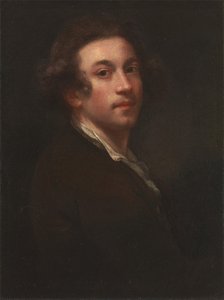
Сержай Рейнольдс
1723 - 1792 , Великобританія
Довідкова інформація
- Artistic Movement Or Style: Великий стиль портретної живопису
- Artists Or Movements Influenced By This Artist: ['Томас Худсон']
- Artists Who Influenced This Artist: ['Томас Гадсон']
- Date Of Birth: 1723
- Date Of Death: 1792
- Full Name: Sir Joshua Reynolds
- Nationality: Британський
- Notable Artworks:
- Портрет герцога Девоншира
- Сімейство Ліндоувів
- Портрет Джона Гейза…
- Place Of Birth: Плімут, Великобританія
Схожі статті
Топ-25 шедеврів Джошуа Рейнольдса: портрети епохи та розкіш для вашого дому
Відкрийте для себе 25 найкращих шедеврів Джошуа Рейнольдса! Портрети епохи Просвітництва, бароко та рококо. Історія мистецтва, техніка живопису та розкішний декор дому на OriginalUniqueArt.com. Дослідіть повну колекцію онлайн!
Mastering the Light: An Art Historian's Guide to the Grand Style of Sir Joshua Reynolds
Explore the luminous legacy of Sir Joshua Reynolds. Discover how the master of the 'Grand Style' used dramatic light and classical elegance to define 18th-century British portraiture in this expert art history guide for collectors and enthusiasts.
Sir Joshua Reynolds: Shaping British Art Through Grand Style & Societal Portraiture
Explore the life & work of Sir Joshua Reynolds, a master of British portraiture and founder of the Royal Academy. Discover his 'Grand Style,' techniques, and lasting influence on art history. Learn more at OriginalUniqueArt.
Топ-25 шедеврів Британського музею: мистецтво для вашого дому від OriginalUniqueArt
Відкрийте для себе 25 шедеврів Британського музею! Історія мистецтва, відомі художники та неймовірні техніки. Купіть репродукції картин онлайн на OriginalUniqueArt – розкішний декор для вашого дому. Дослідіть колекцію!

Thomas H. Shepherd: Capturing Victorian London's Essence Through Topographical Precision
Explore the exquisite topographical paintings of Thomas H. Shepherd, renowned for his detailed depictions of Victorian London and beyond. Discover his legacy & artistic techniques.