Переглянути в інтер'єрі
 Надіслати як листівку
 Поділитися
 Детальніше

 Завантажити
 Схожі експонати
 Рентгенівське дослідження
 Слайд-шоу
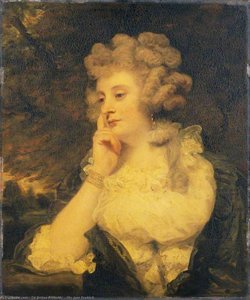
Mrs Angelo
 Acrylic On Canvas
- WallArt
- Baroque
 1760
1760 56.0 x 45.0 cm
 Фитцвільямський коледж
 Читати далі
Гікле / Художній принт
Музейна якість друку جيкле або на полотні з оперативним виготовленням та різноманітними варіантами фінішної обробки. ( Замовити репродукцію ручної роботи Купити цифрове зображення)




P118B $10

P118H $10

P118W $10

P438Z $10

P508JH $12

P508YH $12

P805H $10

P805Z $10

P919BZ $10

P919G $10

P919XJ $10

P959ZH $10

P968JZ $12

W106C $8

W218G $10

W218JH $8

W218Y $10

W307PJ $10

W316G $10

W316PJ $8

W316Y $10

W398PJ $8

W4111J $10

W500HY $15

W500JH $15

W692G $12

W849H $8

W940BG $15

W953PJ $8




Обирайте з наших стандартних розмірів, що відповідають оригінальним пропорціям твору мистецтва.

Ви можете вказати власні розміри, щоб репродукція ідеально підійшла до конкретної рами або інтер'єру. Якщо обраний вами розмір не відповідає пропорціям оригіналу, ми або обріжемо полотно, або розширимо зображення за допомогою дзеркального відображення чи суцільної заливки країв. Перед початком виробництва вам буде надіслано цифровий макет для затвердження.
Будь ласка, зверніть увагу, що попередній перегляд на екрані не відображає фактичне обрізання або розширення. Тільки макет точно покаже фінальну композицію.
Хоча можливість замовлення індивідуальних розмірів доступна, ми рекомендуємо обирати формат із попередньо визначеного списку, щоб зберегти оригінальні пропорції.
Доставка по всьому світу () за 2 тижні замість стандартних 4/5 тижнів. (18 Серпень)

Безкоштовна експрес-доставка по всьому світу

Високоякісне лляне полотно

Повне страхове покриття доставки

Гарантія відшкодування митних зборів

Гарантія точного відтворення кольорів

Політика повернення протягом 60 днів (лише у разі виявлення дефектів)

Гарантія повернення 100% коштів

Пропозиція на оптові замовлення
 Скляний варіант доступний лише для розмірів до 110 см

Mrs Angelo
Гікле / Художній принт
Розмір репродукції
-


Підсумкова вартість
$ 80
Опис експоната
Mrs Angelo: A Portrait of Elegance Defined by Reynolds’ Grand Style
Sir Joshua Reynolds, born in Plymouth in 1723, stands as a monumental figure within the burgeoning landscape of Enlightenment Britain. His formative years were shaped by a father deeply invested in intellectual pursuits—a lineage that instilled in young Joshua an unwavering passion for learning and artistic exploration. This early influence would prove pivotal, steering him away from purely academic endeavors toward a vocation inextricably linked with visual representation: portraiture. Recognizing his innate talent, Reynolds secured an apprenticeship with Thomas Hudson in London at seventeen, immersing himself within the vibrant milieu of fashionable society—a studio that served as both training ground and incubator for artistic vision. Hudson’s establishment wasn't merely about mastering brushstrokes; it was about absorbing the ethos of aristocratic patronage, shaping Reynolds’ understanding of his audience and informing the very essence of his artistic practice. He sought to transcend mere likeness, striving instead to embody the spirit of his subject—a goal reflected in his masterful application of the ‘Grand Style,’ a technique characterized by meticulous detail, luminous coloration, and an idealized depiction of human form.- Subject Matter: The portrait captures Mrs Angelo, a woman whose serene countenance embodies grace and composure. Her gaze directs outwards, conveying confidence and intelligence—traits meticulously rendered by Reynolds’ hand.
- Style & Technique: Reynolds' signature ‘Grand Style’ is evident throughout the composition. He employs glazing techniques to achieve unparalleled luminosity, layering translucent washes of color over underpaintings to create depth and vibrancy. The subtle modeling of flesh tones contributes to a palpable sense of realism while simultaneously elevating the image beyond mere representation.
- Historical Context: Executed circa 1760, Mrs Angelo exemplifies the prevailing artistic sensibilities of the period—a fascination with classical ideals combined with an acute awareness of social hierarchy. Reynolds’ portraits were commissioned by wealthy aristocrats eager to secure their legacy through visual commemoration, reflecting the values and aspirations of the era.
- Symbolism: The necklace and earrings adorning Mrs Angelo serve as emblems of status and refinement—symbols that underscore the sitter's position within society. Furthermore, the carefully chosen pose conveys dignity and poise, reinforcing Reynolds’ intention to portray his subject as embodying noble virtues.
Further Exploration
For deeper insights into Mrs Angelo and Sir Joshua Reynolds’ oeuvre, consult resources such as Art UK (Біографія митця
A Luminary of the Enlightenment: The Life and Art of Sir Joshua Reynolds
Sir Joshua Reynolds, born in 1723 in the charming Devonshire town of Plympton, emerged as a towering figure during a period of profound cultural transformation in Britain. His father, Reverend Samuel Reynolds, instilled within him a deep appreciation for learning and intellectual pursuits, initially guiding young Joshua towards a scholarly path. However, an undeniable passion for art soon ignited, leading to his apprenticeship with Thomas Hudson in London at the tender age of seventeen. This formative experience provided Reynolds with a solid foundation in portraiture—a genre that would ultimately define his illustrious career and become synonymous with his name. Hudson’s studio was a vibrant hub of fashionable society, exposing Reynolds not only to the intricacies of technique but also to the demanding expectations of aristocratic patrons, shaping his understanding of the social landscape he would so masterfully depict. It wasn't merely about capturing likeness; it was about constructing an image that reflected status, taste, and aspiration—a carefully orchestrated representation of a person’s entire world.Forging a ‘Grand Style’ for British Portraiture
Reynolds didn’t simply mimic the techniques he learned from Hudson; instead, he embarked on a journey of artistic exploration, fueled by a profound admiration for the Old Masters – particularly Raphael, Michelangelo, and Titian. A pivotal moment in his development occurred during a sojourn to Rome in 1750. There, immersed in classical art and absorbing the principles of the ‘Grand Style’—an approach that prioritized idealized beauty, dramatic composition, and historical or mythological allusions—Reynolds fundamentally reshaped his artistic vision. Upon returning to England, he sought to elevate British portraiture beyond mere representation, imbuing it with a sense of dignity, intellectual weight, and an air of timelessness previously unseen. He believed that portraits should transcend the simple recording of physical appearances, delving into the sitter’s character, social standing, and inner life. This ambitious goal led him to incorporate elements of history painting—often depicting his subjects in elaborate costumes or staged settings reminiscent of classical narratives—into his portraiture, creating works that were both visually stunning and intellectually stimulating. He wasn't merely painting *people*; he was crafting enduring images of power, intellect, and refinement – a reflection of the era’s most prominent figures.The First President and Champion of the Royal Academy
Reynolds’ influence extended far beyond his own canvas. In 1768, he played a crucial role in establishing the Royal Academy of Arts—a groundbreaking institution dedicated to fostering artistic talent and promoting national identity. He was unanimously elected its first president—a position he held with unwavering dedication until his death in 1792. This appointment marked a watershed moment for British art, elevating it to a new level of prestige and recognition. Reynolds tirelessly advocated for the importance of art education, championed the professionalization of artists, and fostered a vibrant community of creative minds. His annual Discourses—lectures delivered to Academy students—became seminal texts on artistic theory and practice, outlining his vision for a distinctly British school of painting rooted in both tradition and innovation. He stressed the importance of meticulous observation of nature, mastery of technique, and cultivating an imaginative spirit, urging artists to strive for originality while remaining grounded in the rich heritage of Western art. Reynolds’ leadership transformed the landscape of British art, elevating its status and laying the foundation for future generations of artistic brilliance.Capturing an Era: Notable Works and Enduring Legacy
Reynolds' prolific output encompassed portraits of some of the most prominent figures of 18th-century Britain—members of the aristocracy, literary luminaries, military heroes, and even members of the royal family. His portrait of Duke of Devonshire, for example, exudes an air of aristocratic power and sophistication, while his depiction of *Peter Darnell Muilman, Charles Crokatt and William Keable in a Landscape* showcases his remarkable ability to seamlessly integrate figures into natural settings—a technique that added depth and dynamism to his compositions. Mr and Mrs William Lindow is another compelling example of his skill in capturing the intimacy and social dynamics of family life, revealing subtle nuances of emotion and interaction. Beyond individual portraits, Reynolds excelled at group compositions, skillfully arranging multiple figures within a single frame to create dynamic and engaging narratives—a testament to his compositional mastery. His works weren’t simply about technical proficiency; they were about storytelling—about conveying the essence of an era through carefully constructed images that resonated with both beauty and intellectual depth. Reynolds' impact on British art is immeasurable. He not only established portraiture as a respected genre but also profoundly shaped the cultural identity of a nation undergoing rapid social and political change. His emphasis on the ‘Grand Style’ inspired generations of artists, while his leadership of the Royal Academy laid the groundwork for the development of a thriving artistic community. Today, his paintings continue to captivate audiences with their elegance, psychological depth, and historical significance—a testament to the enduring power of his vision and artistry. His works are proudly displayed in prestigious collections worldwide, including the Tate Britain in London and the Royal Collection at Hampton Court Palace, ensuring that his legacy will continue to inspire and inform for centuries to come.Key Influences and Artistic Techniques
Reynolds’ artistic development was profoundly influenced by a diverse range of sources. He deeply admired the works of Raphael, Michelangelo, and Titian—the titans of the Renaissance—and sought to emulate their mastery of composition, color, and anatomical accuracy. The influence of Rembrandt is particularly evident in his use of dramatic lighting and chiaroscuro (the contrast between light and dark), which he employed to create a sense of depth and psychological intensity within his portraits. Furthermore, Reynolds studied the works of Van Dyck, the court painter to James I and Charles I, whose elegant style and ability to capture the personality of his sitters served as a model for Reynolds’ own approach. He was also influenced by classical sculpture and architecture, incorporating elements of these forms into his compositions—particularly in the arrangement of figures and the use of drapery. His technical skills were honed through years of diligent practice, characterized by meticulous attention to detail, precise brushwork, and a masterful understanding of color theory.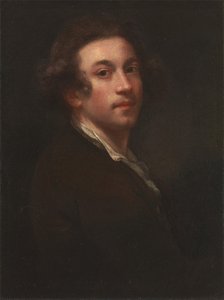
Сержай Рейнольдс
1723 - 1792 , Великобританія
Короткі факти
- Artistic Movement Or Style: Великий стиль портретної живопису
- Artists Or Movements Influenced By This Artist: ['Томас Худсон']
- Artists Who Influenced This Artist: ['Томас Гадсон']
- Date Of Birth: 1723
- Date Of Death: 1792
- Full Name: Sir Joshua Reynolds
- Nationality: Британський
- Notable Artworks:
- Портрет герцога Девоншира
- Сімейство Ліндоувів
- Портрет Джона Гейза…
- Place Of Birth: Плімут, Великобританія
Пов'язані статті
Топ-25 шедеврів Джошуа Рейнольдса: портрети епохи та розкіш для вашого дому
Відкрийте для себе 25 найкращих шедеврів Джошуа Рейнольдса! Портрети епохи Просвітництва, бароко та рококо. Історія мистецтва, техніка живопису та розкішний декор дому на OriginalUniqueArt.com. Дослідіть повну колекцію онлайн!
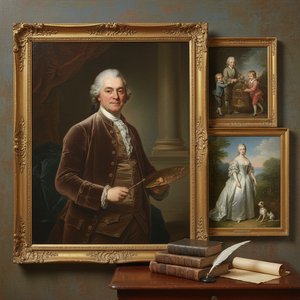
Sir Joshua Reynolds: Shaping British Art Through Grand Style & Societal Portraiture
Explore the life & work of Sir Joshua Reynolds, a master of British portraiture and founder of the Royal Academy. Discover his 'Grand Style,' techniques, and lasting influence on art history. Learn more at OriginalUniqueArt.
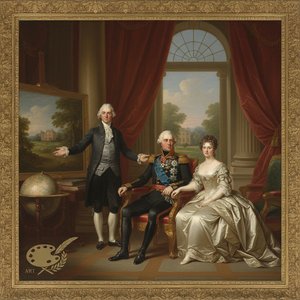
John Hoppner: Portraiture, Patronage & British Identity in the Late Georgian Era
Explore the life & work of John Hoppner, a leading Georgian portraitist. Discover his vibrant style, influential patrons, and lasting impact on British art history. Expert insights for collectors.

Reflecting Nobility & Nuance: 18th-Century Portraiture as a Window into Societal Values
Explore the world of 18th-century portraiture with OriginalUniqueArt. Discover symbolism, artistic innovation & societal values reflected in masterpieces by Reynolds, Hogarth & more. Expert insights for collectors.
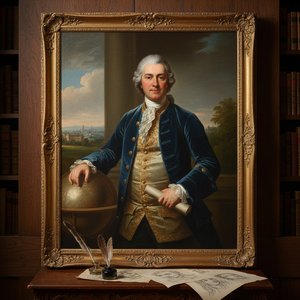
Thomas Hudson: A Study in 18th-Century Portraiture & British Artistic Identity
Explore the life & work of Thomas Hudson, a leading 18th-century British portraitist. Discover his mastery of the 'Grand Manner,' influential style, and lasting impact on British art. Learn about his notable portraits like Judge William Noel & Alexander Van Aken.