

 Переглянути в інтер'єрі
 Надіслати
 Поділитися
 Деталі
 Посібник

 Завантажити
 Схожі предмети колекціонування
 Рентгенівське дослідження
 Слайд-шоу
 Статистика переглядів
Winter, Castle House
 Oil On Canvas
- WallArt
- Impressionistic Landscape
 64.0 x 76.0 cm
 The Munnings Art Museum
 Читати далі
Гікле / Художній принт
Музейна якість друку جيкле або на полотні з оперативним виготовленням та різноманітними варіантами фінішної обробки. ( Купити картину ручної роботи Перейти до цифрових зображень)




P118B $10

P118H $10

P118W $10

P438Z $10

P508JH $12

P508YH $12

P805H $10

P805Z $10

P919BZ $10

P919G $10

P919XJ $10

P959ZH $10

P968JZ $12

W106C $8

W218G $10

W218JH $8

W218Y $10

W307PJ $10

W316G $10

W316PJ $8

W316Y $10

W398PJ $8

W4111J $10

W500HY $15

W500JH $15

W692G $12

W849H $8

W940BG $15

W953PJ $8




Обирайте з наших стандартних розмірів, що відповідають оригінальним пропорціям твору мистецтва.

Ви можете вказати власні розміри, щоб репродукція ідеально підійшла до конкретної рами або інтер'єру. Якщо обраний вами розмір не відповідає пропорціям оригіналу, ми або обріжемо полотно, або розширимо зображення за допомогою дзеркального відображення чи суцільної заливки країв. Перед початком виробництва вам буде надіслано цифровий макет для затвердження.
Будь ласка, зверніть увагу, що попередній перегляд на екрані не відображає фактичне обрізання або розширення. Тільки макет точно покаже фінальну композицію.
Хоча можливість замовлення індивідуальних розмірів доступна, ми рекомендуємо обирати формат із попередньо визначеного списку, щоб зберегти оригінальні пропорції.
Доставка по всьому світу () за 2 тижні замість стандартних 4/5 тижнів. (26 Вересень)

Безкоштовна експрес-доставка по всьому світу

Високоякісне лляне полотно

Повне страхове покриття доставки

Гарантія повернення митних зборів

Гарантія точного відтворення кольорів

Політика повернення протягом 100 днів (лише у разі виявлення дефектів)

Гарантія повернення 100% коштів

Знижка на оптові замовлення
 Скляний варіант доступний лише для розмірів до 110 см

Winter, Castle House
Гікле / Художній принт
Розмір репродукції
-


Загальна вартість
$ 80
A Winter’s Embrace: Sir Alfred Munnings' "Winter, Castle House"
Sir Alfred James Munnings’ “Winter, Castle House” isn’t merely a depiction of a snowy landscape; it’s a profound distillation of the English countryside at its most austere and beautiful. Painted in 1945, during the twilight years of World War II, this oil on canvas captures a moment of quietude amidst a world profoundly altered by conflict, offering a poignant reflection on resilience, tradition, and the enduring connection between humanity and nature. Munnings, a master of capturing the essence of equine life and rural England, elevates this winter scene to an experience—a visual poem that speaks volumes without uttering a single word.
The painting unfolds within the familiar setting of Castle House, Munnings’ beloved estate in Dedham, Essex. The house itself, partially obscured by a veil of snow, acts as a grounding element, anchoring the viewer to this specific place and time. Beyond its walls stretches a vast field, blanketed in pristine white, punctuated by the skeletal branches of bare trees – symbols of endurance and quiet strength against the harsh winter elements. A meandering stream cuts through the landscape, reflecting the muted light and adding a sense of movement and life to the otherwise static scene. The distant building, glimpsed through the falling snow, hints at human presence, a subtle reminder of civilization nestled within this wild expanse.
Impressionistic Technique & Evocative Color
Munnings’ signature style is immediately apparent in “Winter, Castle House.” He employs loose, expressive brushstrokes—a hallmark of the Impressionist movement—to create a sense of atmosphere and immediacy. The paint isn't meticulously blended; instead, it’s applied with visible energy, capturing the fleeting effects of light and shadow on the snow-covered landscape. Notice how he uses short, broken strokes to depict the texture of the drifts, conveying their softness and depth. The color palette is deliberately restrained—a symphony of cool greys, whites, and browns—that evokes the stark beauty of a winter’s day. Subtle touches of red peek through from distant structures, adding warmth and visual interest without disrupting the overall mood.
The artist masterfully utilizes light to create depth and drama. The overcast sky casts a diffused glow over the scene, eliminating harsh shadows and lending an ethereal quality to the landscape. This soft illumination emphasizes the textures of the snow, trees, and stream, inviting the viewer to lose themselves in the details. Munnings’ skillful handling of color and brushwork transforms a simple winter landscape into a richly layered and emotionally resonant work of art.
Symbolism & The Weight of History
“Winter, Castle House” is imbued with layers of symbolism that resonate deeply beyond its picturesque subject matter. The snow itself represents both hardship and purity—a blank slate upon which the past can be forgotten or a reminder of the challenges faced by those who endure it. The bare trees stand as emblems of resilience, their branches reaching towards the sky like silent witnesses to the passage of time. The stream, flowing steadily onward, symbolizes the continuity of life amidst adversity.
Painted in 1945, shortly after the end of World War II, the painting carries a poignant weight of history. Munnings’ experiences as a war artist profoundly shaped his perspective, and this work reflects that experience. The quietude of the scene offers a welcome respite from the horrors of conflict, suggesting a yearning for peace and stability. It's a testament to the enduring spirit of England—a nation scarred by war but determined to rebuild and preserve its traditions.
A Legacy of Rural Beauty
Sir Alfred Munnings’ “Winter, Castle House” is more than just a beautiful painting; it’s a window into a vanishing world. It captures the essence of rural England—its landscapes, its people, and its way of life—with remarkable sensitivity and skill. Today, the painting resides in The Munnings Art Museum, offering visitors a chance to experience the magic of Munnings' vision firsthand. Reproductions of this iconic work continue to inspire art lovers and interior designers alike, bringing a touch of timeless beauty and quiet contemplation into homes around the world.
Біографія митця
A Life Immersed in Equine Grace
Sir Alfred James Munnings, a name inextricably linked to the vibrant depiction of horses and the romantic allure of rural England, occupies a pivotal position within 20th-century British art. Born in 1878 amidst the rolling landscapes of Suffolk, his life was profoundly shaped by an enduring connection with the equine world – a bond that would define his artistic vision and propel him to prominence. Munnings wasn’t simply recording what he saw; he was preserving a feeling, an atmosphere, a world poised on the brink of irreversible change. He captured a vanishing way of life, a keenly observed portrait of Britain steeped in tradition, hunting, and the rhythms of the countryside. His early works often depicted rural scenes, particularly those featuring gypsies and horses roaming the Suffolk countryside, imbued with a romantic sensibility that showcased his growing mastery of color and light. These paintings weren’t merely representations; they were expressions of a deep affection for the land and its inhabitants.From Rural Beginnings to Artistic Development
Munnings’s artistic journey began not within the formal confines of an academy, but in the practical world of a Norwich printing house. This apprenticeship honed his skills in design and observation while simultaneously allowing him to pursue studies at the Norwich School of Art. It was a formative period, instilling a discipline that would serve him well as he navigated the challenges of establishing himself as an artist. Early influences included the plein air painters of the Newlyn School in Cornwall, where he embraced their commitment to capturing light and atmosphere directly from nature. This immersion in Impressionistic techniques laid the groundwork for his signature style – loose brushwork, a vibrant palette, and a palpable sense of movement. He was particularly drawn to the work of Henri Edmond Cross and Frank Bramley, whose depictions of Cornish fishing boats and coastal scenes influenced his early approach to color and composition. Munnings’s initial subjects were often humble: rural laborers, market scenes, and glimpses into the lives of traveling communities – all rendered with a warmth and empathy that resonated deeply with viewers.War, Recognition, and a Champion of Tradition
The First World War profoundly shaped both Munnings's artistic perspective and his public profile. Though initially deemed unfit for combat due to a persistent eye condition, he was nonetheless assigned the vital task of documenting the actions of the Canadian Cavalry Brigade in France. This experience brought him face-to-face with the harsh realities of war – the suffering, the loss, and the enduring bond between humans and animals. His paintings from this period are not glorifications of battle, but poignant reflections on sacrifice and resilience, capturing a somber beauty amidst devastation. The images he produced during the conflict were widely exhibited and celebrated for their honesty and emotional depth. Following the war, Munnings’s popularity soared, fueled by his wartime service and his increasingly sophisticated artistic style. He received numerous commissions from wealthy patrons, including members of the Royal Family, and established himself as one of Britain's leading sporting artists. However, Munnings was also a staunch defender of traditional artistic values, often expressing his disapproval of what he perceived as the excesses of modernism.A Controversial Voice and Enduring Legacy
Munnings’s artistic philosophy was deeply rooted in tradition, and he became a vocal critic of the burgeoning modernist movements that were challenging conventional notions of art. His famous – and often controversial – 1949 BBC radio broadcast saw him launch a scathing attack on Cubism and Surrealism, delivered with characteristic candor (and reportedly fueled by alcohol). While his remarks sparked outrage among proponents of modern art, they also resonated with those who valued representational painting and the enduring power of artistic skill. He wasn’t simply resisting change for its own sake; he believed in the importance of preserving artistic standards and celebrating beauty in its traditional forms. This conviction culminated in his election as President of the Royal Academy in 1944, a position he held until 1949, solidifying his status within the British art establishment. He was knighted Bachelor in 1944 and appointed a Knight Commander of the Royal Victorian Order in 1947, further acknowledging his contributions to the nation’s cultural life. Sir Alfred James Munnings left behind a vast and compelling body of work that continues to captivate audiences today. His paintings offer a window into a bygone era – a world of horses, hunting, and rural landscapes that has largely disappeared. The Munnings Art Museum, established by his wife Violet at Castle House, serves as a testament to his enduring legacy, preserving his art and providing a space for future generations to appreciate his unique vision. Beyond the technical brilliance of his paintings, it is Munnings’s ability to evoke emotion that truly sets him apart. He captured not just the physical beauty of horses, but also their spirit, their power, and their connection to the human heart. His work remains a powerful reminder of the enduring appeal of representational painting and the importance of preserving artistic traditions in an ever-changing world.Major Achievements
- Royal Academy President: Elected President of the Royal Academy in 1944, serving until 1949.
- Knighthood: Knighted Bachelor in 1944 and appointed a Knight Commander of the Royal Victorian Order in 1947.
- War Artist Commissions: Recognized for his work documenting the Canadian Cavalry during WWI.
- Sculptural Work: Created sculptures, including an equestrian statue of Edward Horner.
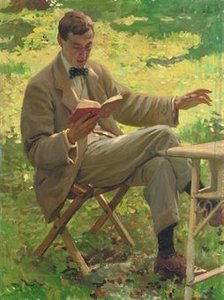
Сержай Альфред М’Нінгс
1878 - 1959 , Великобританія
Довідкова інформація
- Artistic Movement Or Style: Імпресіонізм
- Artists Or Movements Influenced By This Artist: ['Модернізм']
- Artists Who Influenced This Artist: ['Новийнська школа']
- Date Of Birth: 8 жовтня 1878
- Date Of Death: 17 липня 1959
- Full Name: Sir Alfred James Munnings
- Nationality: Британський
- Notable Artworks:
- The Fancy Dress Ball
- A Piper
- Place Of Birth: Мendham, Великобританія
Схожі статті

Evocations of Place: A Historical Journey Through Landscape Art
Explore the rich history of landscape art with OriginalUniqueArt. Discover renowned artists, movements like Impressionism & Romanticism, and expert guidance for collecting timeless pieces. Find your perfect serene escape today!

Джеймс Ебботт МакНейл Вістлер: 25 шедеврів імпресіонізму для вашого дому | OriginalUniqueArt
Відкрийте 25 шедеврів Джеймса Вістлера – імпресіонізм, портрети та нічні сцени. Історія мистецтва, техніки живопису та натхнення для декору вашого дому від OriginalUniqueArt. Дослідіть колекцію онлайн!

Топ-25 шедеврів Альфреда Джеймса Міннінгса: мистецтво коней та англійської глибинки | OriginalUniqueArt
Відкрийте 25 найкращих картин Альфреда Джеймса Міннінгса! Дослідіть шедеври англійського імпресіонізму, мистецтво коней та пейзажі Англії. Купуйте репродукції високої якості для вашого дому на OriginalUniqueArt.com.

Топ-25 шедеврів Джона Констебла: пейзажі Англії для вашого дому | OriginalUniqueArt
Відкрийте для себе 25 найкращих шедеврів Джона Констебла! Англійські пейзажі, романтизм та емоційне світло в живописі. Репродукції картин високої якості для вашого дому від OriginalUniqueArt.com. Дослідіть повну колекцію онлайн!

Топ-10 шедеврів романтичного пейзажу: мистецтво, що захоплює дух | OriginalUniqueArt
Відкрийте для себе 10 шедеврів романтичного пейзажу! Каспар Давид Фрідріх, Тернер та інші майстри. Історія мистецтва, емоційні кольори природи та ідеї декору з OriginalUniqueArt.com. Дослідіть колекцію онлайн!


