

 Переглянути в інтер'єрі
 Надіслати
 Поділитися
 Деталі
 Посібник

 Завантажити
 Схожі предмети колекціонування
 Рентгенівське дослідження
 Слайд-шоу
 Статистика переглядів
Study at Horse Guards' Barracks
 Oil On Canvas
- WallArt
- Impressionistic Painting
 31.0 x 42.0 cm
 The Munnings Art Museum
 Читати далі
Гікле / Художній принт
Музейна якість друку جيкле або на полотні з оперативним виготовленням та різноманітними варіантами фінішної обробки. ( Купити картину ручної роботи Перейти до цифрових зображень)




P118B $10

P118H $10

P118W $10

P438Z $10

P508JH $12

P508YH $12

P805H $10

P805Z $10

P919BZ $10

P919G $10

P919XJ $10

P959ZH $10

P968JZ $12

W106C $8

W218G $10

W218JH $8

W218Y $10

W307PJ $10

W316G $10

W316PJ $8

W316Y $10

W398PJ $8

W4111J $10

W500HY $15

W500JH $15

W692G $12

W849H $8

W940BG $15

W953PJ $8




Обирайте з наших стандартних розмірів, що відповідають оригінальним пропорціям твору мистецтва.

Ви можете вказати власні розміри, щоб репродукція ідеально підійшла до конкретної рами або інтер'єру. Якщо обраний вами розмір не відповідає пропорціям оригіналу, ми або обріжемо полотно, або розширимо зображення за допомогою дзеркального відображення чи суцільної заливки країв. Перед початком виробництва вам буде надіслано цифровий макет для затвердження.
Будь ласка, зверніть увагу, що попередній перегляд на екрані не відображає фактичне обрізання або розширення. Тільки макет точно покаже фінальну композицію.
Хоча можливість замовлення індивідуальних розмірів доступна, ми рекомендуємо обирати формат із попередньо визначеного списку, щоб зберегти оригінальні пропорції.
Доставка по всьому світу () за 2 тижні замість стандартних 4/5 тижнів. (26 Вересень)

Безкоштовна експрес-доставка по всьому світу

Високоякісне лляне полотно

Повне страхове покриття доставки

Гарантія повернення митних зборів

Гарантія точного відтворення кольорів

Політика повернення протягом 100 днів (лише у разі виявлення дефектів)

Гарантія повернення 100% коштів

Знижка на оптові замовлення
 Скляний варіант доступний лише для розмірів до 110 см

Study at Horse Guards' Barracks
Гікле / Художній принт
Розмір репродукції
-


Загальна вартість
$ 80
A Study in Stone and Light: Munnings’s “Study at Horse Guards’ Barracks”
Sir Alfred James Munnings's "Study at Horse Guards’ Barracks" isn’t merely a depiction of an imposing archway; it’s a carefully constructed tableau brimming with the weight of history, tradition, and the quiet dignity of London’s ceremonial guard. Painted in 1922, this oil on canvas offers a glimpse into a vanishing world – the rigid formality of the British military establishment at a pivotal moment in its evolution. Munnings, renowned for his passionate portrayal of horses and rural England, here masterfully captures not just the physical structure but also the atmosphere surrounding Horse Guards’ Barracks, a landmark inextricably linked to the pomp and circumstance of royal life. The painting speaks volumes about the enduring power of institutions and the subtle shifts within them, all rendered with Munnings's signature loose brushwork and an almost palpable sense of light and shadow.Impressionistic Technique and the Capture of Atmosphere
Munnings’s approach to this subject is distinctly Impressionistic, a departure from the rigid academic styles prevalent at the time. He eschews precise detail in favor of capturing fleeting moments and conveying mood. Notice how he uses short, broken brushstrokes – particularly evident in the stonework – to suggest texture and depth rather than meticulously rendering every surface. The muted palette—a symphony of greys, browns, and subtle blues—further enhances this atmospheric effect. The diffused light, seemingly filtering through a cloudy sky, casts long shadows that accentuate the building’s solidity while simultaneously creating an air of contemplative stillness. This deliberate blurring of lines and colors is characteristic of Munnings's style, prioritizing feeling over photographic accuracy. He wasn’t aiming to create a perfect representation; he was striving to evoke a specific *impression* – the quiet grandeur and understated power of this historic location.A Window into a Changing Era
The painting’s historical context is crucial to understanding its deeper meaning. Horse Guards' Barracks, established in 1753, had long served as the headquarters for the King’s Guard, a role steeped in tradition and military prestige. However, by the early 20th century, the British Army was undergoing significant reforms, grappling with the realities of modern warfare and evolving social attitudes. Munnings's work subtly reflects this transition – the formality of the architecture juxtaposed with the slightly looser brushwork suggests a shift away from rigid adherence to tradition. The painting itself can be seen as a poignant reminder of a bygone era, capturing a moment before these traditions were irrevocably altered. It’s a visual testament to a world on the cusp of change, where ceremony and duty still held immense significance.Symbolism and Emotional Resonance
Beyond its architectural subject matter, “Study at Horse Guards’ Barracks” is rich in symbolic meaning. The imposing archway itself represents authority, stability, and the enduring legacy of the British monarchy. The muted colors contribute to a sense of solemnity and contemplation, inviting the viewer to reflect on the weight of history. The play of light and shadow creates an almost theatrical effect, as if the building is imbued with a quiet dignity. Furthermore, the painting’s composition—centered around the archway—draws the eye directly to this symbol of power, reinforcing its importance within the scene. The overall feeling isn't one of celebration or fanfare; rather, it’s a subtle appreciation for the enduring strength and understated beauty of an institution that has shaped British identity for centuries.A Reproduction Worth Cherishing
Today, OriginalUniqueArt offers exceptional reproductions of this captivating artwork, allowing you to bring its timeless elegance into your home or office. Unlike standard prints, our high-resolution digital images are meticulously enhanced using advanced AI tools and manual retouching, ensuring unparalleled clarity, color accuracy, and fine detail. The result is a reproduction that faithfully captures Munnings’s artistic vision while exceeding the quality of the original. Consider this artwork not just as a decorative piece but as a window into British history and a testament to the enduring power of art to capture both the grandeur and the quiet beauty of our world.Біографія митця
A Life Immersed in Equine Grace
Sir Alfred James Munnings, a name inextricably linked to the vibrant depiction of horses and the romantic allure of rural England, occupies a pivotal position within 20th-century British art. Born in 1878 amidst the rolling landscapes of Suffolk, his life was profoundly shaped by an enduring connection with the equine world – a bond that would define his artistic vision and propel him to prominence. Munnings wasn’t simply recording what he saw; he was preserving a feeling, an atmosphere, a world poised on the brink of irreversible change. He captured a vanishing way of life, a keenly observed portrait of Britain steeped in tradition, hunting, and the rhythms of the countryside. His early works often depicted rural scenes, particularly those featuring gypsies and horses roaming the Suffolk countryside, imbued with a romantic sensibility that showcased his growing mastery of color and light. These paintings weren’t merely representations; they were expressions of a deep affection for the land and its inhabitants.From Rural Beginnings to Artistic Development
Munnings’s artistic journey began not within the formal confines of an academy, but in the practical world of a Norwich printing house. This apprenticeship honed his skills in design and observation while simultaneously allowing him to pursue studies at the Norwich School of Art. It was a formative period, instilling a discipline that would serve him well as he navigated the challenges of establishing himself as an artist. Early influences included the plein air painters of the Newlyn School in Cornwall, where he embraced their commitment to capturing light and atmosphere directly from nature. This immersion in Impressionistic techniques laid the groundwork for his signature style – loose brushwork, a vibrant palette, and a palpable sense of movement. He was particularly drawn to the work of Henri Edmond Cross and Frank Bramley, whose depictions of Cornish fishing boats and coastal scenes influenced his early approach to color and composition. Munnings’s initial subjects were often humble: rural laborers, market scenes, and glimpses into the lives of traveling communities – all rendered with a warmth and empathy that resonated deeply with viewers.War, Recognition, and a Champion of Tradition
The First World War profoundly shaped both Munnings's artistic perspective and his public profile. Though initially deemed unfit for combat due to a persistent eye condition, he was nonetheless assigned the vital task of documenting the actions of the Canadian Cavalry Brigade in France. This experience brought him face-to-face with the harsh realities of war – the suffering, the loss, and the enduring bond between humans and animals. His paintings from this period are not glorifications of battle, but poignant reflections on sacrifice and resilience, capturing a somber beauty amidst devastation. The images he produced during the conflict were widely exhibited and celebrated for their honesty and emotional depth. Following the war, Munnings’s popularity soared, fueled by his wartime service and his increasingly sophisticated artistic style. He received numerous commissions from wealthy patrons, including members of the Royal Family, and established himself as one of Britain's leading sporting artists. However, Munnings was also a staunch defender of traditional artistic values, often expressing his disapproval of what he perceived as the excesses of modernism.A Controversial Voice and Enduring Legacy
Munnings’s artistic philosophy was deeply rooted in tradition, and he became a vocal critic of the burgeoning modernist movements that were challenging conventional notions of art. His famous – and often controversial – 1949 BBC radio broadcast saw him launch a scathing attack on Cubism and Surrealism, delivered with characteristic candor (and reportedly fueled by alcohol). While his remarks sparked outrage among proponents of modern art, they also resonated with those who valued representational painting and the enduring power of artistic skill. He wasn’t simply resisting change for its own sake; he believed in the importance of preserving artistic standards and celebrating beauty in its traditional forms. This conviction culminated in his election as President of the Royal Academy in 1944, a position he held until 1949, solidifying his status within the British art establishment. He was knighted Bachelor in 1944 and appointed a Knight Commander of the Royal Victorian Order in 1947, further acknowledging his contributions to the nation’s cultural life. Sir Alfred James Munnings left behind a vast and compelling body of work that continues to captivate audiences today. His paintings offer a window into a bygone era – a world of horses, hunting, and rural landscapes that has largely disappeared. The Munnings Art Museum, established by his wife Violet at Castle House, serves as a testament to his enduring legacy, preserving his art and providing a space for future generations to appreciate his unique vision. Beyond the technical brilliance of his paintings, it is Munnings’s ability to evoke emotion that truly sets him apart. He captured not just the physical beauty of horses, but also their spirit, their power, and their connection to the human heart. His work remains a powerful reminder of the enduring appeal of representational painting and the importance of preserving artistic traditions in an ever-changing world.Major Achievements
- Royal Academy President: Elected President of the Royal Academy in 1944, serving until 1949.
- Knighthood: Knighted Bachelor in 1944 and appointed a Knight Commander of the Royal Victorian Order in 1947.
- War Artist Commissions: Recognized for his work documenting the Canadian Cavalry during WWI.
- Sculptural Work: Created sculptures, including an equestrian statue of Edward Horner.
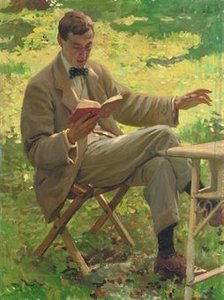
Сержай Альфред М’Нінгс
1878 - 1959 , Великобританія
Довідкова інформація
- Artistic Movement Or Style: Імпресіонізм
- Artists Or Movements Influenced By This Artist: ['Модернізм']
- Artists Who Influenced This Artist: ['Новийнська школа']
- Date Of Birth: 8 жовтня 1878
- Date Of Death: 17 липня 1959
- Full Name: Sir Alfred James Munnings
- Nationality: Британський
- Notable Artworks:
- The Fancy Dress Ball
- A Piper
- Place Of Birth: Мendham, Великобританія
Схожі статті

Capturing Motion: The Timeless Beauty of Sir Alfred James Munnings' Equestrian Masterpieces
Discover the breathtaking equestrian mastery of Sir Alfred James Munnings. Explore an art-history journey through his impressionistic captures of motion, light, and rural elegance, perfect for the discerning classic art enthusiast and collector.
Timeless Elegance: A Visual Journey Through the Romance of Horse Carriage Artworks
Embark on a visual journey through the romantic world of horse carriage art. Discover the mastery of equestrian oil paintings, from Impressionist textures to classical realism, and learn how to bring timeless elegance into your home with museum-quality reproductions.

Топ-25 шедеврів Альфреда Джеймса Міннінгса: мистецтво коней та англійської глибинки | OriginalUniqueArt
Відкрийте 25 найкращих картин Альфреда Джеймса Міннінгса! Дослідіть шедеври англійського імпресіонізму, мистецтво коней та пейзажі Англії. Купуйте репродукції високої якості для вашого дому на OriginalUniqueArt.com.
The Noble Steed on Canvas: A Historical & Artistic Exploration of Horse Painting Across Cultures
Explore the rich history of horse painting! Discover masterpieces from Stubbs to Munnings & learn about symbolism, techniques & artists. Find museum-quality reproductions at OriginalUniqueArt.

Джеймс Ебботт МакНейл Вістлер: 25 шедеврів імпресіонізму для вашого дому | OriginalUniqueArt
Відкрийте 25 шедеврів Джеймса Вістлера – імпресіонізм, портрети та нічні сцени. Історія мистецтва, техніки живопису та натхнення для декору вашого дому від OriginalUniqueArt. Дослідіть колекцію онлайн!


