

 Переглянути в інтер'єрі
 Надіслати
 Поділитися
 Деталі
 Посібник

 Завантажити
 Схожі предмети колекціонування
 Рентгенівське дослідження
 Слайд-шоу
 Статистика переглядів
Landscape Study


 Читати далі
Мистецький твір, представлений на цій сторінці, захищений законом про авторське право, що унеможливлює легальне створення або продаж його ідентичної репродукції. Цей захист забезпечується відповідно до міжнародних угод, таких як Бернська конвенція та національним законодавством, зокрема положеннями, що викладені в Законодавство США про авторське право — Розділ 17. Всі права захищені. Будь-яке використання без дозволу заборонено.
Цей метод повністю відповідає нормам авторського права, оскільки він не передбачає копіювання чи дублювання захищеного твору мистецтва. Натомість це творче переосмислення — створення нового малюнка під впливом оригіналу, який не є його точним відтворенням.
Гікле / Художній принт
Музейна якість друку جيкле або на полотні з оперативним виготовленням та різноманітними варіантами фінішної обробки. ( Купити картину ручної роботи Перейти до цифрових зображень)




P118B ₴10

P118H ₴10

P118W ₴10

P438Z ₴10

P508JH ₴12

P508YH ₴12

P805H ₴10

P805Z ₴10

P919BZ ₴10

P919G ₴10

P919XJ ₴10

P959ZH ₴10

P968JZ ₴12

W106C ₴8

W218G ₴10

W218JH ₴8

W218Y ₴10

W307PJ ₴10

W316G ₴10

W316PJ ₴8

W316Y ₴10

W398PJ ₴8

W4111J ₴10

W500HY ₴15

W500JH ₴15

W692G ₴12

W849H ₴8

W940BG ₴15

W953PJ ₴8




Обирайте з наших стандартних розмірів, що відповідають оригінальним пропорціям твору мистецтва.

Введіть необхідну ширину та висоту, щоб принт ідеально підійшов до вашої рами або стіни. Принт можна лише обрізати, але не можна зробити більшим за оригінал, тому при зміні пропорцій частина зображення буде втрачена. Перед друком ми надсилаємо вам цифровий макет для затвердження. Зображення на цій сторінці не відображає реальну обрізку — її можна побачити лише на макеті.
Доставка по всьому світу () за 2 тижні замість стандартних 4/5 тижнів. (23 Жовтень)

Безкоштовна експрес-доставка по всьому світу

Високоякісне лляне полотно

Повне страхове покриття доставки

Гарантія повернення митних зборів

Гарантія точного відтворення кольорів

Політика повернення протягом 100 днів (лише у разі виявлення дефектів)

Гарантія повернення 100% коштів

Знижка на оптові замовлення
 Скляний варіант доступний лише для розмірів до 110 см

Landscape Study
Гікле / Художній принт
Розмір репродукції
-


Загальна вартість
₴ 3589
An Impressionistic Whisper of the English Countryside
In this evocative Landscape Study, Sir Alfred James Munnings invites the viewer into a world where the boundaries between earth and sky dissolve into a poetic haze. The painting captures a moment of profound atmospheric stillness, presenting a rolling landscape that feels less like a literal depiction and more like a captured memory. Through loose, expressive brushstrokes, Munnings masterfully renders a scene dominated by horizontal bands of landforms that suggest the undulating rhythm of hills or mountains under an expansive, heavy sky. The composition possesses a beautiful, flattened perspective characteristic of the Impressionist tradition, prioritizing the emotional weight of the atmosphere over the rigid precision of topographical realism. It is a piece that does not merely show a place, but rather communicates the very breath of the landscape.
The technical execution of this study reveals the artist's profound command over light and texture. Utilizing what appears to be the rich, tactile medium of oil on a wooden panel, Munnings employs a palette that balances warmth with cool serenity. Deep oranges, burnt reds, and earthy browns define the contours of the terrain, creating a sense of groundedness and warmth, while these tones are brilliantly contrasted by the ethereal whites and soft blues of the sky and water. The visible, almost rugged texture of the paint adds a physical dimension to the work, where every stroke contributes to the movement within the scene—suggesting the gentle flow of water or the shifting of clouds. This tactile quality makes the artwork particularly captivating for collectors who appreciate the raw, energetic hand of the master artist.
Symbolism and the Spirit of Solitude
Beyond its aesthetic beauty, this landscape serves as a window into the contemplative spirit of the British countryside. Symbolically, the vastness of the composition evokes a sense of profound solitude and the sublime power of nature. There is a quiet dignity in the way the land sits beneath the weight of the overcast sky, suggesting a world that exists independently of human presence—a theme deeply resonant with Munnings's own connection to the rural rhythms of life. The painting captures a sense of tranquility that is both melancholic and comforting, making it an ideal centerpiece for spaces designed for reflection and peace.
For the discerning interior designer or art enthusiast, this reproduction offers more than just decoration; it provides an emotional anchor. Whether placed in a sunlit gallery or a moody, sophisticated study, the Landscape Study brings with it an aura of timelessness and historical depth. It is a work that speaks to the soul, offering a window into the vanishing, romanticized world of early 20th-century Britain, preserved forever through the expressive genius of Sir Alfred James Munnings.
Запитання та відповіді
Наскільки інтенсивними є кольори у творі «Landscape Study» Сержай Альфред М’Нінгс?
Насиченість кольорів у творі «Landscape Study» — Vivid. Насиченість описує, наскільки яскравими та виразними є кольори.
До якого періоду належить «Landscape Study» Сержай Альфред М’Нінгс?
«Landscape Study» Сержай Альфред М’Нінгс належить до періоду Modern. Цей період забезпечує історичний контекст твору.
Хто є автором твору "Landscape Study"?
«Landscape Study» приписують Сержай Альфред М’Нінгс.
Біографія митця
A Life Immersed in Equine Grace
Sir Alfred James Munnings, a name inextricably linked to the vibrant depiction of horses and the romantic allure of rural England, occupies a pivotal position within 20th-century British art. Born in 1878 amidst the rolling landscapes of Suffolk, his life was profoundly shaped by an enduring connection with the equine world – a bond that would define his artistic vision and propel him to prominence. Munnings wasn’t simply recording what he saw; he was preserving a feeling, an atmosphere, a world poised on the brink of irreversible change. He captured a vanishing way of life, a keenly observed portrait of Britain steeped in tradition, hunting, and the rhythms of the countryside. His early works often depicted rural scenes, particularly those featuring gypsies and horses roaming the Suffolk countryside, imbued with a romantic sensibility that showcased his growing mastery of color and light. These paintings weren’t merely representations; they were expressions of a deep affection for the land and its inhabitants.From Rural Beginnings to Artistic Development
Munnings’s artistic journey began not within the formal confines of an academy, but in the practical world of a Norwich printing house. This apprenticeship honed his skills in design and observation while simultaneously allowing him to pursue studies at the Norwich School of Art. It was a formative period, instilling a discipline that would serve him well as he navigated the challenges of establishing himself as an artist. Early influences included the plein air painters of the Newlyn School in Cornwall, where he embraced their commitment to capturing light and atmosphere directly from nature. This immersion in Impressionistic techniques laid the groundwork for his signature style – loose brushwork, a vibrant palette, and a palpable sense of movement. He was particularly drawn to the work of Henri Edmond Cross and Frank Bramley, whose depictions of Cornish fishing boats and coastal scenes influenced his early approach to color and composition. Munnings’s initial subjects were often humble: rural laborers, market scenes, and glimpses into the lives of traveling communities – all rendered with a warmth and empathy that resonated deeply with viewers.War, Recognition, and a Champion of Tradition
The First World War profoundly shaped both Munnings's artistic perspective and his public profile. Though initially deemed unfit for combat due to a persistent eye condition, he was nonetheless assigned the vital task of documenting the actions of the Canadian Cavalry Brigade in France. This experience brought him face-to-face with the harsh realities of war – the suffering, the loss, and the enduring bond between humans and animals. His paintings from this period are not glorifications of battle, but poignant reflections on sacrifice and resilience, capturing a somber beauty amidst devastation. The images he produced during the conflict were widely exhibited and celebrated for their honesty and emotional depth. Following the war, Munnings’s popularity soared, fueled by his wartime service and his increasingly sophisticated artistic style. He received numerous commissions from wealthy patrons, including members of the Royal Family, and established himself as one of Britain's leading sporting artists. However, Munnings was also a staunch defender of traditional artistic values, often expressing his disapproval of what he perceived as the excesses of modernism.A Controversial Voice and Enduring Legacy
Munnings’s artistic philosophy was deeply rooted in tradition, and he became a vocal critic of the burgeoning modernist movements that were challenging conventional notions of art. His famous – and often controversial – 1949 BBC radio broadcast saw him launch a scathing attack on Cubism and Surrealism, delivered with characteristic candor (and reportedly fueled by alcohol). While his remarks sparked outrage among proponents of modern art, they also resonated with those who valued representational painting and the enduring power of artistic skill. He wasn’t simply resisting change for its own sake; he believed in the importance of preserving artistic standards and celebrating beauty in its traditional forms. This conviction culminated in his election as President of the Royal Academy in 1944, a position he held until 1949, solidifying his status within the British art establishment. He was knighted Bachelor in 1944 and appointed a Knight Commander of the Royal Victorian Order in 1947, further acknowledging his contributions to the nation’s cultural life. Sir Alfred James Munnings left behind a vast and compelling body of work that continues to captivate audiences today. His paintings offer a window into a bygone era – a world of horses, hunting, and rural landscapes that has largely disappeared. The Munnings Art Museum, established by his wife Violet at Castle House, serves as a testament to his enduring legacy, preserving his art and providing a space for future generations to appreciate his unique vision. Beyond the technical brilliance of his paintings, it is Munnings’s ability to evoke emotion that truly sets him apart. He captured not just the physical beauty of horses, but also their spirit, their power, and their connection to the human heart. His work remains a powerful reminder of the enduring appeal of representational painting and the importance of preserving artistic traditions in an ever-changing world.Major Achievements
- Royal Academy President: Elected President of the Royal Academy in 1944, serving until 1949.
- Knighthood: Knighted Bachelor in 1944 and appointed a Knight Commander of the Royal Victorian Order in 1947.
- War Artist Commissions: Recognized for his work documenting the Canadian Cavalry during WWI.
- Sculptural Work: Created sculptures, including an equestrian statue of Edward Horner.
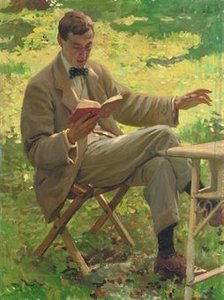
Сержай Альфред М’Нінгс
1878 - 1959 , Великобританія
Довідкова інформація
- Artistic Movement Or Style: Імпресіонізм
- Artists Or Movements Influenced By This Artist: ['Модернізм']
- Artists Who Influenced This Artist: ['Новийнська школа']
- Date Of Birth: 8 жовтня 1878
- Date Of Death: 17 липня 1959
- Full Name: Sir Alfred James Munnings
- Nationality: Британський
- Notable Artworks:
- The Fancy Dress Ball
- A Piper
- Place Of Birth: Мendham, Великобританія
Схожі статті

Топ-10 шедеврів імпресіонізму: пейзажі, що змінили світ мистецтва | OriginalUniqueArt
Відкрийте для себе 10 шедеврів імпресіонізму, що змінили пейзажне мистецтво! Дізнайтесь історії Моне, Ренуара та інших майстрів. Купіть репродукції картин високої якості на OriginalUniqueArt.com – музейне мистецтво для вашого дому.
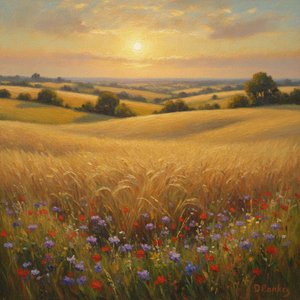
Golden Fields & Sun-Drenched Meadows: Capturing the Soul of Impressionist Landscapes
Immerse yourself in the luminous world of Impressionist landscapes. Discover how masters like Monet and Gauguin captured ephemeral light through plein air painting, and learn to bring the soul of sun-drenched meadows into your home with exquisite, hand-painted oil reproductions.

Beyond the Horizon: A Curated Guide to Integrating Post-Impressionist Landscapes into Modern Interiors
Transform your home with the emotive power of Post-Impressionist landscapes. Discover expert tips on selecting hand-painted oil reproductions to create a soulful, vibrant interior that reflects your unique style and connection to nature.

Топ-10 шедеврів імпресіонізму: пейзажі, що змінили мистецтво | OriginalUniqueArt
Відкрийте для себе 10 шедеврів імпресіонізму, що змінили пейзажне мистецтво! Дізнайтесь історії Моне, Ренуара та інших майстрів. Купіть репродукції картин імпресіоністів преміум-якості на OriginalUniqueArt.com і додайте елегантності вашому інтер'єру. Дослідіть колекцію онлайн!

Топ-25 шедеврів Альфреда Джеймса Міннінгса: мистецтво коней та англійської глибинки | OriginalUniqueArt
Відкрийте 25 найкращих картин Альфреда Джеймса Міннінгса! Дослідіть шедеври англійського імпресіонізму, мистецтво коней та пейзажі Англії. Купуйте репродукції високої якості для вашого дому на OriginalUniqueArt.com.


