

 Переглянути в інтер'єрі
 Надіслати як листівку
 Поділитися
 Детальніше

 Завантажити
 Схожі експонати
 Рентгенівське дослідження
 Слайд-шоу
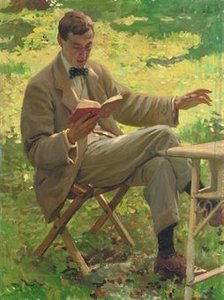
A Landscape
 Oil On Canvas
- WallArt
- Impressionistic Landscape
 51.0 x 61.0 cm
 The Munnings Art Museum
 Читати далі
Придбайте цифрову копію високої роздільної здатності з покращеною якістю, що значно перевершує онлайн-перегляд.
Кожен файл ретельно підготовлений нашими фахівцями за допомогою сучасних інструментів та професійної ручної ретуші. Ми гарантуємо виняткову чіткість, точну передачу кольору та високу деталізацію кожного зображення.
Фінальний файл надсилається електронною поштою протягом 72 годин і оптимізований для негайного використання у професійних виданнях та друкованих матеріалах. Таку якість обирають провідні дизайнерські студії, видавництва та галереї.
Цифрове зображення
Завантажте файл високої роздільної здатності для особистого використання, друку та творчих проєктів. ( Замовити принт Замовити репродукцію ручної роботи)
Переваги кожного замовлення цифрових зображень
Експертна цифрова доставка з гарантією якості
Обираючи OriginalUniqueArt.com, ви отримуєте не просто зображення — ви отримуєте професійно вдосконалений цифровий витвір мистецтва, створений з надзвичайною точністю та підкріплений гарантією задоволення. Ось усе, що автоматично додається до вашого замовлення:

Швидка доставка на email
Ваш цифровий файл із зображенням високої роздільної здатності буде надісланий вам електронною поштою протягом 72 годин після оформлення замовлення — він буде готовий до негайного використання.

Цифровий файл із покращенням ШІ
Ваш витвір мистецтва професійно оптимізовано за допомогою передових інструментів штучного інтелекту та ручної корекції, що забезпечує максимальну деталізацію, чіткість і точність передачі кольорів.

Безкоштовне повторне завантаження назавжди
Випадково видалили або втратили файл? Не хвилюйтеся — ми надішлемо його вам повторно в будь-який час безкоштовно.

Без митних зборів — ніколи
Насолоджуйтесь вашим витвором мистецтва миттєво без жодних мит, зборів або плати за доставку — цифрові завантаження завжди не оподатковуються.

Гарантія точності кольорів
Ми гарантуємо максимально точне відтворення оригінальних кольорів на вашому цифровому зображенні завдяки використанню професійних інструментів та систем управління кольором.

Гарантія задоволення протягом 60 днів
Якщо ви не задоволені придбаним цифровим зображенням, ми відкоригуємо його або повернемо 100% вартості протягом 60 днів — без жодних запитань.

Гарантія повернення 100% коштів
Не задоволені покупкою? Отримайте повне повернення коштів протягом 60 днів після отримання цифрового файлу — без жодних запитань.

Знижки на оптові замовлення
Купуйте 3 зображення — заощаджуйте 10% — Купуйте 5 — заощаджуйте 15% — Купуйте 10+ — заощаджуйте 20%. Чудово підходить для творчих проєктів, галерей та агентств.
A Window Into Rural England: Exploring Alfred Munnings' Landscape Vision
Alfred James Munnings (1878–1959) stands as an undisputed titan of British landscape painting, particularly renowned for his masterful depictions of the Yorkshire countryside and equestrian pursuits. More than simply capturing picturesque vistas, Munnings sought to distill the very essence of rural life—its rhythms, traditions, and profound connection to nature—into canvases imbued with palpable emotion. His artistic legacy extends far beyond mere visual beauty; it represents a poignant preservation of a disappearing world, meticulously observed and rendered with unparalleled sensitivity.The Essence of Impressionism: Brushstrokes That Breathe
Munnings’s stylistic approach firmly anchors him within the Impressionist movement, though he developed a distinctive tonal quality that distinguishes his work from its Parisian counterparts. Rejecting academic conventions favoring precise detail and idealized forms, Munnings embraced loose brushwork—a technique characterized by visible strokes of paint—to convey atmosphere and fleeting moments of light. This method prioritizes capturing the sensory experience of observing a landscape rather than presenting an objective representation. The resulting paintings shimmer with vibrancy, reflecting the dappled sunlight filtering through trees and illuminating fields bathed in hazy hues.Yorkshire Landscapes: Horses and Harmony
Munnings’s obsession with horses—particularly Dartmoor ponies—became central to his artistic practice. He frequently incorporated equine subjects into his landscapes, not merely as decorative elements but as integral components of the scene's narrative. These depictions aren’t simply portraits of animals; they embody a deeper appreciation for their role in shaping the landscape and reflecting its spirit. Consider “A Chestnut Horse in a Landscape,” where Munnings skillfully blends tonal impressionism with meticulous observation to convey both the grandeur of the Yorkshire moorland and the quiet dignity of the horse itself—a harmonious union mirroring the artist’s belief in the beauty and importance of rural traditions.Technical Mastery: Impasto and Atmospheric Depth
Munnings achieved remarkable textural depth through his masterful use of impasto—thickly applied paint—creating surfaces that pulsate with palpable energy. This technique allows for a dramatic interplay between light and shadow, enhancing the illusion of three-dimensionality and capturing the tactile qualities of the landscape. Furthermore, Munnings employed atmospheric perspective to create an immersive experience for the viewer. Distant hills recede into hazy obscurity, diminishing in color intensity and detail—a deliberate stylistic choice that underscores the vastness of the Yorkshire countryside and evokes a sense of contemplative wonder.Symbolism Beyond Sight: Capturing Feeling
Ultimately, Munnings’s paintings transcend mere visual representation; they communicate profound emotional resonance. The muted palette—dominated by browns, greens, and grays—reflects the understated beauty of the rural landscape and imbues the artwork with a tranquil mood. More than simply depicting what he saw, Munnings sought to convey how he *felt* when confronted with nature’s majesty—a sentiment shared by countless admirers who recognize his canvases as timeless expressions of artistic vision and enduring appreciation for England's pastoral heritage.Біографія митця
A Life Immersed in Equine Grace
Sir Alfred James Munnings, a name inextricably linked to the vibrant depiction of horses and the romantic allure of rural England, occupies a pivotal position within 20th-century British art. Born in 1878 amidst the rolling landscapes of Suffolk, his life was profoundly shaped by an enduring connection with the equine world – a bond that would define his artistic vision and propel him to prominence. Munnings wasn’t simply recording what he saw; he was preserving a feeling, an atmosphere, a world poised on the brink of irreversible change. He captured a vanishing way of life, a keenly observed portrait of Britain steeped in tradition, hunting, and the rhythms of the countryside. His early works often depicted rural scenes, particularly those featuring gypsies and horses roaming the Suffolk countryside, imbued with a romantic sensibility that showcased his growing mastery of color and light. These paintings weren’t merely representations; they were expressions of a deep affection for the land and its inhabitants.From Rural Beginnings to Artistic Development
Munnings’s artistic journey began not within the formal confines of an academy, but in the practical world of a Norwich printing house. This apprenticeship honed his skills in design and observation while simultaneously allowing him to pursue studies at the Norwich School of Art. It was a formative period, instilling a discipline that would serve him well as he navigated the challenges of establishing himself as an artist. Early influences included the plein air painters of the Newlyn School in Cornwall, where he embraced their commitment to capturing light and atmosphere directly from nature. This immersion in Impressionistic techniques laid the groundwork for his signature style – loose brushwork, a vibrant palette, and a palpable sense of movement. He was particularly drawn to the work of Henri Edmond Cross and Frank Bramley, whose depictions of Cornish fishing boats and coastal scenes influenced his early approach to color and composition. Munnings’s initial subjects were often humble: rural laborers, market scenes, and glimpses into the lives of traveling communities – all rendered with a warmth and empathy that resonated deeply with viewers.War, Recognition, and a Champion of Tradition
The First World War profoundly shaped both Munnings's artistic perspective and his public profile. Though initially deemed unfit for combat due to a persistent eye condition, he was nonetheless assigned the vital task of documenting the actions of the Canadian Cavalry Brigade in France. This experience brought him face-to-face with the harsh realities of war – the suffering, the loss, and the enduring bond between humans and animals. His paintings from this period are not glorifications of battle, but poignant reflections on sacrifice and resilience, capturing a somber beauty amidst devastation. The images he produced during the conflict were widely exhibited and celebrated for their honesty and emotional depth. Following the war, Munnings’s popularity soared, fueled by his wartime service and his increasingly sophisticated artistic style. He received numerous commissions from wealthy patrons, including members of the Royal Family, and established himself as one of Britain's leading sporting artists. However, Munnings was also a staunch defender of traditional artistic values, often expressing his disapproval of what he perceived as the excesses of modernism.A Controversial Voice and Enduring Legacy
Munnings’s artistic philosophy was deeply rooted in tradition, and he became a vocal critic of the burgeoning modernist movements that were challenging conventional notions of art. His famous – and often controversial – 1949 BBC radio broadcast saw him launch a scathing attack on Cubism and Surrealism, delivered with characteristic candor (and reportedly fueled by alcohol). While his remarks sparked outrage among proponents of modern art, they also resonated with those who valued representational painting and the enduring power of artistic skill. He wasn’t simply resisting change for its own sake; he believed in the importance of preserving artistic standards and celebrating beauty in its traditional forms. This conviction culminated in his election as President of the Royal Academy in 1944, a position he held until 1949, solidifying his status within the British art establishment. He was knighted Bachelor in 1944 and appointed a Knight Commander of the Royal Victorian Order in 1947, further acknowledging his contributions to the nation’s cultural life. Sir Alfred James Munnings left behind a vast and compelling body of work that continues to captivate audiences today. His paintings offer a window into a bygone era – a world of horses, hunting, and rural landscapes that has largely disappeared. The Munnings Art Museum, established by his wife Violet at Castle House, serves as a testament to his enduring legacy, preserving his art and providing a space for future generations to appreciate his unique vision. Beyond the technical brilliance of his paintings, it is Munnings’s ability to evoke emotion that truly sets him apart. He captured not just the physical beauty of horses, but also their spirit, their power, and their connection to the human heart. His work remains a powerful reminder of the enduring appeal of representational painting and the importance of preserving artistic traditions in an ever-changing world.Major Achievements
- Royal Academy President: Elected President of the Royal Academy in 1944, serving until 1949.
- Knighthood: Knighted Bachelor in 1944 and appointed a Knight Commander of the Royal Victorian Order in 1947.
- War Artist Commissions: Recognized for his work documenting the Canadian Cavalry during WWI.
- Sculptural Work: Created sculptures, including an equestrian statue of Edward Horner.
Сержай Альфред М’Нінгс
1878 - 1959 , Великобританія
Основна інформація
- Artistic Movement Or Style: Імпресіонізм
- Artists Or Movements Influenced By This Artist: ['Модернізм']
- Artists Who Influenced This Artist: ['Новийнська школа']
- Date Of Birth: 8 жовтня 1878
- Date Of Death: 17 липня 1959
- Full Name: Sir Alfred James Munnings
- Nationality: Британський
- Notable Artworks:
- The Fancy Dress Ball
- A Piper
- Place Of Birth: Мendham, Великобританія

