Переглянути в інтер'єрі
 Надіслати
 Поділитися
 Деталі
 Посібник

 Завантажити
 Схожі предмети колекціонування
 Рентгенівське дослідження
 Слайд-шоу
 Статистика переглядів
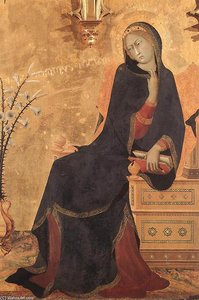
Maestà (detail)
 Acrylic On Canvas
- WallArt
- Late Gothic Style
 1315
1315 99.0 x 85.0 cm
 Палаццо Публіко
 Читати далі
Гікле / Художній принт
Музейна якість друку جيкле або на полотні з оперативним виготовленням та різноманітними варіантами фінішної обробки. ( Купити картину ручної роботи Перейти до цифрових зображень)




P118B ₴10

P118H ₴10

P118W ₴10

P438Z ₴10

P508JH ₴12

P508YH ₴12

P805H ₴10

P805Z ₴10

P919BZ ₴10

P919G ₴10

P919XJ ₴10

P959ZH ₴10

P968JZ ₴12

W106C ₴8

W218G ₴10

W218JH ₴8

W218Y ₴10

W307PJ ₴10

W316G ₴10

W316PJ ₴8

W316Y ₴10

W398PJ ₴8

W4111J ₴10

W500HY ₴15

W500JH ₴15

W692G ₴12

W849H ₴8

W940BG ₴15

W953PJ ₴8




Обирайте з наших стандартних розмірів, що відповідають оригінальним пропорціям твору мистецтва.

Введіть необхідну ширину та висоту, щоб принт ідеально підійшов до вашої рами або стіни. Принт можна лише обрізати, але не можна зробити більшим за оригінал, тому при зміні пропорцій частина зображення буде втрачена. Перед друком ми надсилаємо вам цифровий макет для затвердження. Зображення на цій сторінці не відображає реальну обрізку — її можна побачити лише на макеті.
Доставка по всьому світу () за 2 тижні замість стандартних 4/5 тижнів. (21 Жовтень)

Безкоштовна експрес-доставка по всьому світу

Високоякісне лляне полотно

Повне страхове покриття доставки

Гарантія повернення митних зборів

Гарантія точного відтворення кольорів

Політика повернення протягом 100 днів (лише у разі виявлення дефектів)

Гарантія повернення 100% коштів

Знижка на оптові замовлення
 Скляний варіант доступний лише для розмірів до 110 см

Maestà (detail)
Гікле / Художній принт
Розмір репродукції
-


Загальна вартість
₴ 3585
A Vision of Divine Majesty: Simone Martini’s *Maestà* – A Window into Medieval Grace
The year is 1315, and within the vibrant heart of Siena, Italy, Simone Martini was meticulously crafting a masterpiece that would forever alter the course of European art. His *Maestà*, or “Majesty,” isn’t merely a painting; it's an immersive experience, a shimmering testament to faith, power, and the profound beauty of the Virgin Mary. This exquisite detail, rendered in painstaking miniature, offers a tantalizing glimpse into the world of this Sienese Master of Elegance and Grace – a man who understood how to imbue religious iconography with a breathtaking sense of courtly refinement.
The image captures a pivotal moment within the composition: Mary, radiant and serene, holds her infant son Jesus close. The sheer opulence of her presentation is immediately arresting. A magnificent crown, adorned with jewels that seem to catch and refract light even in this reproduction, proclaims her divine status – a visual echo of royalty and spiritual authority. Her hands, delicately rendered, cradle the scepter, symbolizing her dominion over both heaven and earth, while the open book represents her role as the Word made flesh, the embodiment of God’s wisdom. The subtle folds of her robes, achieved through Martini's masterful use of layered glazes, create a sense of incredible depth and texture, drawing the viewer into this sacred space.
Technique and Materials: A Symphony of Color and Gold
Simone Martini was renowned for his innovative approach to painting, particularly his embrace of tempera on panel. This medium, favored in Siena during the 13th and 14th centuries, allowed for a luminosity and richness of color rarely achieved with oil paints at the time. Notice the vibrant blues and reds – pigments painstakingly ground from lapis lazuli and kermes beetles respectively – that dominate the scene. The gold leaf, applied with astonishing precision, isn’t simply decorative; it represents the divine light emanating from God himself, bathing Mary and Jesus in an ethereal glow. The intricate detailing, achieved through countless hours of layering thin glazes, is a hallmark of Martini's style—a testament to his patience and unparalleled skill.
- Tempera on Panel: The foundation of the work, providing exceptional color vibrancy and detail.
- Gold Leaf: Used extensively to symbolize divinity and illuminate the scene.
- Layered Glazes: Martini’s signature technique creating depth, luminosity, and a remarkable sense of texture.
Symbolism and Context: A Reflection of Medieval Belief
The *Maestà* is deeply rooted in the theological beliefs of the High Middle Ages. Mary's position as Queen of Heaven is central to Marian devotion, reflecting the growing importance of her role within Christian spirituality. The figures surrounding her – including angels and kneeling donors (though only partially visible in this detail) – represent the Church hierarchy and the faithful paying homage to their patron saint. The book held by Mary isn’t just a symbol of scripture; it's a visual representation of her role as the Mother of God, the vessel through which Christ entered the world. The overall composition echoes Byzantine models, particularly those found in mosaics, demonstrating Martini’s engagement with established artistic traditions while imbuing them with his own distinctive style.
Emotional Resonance and Artistic Legacy
More than six centuries after its creation, Simone Martini's *Maestà* continues to captivate viewers. It evokes a profound sense of reverence, tranquility, and the enduring power of faith. The painting’s delicate beauty, combined with its rich symbolism, speaks to the timeless appeal of Christian iconography. A reproduction by OriginalUniqueArt offers an unparalleled opportunity to experience this masterpiece in exquisite detail, bringing its ethereal grace into your home or studio. This isn't simply a print; it’s a portal to a world of medieval artistry and spiritual contemplation – a tangible connection to one of the most influential figures in Western art history.
Запитання та відповіді
Яке використання та простір рекомендуються для «Maestà (detail)» Сімоне Маттіні?
«Maestà (detail)» рекомендується для Statement, а найкращим місцем для розміщення стане Living Room.
Як сюжет твору "Maestà (detail)" перегукується із звичними темами Сімоне Маттіні?
«Maestà (detail)» змальовує virgin mary, christ child, majesty, scepter, book, angel, siena, medieval, тоді як зафіксовані теми Сімоне Маттіні — це sienese gothic elegance, royal, divine iconography, courtly, devotional art, martini’s signature style, key sienese masterpiece. Порівняння цих двох аспектів демонструє, як цей твір перегукується зі звичними сюжетами митця.
Яку атмосферу привносить «Maestà (detail)» Сімоне Маттіні в інтер'єр?
Завдяки своїй Elegant атмосфері, робота "Maestà (detail)" чудово підійде для Living Room.
Біографія митця
A Sienese Master of Elegance and Grace
Simone Martini, born around 1284 in the heart of Siena, Italy, stands as a pivotal figure in the transition from medieval to Renaissance art. He wasn’t merely a painter; he was an architect of elegance, a master of line and color who infused his works with a courtly refinement that distinguished him from contemporaries like Giotto. While historical accounts vary regarding his early training—some suggest apprenticeship under Duccio di Buoninsegna, the leading Sienese artist of the time, while others point to Florence and the influence of Giotto—Martini undeniably forged a unique artistic path. His brother-in-law, Lippo Memmi, was also an artist with whom he frequently collaborated, further enriching the vibrant artistic landscape of Siena. The city itself played a crucial role in shaping Martini’s aesthetic; Siena, a thriving center of commerce and culture, fostered an environment where art flourished, blending religious devotion with worldly sophistication.
The Flourishing of International Gothic
Martini's style is immediately recognizable for its departure from the more monumental forms favored in Florence. He embraced a delicate sensibility, characterized by flowing lines, soft decorative details, and an overall sense of grace. This aesthetic wasn’t born in isolation; it was profoundly influenced by external forces. The Via Francigena, a major pilgrimage route traversing Europe, brought with it artistic currents from France—particularly the refined elegance of French manuscript illumination and ivory carving. These influences are readily apparent in Martini's work, manifesting as intricate patterns, elongated figures, and a heightened attention to surface ornamentation. He didn’t simply copy these styles; he synthesized them with existing Sienese traditions, creating something entirely new. His paintings weren’t merely representations of religious scenes but rather elegant narratives imbued with emotional depth and visual poetry. The Saint Louis of Toulouse Crowning Robert of Anjou, painted in 1317 during a sojourn in Naples, exemplifies this masterful blend of narrative skill and refined composition. The work showcases Martini’s ability to depict complex scenes with clarity and grace, while simultaneously imbuing them with a sense of courtly splendor.
From Siena to Avignon: A Courtly Appointment
Martini's reputation extended beyond the borders of Italy, leading to a significant turning point in his career. In 1336, he accepted a commission from Pope Benedict XII to create frescoes for the Papal Palace in Avignon, France—a move that placed him at the heart of European power and patronage. This appointment wasn’t merely about artistic skill; it was a testament to Martini's ability to cater to the tastes of a sophisticated courtly audience. While in Avignon, he entered into a remarkable intellectual circle, befriending Francesco Petrarca—better known as Petrarch, the renowned humanist poet. The connection with Petrarch is particularly poignant, as Vasari and other sources suggest that Martini painted a portrait of Laura de Noves, Petrarch’s lifelong muse. Though the portrait itself is lost to time, its very existence speaks volumes about Martini's status as a celebrated artist capable of capturing not only physical likeness but also the essence of beauty and inspiration. The Annunciation with St. Margaret and St. Ansanus, created during his time in Florence before moving to Avignon, is a testament to this period, showcasing delicate beauty and refined aesthetic.
Major Works and Artistic Techniques
Simone Martini’s oeuvre is remarkably diverse, encompassing a range of subjects and styles within the broader framework of International Gothic art. His most celebrated works include the Maestà fresco in the Palazzo Pubblico in Siena—a monumental depiction of the Virgin Mary with Christ Child and the Saints—and numerous altarpieces and panel paintings. Martini’s mastery of color is particularly evident in his use of vibrant hues, often applied in thin, translucent glazes that create a shimmering effect. His meticulous attention to detail is equally impressive, as seen in the intricate patterns of his drapery, the delicate rendering of facial features, and the elaborate ornamentation of his architectural settings. The influence of French manuscript illumination is palpable throughout his work, particularly in the use of gold leaf, vibrant colors, and stylized figures. Martini’s compositions are often characterized by a sense of dynamism and movement, achieved through carefully arranged groupings of figures and a subtle interplay of light and shadow. The Saint Catherine of Alexandria Polyptych, for example, demonstrates his ability to create complex narratives with clarity and grace, while simultaneously imbuing them with a sense of spiritual depth.
Legacy and Enduring Influence
Simone Martini’s impact on the development of European art cannot be overstated. He played a crucial role in disseminating the International Gothic style—a movement characterized by its elegance, refinement, and emphasis on decorative detail—across the continent. His influence extended to generations of artists who followed, shaping the course of late medieval and early Renaissance painting. Martini’s work wasn’t simply about technical skill; it was about creating a visual language that resonated with the sensibilities of his time—a language of beauty, grace, and spiritual devotion. Even today, his paintings continue to captivate viewers with their exquisite detail, harmonious compositions, and enduring sense of elegance. His frescoes in San Francesco d’Assisi demonstrate his mastery of large-scale decorative painting, while works like the Saint Louis of Toulouse Crowning Robert of Anjou showcase his unparalleled command of color and form. Simone Martini died in Avignon in 1344, leaving behind a legacy that continues to inspire awe and admiration centuries later—a testament to the enduring power of art to transcend time and touch the human spirit.

Сімоне Маттіні
1284 - 1344 , Італія
Довідкова інформація
- Artistic Movement Or Style: Міжнародний готизм
- Artists Or Movements Influenced By This Artist: ['Міжнародний готизм']
- Artists Who Influenced This Artist:
- Дульо ді Буонансега
- Джото ді Бондоне
- Date Of Birth: c. 1284
- Date Of Death: 1344
- Full Name: Сімоне Маттіні
- Nationality: Італійський
- Notable Artworks:
- Проголошення з Маргаритою
- Маґдебір
- Аннунциація
- Place Of Birth: Сьєна, Італія
Схожі статті
Late Medieval Masterpieces: 10 Artworks That Defined an Era | OriginalUniqueArt
Journey through 10 defining Late Medieval masterpieces – from Giotto's frescoes to Jan van Eyck’s realism. Explore the stories, techniques & vibrant colors of Gothic art. Find museum-quality reproductions and elevate your home decor with OriginalUniqueArt.com! Discover all masterpieces on OriginalUniqueArt.com

Simone Martini: Innovation, Spirituality & Courtly Refinement in Sienese Painting
Explore the captivating world of Simone Martini, a pivotal figure in Sienese painting & the International Gothic style. Discover his innovative techniques, spiritual depth, and lasting influence on early Renaissance art.

High Medieval Art: 10 Masterpieces That Shaped an Era | OriginalUniqueArt
Journey through High Medieval Art! Explore 10 iconic masterpieces – from Giotto's frescoes to stunning Gothic cathedrals. Discover the stories behind these timeless paintings, sculptures & illuminated manuscripts. Find museum-quality art reproductions at OriginalUniqueArt.com.

Divine Light & Golden Splendor: A Journey Through the Sacred Grandeur of High Medieval Art
Embark on a soulful journey through High Medieval art. Explore the divine light of Gothic cathedrals, Byzantine splendor, and sacred masterpieces that shaped Western history with our expert-led cultural reflections.
Jacob Henricus Maris: A Master of Dutch Atmospheric Realism & the Intimate Landscape
Explore the captivating world of Jacob Henricus Maris, a leading figure of the Dutch Hague School. Discover his atmospheric landscapes, signature brushstrokes & lasting influence on 19th-century art. Learn more at OriginalUniqueArt.