Переглянути в інтер'єрі
 Надіслати
 Поділитися
 Деталі
 Посібник

 Завантажити
 Схожі предмети колекціонування
 Рентгенівське дослідження
 Слайд-шоу
 Статистика переглядів
Sleeping Venus
 Acrylic On Canvas
- WallArt
- Baroque
 1630
1630 100.0 x 84.0 cm
 Музей Мистецтв Будапешта
 Читати далі
Гікле / Художній принт
Музейна якість друку جيкле або на полотні з оперативним виготовленням та різноманітними варіантами фінішної обробки. ( Купити картину ручної роботи Перейти до цифрових зображень)




P118B ₴10

P118H ₴10

P118W ₴10

P438Z ₴10

P508JH ₴12

P508YH ₴12

P805H ₴10

P805Z ₴10

P919BZ ₴10

P919G ₴10

P919XJ ₴10

P959ZH ₴10

P968JZ ₴12

W106C ₴8

W218G ₴10

W218JH ₴8

W218Y ₴10

W307PJ ₴10

W316G ₴10

W316PJ ₴8

W316Y ₴10

W398PJ ₴8

W4111J ₴10

W500HY ₴15

W500JH ₴15

W692G ₴12

W849H ₴8

W940BG ₴15

W953PJ ₴8




Обирайте з наших стандартних розмірів, що відповідають оригінальним пропорціям твору мистецтва.

Введіть необхідну ширину та висоту, щоб принт ідеально підійшов до вашої рами або стіни. Принт можна лише обрізати, але не можна зробити більшим за оригінал, тому при зміні пропорцій частина зображення буде втрачена. Перед друком ми надсилаємо вам цифровий макет для затвердження. Зображення на цій сторінці не відображає реальну обрізку — її можна побачити лише на макеті.
Доставка по всьому світу () за 2 тижні замість стандартних 4/5 тижнів. (20 Жовтень)

Безкоштовна експрес-доставка по всьому світу

Високоякісне лляне полотно

Повне страхове покриття доставки

Гарантія повернення митних зборів

Гарантія точного відтворення кольорів

Політика повернення протягом 100 днів (лише у разі виявлення дефектів)

Гарантія повернення 100% коштів

Знижка на оптові замовлення
 Скляний варіант доступний лише для розмірів до 110 см

Sleeping Venus
Гікле / Художній принт
Розмір репродукції
-


Загальна вартість
₴ 3577
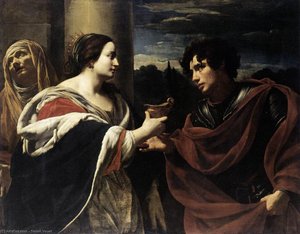
A Moment of Serene Contemplation: Simon Vouet’s “Sleeping Venus”
Simon Vouet's "Sleeping Venus," painted around 1630, is not merely a depiction of a reclining nude; it’s an exquisite distillation of Renaissance ideals and the burgeoning Baroque aesthetic. This captivating work transcends simple portraiture, offering instead a profound meditation on beauty, repose, and the delicate balance between earthly pleasure and spiritual contemplation. The painting immediately draws the viewer into a world of hushed tranquility, inviting us to share in the woman's peaceful slumber – a rare and deliberate choice for art of that era.
Vouet, a pivotal figure in transitioning French painting from Mannerism to the Baroque, masterfully employed techniques honed during his extensive travels through Italy. He absorbed the influence of artists like Raphael and Leonardo da Vinci, particularly their understanding of light and shadow – crucial elements evident in the soft, diffused illumination that bathes Venus’s form. The artist's meticulous attention to detail is remarkable; from the subtle folds of her drapery to the delicate curve of her lips, every element contributes to a sense of palpable realism, yet imbued with an ethereal quality.
The Symbolism of Slumber
The choice of Venus asleep holds significant symbolic weight. In classical mythology, Venus is the goddess of love and beauty, but here she’s presented not as a vibrant, active force, but in a state of serene repose. This isn't simply an image of physical beauty; it speaks to a deeper concept – the ideal of inner grace and spiritual harmony. The clouds beneath her suggest a realm beyond earthly concerns, hinting at a connection with the divine. The positioning of her head, slightly tilted back, evokes a sense of vulnerability and trust, as if she’s surrendering entirely to the peace of her dreams.
Furthermore, the inclusion of the tree branch extending from the upper left corner adds another layer of meaning. Trees often symbolize life, growth, and connection to nature – elements that complement Venus's association with fertility and abundance. The branches subtly frame the figure, emphasizing her centrality within the composition and reinforcing the painting’s overall theme of harmonious integration.
A Window into 17th-Century France
"Sleeping Venus" is a quintessential example of the artistic climate in 17th-century France, a period marked by a renewed interest in classical antiquity and a shift towards more dynamic and emotionally charged forms of art. Vouet’s work reflects this transition, moving away from the stylized elegance of Mannerism toward the richer colors, dramatic lighting, and heightened realism characteristic of the Baroque. It was commissioned during a time when royal patronage fueled artistic innovation, allowing artists like Vouet to experiment with new techniques and explore ambitious subjects.
The painting’s creation coincided with the rise of Louis XIII and Cardinal Richelieu, who were both avid collectors of art and sought to elevate French culture through lavish displays of wealth and power. Vouet's work served as a powerful symbol of royal authority and artistic excellence, contributing to the grandeur of Versailles and other prominent palaces.
Recreating the Masterpiece: A High-Quality Reproduction
Reproducing "Sleeping Venus" today offers an opportunity to bring this timeless masterpiece into any setting. A carefully crafted print or canvas reproduction captures not only the painting’s visual beauty but also its underlying emotional resonance. The soft, luminous quality of the original is faithfully replicated, creating a piece that will grace any room with an air of serenity and sophistication. Consider framing it in a classic style to further enhance its historical context and artistic merit.
Whether you're an art enthusiast, a collector seeking to expand your collection, or simply someone looking for a stunning addition to your home décor, Simon Vouet’s “Sleeping Venus” remains a testament to the enduring power of beauty, tranquility, and artistic genius.
Запитання та відповіді
Скільки років було Сімон Вує, коли було створено «Sleeping Venus»?
Сімон Вує було 40 років, коли він створив «Sleeping Venus» у 1630 році. Вік обчислено на основі року народження митця, 1590.
Наскільки популярним є твір «Sleeping Venus» у межах Baroque?
«Sleeping Venus» Сімон Вує класифікується як Iconic і належить до течії Baroque.
Які сюжет та атмосферу поєднує в собі «Sleeping Venus» Сімон Вує?
«Sleeping Venus» Сімон Вує поєднує в собі venus, sleeping, clouds, landscape, baroque, mythology, figure, renaissance із Romantic атмосферою.
Біографія митця
Симон Вує: Посол італійського бароко у Франції
Симон Вує, народжений у самому серці Парижа в 1590 році, став ключовою фігурою у перехідному періоді французької живописної школи від маньєризму до витонченого та динамічного бароко. Його шлях – це захоплива історія подорожей, навчання та творчого синтезу, що назавжди змінило обличчя французького мистецтва. З дитинства оточений мистецтвом – батько Лоран був художником, а брат Обін також присвятив себе творчості – Вує отримав міцну основу для майбутніх звершень. Його онук, Лудовіко Дориньї, продовжив сімейну традицію, залишивши свій слід в історії мистецтва.
Від портретів до римської школи: Формування стилю
Кар'єра Вує розпочалася з портретного живопису, де він швидко проявив свій талант. У віці лише чотирнадцяти років він вирушив до Англії для виконання замовлення на портрет, що вже тоді свідчило про зростаючу репутацію молодого художника. Подальша подорож у супроводі барона де Сансі, французького посланника при Османській імперії, відкрила перед ним світ Сходу та привела до Венеції в 1612 році. Саме перебування в Римі протягом тринадцяти років (1614-1627) стало вирішальним етапом у його творчому розвитку. Римська мистецька сцена бурлила енергією, і Вує повністю занурився в неї.
В Римі він вивчав драматичне освітлення Караваджо, поєднуючи це з елементами італійського маньєризму. Він ретельно аналізував палітри кольорів та техніку di sotto in su (перспектива знизу вгору), яку використовував Паоло Веронезе. Натхнення черпав також із творчості братів Караччі, Гуерчіно, Ланфранко та Гвідо Рені, вміло синтезуючи ці різноманітні стилі у власну неповторну художню візію. Цей період став часом інтенсивного навчання та формування його індивідуального стилю.
Премієр живописця короля: Бароко приходить до Франції
Успіх Вує в Римі був визнаний обранням на посаду президента престижної Академії Святого Луки – свідчення його майстерності та поваги в італійському мистецькому світі. Повернувшись у Францію в 1627 році, він взяв на себе роль провідника нового стилю, принісши з собою динамізм та велич італійського бароко. Незабаром Вує був призначений Premier peintre du Roi (Першим живописцем короля), що стало вершиною його кар'єри та надало йому значний вплив на французьке мистецтво.
Вує очолював велику та активну майстерню, де навчалося чимало художників, які згодом сформують наступне покоління французьких митців. Серед його найвпливовіших учнів були Шарль Леруа (згодом організатор усіх декоративних робіт у Версалі), Валентен де Булон, Шарль Альфонс дю Фресно, П’єр Меньяр, Есташ Ле Сюр та Клод Меллан. Його вплив відчутний у грандіозних декоративних схемах, замовлених Людовіком XIV, що стали символом епохи.
Спадщина: Міст між двома культурами
Симон Вує назавжди закарбувався в історії як ключова фігура, яка з'єднала італійське та французьке мистецтво. Він успішно адаптував динамізм та велич італійського бароко до смаків французького двору та аристократії. Його внесок у розвиток французької живописної школи XVII століття незаперечний, і його творчість продовжує захоплювати дослідників мистецтва й сьогодні.

Сімон Вує
1590 - 1649 , Франція
Довідкова інформація
- Дата Народження: 9 січня 1590 року
- Місце Народження (Місто Та Країна): Париж, Франція
- Національність: Француз
- Повне Ім'Я: Симон Вує
- Художники Або Напрямки, На Яких Він Вплинув:
- Шарль Леруа
- Валентен де Булонь
- Художники, Які Вплинули На Нього:
- Караваджо
- Паоло Веронезе
- Караччі
- Гуерчіно
- Ланфранко
- Гвідо Рені
- Художній Стиль Або Напрямок: Бароко
Схожі статті

Барокова драма: мистецтво, що привносить велич у дім
Відкрийте для себе велич бароко! Дізнайтесь про історію стилю, особливості українського бароко та як створити розкішний інтер'єр. Ексклюзивні репродукції картин від .

The Dramatic Flourish: Exploring the Baroque Movement's Enduring Legacy in Art History
Explore the dramatic world of Baroque art! Discover iconic artists like Caravaggio & Rubens, defining techniques, and its lasting impact on art history. Expert insights for collectors & enthusiasts at OriginalUniqueArt.

The Enduring Allure of the Nude: A Historical & Artistic Exploration of the Human Form
Explore the captivating history of nude art! Discover iconic paintings & artists from classical to modern eras. Uncover symbolism, techniques & find museum-quality reproductions at OriginalUniqueArt.
Simon Vouet: A Baroque Master's Journey from Italian Influence to French Classicism
Explore the life & art of Simon Vouet, a pivotal French Baroque painter who introduced Italian styles to France. Discover his masterpieces and lasting influence on 17th-century art.
Charles Le Brun: Master of French Baroque Classicism & His Enduring Legacy
Explore the life & art of Charles Le Brun, master of French Baroque Classicism. Discover his royal commissions, influence on Versailles, and enduring legacy through detailed analysis & stunning artworks.