Переглянути в інтер'єрі
 Надіслати
 Поділитися
 Деталі
 Посібник

 Завантажити
 Схожі предмети колекціонування
 Рентгенівське дослідження
 Слайд-шоу
 Статистика переглядів
Last Supper
 Oil On Canvas
- WallArt
- High Renaissance
 1713
1713 67.0 x 104.0 cm
 Національна галерея мистецтв
 Читати далі
Гікле / Художній принт
Музейна якість друку جيкле або на полотні з оперативним виготовленням та різноманітними варіантами фінішної обробки. ( Купити картину ручної роботи Перейти до цифрових зображень)




P118B ₴10

P118H ₴10

P118W ₴10

P438Z ₴10

P508JH ₴12

P508YH ₴12

P805H ₴10

P805Z ₴10

P919BZ ₴10

P919G ₴10

P919XJ ₴10

P959ZH ₴10

P968JZ ₴12

W106C ₴8

W218G ₴10

W218JH ₴8

W218Y ₴10

W307PJ ₴10

W316G ₴10

W316PJ ₴8

W316Y ₴10

W398PJ ₴8

W4111J ₴10

W500HY ₴15

W500JH ₴15

W692G ₴12

W849H ₴8

W940BG ₴15

W953PJ ₴8




Обирайте з наших стандартних розмірів, що відповідають оригінальним пропорціям твору мистецтва.

Введіть необхідну ширину та висоту, щоб принт ідеально підійшов до вашої рами або стіни. Принт можна лише обрізати, але не можна зробити більшим за оригінал, тому при зміні пропорцій частина зображення буде втрачена. Перед друком ми надсилаємо вам цифровий макет для затвердження. Зображення на цій сторінці не відображає реальну обрізку — її можна побачити лише на макеті.
Доставка по всьому світу () за 2 тижні замість стандартних 4/5 тижнів. (24 Жовтень)

Безкоштовна експрес-доставка по всьому світу

Високоякісне лляне полотно

Повне страхове покриття доставки

Гарантія повернення митних зборів

Гарантія точного відтворення кольорів

Політика повернення протягом 100 днів (лише у разі виявлення дефектів)

Гарантія повернення 100% коштів

Знижка на оптові замовлення
 Скляний варіант доступний лише для розмірів до 110 см

Last Supper
Гікле / Художній принт
Розмір репродукції
-


Загальна вартість
₴ 3590
A Moment Frozen in Time: The Story of the Last Supper
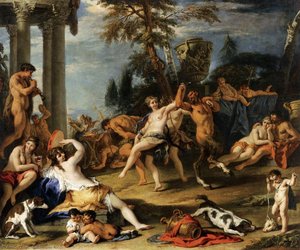
Sebastiano Ricci’s “Last Supper,” a monumental fresco dominating the refectory of Santa Maria delle Grazie in Milan, isn't merely a depiction of a biblical event; it’s a profound exploration of human emotion and betrayal. Painted between 1713 and 1714, this work captures the immediate aftermath of Jesus’ announcement that one among his disciples will betray him – a moment charged with disbelief, apprehension, and simmering resentment. Ricci masterfully conveys the palpable tension in the room, drawing the viewer into the heart of this dramatic exchange. The composition is carefully orchestrated; Jesus sits at the center, radiating an almost serene authority, while the apostles react with a spectrum of responses—shock, denial, suspicion, and outright anger – each face meticulously rendered to reveal their individual personalities and inner turmoil.
The painting’s historical context is crucial to understanding its power. Commissioned during the late Baroque period, Ricci's work reflects the era’s fascination with dramatic narratives and intense emotional expression. The Renaissance ideals of humanism are present, not in a purely idealized form, but through the realistic portrayal of flawed humanity – the vulnerability beneath the bravado, the fear masked by defiance. Ricci was part of a vibrant artistic milieu in Venice, influenced by masters like Dal Simè and Titian, yet he developed a distinct style characterized by a luminous palette and dynamic compositions. His work stands as a bridge between the grandeur of the High Renaissance and the more emotionally charged sensibilities of the Baroque.
Technique and Materials: A Delicate Balance
What sets Ricci’s “Last Supper” apart is not just its subject matter, but also the innovative – and ultimately problematic – techniques he employed. Unlike traditional fresco methods, which involve painting directly onto wet plaster, Ricci utilized tempera on a prepared gesso ground. This allowed for greater flexibility in altering details after the paint had dried, a crucial element for a work of this scale and complexity. However, it also introduced instability; the materials used were not entirely compatible with the wall’s structure, leading to rapid deterioration over centuries. The painting's surface has undergone numerous restorations, each attempting to mitigate the damage caused by humidity, temperature fluctuations, and the inherent fragility of tempera paint.
- The Gesso Ground: A carefully prepared layer of gesso provided a stable base for the pigment.
- Tempera Paint: Ricci used tempera, a fast-drying emulsion of pigments in egg yolk, known for its luminosity and rich colors.
- Pitch and Mastic: These substances were applied to seal the wall and create a barrier against moisture, though they ultimately proved insufficient to protect the delicate paint layer.
Symbolism and Emotional Resonance
Beyond the immediate narrative of betrayal, Ricci’s “Last Supper” is rich in symbolic detail. The arrangement of the apostles around the table reflects their social standing and relationships within the group. Judas Iscariot, often depicted with a subtly averted gaze and a gesture of offering, embodies deceit and treachery. The use of light and shadow – *chiaroscuro* – dramatically emphasizes key figures and creates a sense of drama and psychological intensity. Notice how Ricci uses subtle shifts in color to convey the emotional state of each apostle; the vibrant reds and yellows associated with Jesus contrast sharply with the muted blues and grays used for the disciples, highlighting their internal conflict.
The inclusion of the dog at the bottom left corner is a particularly intriguing detail. While its precise meaning remains debated by art historians, it’s often interpreted as representing loyalty or perhaps even the impending doom that awaits Judas. The overall effect is one of profound emotional depth – a visceral portrayal of human fallibility and the devastating consequences of betrayal.
A Timeless Masterpiece: Reproduction and Legacy
“The Last Supper” remains one of the most studied and admired paintings in the world, captivating viewers with its dramatic composition, masterful technique, and profound emotional resonance. High-quality reproductions capture much of the original’s power, offering a window into this pivotal moment in Christian history. When selecting a reproduction, consider factors such as print quality, color accuracy, and archival suitability to ensure that you are preserving the essence of Ricci's masterpiece for years to come. This iconic image continues to inspire artists, designers, and art lovers alike, solidifying its place as a cornerstone of Western artistic heritage.
Запитання та відповіді
Який розмір «Last Supper» рекомендується для Dining Room?
Для Dining Room рекомендований розмір друку для «Last Supper» Себастіано Річчі становить Large.
Якому етапу кар'єри Себастіано Річчі відповідає дата створення «Last Supper» (1713 рік)?
«Last Supper», створена у 1713, належить до Late Renaissance творчості Себастіано Річчі.
Чи дозволено законом відтворювати «Last Supper» Себастіано Річчі, що зберігається в Національна галерея мистецтв?
Оригінал твору «Last Supper» зберігається в Національна галерея мистецтв, а цей витвір перебуває у є суспільним надбанням — термін дії авторського права закінчився.
Біографія митця
Життєвий шлях та перші роки творчості
Себастьяно Річчі, видатний італійський художник, народився 1 серпня 1659 року в Беллуно. Його ім’я стало синонімом яскравості та динамізму пізнього венеціанського бароко. Річчі був не просто майстром пензля, а справжнім творцем атмосфери, здатним перенести глядача у світ міфологічних сюжетів і грандіозних декорацій. Його шлях до визнання розпочався рано – вже в 1671 році він стає учнем Федеріко Червеллі у Венеції, хоча деякі джерела згадують як першого наставника Себастьяно Маццоні. Ці ранні роки навчання заклали фундамент його майбутньої техніки та стилю. Він швидко засвоював основи ремесла, але вже тоді проявлялася його схильність до більш вільного і виразного письма, що відрізняло його від консервативних традицій.
Формування художнього стилю та впливи
Переломним моментом у творчості Річчі стала подорож до Болоньї, де він познайомився з творами Джованні Джозеффо даль Соле. Стиль цього художника справив глибокий вплив на формування власного бачення Річчі. Він перейняв від даль Соле любов до драматизму, енергійної композиції та насичених кольорів. Проте, Річчі не обмежився сліпим наслідуванням – він синтезував різні впливи, додаючи до них власний темперамент і відчуття простору. Його роботи відрізняються особливою світлотіньовою грою, яка підкреслює емоційну напругу сцен та створює враження руху й динаміки. Він прагнув передати не лише зовнішню красу, а й внутрішній стан героїв, їхні почуття та переживання.
Основні твори та замовлення
Річчі отримав численні замовлення на створення фресок і полотен для церков, палаців і приватних колекцій. Серед його найвідоміших робіт – "Бакх і Аріадна", що зберігається в Національній галереї Лондона. Ця картина є справжнім гімном бароковій красі, сповнена енергії, чуттєвості та витонченої грації. Іншим важливим твором є "Меморіал адміралу серові Клоудслі Шовеллу", де Річчі продемонстрував свій талант портретиста і вміння передавати характер людини. Особливе місце в його творчості займає розпис ораторії Мадонни Серральйо (1685-1687), виконаний у співпраці з Фердинандо Галлі-Бібієна. Цей масштабний проект став справжнім тріумфом Річчі і підтвердив його статус одного з провідних майстрів Венеції.
Пізні роки та спадок
Останні роки життя Річчі були сповнені труднощів – він переживав періоди ув’язнення, пов'язані зі скандалами. Проте, навіть ці випробування не змогли зламати його творчого духу. Він продовжував працювати, створюючи такі шедеври, як "Венера прощається з Адонісом", де досяг неймовірної майстерності у зображенні небесних сцен. Зрештою, він прийняв замовлення від лорда Берлінгтона і вирушив до Лондона, де й завершив свій життєвий шлях 15 травня 1734 року. Себастьяно Річчі залишив по собі багату спадщину – численні полотна, фрески та ескізи, які й сьогодні вражають своєю красою і виразністю. Його роботи стали важливим етапом у розвитку венеціанського бароко і вплинули на творчість наступних поколінь художників.
- Дізнайтеся більше про творчість Себастьяно Річчі на OriginalUniqueArt.com
- Дослідіть історію венеціанської школи бароко та її вплив на Wikipedia
- Відкрийте для себе інших видатних художників того часу, таких як Луїджі Бонацца, на OriginalUniqueArt.com
Важливо: Ця стаття базується на інформації з OriginalUniqueArt.com і може бути змінена в міру надходження нових даних.

Себастіано Річчі
1659 - 1734 , Італія
Довідкова інформація
- Відомі Роботи:
- Бакх і Аріадне
- Венера прощається з Адонісом
- Дата Народження: 1 серпня 1659 року
- Дата Смерті: 15 травня 1734 року
- Місце Народження: Беллуно, Італія
- Національність: Італієць
- Повне Ім'Я: Себастіано Річчі
- Художники, На Яких Вплинув: ['Марко Річчі']
- Художники, Що Вплинули: ['Джованні Джозеффо даль Соле']
- Художній Рух/Стиль: Пізнє бароко
Схожі статті
Леонардо да Вінчі: 25 шедеврів для вашого дому – мистецтво, історія та декор від OriginalUniqueArt
Відкрийте 25 шедеврів Леонардо да Вінчі! Історія, техніка та значення культових картин Відродження. Репродукції високої якості для вашого дому від OriginalUniqueArt.com – мистецтво, що надихає.
Leonardo da Vinci: A Renaissance Master’s Synthesis of Art, Science & Human Observation – Reinterpreted for the Collector
Explore Leonardo da Vinci’s timeless masterpieces with OriginalUniqueArt. Discover insights into his art, science, and legacy – trusted expertise for discerning collectors seeking authentic reproductions & investment opportunities.
Топ-25 шедеврів Уффіці: Відродження в мистецтві для вашого дому | OriginalUniqueArt
Відкрийте для себе 25 шедеврів Уффіці, Флоренція! Історія Леонардо да Вінчі, Боттічеллі та Рафаеля. Репродукції картин онлайн – натхнення для вашого дому від OriginalUniqueArt.com.
Топ-10 шедеврів епохи Відродження: мистецтво гуманізму для вашого дому
Відкрийте для себе 10 шедеврів епохи Відродження, що втілюють дух гуманізму! Дізнайтесь історії Леонардо да Вінчі, Рафаеля та інших геніїв. Купуйте високоякісні репродукції картин на OriginalUniqueArt.com для вашого дому.
Топ-25 шедеврів Лувру: Відкрийте для себе велич мистецтва з OriginalUniqueArt
Відкрийте для себе 25 найвідоміших шедеврів Лувру! Історія Джоконди, Венери Мілоської та інших легендарних картин. Репродукції високої якості від OriginalUniqueArt – натхнення для вашого інтер'єру. Дослідіть колекцію онлайн!