

 Переглянути в інтер'єрі
 Надіслати як листівку
 Поділитися
 Детальніше

 Завантажити
 Схожі експонати
 Рентгенівське дослідження
 Слайд-шоу
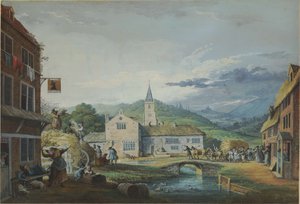
The enchantress cave
 Читати далі
Олійная репродукція ручної роботи
Написана вручну олією на полотні у вашому розмірі та рамі, виготовлена на замовлення нашими художниками. ( Замовити принт Купити цифрове зображення)




































Обирайте з наших стандартних розмірів, що відповідають оригінальним пропорціям твору мистецтва.

Ви можете вказати власні розміри, щоб репродукція ідеально підійшла до конкретної рами або інтер'єру. Якщо вибраний вами розмір не відповідає пропорціям оригіналу, ми або обріжемо полотно, або доповнимо картину додатковими елементами, промальованими вручну. Цифровий макет буде надіслано вам на затвердження перед початком виробництва.
Зверніть увагу, що попередній перегляд на екрані не відображає фактичне обрізання або розширення зображення. Тільки макет точно покаже остаточну композицію.
Хоча ми можемо виготовити виріб у нестандартному розмірі, для збереження оригінальних пропорцій рекомендуємо обирати варіанти зі встановленого списку.
Після оформлення замовлення команда OriginalUniqueArt.com зв'яжеться з клієнтом електронною поштою для отримання інструкцій та надасть попередній макет
Доставка по всьому світу () за 3–4 тижні замість стандартних 5 тижнів. (30 Серпень). Без жодних компромісів у якості.

Безкоштовна експрес-доставка по всьому світу

Високоякісне лляне полотно

Повне страхове покриття доставки

Гарантія відшкодування митних зборів

Гарантія точного відтворення кольорів

Політика повернення протягом 60 днів (лише у разі виявлення дефектів)

Гарантія повернення 100% коштів

Пропозиція на оптові замовлення
 Скляний варіант доступний лише для розмірів до 110 см

The enchantress cave
Матеріал репродукції
Розмір репродукції
-


Підсумкова вартість
$ 300
Біографія митця
Johan Zoffany: The Master of Grand Manner and Conversation Pieces
Born in 1733 in London, Johan Zoffany was a pivotal figure in the burgeoning world of British art during the late 18th century. While often overshadowed by his contemporaries, Zoffany’s unique approach to portraiture—characterized by meticulous detail, theatrical composition, and an uncanny ability to capture fleeting moments of social interaction—established him as a leading practitioner of what became known as the ‘Grand Manner.’ His work wasn't merely about depicting individuals; it was about constructing elaborate narratives within painted scenes, inviting viewers into carefully orchestrated dialogues between figures and elements.
Zoffany’s early life provided an unusual foundation for his artistic development. He was apprenticed to Richard Wilson, a prominent landscape painter known for his idealized depictions of the Scottish Highlands. This training instilled in Zoffany a deep appreciation for light, atmosphere, and the grandeur of nature – elements that would profoundly influence his later work. However, it was his association with the wealthy and influential Earl of Bute—a close advisor to King George III—that truly shaped his career trajectory. The Earl commissioned Zoffany to paint a series of large-scale group portraits, known as ‘Grand Manner’ scenes, which became Zoffany's signature style.
These ‘Grand Manner’ paintings are perhaps Zoffany’s most enduring legacy. The most famous example, *Three Daughters of John, 3rd Earl of Bute*, exemplifies his meticulous technique and compositional brilliance. The painting depicts the Earl’s three daughters posing with a visiting German artist, Johann Christian Brand, and his young pupil, Louis-Joseph Kress. Zoffany masterfully integrated elements from various cultures—classical architecture, oriental motifs, and contemporary London life—into a single, unified scene. The figures are arranged in a carefully choreographed manner, creating a sense of depth and drama. The use of light is particularly noteworthy, with the central group bathed in warm sunlight while the background remains shrouded in shadow. This interplay of light and dark not only enhances the visual impact of the painting but also contributes to its overall narrative complexity.
The Influence of Italian Masters
Zoffany’s artistic sensibilities were deeply influenced by the works of Italian painters, particularly those associated with the Roman School. He spent several years in Italy during his youth, studying under artists who specialized in landscape and genre painting. The influence of masters like Canaletto and Piranesi is evident in Zoffany's meticulous attention to detail, his use of perspective, and his ability to capture the atmosphere of urban environments. He was particularly fascinated by the ruins of ancient Rome, which served as a constant source of inspiration for his paintings.
Zoffany’s fascination with ruins is reflected in several of his works, including *The Ruins of Pompeii* and *Ruins of the Temple of Jupiter at Brompton*. These paintings are not simply depictions of crumbling buildings; they are carefully constructed compositions that evoke a sense of melancholy and nostalgia. He skillfully combined elements of reality and imagination to create scenes that were both historically accurate and visually arresting. The inclusion of figures within these ruins—often engaged in quiet contemplation or scholarly pursuits—adds another layer of meaning to the paintings, suggesting a connection between the past and the present.
Technique and Composition
Zoffany’s technical skill was exceptional. He possessed a remarkable ability to render light and shadow with precision, creating a sense of depth and realism in his paintings. His use of color was subtle yet effective, contributing to the overall harmony of his compositions. He employed a technique known as ‘grisaille,’ using monochrome underpaintings to establish the basic forms and values of the scene before adding color. This method allowed him to achieve a greater degree of control over the final image.
Zoffany’s compositional approach was equally sophisticated. He carefully considered the placement of each figure within the painting, ensuring that they interacted with one another in a meaningful way. He often used diagonal lines and overlapping forms to create a sense of movement and dynamism. His paintings are characterized by their intricate detail and complex arrangements—a testament to his meticulous planning and artistic skill.
Legacy and Historical Significance
Despite not achieving widespread fame during his lifetime, Johan Zoffany’s influence on subsequent generations of British artists is undeniable. His ‘Grand Manner’ style became a model for portrait painters such as Thomas Gainsborough and George Romney. His meticulous attention to detail and his ability to capture the nuances of social interaction set a new standard for portraiture in Britain.
Zoffany's work offers a fascinating glimpse into the cultural landscape of 18th-century London. His paintings reflect the wealth, sophistication, and intellectual curiosity of the era. They also provide valuable insights into the social dynamics of the time—the relationships between artists, patrons, and members of the aristocracy. Today, Zoffany’s paintings are treasured works of art that continue to captivate viewers with their beauty, complexity, and historical significance. His legacy endures as a testament to his artistic genius and his profound contribution to the history of British painting.
samuel hieronymous grimm
1733 - 1794 , Switzerland
Короткі факти
- Artistic Movement Or Style: Romanticism, Landscape
- Artists Or Movements Influenced By This Artist:
- Fragonard
- Romanticism
- Artists Who Influenced This Artist:
- Michel-Ange Slodtz
- Giovanni Paolo Panini
- Date Of Birth: 22 May 1733
- Date Of Death: 15 Apr 1808
- Full Name: Hubert Robert
- Nationality: French
- Notable Artworks:
- Ruins of the Church
- Roman Capriccio
- Charitable Ladies
- Place Of Birth: Paris, France

