

 Переглянути в інтер'єрі
 Надіслати як листівку
 Поділитися
 Детальніше

 Завантажити
 Схожі експонати
 Рентгенівське дослідження
 Слайд-шоу
 Статистика
Two Flasks


 Читати далі
Олійная репродукція ручної роботи
Написана вручну олією на полотні у вашому розмірі та рамі, виготовлена на замовлення нашими художниками. ( Перейти до друку Перейти до цифрових зображень)




































Обирайте з наших стандартних розмірів, що відповідають оригінальним пропорціям твору мистецтва.

Ви можете вказати власні розміри, щоб репродукція ідеально підійшла до конкретної рами або інтер'єру. Якщо вибраний вами розмір не відповідає пропорціям оригіналу, ми або обріжемо полотно, або доповнимо картину додатковими елементами, промальованими вручну. Цифровий макет буде надіслано вам на затвердження перед початком виробництва.
Зверніть увагу, що попередній перегляд на екрані не відображає фактичне обрізання або розширення зображення. Тільки макет точно покаже остаточну композицію.
Хоча ми можемо виготовити виріб у нестандартному розмірі, для збереження оригінальних пропорцій рекомендуємо обирати варіанти зі встановленого списку.
Після оформлення замовлення команда OriginalUniqueArt.com зв'яжеться з клієнтом електронною поштою для отримання інструкцій та надасть попередній макет
Доставка по всьому світу () за 3–4 тижні замість стандартних 5 тижнів. (12 Вересень). Без жодних компромісів у якості.

Безкоштовна експрес-доставка по всьому світу

Високоякісне лляне полотно

Повне страхове покриття доставки

Гарантія відшкодування митних зборів

Гарантія точного відтворення кольорів

Політика повернення протягом 100 днів (тільки у разі виявлення дефектів)

Гарантія повернення 100% коштів

Пропозиція на оптові замовлення
 Скляний варіант доступний лише для розмірів до 110 см

Two Flasks
Матеріал репродукції
Розмір репродукції
-


Підсумкова вартість
$ 300
Біографія митця
A Life Dedicated to Faith and Landscape: The World of Samuel Baur
Samuel Baur, born January 31st, 1768 in Ulm, Germany, was a figure whose life beautifully intertwined the roles of pastor and writer, leaving behind a legacy that resonates with both spiritual depth and serene artistic expression. He passed away on May 25th, 1832, in Göttingen, at the age of 64, marking the end of an era for a man deeply rooted in the intellectual and religious currents of his time. From childhood, Baur was destined for ecclesiastical service, embarking on studies in theology, history, and literature at the esteemed universities of Jena and Tübingen. This foundation shaped not only his sermons – renowned for their eloquence – but also informed the contemplative nature of his artistic endeavors. His journey led him to pastoral positions first in Burtenberg, near Ulm, in 1794, and later in Göttingen, where he became a respected member of the community.The Pastor as Observer: Baur’s Artistic Inclination
While primarily known for his contributions to religious literature, Samuel Baur also possessed a keen eye for the natural world, translating this observation into evocative landscapes. He wasn't merely documenting scenery; rather, he was capturing atmospheres, imbuing his paintings with a sense of quiet contemplation and spiritual resonance. His art reflects a Romantic sensibility emerging in Germany during the late 18th and early 19th centuries – a movement that prioritized emotion, individualism, and the sublime power of nature. Though not extensively documented as a formally trained artist, Baur’s work demonstrates a clear understanding of composition, light, and shadow. He appears to have been largely self-taught or guided by local artistic traditions, developing a style uniquely his own.Themes of Serenity and Spiritual Reflection
Baur's paintings often depict tranquil scenes – rolling hills bathed in soft light, peaceful forests, and quiet rural settings. These weren’t grand, dramatic landscapes designed to overwhelm the viewer; instead, they were intimate portrayals of nature’s beauty, inviting introspection and a connection with the divine. His work frequently suggests a moral or spiritual allegory embedded within the natural world. The stillness of his scenes can be interpreted as representing inner peace, while the gentle light might symbolize hope or enlightenment. He also explored still life paintings, though less prominently than landscapes, these works often featured symbolic objects hinting at themes of mortality and faith.Literary Contributions and Broader Influence
Beyond his artistic output, Samuel Baur was a prolific writer, authoring approximately 150 volumes encompassing homiletics, education, history, and biography. His most significant literary work included the *Archiv skizz. Religionisvortrdge*, an eight-volume collection of religious sketches published between 1793 and 1805. He also produced a comprehensive *Repertorium fir alle Amtsverrichtungen eines Predigers* (Repository for all Official Duties of a Pastor), spanning twelve volumes from 1805 to 1835, demonstrating his dedication to providing resources for fellow clergy. His extensive writing and pastoral work likely influenced the themes present in his art, creating a cohesive body of work centered around faith, morality, and the beauty of the natural world.Historical Significance and Enduring Appeal
Samuel Baur’s place in art history is perhaps best understood as that of an enlightened pastor-artist – a man who seamlessly blended religious devotion with artistic expression. While not achieving widespread fame during his lifetime, his work offers valuable insight into the cultural and intellectual landscape of late 18th and early 19th century Germany. Today, his paintings are appreciated for their serene beauty, contemplative nature, and subtle spiritual depth.- His art provides a glimpse into the Romantic sensibility emerging in German culture.
- Baur’s work reflects the growing appreciation for nature as a source of inspiration and spiritual renewal.
- He stands as an example of how artistic expression can be interwoven with religious faith and intellectual pursuits.
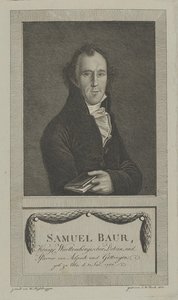
samuel baur
1768 - 1832 , Germany
Короткі факти
- Artistic Movement Or Style: Pastoral landscapes
- Date Of Birth: January 31, 1768
- Date Of Death: May 25, 1832
- Full Name: Samuel Baur
- Nationality: German
- Place Of Birth: Ulm, Germany