Contemporary Minimalism · 2010
Untitled (Рудольф Штінгель, 2010)
Рудольф Штінгель (1956) створив Untitled. Дата створення — 2010. Він належить до напряму Contemporary Minimalism. Виконано в Acrylic On Canvas. Екземпляр зберігається в Палаццо Ґрассі у Венеція, Італія. Розмір: 40 × 33 cm
- 2010
- Acrylic On Canvas
- 40 × 33 cm
- Палаццо Ґрассі, Венеція

 Переглянути в інтер'єрі

 Картина олією ручної роботи
 Надіслати як листівку
 Поділитися
 Інформаційна картка


 Завантажити
 Схожі екземпляри
 Рентгенівське дослідження
 Слайд-шоу
 Питання та відповіді

 Статистика
Untitled коротко
- Назва
- Untitled
- Художник
- Рудольф Штінгель (1956)
- Рік народження митця
- Мерано, Італія
- Дата
- 2010
- Матеріал
- Acrylic On Canvas
- Розміри
- 40 × 33 cm
- Де подивитися
- Палаццо Ґрассі, Венеція, Італія
- Сюжет
- texture, monochrome, sculpture, rhino, geometric, impasto
Що зображено на Untitled?
Rudolf Stingel’s ‘Untitled’: A Dialogue Between Medieval Iconography and Industrial Texture
Rudolf Stingel's oeuvre defies easy categorization, presenting an artist who consistently interrogates the boundaries between art and everyday life. His work isn’t merely aesthetically pleasing; it compels viewers to contemplate their own perceptions of beauty and artistic process—a deliberate provocation that distinguishes him from many contemporary practitioners. This essay delves into the conceptual core of ‘Untitled,’ examining its striking monochrome sculpture, exploring its fusion of disparate influences, and uncovering the profound emotional resonance embedded within its textured surface.The Sculpture’s Genesis: Material Transformation
Stingel's artistic approach begins with a radical reimagining of conventional materials. Rather than relying on traditional mediums like oil paint or marble, he utilizes industrial components—primarily styrofoam and cast polyurethane—to construct monumental sculptures that challenge preconceived notions about artistic expression. This deliberate selection speaks to Stingel’s fascination with the intersection between craft and industry, mirroring the broader cultural shift towards embracing repurposed materials and questioning established hierarchies within the art world. The process itself is equally significant: Stingel meticulously carves out geometric forms from these blocks of polyurethane, imprinting them with intricate patterns reminiscent of medieval iconography—a deliberate juxtaposition designed to disrupt visual expectations.Medieval Echoes: Symbolism and Iconographic Influence
The sculpture’s surface bears unmistakable traces of religious symbolism. Recurring motifs – crosses, halos, and stylized figures – echo the traditions of European art history, specifically referencing Byzantine icons and Renaissance frescoes. Stingel isn't attempting a literal representation; instead, he employs these symbols as points of reference to stimulate contemplation about faith, spirituality, and the enduring power of visual imagery. This layering of references elevates ‘Untitled’ beyond mere sculptural form, transforming it into a vehicle for conveying complex ideas about cultural heritage and artistic interpretation. The artist’s intention is not simply to reproduce recognizable images but to engage in a dialogue with art history itself.Texture as Emotional Resonance: Technique and Material Exploration
The sculpture's surface possesses an extraordinary tactile quality—a deliberate departure from the smooth, polished finishes typical of classical sculpture. Stingel employs a technique known as ‘carving out,’ where he removes material from the polyurethane block to reveal underlying textures that are then painstakingly smoothed and polished. This process creates surfaces that appear both monumental and subtly vulnerable, mirroring the artist’s exploration of materiality as an expressive medium. The resulting texture is deliberately uneven, capturing the marks of the carving process and emphasizing the physicality of the artwork—a conscious decision to counteract the perceived detachment of abstract sculpture and foster a connection between viewer and object.A Reflection on Perception: Artistic Intent
Ultimately, ‘Untitled’ serves as a meditation on how we perceive art and its relationship to our environment. Stingel's masterful manipulation of industrial material alongside classical iconography compels us to reconsider what constitutes beauty and artistic significance. The sculpture invites viewers to engage in an active process of interpretation—to consider the interplay between tradition and innovation, materiality and symbolism. It’s a testament to Stingel’s belief that art should provoke thought and emotion, pushing beyond mere visual gratification toward a deeper understanding of human experience.Concluding Thoughts: Beyond Representation
‘Untitled’ exemplifies Stingel's commitment to conceptual painting and installations—a genre characterized by its focus on ideas rather than literal depictions. He prioritizes the process of creation itself, demonstrating how readily available materials can be transformed into artworks that resonate with profound emotional depth. By juxtaposing industrial texture with religious iconography, Stingel compels us to confront our assumptions about art’s role in shaping cultural consciousness—a legacy that secures his place as one of the most distinctive voices in contemporary sculpture.У якому музеї зберігається Untitled?
Палаццо Ґрассі
Венеція, Італія
Переосмислений венеціанський шедевр: Душа Палаццо Ґрассі У самому серці Венеції, де Гранд-канал шепоче таємниці минулої морської імперії, височіє Палаццо Ґрассі — споруда, що слугує захопливим мостом між класичною елегантністю XVIII століття та провокативним пульсом сучасної епохи. Переступити його поріг — означає увійти в простір, де історія не просто мешкає в минулому, а активно веде діалог із теперішнім. Спочатку задуманий архітектором Джорджо Массарі для аристократичної родини Ґрассі, палаццо був спроектований як витончене втілення неокласичної величі.


Зображення високої роздільної здатності Untitled

Protected by copyright: these files are for personal reference, not a licence to republish.
Рудольф Штінгель, Untitled (2010), Палаццо Ґрассі.
Відповіді на запитання про Untitled
Де сьогодні можна побачити «Untitled» роботи Рудольф Штінгель?
Оригінал «Untitled» роботи Рудольф Штінгель зберігається в Палаццо Ґрассі, Венеція, Італія. Репродукція дозволяє прикрасити цим твором ваш дім.
У якому році було створено «Untitled» роботи Рудольф Штінгель?
«Untitled» роботи Рудольф Штінгель було створено у 2010 році.
Яка техніка була використана для створення «Untitled» роботи Рудольф Штінгель?
«Untitled» виконано в техніці Acrylic On Canvas.
Які реальні розміри має «Untitled» роботи Рудольф Штінгель?
Розміри оригіналу «Untitled» роботи Рудольф Штінгель становлять 33 x 40 cm. Репродукції можна замовити в інших розмірах із збереженням тих самих пропорцій.
Що зображено на творі "Untitled"?
«Untitled» роботи Рудольф Штінгель зображує: texture, monochrome, sculpture, rhino, geometric, impasto, religion.
Чи можна вільно відтворювати зображення «Untitled» роботи Рудольф Штінгель?
Статус авторського права для «Untitled» роботи Рудольф Штінгель: цей твір є все ще перебуває під захистом авторського права. Це визначає, чи можна вільно створювати репродукції зображення.
Хто є автором "Untitled"?
Автором твору «Untitled» є Рудольф Штінгель. Робота внесена до каталогу під іменем Рудольф Штінгель.
До якого стилю належить "Untitled"?
«Untitled» роботи Рудольф Штінгель належить до течії Contemporary Minimalism. Цей напрям визначає стилістичний контекст твору.
До якого періоду творчості Рудольф Штінгель належить твір "Untitled"?
У межах творчого шляху Рудольф Штінгель твір "Untitled" належить до періоду Late Period. Ця фаза дозволяє порівняти його з іншими роботами митця.
Про художника Рудольф Штінгель
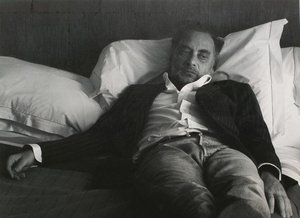
1956, Італія
Рудольф Штінгель
Рудольф Штінгель: Біографія Народився: Мерано, Італія (1956) Теперішнє місце проживання: Нью-Йорк, США Національність: італієць Ранні роки та художній шлях Рудольф Штінгель заявив про себе як про вагому постать на мистецькій арені наприкінці 1980-х років. Спочатку він здобув визнання завдяки своїм монохромним полотнам, створеним переважно в період з 1987 по 1994 рік, які вирізнялися сріблястими поверхнями з ледь помітними відтінками червоного, жовтого або синього. Цей ранній етап заклав фундамент інтересу Штінгеля до дослідження текстури та сприйняття. У 1990-х роках його творчий розвиток здійснив доленосний поворот: митець почав експериментувати з більш насиченими кольорами та фактурами.
Есе до твору Untitled
 Spontaneity and Matter: Distinguishing CoBrA from Art InformelMaster the differences between CoBrA and Art Informel with our expert guide. Learn to identify these post-war movements today.
 10 Iconic Masterpieces Defining the Contemporary Art EraExplore 10 iconic works defining the contemporary era. Discover museum-quality masterpieces on OriginalUniqueArt.com.
 Color & Emotion: The 25 Most Iconic Masterpieces by Mark RothkoImmerse yourself in the profound emotion of Abstract Expressionism. Explore 25 iconic Mark Rothko masterpieces, from his signature color fi…