

 Переглянути в інтер'єрі
 Надіслати
 Поділитися
 Деталі
 Посібник

 Завантажити
 Схожі предмети колекціонування
 Рентгенівське дослідження
 Слайд-шоу
 Статистика переглядів
St Ivo (detail)


 Читати далі
Придбайте цифрову копію високої роздільної здатності з покращеною якістю, що значно перевершує онлайн-перегляд.
Кожен файл ретельно підготовлений нашими фахівцями за допомогою сучасних інструментів та професійної ручної ретуші. Ми гарантуємо виняткову чіткість, точну передачу кольору та високу деталізацію кожного зображення.
Фінальний файл надсилається електронною поштою протягом 72 годин і оптимізований для негайного використання у професійних виданнях та друкованих матеріалах. Таку якість обирають провідні дизайнерські студії, видавництва та галереї.
Цифрове зображення
Завантажте файл високої роздільної здатності для особистого використання, друку та творчих проєктів. ( Перейти до друку Купити картину ручної роботи)
Що входить у кожне замовлення цифрових зображень
Експертна цифрова доставка з гарантією якості
Обираючи OriginalUniqueArt.com, ви отримуєте не просто зображення — ви отримуєте професійно вдосконалений цифровий витвір мистецтва, створений з надзвичайною точністю та підкріплений гарантією задоволення. Ось усе, що автоматично додається до вашого замовлення:

Швидка доставка на email
Ваш цифровий файл із зображенням високої роздільної здатності буде надісланий вам електронною поштою протягом 72 годин після оформлення замовлення — він буде готовий до негайного використання.

Цифровий файл із покращенням ШІ
Ваш витвір мистецтва професійно оптимізовано за допомогою передових інструментів штучного інтелекту та ручної корекції, що забезпечує максимальну деталізацію, чіткість і точність передачі кольорів.

Безкоштовне повторне завантаження назавжди
Випадково видалили або втратили файл? Не хвилюйтеся — ми надішлемо його вам повторно в будь-який час безкоштовно.

Без митних зборів — завжди
Насолоджуйтесь вашим витвором мистецтва миттєво без жодних мит, зборів або плати за доставку — цифрові завантаження завжди не оподатковуються.

Гарантія точності кольорів
Ми гарантуємо максимально точне відтворення оригінальних кольорів на вашому цифровому зображенні завдяки використанню професійних інструментів та систем управління кольором.

100-денна гарантія задоволення клієнта
Якщо ви не задоволені придбаним цифровим зображенням, ми внесемо правки або повернемо 100% вартості протягом 100 днів — без зайвих запитань.

Гарантія повернення 100% коштів
Незадоволені покупкою? Отримайте повне повернення коштів протягом 100 днів після отримання цифрового файлу — без зайвих запитань.

Знижки на оптові замовлення
Купуйте 3 зображення — заощаджуйте 10% — Купуйте 5 — заощаджуйте 15% — Купуйте 10+ — заощаджуйте 20%. Чудово підходить для творчих проєктів, галерей та агентств.
A Window into Emotion: Examining Rogier van der Weyden’s ‘St Ivo’
Rogier van der Weyden’s “St Ivo,” painted circa 1450, stands as a testament to the burgeoning humanist spirit of the Early Netherlandish Renaissance while simultaneously anchoring itself in deeply rooted Christian iconography. More than just a depiction of a cityscape—a bustling town nestled beneath a commanding castle—the painting operates on multiple levels, inviting contemplation about faith, human experience, and artistic mastery.
- Subject Matter: The scene portrays Saint Ivo, a Flemish saint venerated for his piety and devotion to God. He is positioned prominently within the composition, gazing outwards with an expression of serene contemplation—a hallmark of van der Weyden’s signature style.
- Style & Technique: Van der Weyden's approach distinguishes itself from its predecessors through a profound commitment to emotional realism. Unlike earlier depictions that prioritized idealized forms and distant perspectives, “St Ivo” captures the palpable atmosphere of medieval life with meticulous attention to detail. The artist employs oil paint on panel—a technique favored for its luminosity and ability to render textures convincingly—resulting in an image brimming with nuanced shading and subtle color variations.
- Historical Context: Created during a period marked by significant intellectual and artistic advancements, “St Ivo” reflects the humanist fascination with portraying human emotion authentically. The painting’s setting—a fortified town—symbolizes protection from external threats, both physical and spiritual, aligning perfectly with Saint Ivo's role as guardian of faith.
- Symbolism: The inclusion of a river flowing through the cityscape serves as a powerful visual metaphor for the flow of life itself, mirroring the saint’s unwavering devotion to God. Furthermore, the castle represents authority and divine providence—a reminder that earthly concerns are ultimately subordinate to spiritual aspirations.
Detailed Examination: Artistic Innovation & Emotional Resonance
What truly elevates “St Ivo” beyond mere visual representation is van der Weyden’s masterful manipulation of light and shadow. Observe how the artist skillfully utilizes chiaroscuro—the dramatic contrast between illuminated areas and darkened recesses—to sculpt Saint Ivo's figure and imbue the entire scene with a sense of depth and realism unparalleled in its time. This technique wasn’t merely aesthetically pleasing; it served to heighten the emotional impact of the image, conveying Saint Ivo’s inner tranquility and spiritual contemplation.
- Color Palette: The painting utilizes a restrained yet harmonious color palette dominated by earthy tones—browns, ochres, and reds—reflecting the prevailing artistic conventions of the period. However, subtle variations in hue contribute to the overall sense of atmosphere and enhance the visual richness of the composition.
- Compositional Arrangement: Van der Weyden’s compositional choices are deliberate and purposeful. The central figure is positioned at eye level, drawing the viewer's gaze directly into Saint Ivo’s contemplative expression. Surrounding elements—the castle, the river, and the figures within the town—are arranged to create a balanced visual narrative that reinforces the painting’s thematic concerns.
Legacy & Influence: A Masterpiece Enduring Through Time
"St Ivo" remains an enduring symbol of artistic excellence and emotional depth. Its influence can be traced throughout subsequent generations of painters, who sought to emulate van der Weyden's groundbreaking technique and profound sensitivity to human psychology. Today, reproductions of this iconic artwork continue to inspire admiration for its beauty and intellectual sophistication—a testament to the artist’s unwavering commitment to capturing the essence of faith and human experience with breathtaking precision.
Біографія митця
A Master of Emotion: The Life and Legacy of Rogier van der Weyden
Rogier de la Pasture – known to history as Rogier van der Weyden – emerged from the bustling city of Tournai, Belgium, around 1400, as a pivotal figure in the burgeoning world of Early Netherlandish painting. While the details of his early life remain somewhat shrouded in mystery, it’s believed he initially honed his skills not with brush and pigment alone, but through a rigorous apprenticeship as a goldsmith. This formative training instilled within him an unwavering dedication to meticulous detail and a refined sensibility for craftsmanship – qualities that would become instantly recognizable hallmarks of his artistic style. The precision demanded by working with precious metals undoubtedly translated into the exquisite rendering of textures, fabrics, and expressions that define his most celebrated masterpieces. He wasn’t merely depicting reality; he was meticulously recreating it, imbued with an almost reverent attention to detail, striving to capture not just what *was*, but how it *felt*.From Tournai to Brussels: A Rising Star
By 1427, van der Weyden had ascended to the rank of master within the esteemed Guild of Saint Luke in Tournai – a significant milestone that solidified his position as a professional artist and opened doors to prestigious commissions. His rise continued dramatically when he entered the service of Philip the Good, Duke of Burgundy, in 1435 – a patronage that would profoundly shape his career for the remainder of his life. Serving as court painter afforded him not only financial security and access to an elite circle of influence but also exposure to some of the most discerning eyes of the era. It was during this period, amidst the opulent courts of Burgundy, that van der Weyden’s artistic vision truly began to mature, moving away from the somewhat rigid conventions of earlier Netherlandish painters towards a more emotionally resonant and naturalistic approach. He wasn't simply painting religious scenes; he was striving to evoke genuine feeling in the viewer, to create an experience that transcended mere observation – a profound shift in the way art engaged with its audience.The Language of Feeling: Style and Technique
Rogier van der Weyden’s artistic signature is immediately recognizable through several defining characteristics. His palette was remarkably rich and diverse, a vibrant tapestry of colors carefully chosen to avoid repetition and create depth and complexity within his compositions. He possessed an extraordinary ability to convey profound emotion – *pathos* – particularly in depictions of religious subjects like the *Lamentation*, where grief and sorrow are palpable. This emotional intensity wasn’t achieved through dramatic gestures or exaggerated expressions; rather, it was subtly woven into the very fabric of the painting, conveyed through delicate nuances of facial expression, body language, and composition. His figures, while adhering to the conventions of the time – often depicted with a dignified, almost sculptural quality – demonstrate a growing interest in realistic representation – not just in anatomy and drapery, but also in capturing the psychological states of his subjects. They possess an air of solemnity and reverence, lending them a timeless quality. He masterfully employed oil paint, building up layers of translucent glazes to achieve luminous effects and create a sense of depth and realism that was revolutionary for its time. The use of *chiaroscuro* – the dramatic interplay of light and shadow – further heightened the emotional impact of his works.Notable Works and Enduring Masterpieces
Throughout his prolific career, van der Weyden produced numerous works that stand as testaments to his artistic prowess. *St Luke Drawing a Portrait of the Madonna*, housed in the Museum of Fine Arts, Boston, showcases his mastery of oil on panel and meticulous observation. The *Lamentation*, residing in the Musée des Beaux-Arts Tournai, Belgium, is perhaps his most celebrated work – a powerfully emotive depiction of Christ’s mourning, renowned for its dramatic use of *chiaroscuro* and its ability to evoke profound sorrow in the viewer. Multiple versions of *The Deposition* exist, each demonstrating his skill in conveying grief and drama with breathtaking sensitivity. The *Annunciation*, a masterpiece of refined style and attention to detail, exemplifies his ability to imbue even the most traditional subjects with a sense of freshness and vitality. And finally, the intricate and richly detailed *Bladelin Triptych* stands as a monumental achievement – a complex altarpiece that showcases the full range of van der Weyden’s artistic abilities. These works, and many others, continue to captivate audiences today, solidifying his position as one of the most important painters of the 15th century.Lasting Influence: A Legacy Forged in Paint
Van der Weyden's influence extended far beyond the borders of his native Flanders. His works were highly sought after throughout Europe, particularly in Italy and Spain, where they introduced a new level of emotional depth and naturalism to local artistic traditions. Although his fame experienced a period of relative decline in the 17th century, a rediscovery during the 19th century cemented his place as one of the most important painters of the 15th century. He stands alongside Jan van Eyck and Robert Campin as one of the “three great” Early Flemish masters, each contributing uniquely to the development of Northern Renaissance art. His innovative techniques and emotionally charged compositions paved the way for future generations of artists, inspiring countless imitators and influencing the course of Western painting for centuries to come. He helped establish oil painting as the dominant medium and elevated the status of the artist within society, transforming them from skilled craftsmen into revered creators. Rogier van der Weyden’s legacy continues to resonate today, a testament to his enduring genius and his profound understanding of the human condition.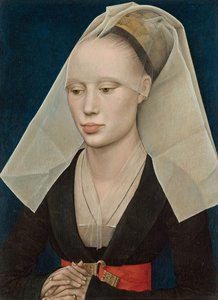
Рогорій ван дер Вейден
1400 - 1464 , Бельгія
Коротко про автора
- Artistic Movement Or Style: Ранньонідерландське живопис
- Artists Or Movements Influenced By This Artist:
- Італьянський Ренесанс
- Іспанська живопис
- Artists Who Influenced This Artist:
- Робер Кампін
- Ян ван Ейк
- Date Of Birth: c. 1400
- Date Of Death: 1464
- Full Name: Rogier van der Weyden
- Nationality: Бельгійський
- Notable Artworks:
- Скорбна сцена
- Плачуща Діва
- Поховання Христа
- Place Of Birth: Tournai, Бельгія