
 Переглянути в інтер'єрі
 Надіслати
 Поділитися
 Деталі
 Посібник

 Завантажити
 Схожі предмети колекціонування
 Рентгенівське дослідження
 Слайд-шоу
 Статистика переглядів
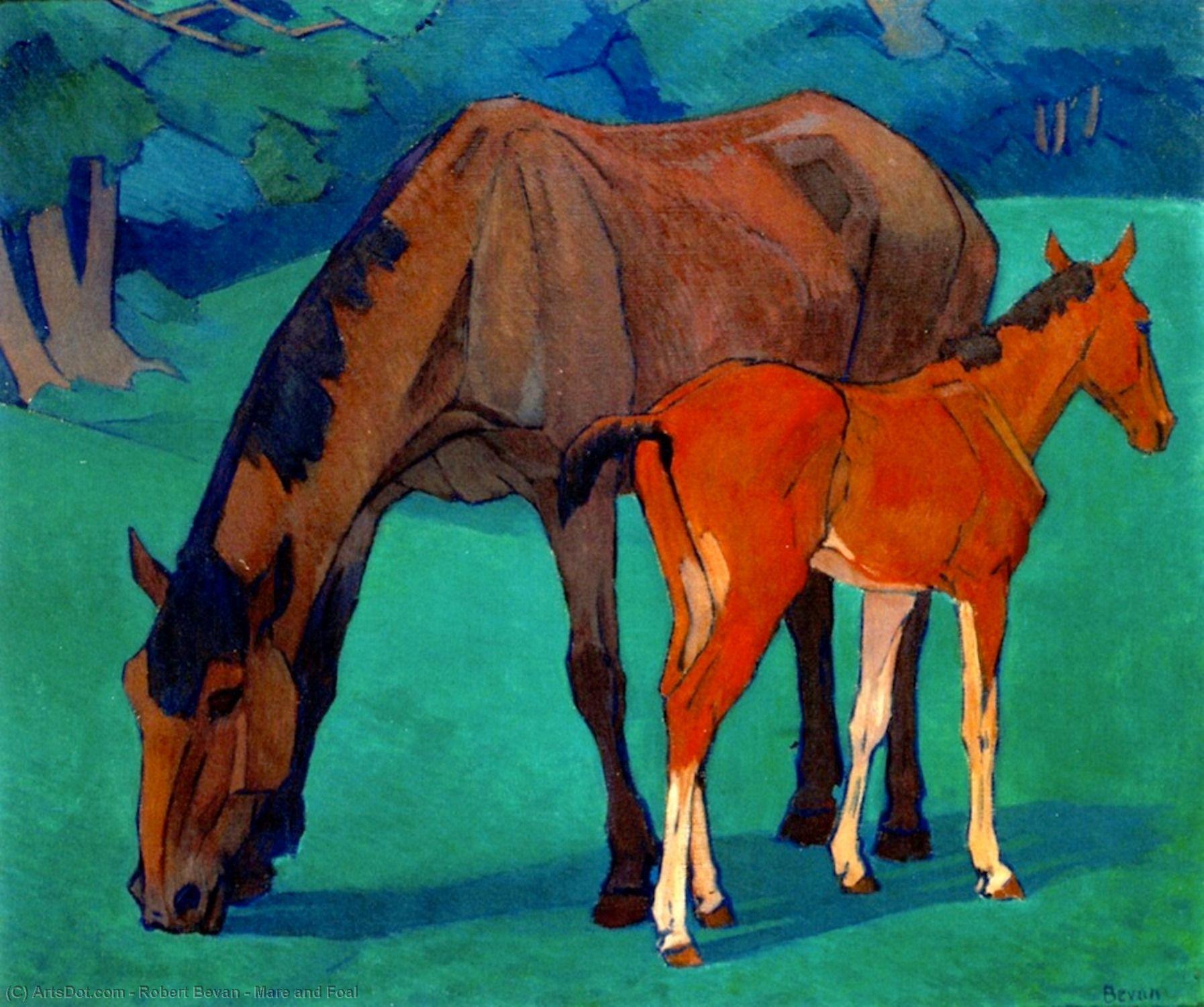
Mare and Foal
 Олія на полотні
- Настінне мистецтво
- Post-Impressionism
 1917
1917- — Модерн
 56.0 x 66.0 cm
 Читати далі
Придбайте цифрову копію високої роздільної здатності з покращеною якістю, що значно перевершує онлайн-перегляд.
Кожен файл ретельно підготовлений нашими фахівцями за допомогою сучасних інструментів та професійної ручної ретуші. Ми гарантуємо виняткову чіткість, точну передачу кольору та високу деталізацію кожного зображення.
Фінальний файл надсилається електронною поштою протягом 72 годин і оптимізований для негайного використання у професійних виданнях та друкованих матеріалах. Таку якість обирають провідні дизайнерські студії, видавництва та галереї.
Цифрове зображення
Завантажте файл високої роздільної здатності для особистого використання, друку та творчих проєктів. ( Перейти до друку Купити картину ручної роботи)
Що входить у кожне замовлення цифрових зображень
Експертна цифрова доставка з гарантією якості
Обираючи OriginalUniqueArt.com, ви отримуєте не просто зображення — ви отримуєте професійно вдосконалений цифровий витвір мистецтва, створений з надзвичайною точністю та підкріплений гарантією задоволення. Ось усе, що автоматично додається до вашого замовлення:

Швидка доставка на email
Ваш цифровий файл із зображенням високої роздільної здатності буде надісланий вам електронною поштою протягом 72 годин після оформлення замовлення — він буде готовий до негайного використання.

Цифровий файл із покращенням ШІ
Ваш витвір мистецтва професійно оптимізовано за допомогою передових інструментів штучного інтелекту та ручної корекції, що забезпечує максимальну деталізацію, чіткість і точність передачі кольорів.

Безкоштовне повторне завантаження назавжди
Випадково видалили або втратили файл? Не хвилюйтеся — ми надішлемо його вам повторно в будь-який час безкоштовно.

Без митних зборів — завжди
Насолоджуйтесь вашим витвором мистецтва миттєво без жодних мит, зборів або плати за доставку — цифрові завантаження завжди не оподатковуються.

Гарантія точності кольорів
Ми гарантуємо максимально точне відтворення оригінальних кольорів на вашому цифровому зображенні завдяки використанню професійних інструментів та систем управління кольором.

100-денна гарантія задоволення клієнта
Якщо ви не задоволені придбаним цифровим зображенням, ми внесемо правки або повернемо 100% вартості протягом 100 днів — без зайвих запитань.

Гарантія повернення 100% коштів
Незадоволені покупкою? Отримайте повне повернення коштів протягом 100 днів після отримання цифрового файлу — без зайвих запитань.

Знижки на оптові замовлення
Купуйте 3 зображення — заощаджуйте 10% — Купуйте 5 — заощаджуйте 15% — Купуйте 10+ — заощаджуйте 20%. Чудово підходить для творчих проєктів, галерей та агентств.
A Tender Encounter in Color and Light
In the quietude of 1917, amidst a world often defined by upheaval, Robert Polhill Bevan captured a moment of profound stillness and maternal grace in his masterpiece, Mare and Foal. This exquisite oil on canvas serves as more than just a pastoral scene; it is an intimate window into the heartbeat of the natural world. The composition centers on the tender bond between a mother horse and her young offspring, positioned with a delicate proximity that suggests a shared breath. As the foal nuzzles against its mother, the viewer is drawn into a sanctuary of peace, where the boundaries between animal and environment seem to dissolve into a singular, harmonious existence.
The painting’s strength lies in its ability to evoke emotion through the masterful application of color and texture. Bevan, a pioneer of British Modernism, moves beyond mere representation to embrace a more expressive language. His use of bold brushstrokes lends a rhythmic vitality to the grass and the sturdy forms of the horses, while his palette—rich with vivid, sun-drenched tones—breathes life into the landscape. The three trees rising in the background do not merely provide depth; they act as silent sentinels, framing the central figures and grounding the scene in a sense of timelessness and permanence.
The Mastery of Modernist Technique
To observe Mare and Foal is to witness the intersection of Impressionist light and the burgeoning energy of early 20th-century modernism. Bevan’s technique, honed during his transformative years in Paris, allows him to manipulate the medium of oil on canvas to achieve a remarkable level of luminosity. The way light dances across the coats of the horses and filters through the surrounding greenery demonstrates a sophisticated understanding of shadow and atmosphere. This interplay of light creates a tactile quality, where one can almost feel the softness of the foal's coat and the sturdy weight of the mare.
For the discerning collector or interior designer, this piece offers a rare balance of structural strength and emotional warmth. The painting’s composition is balanced yet dynamic, making it an ideal focal point for spaces that require a sense of calm sophistication. Unlike more chaotic modern works, Bevan’s approach in this period retains a classical reverence for subject matter while utilizing a contemporary, expressive hand. It is a work that invites the eye to linger, rewarding repeated viewings with new discoveries of color nuance and textural depth.
A Timeless Legacy for the Modern Interior
Beyond its aesthetic brilliance, Mare and Foal carries a symbolic weight that resonates across generations. The theme of maternal protection and the innocence of youth are universal, making the artwork deeply relatable to any viewer. In an era where art is often used to define the character of a home, this reproduction offers an infusion of serenity and organic beauty. It brings the restorative power of nature indoors, acting as a bridge between the wild, untamed world and the curated elegance of a contemporary living space.
Whether placed in a sunlit gallery or a quiet study, the painting serves as a testament to the enduring power of the natural bond. It stands alongside the works of great innovators like Picasso and Repin, not merely as a depiction of animals, but as an exploration of life's most fundamental rhythms. For those seeking to invest in art that inspires contemplation and provides a sense of groundedness, Bevan’s 1917 triumph remains an incomparable choice—a soulful fragment of history captured in vibrant, everlasting oil.
Біографія митця
Robert Polhill Bevan (1865–1925): British Painter & Camden Town Group Founder
Robert Polhill Bevan, born in Hove in 1865, occupies a pivotal yet often understated position within the narrative of early 20th-century British art. Emerging from a Quaker background steeped in banking connections – his parents were Richard Alexander Bevan and Laura Maria Polhill – he defied conventional expectations to become a daring innovator, a key figure in the transition from Impressionism towards more radical explorations of color and form. His journey was one of constant experimentation, absorbing influences from across Europe while forging a distinctly personal artistic vision that would profoundly impact the development of modern art in Britain. Bevan’s early education at Westminster School of Art under Fred Brown provided a solid foundation, but it was his subsequent studies at the Académie Julian in Paris that truly ignited his creative spark. There, he encountered a constellation of rising stars – Paul Sérusier, Pierre Bonnard, Édouard Vuillard, and Maurice Denis – artists who were challenging academic conventions and embracing new approaches to painting. These encounters proved formative, exposing Bevan to the principles of synthetism and laying the groundwork for his future explorations.Brittany, Fauvism, and The Pursuit of Pure Color
The influence of Brittany on Bevan’s artistic development cannot be overstated. Two significant journeys in 1890 and 1891 immersed him in the atmosphere of Pont-Aven, a small coastal town that had become a magnet for artists seeking an alternative to Parisian salon culture. The bold colors and simplified forms championed by artists like Gauguin resonated deeply with Bevan, influencing his early drawings and prints. He was particularly drawn to the expressive use of pigment—a deliberate rejection of Impressionistic optical blending—and sought to capture the essence of Breton landscape through a technique that prioritized color over meticulous detail. This fascination with pure color foreshadowed the emergence of Fauvism on the continent, demonstrating Bevan’s willingness to embrace artistic movements that prioritized emotional impact and visual vibrancy. His painting “Courtyard” stands as a remarkable example of this proto-Fauvist approach, showcasing his bold chromatic palette and expressive brushwork—a stylistic choice that distinguished him from many of his contemporaries. The encounter with Gauguin wasn't merely inspirational; it fundamentally altered Bevan’s artistic sensibilities, prompting him to reconsider the role of color in conveying emotion and capturing the immediacy of experience.The Camden Town Group & Collaborative Artistic Vision
Bevan was not an artist who worked alone; he actively sought connection with like-minded individuals, playing a crucial role in the formation of several influential art groups. As a founding member of the Camden Town Group—alongside artists such as Spencer Gore and Charles Ginner—he joined forces with fellow painters determined to depict modern urban life and challenge established artistic norms. This collective spirit extended to his involvement with the London Group and the Cumberland Market Group, further demonstrating his commitment to progressive artistic movements. The group’s aim was to move beyond traditional academic painting, exploring new techniques and subjects that reflected the realities of contemporary British society—a bold undertaking that demanded a willingness to experiment and embrace unconventional approaches. Bevan's collaboration with fellow artists fostered a dynamic exchange of ideas, shaping his artistic vision and contributing to the broader evolution of British art during this period. He was particularly interested in capturing the atmosphere of London’s Camden Town—a vibrant hub of bohemian culture—through canvases infused with bold color and expressive brushstrokes.Technique & Artistic Expression: Divisionism and Beyond
Bevan's artistic technique evolved considerably throughout his career, reflecting his ongoing engagement with innovative approaches to painting. Initially influenced by Impressionistic principles—particularly the observation of light and color—he gradually adopted a divisionist or pointillist method, championed by artists like Georges Seurat. This technique involved applying tiny dots of pigment onto canvas, rather than blending colors together—a deliberate departure from Impressionism that prioritized visual impact and textural richness. His painting “Ploughing on the Downs” exemplifies this stylistic choice, demonstrating his mastery of divisionist principles and capturing the grandeur of the Sussex landscape with remarkable precision. Furthermore, Bevan’s exploration extended beyond divisionism; he experimented with various mediums and techniques—including lithography—to convey his artistic vision in diverse ways. His willingness to embrace experimentation underscored his belief that art should serve as a vehicle for conveying emotion and capturing the essence of experience—a conviction that resonated throughout his oeuvre.Legacy & Recognition: A Lasting Impression
Robert Polhill Bevan’s legacy extends far beyond his individual paintings. He is rightfully recognized as a pioneer of modern British art, particularly for his early adoption of Fauvist principles and his unwavering commitment to exploring innovative artistic techniques. His influence on subsequent generations of painters is undeniable, shaping the trajectory of British painting in the years leading up to World War I. Bevan’s contribution to the Camden Town Group was instrumental in fostering a collective artistic vision that challenged academic conventions and embraced new approaches to depicting modern life—a pivotal moment in British art history. He remained active until his death in 1925, continuing to produce paintings and prints that reflected his lifelong fascination with landscape and his dedication to capturing the beauty of the natural world. Bevan’s work is held in prominent collections across Britain and internationally—including Tate Gallery, Brighton Art Gallery, and The Fitzwilliam Museum—ensuring that his artistic vision continues to inspire audiences today. His bold experimentation and unwavering belief in expressive color cemented his place as one of the most important figures in British Modernism.
Роберт Полхилл Бевен
1865 - 1925 , Великобританія
Коротко про автора
- Artistic Movement Or Style: Фавизм, Дівізіонізм
- Artists Or Movements Influenced By This Artist: ['Камден Таун Группа']
- Artists Who Influenced This Artist:
- Валтер Сікерт
- Павло Gauguin
- Date Of Birth: 1865
- Date Of Death: 1925
- Full Name: Robert Polhill Bevan
- Nationality: Британський
- Notable Artworks:
- Поля у Блекдаун-Хиллс
- Курячий гніздо
- Дім Кенсінгтонський
- Place Of Birth: H Hove, Великобританія