Cubism · 1912
Window (Робер Делоне, 1912)
Робер Делоне (1885–1941) створив Window. Дата створення — 1912. Він належить до напряму Cubism. Виконано в Oil. Екземпляр зберігається в Tate Liverpool у Ліверпуль, United Kingdom.
- 1912
- Oil
- Tate Liverpool, Ліверпуль

 Переглянути в інтер'єрі

 Картина олією ручної роботи
 Надіслати як листівку
 Поділитися
 Інформаційна картка


 Завантажити
 Схожі екземпляри
 Рентгенівське дослідження
 Слайд-шоу
 Питання та відповіді

 Статистика
Window коротко
- Назва
- Window
- Художник
- Робер Делоне (1885–1941)
- Рік народження митця
- Париж, Франція
- Дата
- 1912
- Матеріал
- Oil
- Де подивитися
- Tate Liverpool, Ліверпуль, United Kingdom
- Рух
- Cubism
- Період
- Modern
- Сюжет
- abstract, geometric shapes, color palette, window motif, orphism influence, luminosity
Що зображено на Window?
A Symphony of Light and Geometry
In the early twentieth century, as the world stood on the precipice of profound transformation, Robert Delaunay captured a moment of pure, luminous transcendence in his 1912 masterpiece, "Window." This work is far more than a mere depiction of a windowpane; it is an invitation to witness the birth of Orphism, a movement that sought to liberate color from the constraints of representational form. To gaze upon this painting is to step into a realm where light does not simply illuminate objects but becomes the subject itself. Delaunay masterfully distills the sensory experience of perception, transforming a simple architectural element into a complex mosaic of interlocking rectangles and vibrant squares that seem to pulse with an internal energy.
The brilliance of "Window" lies in its ability to evoke a sense of rhythmic movement through static shapes. Through a sophisticated technique of layered paint application—often incorporating the rich, tactile quality of encaustic wax alongside traditional oils—Delaunay achieved a depth that feels almost ethereal. The subtle gradations of pigment within each geometric cell create a shimmering effect, reminiscent of sunlight filtering through stained glass. This meticulous manipulation of color density allows the viewer to experience a visual dynamism that transcends the flat surface of the canvas, making the piece feel as though it is breathing with light.
The Orphic Vision: Color as Emotion
At the heart of this composition lies the radical philosophy of Orphism. Moving away from the analytical fragmentation of Cubism, Delaunay and his contemporaries embraced a more lyrical approach, prioritizing the emotional resonance of pure color. In "Window," there is no attempt to replicate the naturalistic world; instead, the artist uses hues of deep blue, radiant yellow, and warm orange to communicate a sense of harmony and cosmic order. This focus on pure abstraction allows the painting to function as an emotional landscape, where the interplay of light and shadow serves as a metaphor for the clarity and chaos of human existence.
For the discerning collector or interior designer, this piece offers a unique opportunity to introduce a focal point of sophisticated energy into a space. The painting’s vibrant palette and structured composition make it an ideal centerpiece for modern, minimalist, or even classical interiors, providing a burst of intellectual and visual stimulation. It does not merely decorate a wall; it transforms the atmosphere of a room, inviting contemplation and a renewed appreciation for the beauty found in geometric precision.
A Legacy of Harmony Amidst Change
The historical context of "Window" adds a layer of profound poignancy to its visual splendor. Created during an era of significant societal upheaval, the painting serves as a radiant antidote to the anxieties of the pre-war period. While much of the art of this time grappled with the fragmentation of reality, Delaunay sought to synthesize it, finding a way to weave disparate elements into a cohesive, beautiful whole. This pursuit of geometric harmony reflects a deep-seated desire for stability and beauty amidst a changing world.
Owning a high-quality reproduction of this seminal work allows one to possess a fragment of art history—a piece that embodies the courage of innovation and the timeless allure of light. "Window" remains a testament to the power of abstraction to touch the human spirit, offering a window not just into a room, but into the very essence of light and color.
У якому музеї зберігається Window?
Tate Liverpool
Ліверпуль, United Kingdom
Маяк сучасного мистецтва серед причальної спадщини Розташована в самому серці історичного пульсу Королівського Альберт-доку в Ліверпулі, галерея Tate Liverpool постає як глибоке свідчення водночас художніх інновацій та поетичної краси адаптивного використання простору. Ця вражаюча інституція представляє захопливе поєднання, де індустріальна суворість колишнього складу зустрічається з витонченою елегантністю сучасних шедеврів. З моменту свого заснування у 1988 році галерея слугує життєво важливою культурною пам'яткою — досягнення, що стало можливим завдяки амбітній архітектурній візії бюро James Stirling Architects.

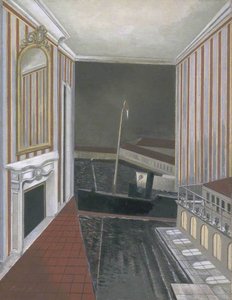

Зображення високої роздільної здатності Window

Суспільне надбання: художник помер у 1941 році.
Інші розміри, кадри та цитування →Робер Делоне, Window (1912), Tate Liverpool. Суспільне надбання
Відповіді на запитання про Window
Де сьогодні можна побачити «Window» роботи Робер Делоне?
Оригінал «Window» роботи Робер Делоне зберігається в Tate Liverpool, Ліверпуль, United Kingdom. Репродукція дозволяє прикрасити цим твором ваш дім.
У якому році було створено «Window» роботи Робер Делоне?
«Window» роботи Робер Делоне було створено у 1912 році.
Яка техніка була використана для створення «Window» роботи Робер Делоне?
Техніка виконання «Window» роботи Робер Делоне — Oil. Репродукції мають на меті відтворити вигляд цієї техніки.
Які сюжети зображені у «Window» роботи Робер Делоне?
Сюжетами твору "Window" є abstract, geometric shapes, color palette, window motif, orphism influence, luminosity, composition.
Чи не захищений твір "Window" авторським правом?
Статус авторського права для «Window» роботи Робер Делоне: цей твір є є суспільним надбанням — термін дії авторського права закінчився. Це визначає, чи можна вільно створювати репродукції зображення.
Якому художнику приписують роботу "Window"?
Автором твору «Window» є Робер Делоне. Робота внесена до каталогу під іменем Робер Делоне.
До якого стилю належить "Window"?
Мистецький напрям, до якого належить «Window» роботи Робер Делоне, — це Cubism. Така класифікація дозволяє розмістити цей твір у контексті суміжних митців та творів мистецтва.
До якого періоду творчості Робер Делоне належить твір "Window"?
«Window» належить до Mature Period творчого шляху Робер Делоне. Ця класифікація пов’язує твір із етапом становлення митця.
Скільки років було Робер Делоне, коли він(ла) створив(ла) "Window"?
Робер Делоне створив(ла) «Window» у віці 27 років. Митець народився(лася) у 1885, а дата створення твору — 1912.
Про художника Робер Делоне

1885–1941, Франція
Робер Делоне
Robert Delaunay - Пионер Абстрактного Цвета: Жизнь и Искусство Роберта Делауэя Robert Delaunay, родившийся в Париже в 1885 году, стал ключевой фигурой в радикальных художественных сдвигах начала XX века. Хотя изначально он был привлечен более традиционными формами живописи, его путь привел к исследованию цвета и света, что в конечном итоге определило его наследие и внесло значительный вклад в рождение абстрактного искусства. Делауэй не только интересовался *представлением* мира; он искал запечатлеть его самую суть через яркий язык геометрических фигур и лучистых оттенков, объединившись с женой Сонией Делауэей и другими единомышленниками, чтобы основать орфизмское движение. Его ранние годы были отмечены определенной нестабильностью – родители развелись вскоре после его рождения, и он был взращен родственниками – но это возможно, способствовало независимой личности, которая успешно бросала вызов художественным конвенциям.
Також за участю Робер Делоне
 Місто Париж1912
 Вежа Ейфеля1914
 The Eiffel Tower1910
 La ville de Paris1911
Есе до твору Window
 Топ-10 шедеврів геометричної абстракції: мистецтво для вашого інтер'єру від OriginalUniqueArt.comВідкрийте для себе 10 шедеврів геометричної абстракції від Кандинського, Малевича та Мондріана! Історія мистецтва, кольори та форми. Репрод…
 Mastering the Post-Impressionist Vision: A Definitive Guide to the Geometric Soul of Cézanne’s ArtistryExplore the profound legacy of Paul Cézanne. Discover how his mastery of geometric forms and vibrant color bridged Impressionism and Cubism…
 Orphism vs Synchromism: Distinguishing Color, Light, and FormMaster the distinction between Orphism and Synchromism through expert analysis of color and form. Explore the roots of abstraction now.