

 Переглянути в інтер'єрі
 Надіслати як листівку
 Поділитися
 Деталі витвору
 Посібник

 Завантажити
 Схожі екземпляри
 Рентгенівське дослідження
 Слайд-шоу
 Q&A
Q&A Статистика
Landscape (Wanaka)
 Watercolor
- WallArt
- Impressionism
 1939
1939 22.0 x 27.0 cm
 Te Papa
 Розгорнути текст
Мистецький твір, представлений на цій сторінці, захищений законом про авторське право, що унеможливлює легальне створення або продаж його ідентичної репродукції. Цей захист забезпечується відповідно до міжнародних угод, таких як Бернська конвенція та національним законодавством, зокрема положеннями, що викладені в Законодавство США про авторське право — Розділ 17. Всі права захищені. Будь-яке використання без дозволу заборонено.
Цей метод повністю відповідає нормам авторського права, оскільки він не передбачає копіювання чи дублювання захищеного твору мистецтва. Натомість це творче переосмислення — створення нового малюнка під впливом оригіналу, який не є його точним відтворенням.
Гікле / Художній принт
Друк جيкле або на полотні музейної якості з оперативним виготовленням та різноманітними варіантами фінішної обробки. ( Замовити картину ручної роботи Перейти до цифрових зображень)




P118B ₴10

P118H ₴10

P118W ₴10

P438Z ₴10

P508JH ₴12

P508YH ₴12

P805H ₴10

P805Z ₴10

P919BZ ₴10

P919G ₴10

P919XJ ₴10

P959ZH ₴10

P968JZ ₴12

W106C ₴8

W218G ₴10

W218JH ₴8

W218Y ₴10

W307PJ ₴10

W316G ₴10

W316PJ ₴8

W316Y ₴10

W398PJ ₴8

W4111J ₴10

W500HY ₴15

W500JH ₴15

W692G ₴12

W849H ₴8

W940BG ₴15

W953PJ ₴8




Обирайте з наших стандартних розмірів, що відповідають оригінальним пропорціям твору мистецтва.

Введіть необхідну ширину та висоту, щоб принт ідеально підійшов до вашої рами або стіни. Принт можна лише обрізати, але не можна зробити більшим за оригінал, тому при зміні пропорцій частина зображення буде втрачена. Перед друком ми надсилаємо вам цифровий макет для затвердження. Зображення на цій сторінці не відображає реальну обрізку — її можна побачити лише на макеті.
Доставка по всьому світу () за 2 тижні замість стандартних 4/5 тижнів. (30 Жовтень)

Безкоштовна експрес-доставка по всьому світу

Високоякісне лляне полотно

Повне страхове покриття доставки

Гарантія повернення митних зборів

Гарантія точного відтворення кольорів

Політика повернення протягом 100 днів (лише у разі виявлення дефектів)

Гарантія повернення 100% коштів

Пропозиція на оптові замовлення
 Скляний варіант доступний лише для розмірів до 110 см

Landscape (Wanaka)
Гікле / Художній принт
Розмір репродукції
-


Підсумкова вартість
₴ 3586
A Moment Frozen in Time: Rita Angus’s “Landscape (Wanaka)”
Rita Angus's "Landscape (Wanaka)," painted in 1939, isn’t merely a depiction of a New Zealand vista; it’s a carefully constructed meditation on light, memory, and the profound connection between humanity and the natural world. Captured with her signature hard-edged style – a deliberate rejection of Impressionism's hazy atmosphere – Angus presents a remarkably precise yet deeply felt portrayal of the Wanaka landscape. The painting immediately draws the eye to the rolling tussock hills, rendered in fluid washes of color that suggest both the ruggedness and the surprising softness of the terrain. The purple-tinged mountain ranges in the distance aren’t simply sketched; they're imbued with a sense of ethereal mystery, hinting at the vastness and timelessness of the region.
Angus’s technique is particularly noteworthy. She employs a wet-on-wet watercolor approach, layering translucent washes to build up form and texture. The deliberate use of white paper – leaving sections untouched with unpainted areas – creates a dynamic interplay between color and void, adding a surprising element of lightness and highlighting the delicate structure of the landscape. These ‘holes’ in the paint aren't accidental; they are integral to Angus’s vision, acting as visual punctuation marks that draw attention to key elements and contribute to the painting’s overall sense of immediacy. The fine lines meticulously capturing trees and a distant fence suggest an almost obsessive attention to detail, balanced by the broader, more atmospheric treatment of the hills and mountains.
A Pioneer's Perspective: Contextualizing Angus’s Vision
To fully appreciate “Landscape (Wanaka),” it’s essential to understand Rita Angus’s place in New Zealand art history. Born in 1908, she emerged as a leading figure during a period of intense artistic experimentation and national identity formation. Following her father's work as a construction manager, Angus spent much of her childhood moving between Palmerston North and Napier, an experience that instilled in her a keen observational eye and a sense of independence. Her early training at the Canterbury College School of Art laid the foundation for her distinctive style, influenced by movements like Cubism and Byzantine art – influences she skillfully integrated into her own unique vision.
The painting was created during a time of significant social and political change in New Zealand. The Great Depression loomed large, and there was a growing desire to define a distinctly ‘New Zealand’ aesthetic—one that moved beyond European artistic traditions. Angus's work, with its focus on the landscape and its rejection of romanticized notions of beauty, can be seen as part of this broader movement. Her decision to sign her paintings as Rita McKenzie after a personal upheaval reflects a deliberate assertion of agency and control over her own identity and artistic legacy.
Symbolism in the Landscape: More Than Meets the Eye
Beyond its purely visual appeal, “Landscape (Wanaka)” is rich with symbolic meaning. The vast expanse of green pasture, punctuated by white flowers, evokes a sense of abundance and fertility – a direct reference to the pastoral traditions of New Zealand. The distant mountains, rendered in cooler tones, represent permanence and stability, anchoring the scene within a broader historical context. The carefully placed picket fence, a seemingly minor detail, serves as a subtle reminder of human presence and intervention within this wild landscape.
Furthermore, the painting’s stark clarity can be interpreted as a response to the uncertainties of the era. Angus's deliberate rejection of atmospheric perspective—flattening the depth of field—suggests a desire to confront reality head-on, rather than softening it with illusionistic techniques. The painting isn’t simply about depicting a beautiful scene; it’s about capturing a specific moment in time and conveying a complex range of emotions – from tranquility and serenity to a sense of quiet contemplation.
Bringing “Landscape (Wanaka)” into Your Space
Reproductions of Rita Angus's "Landscape (Wanaka)" offer a remarkable opportunity to bring this evocative artwork into your home or office. The painting’s bold colors, sharp lines, and dynamic composition create a striking visual impact that will undoubtedly become a focal point in any room. The interplay between color and white space adds depth and dimension, while the meticulous detail invites close inspection and contemplation.
Whether you're an art collector seeking to expand your collection or simply looking for a piece of artwork that embodies New Zealand’s unique beauty and artistic spirit, “Landscape (Wanaka)” is a truly exceptional choice. Its timeless appeal and profound emotional resonance ensure that it will continue to captivate viewers for generations to come.
Питання та відповіді
Наскільки яскраво відбивають світло кольори у творі "Landscape (Wanaka)"?
Зафіксована яскравість для «Landscape (Wanaka)» роботи Рита Анджус становить Bright Balance.
Чи можу я скористатися доповненою реальністю, щоб побачити «Landscape (Wanaka)» роботи Рита Анджус у своїй кімнаті?
Для твору "Landscape (Wanaka)" доступна функція попереднього перегляду в доповненій реальності: на сторінці Перегляд в AR ви можете побачити його у власному інтер'єрі за допомогою сумісного пристрою.
Як я можу придбати цифровий файл «Landscape (Wanaka)» роботи Рита Анджус?
Щоб отримати цифровий файл твору «Landscape (Wanaka)» роботи Рита Анджус, замовте завантаження цифрового зображення високої роздільної здатності на його сторінці Цифрове зображення високої якості.
Біографія митця
A Pioneering Vision: The Life and Art of Rita Angus
Henrietta Catherine Angus, a name forever etched in the annals of New Zealand art, was born on March 12, 1908, in Hastings – a small coastal town that would profoundly shape her artistic sensibility. Her early life was marked by constant relocation due to her father’s career as a carpenter and construction worker, a nomadic upbringing that instilled within her a keen observational eye and an independent spirit—qualities that would later inform her distinctive artistic vision. As the eldest of seven children, Rita demonstrated an exceptional talent for drawing from a young age, receiving private lessons that nurtured her burgeoning passion. Her formal education at Palmerston North Girls’ High School from 1922 to 1926 provided a solid foundation, with teachers recognizing and encouraging her innate abilities—a recognition that set the stage for her future artistic pursuits. This early exposure to art history and traditional techniques proved crucial in shaping her later style.Forging a Distinctive Style: Influences and Innovation
Rita Angus’s artistic journey was not one of simple imitation, but rather a dynamic process of absorbing influences and forging her own unique voice. Her marriage in 1930 to fellow artist Alfred Cook, though ultimately short-lived, coincided with a period of intense creative exploration. During this time, she began to develop a style characterized by bold colors, sharp lines, and simplified forms—a departure from the prevailing realism of the era. She was deeply influenced by the works of Renaissance masters like Vermeer and Cézanne, whose use of light and perspective resonated profoundly with her artistic sensibilities. Furthermore, Angus’s travels throughout Europe in the 1940s exposed her to Byzantine art, a style known for its rich symbolism and dramatic intensity—elements that she skillfully incorporated into her own work. The geometric fragmentation of Cubism also played a significant role, as did the evocative landscapes of Christopher Perkins, whose paintings captured the unique light and atmosphere of New Zealand’s South Island. Crucially, Angus wasn't simply replicating these influences; she was synthesizing them—transforming them through her own personal vision to create something entirely new. Her art became a reflection of her inner world, a testament to her love for humanity and her unwavering belief in the power of art to communicate profound truths.Landscapes of the Soul and Portraits of Identity: Themes and Techniques
The 1930s and 1940s witnessed the blossoming of Rita Angus’s artistic career, as she began exhibiting her work with increasing recognition within the Canterbury Society of Arts. Her landscapes—particularly those depicting the rugged beauty of Canterbury and Otago—became a defining feature of her oeuvre. Paintings like *Cass* (1936), a deceptively simple depiction of a small railway station, quickly gained popularity, demonstrating her ability to capture both the physical details and the emotional essence of a scene. However, Angus’s artistic output extended far beyond landscapes; she was equally adept at portraiture, skillfully capturing not just likeness but also the inner lives and personalities of her subjects. Her portraits were often imbued with a sense of psychological depth—revealing hidden emotions and unspoken narratives. During this period, she also created a powerful series of goddess images – *Rutu* being perhaps the most iconic – which explored themes of peace, resilience, and feminine strength. These works reflected her pacifist beliefs and her deep concern for social justice. Angus’s technical skill was matched by her willingness to experiment with color and composition—often employing bold, unconventional palettes and dynamic arrangements to create a sense of movement and energy.Legacy and Enduring Influence: A New Zealand Icon
Rita Angus's life was not without its challenges; the dissolution of her marriage in 1934 left her facing financial hardship and emotional distress. Despite these difficulties, she continued to paint with unwavering dedication, producing some of her most significant works during this period. In the late 1940s, she experienced a severe mental health crisis and was admitted to Sunnyside Mental Hospital, but emerged from this experience with renewed determination. Her final years were marked by a move to Wellington and a continued exploration of new subjects—including cityscapes, landscapes, and self-portraits. The creation of over fifty self-portraits during her career is a testament to her introspective nature and her willingness to confront her own identity. Rita Angus’s legacy extends far beyond the canvases she created; she remains a pivotal figure in New Zealand art history—a pioneer who challenged conventional artistic norms, embraced innovation, and ultimately left behind a body of work that continues to inspire and captivate audiences today. Her home in Wellington has been preserved as the Rita Angus Cottage, now an artist residency, ensuring that her spirit and creative vision will continue to resonate for generations to come. Her commitment to art, coupled with her profound belief in its power to express peace, humanity, and individual identity, ensures that her work will resonate with audiences for years to come.
Рита Анджус
1908 - 1970 , Нова Зеландія
Короткі факти
- Artistic Movement Or Style: Модернізм, регіоналізм
- Artists Who Influenced This Artist: ['Christopher Perkins']
- Date Of Birth: 12 березня 1908
- Date Of Death: 25 січня 1970
- Full Name: Henrietta Catherine Angus
- Nationality: Новозеландка
- Notable Artworks:
- Cass (1936)
- Rutu
- Central Otago
- Fay and Jane Birkinshaw
- Self-portraits
- Place Of Birth: Гастінгс, Нова Зеландія
Пов'язані статті

Ephemeral Visions: Exploring the Artistic Legacy & Contemporary Practice of Watercolor Painting
Explore the captivating world of watercolor painting! Discover its rich history, essential techniques, influential artists & collecting tips. A comprehensive guide for art enthusiasts from OriginalUniqueArt.

Топ-10 легендарних акварелей, що змінили світ мистецтва | OriginalUniqueArt
Відкрийте для себе 10 легендарних акварелей від Turner, Monet та інших майстрів! Історія мистецтва, техніки живопису та натхнення для декору вашого дому. Купуйте репродукції картин аквареллю преміум-якості на OriginalUniqueArt.com.

Ephemeral Visions: Exploring the History & Emotional Resonance of Watercolor Painting
Explore the captivating history of watercolor painting, from ancient techniques to modern masters like Kandinsky & Blake. Discover essential artists, collecting tips & the emotional power of this luminous medium. Expert insights for art enthusiasts.

Ephemeral Visions: Exploring the Artistic Legacy & Nuances of Watercolor Painting
Explore the captivating world of watercolor painting! Discover its rich history, essential techniques, influential artists & collecting tips from art experts. A comprehensive guide for enthusiasts.
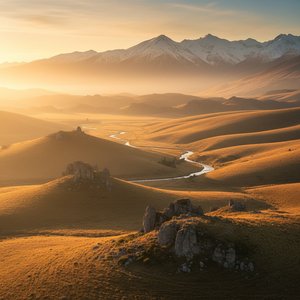
Grahame Sydney: Evoking Otago's Soul Through Light & Landscape
Explore the captivating landscapes of Sir Grahame Sydney, a leading New Zealand artist renowned for his magic realism & evocative depictions of Otago's beauty. Discover key works and delve into his artistic legacy.