

 Надіслати
 Поділитися
 Деталі
 Посібник

 Завантажити
 Схожі предмети колекціонування
 Слайд-шоу
 Статистика переглядів
Inkwell tray


 Читати далі
Олійная репродукція ручної роботи
Написана вручну олією на полотні у вашому розмірі та рамі, виготовлена на замовлення нашими художниками. ( Перейти до друку Перейти до цифрових зображень)




































Обирайте з наших стандартних розмірів, що відповідають оригінальним пропорціям твору мистецтва.

Ви можете вказати власні розміри, щоб репродукція ідеально підійшла до конкретної рами або інтер'єру. Якщо вибраний вами розмір не відповідає пропорціям оригіналу, ми або обріжемо полотно, або доповнимо картину додатковими елементами, промальованими вручну. Цифровий макет буде надіслано вам на затвердження перед початком виробництва.
Зверніть увагу, що попередній перегляд на екрані не відображає фактичне обрізання або розширення зображення. Тільки макет точно покаже остаточну композицію.
Хоча ми можемо виготовити виріб у нестандартному розмірі, для збереження оригінальних пропорцій рекомендуємо обирати варіанти зі встановленого списку.
Після оформлення замовлення команда OriginalUniqueArt.com зв'яжеться з клієнтом електронною поштою для отримання інструкцій та надасть попередній макет
Доставка по всьому світу () за 3–4 тижні замість стандартних 5 тижнів. (21 Вересень). Без жодних компромісів у якості.

Безкоштовна експрес-доставка по всьому світу

Високоякісне лляне полотно

Повне страхове покриття доставки

Гарантія повернення митних зборів

Гарантія точного відтворення кольорів

Політика повернення протягом 100 днів (лише у разі виявлення дефектів)

Гарантія повернення 100% коштів

Знижка на оптові замовлення
 Скляний варіант доступний лише для розмірів до 110 см

Inkwell tray
Техніка репродукції
Розмір репродукції
-


Загальна вартість
$ 300
A Glimpse into the Heart of Art Nouveau
René Jules Lalique’s “Inkwell Tray,” crafted in 1903, isn't merely a decorative object; it’s a meticulously rendered tableau vivant – a living picture – plucked from the dramatic heart of Greek mythology. This exquisite piece transcends its functional purpose as an inkwell holder, transforming instead into a poignant meditation on love, loss, and the inescapable consequences of desire. Lalique, a pivotal figure in the Art Nouveau movement, possessed a singular ability to infuse everyday objects with a sense of ethereal beauty and profound narrative depth. The tray embodies this philosophy perfectly, inviting contemplation long after its visual allure has faded.
The scene depicted is undeniably arresting: Nessus, the centaur, a figure traditionally associated with untamed passion and primal instinct, carries Deianira, Hercules’s wife, upon his back. This isn't a triumphant conquest; rather, it’s a moment of agonizing vulnerability, a desperate plea for rescue caught in the throes of a fatal mistake. The composition is deliberately unbalanced, mirroring the precariousness of Deianira’s situation and the impending doom that hangs heavy in the air. Lalique masterfully captures this tension through the dynamic positioning of the figures – Nessus's powerful form contrasted with Deianira’s exposed state, her face etched with a mixture of terror and resignation.
The Alchemy of Materials: Silver, Glass, and Opalescence
Lalique’s genius lay not only in his artistic vision but also in his innovative use of materials. The tray is constructed from a masterful combination of sterling silver and opaline glass, two elements that he deeply admired for their inherent qualities. The silver, meticulously sculpted into the figures of Nessus and Deianira, provides a stark, almost brutal contrast to the luminous softness of the glass. This juxtaposition immediately draws attention to the central drama unfolding within the scene.
The opaline glass, chosen for its subtle iridescence and ability to capture light, is particularly noteworthy. Lalique was fascinated by glass throughout his career, viewing it as a material capable of capturing both form and emotion. The use of opaline – a type of translucent glass with a milky appearance – lends the base of the tray an otherworldly quality, suggesting a dreamlike state or perhaps even the shimmering veil between life and death. The technique involved in creating this piece likely utilized lost-wax casting for the silver figures, ensuring their intricate detail and sculptural integrity, while the glass plate was molded to achieve its smooth, organic curves.
A Legacy of Collaboration and Artistic Vision
It’s important to acknowledge that Lalique's creative process rarely occurred in isolation. The “Inkwell Tray” is a testament to his collaborative spirit, born from partnerships with his father-in-law and brother-in-law – both accomplished sculptors who contributed their expertise to the creation of the silver figures. This collaboration speaks volumes about Lalique’s belief in shared artistic endeavors and his willingness to draw upon diverse talents to realize his ambitious visions. The inclusion of Rodin's influence is also evident, particularly in the dynamic poses and expressive faces of the sculpted figures.
The choice of opaline glass on the base plate further underscores this connection to nature and Lalique’s fascination with light. It echoes the translucent quality of water or ice, subtly referencing the myth's aquatic setting – the river Styx, where Nessus met his demise. This deliberate reference elevates the tray beyond a simple decorative object, transforming it into a symbolic representation of the tragic narrative at its core.
Echoes of Art Nouveau and Beyond
The “Inkwell Tray” stands as a quintessential example of Art Nouveau’s emphasis on organic forms, flowing lines, and emotional resonance. Lalique's work embodies the movement's fascination with nature, mythology, and the beauty of the feminine form. However, it also anticipates elements of Art Deco, particularly in its refined craftsmanship and elegant aesthetic. The piece continues to resonate today, not only for its exquisite artistry but also for its timeless exploration of universal themes – love, betrayal, and the enduring power of myth.
Біографія митця
A Life Forged in Beauty: The World of René Lalique
René Jules Lalique, a name synonymous with the ethereal beauty of Art Nouveau and the sleek elegance of Art Deco, was more than just a jeweller or glass designer—he was an innovator, a poet of materials, and a true artist who redefined luxury for his time. Born in Aÿ, France, on April 6th, 1860, Lalique’s journey began amidst the rolling hills of Champagne, a landscape that would forever imprint itself upon his artistic sensibility. Early summers spent with his maternal grandparents instilled within him a deep reverence for nature, a theme that would become utterly central to his creations. This idyllic upbringing was disrupted by a move to the Parisian suburbs, yet the memory of Aÿ remained potent, fueling his later naturalistic glasswork and imbuing it with an organic grace. The untimely death of his father propelled young René into apprenticeship with goldsmith Louis Aucoc, setting him on a path that would ultimately revolutionize both jewellery and glass artistry. He further honed his skills at the École des Arts Décoratifs in Paris and even ventured to London for studies at the Crystal Palace School of Art, absorbing diverse influences that shaped his unique aesthetic vision.From Jewellery to Glass: A Revolutionary Aesthetic
Lalique’s early career blossomed as a freelance designer for prominent French jewelry houses like Cartier and Boucheron during the 1880s. However, it was in 1890, with the opening of his own boutique in Paris' Opéra district, that Lalique truly began to forge his distinctive style. He swiftly became known for rejecting the prevailing opulent aesthetic, favoring instead a more organic and imaginative approach. He wasn’t interested merely in showcasing precious stones; he sought to elevate materials often considered secondary – horn, ivory, enamel, and crucially, glass – to equal status with diamonds and rubies. This was revolutionary. His jewelry became miniature sculptures, teeming with life: dragonflies with iridescent wings crafted from plique-à-jour enamel, orchids rendered in delicate gold filigree, peacocks displaying their plumage in vibrant gemstones. These weren’t simply adornments; they were wearable works of art, imbued with a sense of movement and naturalism rarely seen before. His designs resonated deeply with the spirit of Art Nouveau, embracing flowing lines, organic forms, and a celebration of the feminine form. He quickly garnered a devoted clientele, including celebrated actress Sarah Bernhardt, who commissioned numerous pieces that reflected her own dramatic persona. The use of unconventional materials like horn and enamel alongside precious stones demonstrated his desire to break from traditional jewelry-making conventions.The Allure of Glass: A New Artistic Horizon
While Lalique’s jewelry established his reputation, it was his exploration of glass that cemented his legacy. His collaboration with perfumer François Coty in 1907 proved pivotal. Coty commissioned Lalique to design bottles for his perfumes, recognizing the potential to elevate fragrance presentation beyond simple functionality. This partnership marked a turning point, leading Lalique to dedicate himself increasingly to glassmaking. He acquired the Verrerie d'Alsace in 1921, allowing him to experiment with mass production techniques while maintaining artistic control. This wasn’t about creating cheap imitations; it was about making beauty accessible. The Art Deco era saw Lalique’s glasswork reach new heights of sophistication. He moved away from the flowing curves of Art Nouveau towards more geometric forms and streamlined designs, reflecting the modern spirit of the age. Vases, bowls, chandeliers, and even automobile hood ornaments—each piece bore the hallmark of his exquisite craftsmanship and innovative techniques like cire perdue (lost-wax casting) and frosted glass finishes. His work became synonymous with luxury and elegance, adorning the homes of discerning collectors worldwide, including Calouste Sarkis Gulbenkian, who amassed an impressive collection of over 140 Lalique pieces. The Verrerie d'Alsace allowed him to scale production while retaining his artistic vision, creating a truly unique blend of artistry and industrial innovation.Influences and Techniques
Lalique’s work was profoundly influenced by several key elements. Firstly, his childhood in Aÿ instilled within him a deep connection to nature, which he consistently translated into his designs—particularly through the depiction of flora and fauna. Secondly, he drew inspiration from Japanese art, incorporating its delicate lines, asymmetrical compositions, and emphasis on natural forms. His mastery of techniques like *plique-à-jour* (a technique for creating stained glass with translucent enamel) and *cire perdue* (lost-wax casting), allowed him to achieve incredible detail and realism in his creations. He was a pioneer in using glass as a sculptural medium, pushing the boundaries of what was considered possible with this versatile material. Lalique’s innovative approach extended beyond aesthetics; he meticulously researched and experimented with different types of glass, developing new techniques for coloring, shaping, and finishing them.A Lasting Legacy: Family, Influence, and Remembrance
René Lalique’s influence extends far beyond his own creations. He not only transformed the fields of jewelry and glass but also inspired generations of artists and designers. His daughter, Suzanne Lalique, continued the family artistic tradition as a painter and set designer for the Comédie-Française. His granddaughter, Marie Claude-Lalique, carried on the legacy of glassmaking until her death in 2003. The Maison Lalique continues to thrive today, upholding the standards of quality and artistry established by its founder. René Lalique passed away in Paris on May 1st or 5th, 1945, and was laid to rest in Père Lachaise Cemetery, a fitting final resting place for an artist whose work embodies both beauty and enduring spirit. His creations can be found in prestigious museums around the world, including the Musée d'Orsay, serving as a testament to his profound impact on art history. René Lalique wasn’t simply creating objects; he was crafting dreams, capturing the ephemeral beauty of nature, and leaving an indelible mark on the aesthetic landscape of the 20th century. His work remains a powerful reminder that true artistry lies in the ability to transform ordinary materials into extraordinary expressions of human creativity.
Рене Лалік
1860 - 1945 , Франція
Довідкова інформація
- Artistic Movement Or Style: Ар-нуво, Ар-деко
- Artists Or Movements Influenced By This Artist:
- Еміль Галле
- Луїсі Буваль
- Artists Who Influenced This Artist:
- Клод Моне
- Огюст Ренуар
- Date Of Birth: 6 квітня 1860
- Date Of Death: 1-5 травня 1945
- Full Name: René Jules Lalique
- Nationality: Француз
- Notable Artworks:
- Ваза з Святим Альбертом
- Подвійна подвеска
- 'Жіноча обличчя' подвеска
- Place Of Birth: Ай, Марне, Франція
Схожі статті

10 Легендарних Бронзових Шедеврів, Які Змінили Мистецтво | OriginalUniqueArt
Відкрийте для себе 10 легендарних бронзових шедеврів, що змінили мистецтво! Історія створення, художні техніки та вплив скульпторів Ренесансу й Античності. Купуйте репродукції картин на OriginalUniqueArt.com – музейна якість для вашого дому.

10 легендарних бронзових скульптур, що змінили мистецтво | OriginalUniqueArt
Відкрийте 10 легендарних бронзових скульптур, що змінили хід мистецтва! Дізнайтесь історії Мікеланджело, Родена та інших геніїв. Репродукції картин преміум-класу для вашого дому – на OriginalUniqueArt.com

The Enduring Form: Exploring Themes & Techniques in Sculpture Across Historical Periods
Explore the rich history of sculpture from ancient masterpieces to contemporary innovations. Discover key techniques, influential artists & investment potential for discerning art collectors.

The Enduring Form: Sculpture Across History, Technique & Emotional Resonance
Explore the rich history of sculpture with OriginalUniqueArt. Discover key techniques, influential artists & investment potential for discerning collectors. Expert insights into valuing and collecting timeless masterpieces.
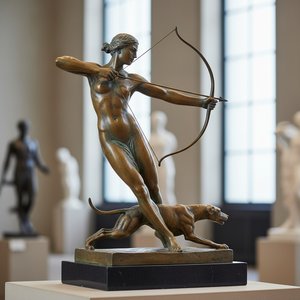
Paul Manship: Reassessing the Master of American Art Deco Sculpture
Explore the captivating world of Paul Manship, a leading figure in American Art Deco sculpture. Discover his iconic works like Prometheus, influence on modernism, and investment potential. Expert insights for collectors.

