 Олія на полотні
 Все про Fantasy







































 Для творів мистецтва або репродукцій, розмір яких перевищує 105 см (приблизно 41 дюйм) з будь-якого боку, рама доставляється у вигляді розібраного комплекту. Такий метод гарантує безпечну доставку та запобігає пошкодженням під час транспортування.


The Composition of Emergence
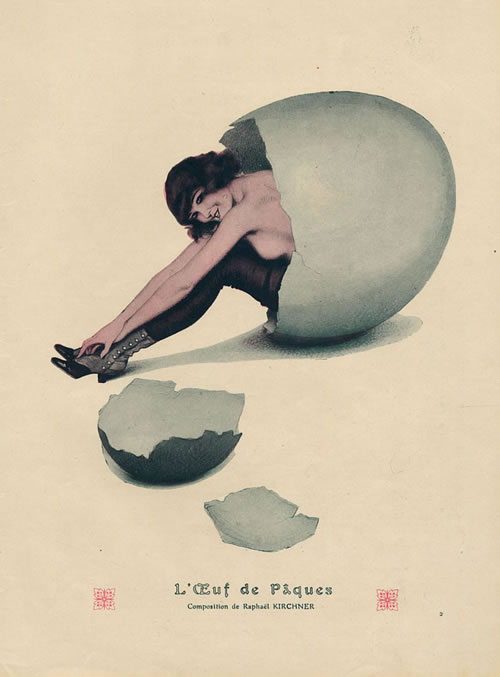
The artwork presents a central figure of a nude woman positioned within the hollow of a large, fractured eggshell. The shell is broken into several irregular, geometric fragments that surround the organic form of the body. The woman's skin is rendered in pale cream and beige tones, contrasting with the darker, shadowed recesses of the shell's interior. Her form is defined by soft, continuous lines that trace the contours of her limbs and torso. The lighting is diffused, creating subtle gradients of shadow across the smooth surface of her skin and the textured, matte surfaces of the eggshell. The background remains neutral, focusing all visual weight on the intersection of the broken calcium structure and the human figure. This arrangement creates a sense of depth through the layering of the shell fragments in the foreground and the figure in the midground.
Technical and Stylistic Attributes
The piece utilizes a muted color palette dominated by shades of ivory, cream, and light tan. The medium appears to be ink on paper, evidenced by the tonal variations and the precision of the line work. The style aligns with the transition between Symbolism and early Surrealism, characterized by a focus on dreamlike subject matter and non-literal representation. The following elements define the visual structure:
- The use of organic shapes to represent the human body and the egg.
- The use of geometric, sharp-edged shapes to represent the cracked shell.
- A flattened perspective that emphasizes the symbolic arrangement over spatial realism.
- A soft, non-directional light source that minimizes harsh highlights.
Historical Context and Symbolism
Created in 1914, this work emerged during a period of significant transition in European art. The subject matter utilizes the egg as a symbol of birth, renewal, or the unveiling of internal potential. The juxtaposition of the rigid, broken shell and the soft, emerging figure suggests a moment of transition from a confined state to an open one. This imagery reflects the broader artistic shifts occurring in the early 20th century, where artists moved away from strict realism toward more psychological and symbolic depictions of the human condition. The work's aesthetic, characterized by a blend of technical precision and ethereal subject matter, is consistent with the Art Nouveau influences prevalent in the era.
Питання та відповіді
Fantasy — це ручна робота чи принт?
Написано вручну: професійний художник відтворює Fantasy олією на лляному полотні.
Який розмір мені обрати для Fantasy?
Розміри варіюються від 36.8 x 27.2 cm (₴9076) до 245.0 x 181.0 cm (₴74425); у таблиці на цій сторінці наведено доступні варіанти та їхню вартість.
Скільки триває доставка?
Доставка займає від 4 до 5 тижнів із безкоштовною експрес-доставкою по всьому світу; на цій сторінці також доступна опція термінового виготовлення. Ви можете повернути товар протягом 100 днів і отримати повне відшкодування без жодних додаткових умов.
Чи є оригінал Fantasy малюнком чи живописом?
Малюнок: Рафаель Кіршнер, виконаний у техніці Ink On Paper.
 Переглянути в інтер'єрі

 Надіслати як листівку
 Поділитися
 Деталі витвору
 Інформаційна картка


 Завантажити
 Схожі екземпляри
 Рентгенівське дослідження
 Слайд-шоу
 Питання та відповіді

 Статистика


