

 Надіслати
 Поділитися
 Деталі
 Посібник

 Завантажити
 Схожі предмети колекціонування
 Слайд-шоу
 Статистика переглядів
Triumph of Cybele
 Fresco
- Renaissance
 1509
1509- Renaissance
 76.0 x 71.0 cm
 Читати далі
Гікле / Художній принт
Музейна якість друку جيкле або на полотні з оперативним виготовленням та різноманітними варіантами фінішної обробки. ( Купити картину ручної роботи Перейти до цифрових зображень)




































Обирайте з наших стандартних розмірів, що відповідають оригінальним пропорціям твору мистецтва.

Ви можете вказати власні розміри, щоб репродукція ідеально підійшла до конкретної рами або інтер'єру. Якщо обраний вами розмір не відповідає пропорціям оригіналу, ми або обріжемо полотно, або розширимо зображення за допомогою дзеркального відображення чи суцільної заливки країв. Перед початком виробництва вам буде надіслано цифровий макет для затвердження.
Будь ласка, зверніть увагу, що попередній перегляд на екрані не відображає фактичне обрізання або розширення. Тільки макет точно покаже фінальну композицію.
Хоча можливість замовлення індивідуальних розмірів доступна, ми рекомендуємо обирати формат із попередньо визначеного списку, щоб зберегти оригінальні пропорції.
Доставка по всьому світу () за 2 тижні замість стандартних 4/5 тижнів. (27 Вересень)

Безкоштовна експрес-доставка по всьому світу

Високоякісне лляне полотно

Повне страхове покриття доставки

Гарантія повернення митних зборів

Гарантія точного відтворення кольорів

Політика повернення протягом 100 днів (лише у разі виявлення дефектів)

Гарантія повернення 100% коштів

Знижка на оптові замовлення
 Скляний варіант доступний лише для розмірів до 110 см

Triumph of Cybele
Гікле / Художній принт
Розмір репродукції
-


Загальна вартість
$ 80
A Celestial Procession: The Majesty of Cybele
In the delicate dance of Renaissance splendor, few works capture the ethereal intersection of myth and grandeur as poignantly as Pinturicchio’s Triumph of Cybele. This exquisite masterpiece, dating from approximately 1509, presents a vision of divine authority that transcends time. At the heart of the composition sits the goddess Cybele, seated with an air of effortless command upon her ceremonial chariot. She is flanked by two majestic lions, their powerful forms acting as both guardians and symbols of the untamed nature brought into harmony under her reign. The scene is not merely a depiction of a mythological event but a carefully orchestrated tableau of power, where the wild strength of the beasts meets the refined grace of the divine feminine.
The composition is masterfully balanced, utilizing a sense of depth that draws the viewer into a lush, classical landscape. A solitary tree rises on the left, its verdant presence adding a layer of organic dimension to the scene, while the arrangement of the figures suggests a movement forward—a triumphal procession frozen in a moment of eternal glory. For the discerning collector or interior designer, this piece offers a profound sense of equilibrium and classical elegance, making it an ideal focal point for spaces that demand both intellectual depth and aesthetic sophistication.
The Artistry of the Umbrian Master
Pinturicchio, a virtuoso of the Italian Renaissance, brings to this work his signature ability to blend the intricate, decorative charm of the Gothic tradition with the burgeoning humanism of his era. The technique employed here reflects the artist's profound connection to antiquity; much of the inspiration for this ceiling panel was drawn from the remnants of Nero’s Golden House in Rome and ancient sarcophagi. This reverence for the classical past is evident in the meticulous detail of the drapery, the vibrant, jewel-like palette, and the soft, luminous quality of the light that bathes the goddess.
The artist's workshop contributed to a style characterized by refined grace rather than raw anatomical tension. Instead, we find an emphasis on decorative splendor—a feast for the eyes where every brushstroke serves to enhance the ornamental beauty of the subject. The use of color is particularly striking, with rich tones that evoke the opulence of the Palazzo del Magnifico in Siena, where this work was originally destined to reside. This mastery of color and detail ensures that a high-quality reproduction of this piece retains its ability to transform a room, imparting a sense of historical weight and artistic prestige.
Symbolism and the Legacy of Grandeur
Beyond its visual allure, the Triumph of Cybele serves as a complex tapestry of symbolism. The presence of the lions is a potent metaphor for the subjugation of primal instincts to higher wisdom and order. As part of a larger decorative program for the powerful Pandolfo Petrucci, the painting likely functioned as an allegory for the stability and magnificence of his rule. To possess or display such an image is to invite themes of leadership, harmony, and the triumph of civilization into one's environment.
For those seeking to curate a collection that speaks of heritage and timelessness, this work offers unparalleled inspiration. It is more than a mere painting; it is a window into the Renaissance soul, capturing a moment where the myths of old were breathed into new life through the hands of a master. Whether integrated into a contemporary minimalist setting or a classic, richly appointed study, the Triumph of Cybele continues to command attention, offering an enduring legacy of beauty and strength.
Біографія митця
Bernardino di Betto, Known as Pinturicchio
Bernardino di Betto, known to the world as Pinturicchio – a nickname affectionately bestowed upon him for his diminutive stature – emerged from the artistic heartland of Perugia in 1454. His life unfolded during a period of immense cultural ferment, the High Renaissance blossoming across Italy, yet Pinturicchio carved out a unique path, one that blended the lingering elegance of Gothic traditions with the burgeoning innovations of the era. While giants like Leonardo da Vinci and Michelangelo strove for anatomical perfection and dramatic realism, Pinturicchio cultivated a style characterized by refined grace, intricate detail, and a vibrant, decorative sensibility. His journey wasn’t one of revolutionary upheaval, but rather of exquisite refinement – a testament to his skill in transforming established forms into something uniquely captivating.Early Years and Training
Pinturicchio’s formative years remain somewhat shrouded in mystery, though it is believed he honed his skills under the guidance of lesser-known Perugian masters like Bonfigli and Fiorenzo di Lorenzo. These early influences undoubtedly instilled in him a deep appreciation for Gothic aesthetics—a preference for luminous colors, stylized figures, and elaborate ornamentation—which would permeate his subsequent artistic endeavors. Giorgio Vasari recounts that Pinturicchio served as an assistant to Pietro Perugino, a leading figure of the Umbrian school, a collaboration that undeniably shaped his artistic development. This connection proved crucial in securing a commission for the Sistine Chapel in Rome during the early 16th century.The Sistine Chapel Frescoes: A Collaboration of Giants
According to Vasari, Pinturicchio served as an assistant to Pietro Perugino, a collaboration that undoubtedly shaped his artistic development. This connection proved crucial in securing a commission for the Sistine Chapel in Rome during the early 16th century. Working alongside some of the most celebrated artists of the time – Sandro Botticelli, Domenico Ghirlandaio, and Luca Signorelli among them – Pinturicchio contributed to this monumental project, though sadly his frescoes were later destroyed to make way for Michelangelo’s *Last Judgement*. This experience, however, served as a crucial stepping stone, exposing him to new influences and solidifying his reputation. The Sistine Chapel was where it is believed that Pinturicchio was collaborating with Perugino to some extent. His fresco, *Assumption of Mary*, executed in 1481 on the altar wall of the Sistine Chapel, was destroyed in 1535 to make way for Michelangelo’s *Last Judgement*.The Borgia Apartments: A Triumph of Decorative Art
The years between 1484 and 1492 marked a period of intense productivity for Pinturicchio, primarily centered in Rome. He received commissions from prominent families like the Della Rovere, adorning chapels within the church of Santa Maria del Popolo with his distinctive style. These works showcased his mastery of fresco technique, characterized by delicate figures, richly ornamented backgrounds, and a penchant for intricate decorative motifs. However, it was his work for Pope Alexander VI – Rodrigo Borgia – that truly cemented his place in art history. Commissioned to decorate the Borgia Apartments within the Vatican Palace between 1492 and 1494, Pinturicchio created a suite of rooms lavishly adorned with frescoes depicting mythological scenes, portraits, and allegorical representations. These apartments, though controversial due to their association with the infamous Borgia family, stand as a remarkable example of Renaissance decorative art, revealing Pinturicchio’s ability to blend classical motifs with his own unique aesthetic sensibility. The use of gold leaf, vibrant colors, and illusionistic techniques created an atmosphere of opulent splendor, reflecting the power and ambition of the papal court.Legacy and Enduring Influence
Pinturicchio's artistic legacy is one of refined elegance and meticulous craftsmanship. While he may not have possessed the same level of fame as some of his contemporaries, his influence on subsequent generations of artists is undeniable. His unique style – a harmonious blend of Gothic grace and Renaissance innovation – resonated with those who appreciated subtlety and detail. He demonstrated an exceptional ability to create visually stunning compositions that were both aesthetically pleasing and intellectually stimulating. His work in the Piccolomini Library in Siena, completed shortly before his death in 1513, showcases a clarity of form and color that foreshadows the High Renaissance style. Pinturicchio’s art continues to captivate viewers today, offering a glimpse into a world of beauty, refinement, and artistic mastery – a world where the delicate touch of a “little painter” left an indelible mark on the landscape of Italian Renaissance art.- Notable Works: Frescoes in the Sistine Chapel (destroyed), Borgia Apartments in the Vatican, Piccolomini Library in Siena
- Influences: Perugino, Umbrian School of Painting, Gothic traditions
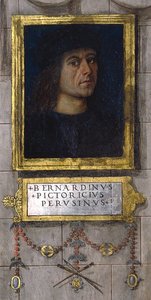
Пинтурикьо
1454 - 1513 , Італія
Довідкова інформація
- Artistic Movement Or Style: Ренесанс
- Artists Who Influenced This Artist:
- Перугино
- Бонфілі
- Фиренцо ди Лоренцо
- Date Of Birth: 1454
- Full Name: Bernardino di Betto
- Nationality: Італійський
- Notable Artworks:
- Фрески Сикстинской капеллы
- Апартаменты Борджиа
- Святой Августин
- Place Of Birth: Perugia, Italy
Схожі статті

OriginalUniqueArt.com F.A.Q.: Elevating Interiors with Bespoke Wall Murals & Masterpiece Frescoes
Discover the pinnacle of bespoke interior transformation with OriginalUniqueArt.com. Our master fresco artists create exquisite, hand-painted wall murals and ceiling masterpieces tailored to your estate. Elevate your architectural space with timeless, museum-quality artistry.