
 Переглянути в інтер'єрі
 Надіслати як листівку
 Поділитися
 Деталі витвору
 Посібник

 Завантажити
 Схожі екземпляри
 Рентгенівське дослідження
 Слайд-шоу
 Питання та відповіді
 Статистика
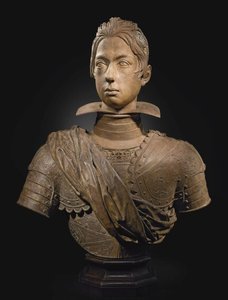
Slave


 Розгорнути текст
Гікле / Художній принт
Друк جيкле або на полотні музейної якості з оперативним виготовленням та різноманітними варіантами фінішної обробки. ( Замовити картину ручної роботи Перейти до цифрових зображень)




































Обирайте з наших стандартних розмірів, що відповідають оригінальним пропорціям твору мистецтва.

Введіть необхідну ширину та висоту, щоб принт ідеально підійшов до вашої рами або стіни. Принт можна лише обрізати, але не можна зробити більшим за оригінал, тому при зміні пропорцій частина зображення буде втрачена. Перед друком ми надсилаємо вам цифровий макет для затвердження. Зображення на цій сторінці не відображає реальну обрізку — її можна побачити лише на макеті.
Доставка по всьому світу () за 2 тижні замість стандартних 4/5 тижнів. (10 Листопад)

Безкоштовна експрес-доставка по всьому світу

Високоякісне лляне полотно

Повне страхове покриття доставки

Гарантія повернення митних зборів

Гарантія точного відтворення кольорів

Політика повернення протягом 100 днів (лише у разі виявлення дефектів)

Гарантія повернення 100% коштів

Пропозиція на оптові замовлення
 Скляний варіант доступний лише для розмірів до 110 см

Slave
Гікле / Художній принт
Розмір репродукції
-


Підсумкова вартість
₴ 3642
Біографія митця
The Sculptural Legacy of Pietro Tacca
In the heart of Tuscany, where the white marble of Carrara meets the golden light of Florence, the life of Pietro Tacca unfolded as a bridge between two monumental eras of art history. Born in 1577, Tacca emerged from a lineage of craftsmen to become a defining voice in the transition from the elegant, often artificial complexities of Mannerism to the visceral, dramatic energy of the Baroque. His journey was not merely one of personal ambition but a profound evolution of form, where the controlled grace of his predecessors gave way to a new, breathing realism that captured the very essence of movement and emotion.
The foundation of Tacca’s genius was laid within the legendary workshop of Giambologna. Entering the atelier in 1592, the young sculptor became more than just an apprentice; he became a custodian of a sophisticated aesthetic language. Under Giambologna’s watchful eye, Tacca mastered the intricate art of bronze casting and the delicate balance of asymmetrical compositions. While his early works retained the stylized elegance and elongated proportions characteristic of Mannerist tradition, there was an emerging hunger in his work for something more tangible, more human, and infinitely more dynamic.
The Medici Court and the Bronze Masterpieces
Following the passing of his mentor in 1608, Tacca ascended to the prestigious position of court sculptor for the Medici Grand Dukes. This appointment was a transformative milestone, granting him the resources and the monumental scale required to execute works of immense historical significance. As the favored artist of the Florentine elite, he navigated the demands of powerful patrons with a skill that blended political prestige with artistic innovation. His ability to translate the grandeur of the Medici dynasty into permanent, bronze reality helped define the visual identity of Florence during this golden age.
One of his most enduring contributions to the city's landscape is perhaps found in his mastery of smaller-scale bronze works that possessed a life of their own. The famous Porcellino, a bronze boar that has become a beloved icon of Florentine folklore, exemplifies his ability to infuse even a single subject with charm and vitality. Beyond these charming figures, Tacca’s work on equestrian statues—such as the tribute to Ferdinand I de' Medici—demonstrated his capacity for monumental storytelling, capturing the power and authority of the ruling class through sweeping gestures and muscular tension.
A Synthesis of Drama and Realism
As Tacca’s career progressed, the influence of the Baroque style became increasingly undeniable. He moved away from the intellectualized puzzles of Mannerist sculpture toward a more direct engagement with the viewer's emotions. His later works, such as the poignant Tarquinius and Lucretia, showcase a profound command over narrative tension and psychological depth. In these pieces, the metal seems to lose its rigidity, adopting the softness of skin and the heavy drape of fabric, creating a sense of theatricality that was revolutionary for his time.
The historical significance of Pietro Tacca lies in this very synthesis of styles. He did not simply abandon the lessons of Giambologna; rather, he expanded them to accommodate a world that was beginning to crave realism and emotional resonance. His legacy is etched into the bronze and marble of Italy, representing a moment in time when art moved from the cerebral to the visceral, ensuring that the sculptural traditions of Florence would continue to pulse with life long after his death in 1640.
Pietro Tacca
1577 - 1640 , Italy
Короткі факти
- Full Name: Pietro Tacca
- Nationality: Italian
- Date Of Birth: 1577
- Date Of Death: 1640
- Place Of Birth: Carrara, Italy
- Notable Artworks:
- Monument of the Four Moors
- Equestrian Monument to Philip IV
- Porcellino Florence
- Artistic Movement Or Style: Baroque & Mannerism
- Artists Who Influenced This Artist: ['Giambologna']
- Artists Or Movements Influenced By This Artist: ['Louis XIV']
Пов'язані статті
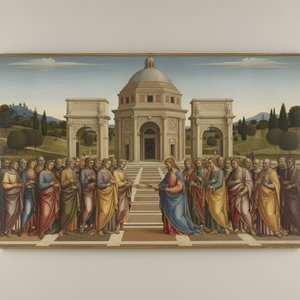
Pietro Perugino: Umbrian Master of Serenity & Precursor to Raphael's High Renaissance
Explore the life & art of Pietro Perugino, a pivotal Renaissance master and Raphael’s influential teacher. Discover his serene compositions, Sistine Chapel frescoes, and lasting legacy with OriginalUniqueArt.