
 Переглянути в інтер'єрі
 Надіслати як листівку
 Поділитися
 Детальніше

 Завантажити
 Схожі експонати
 Рентгенівське дослідження
 Слайд-шоу
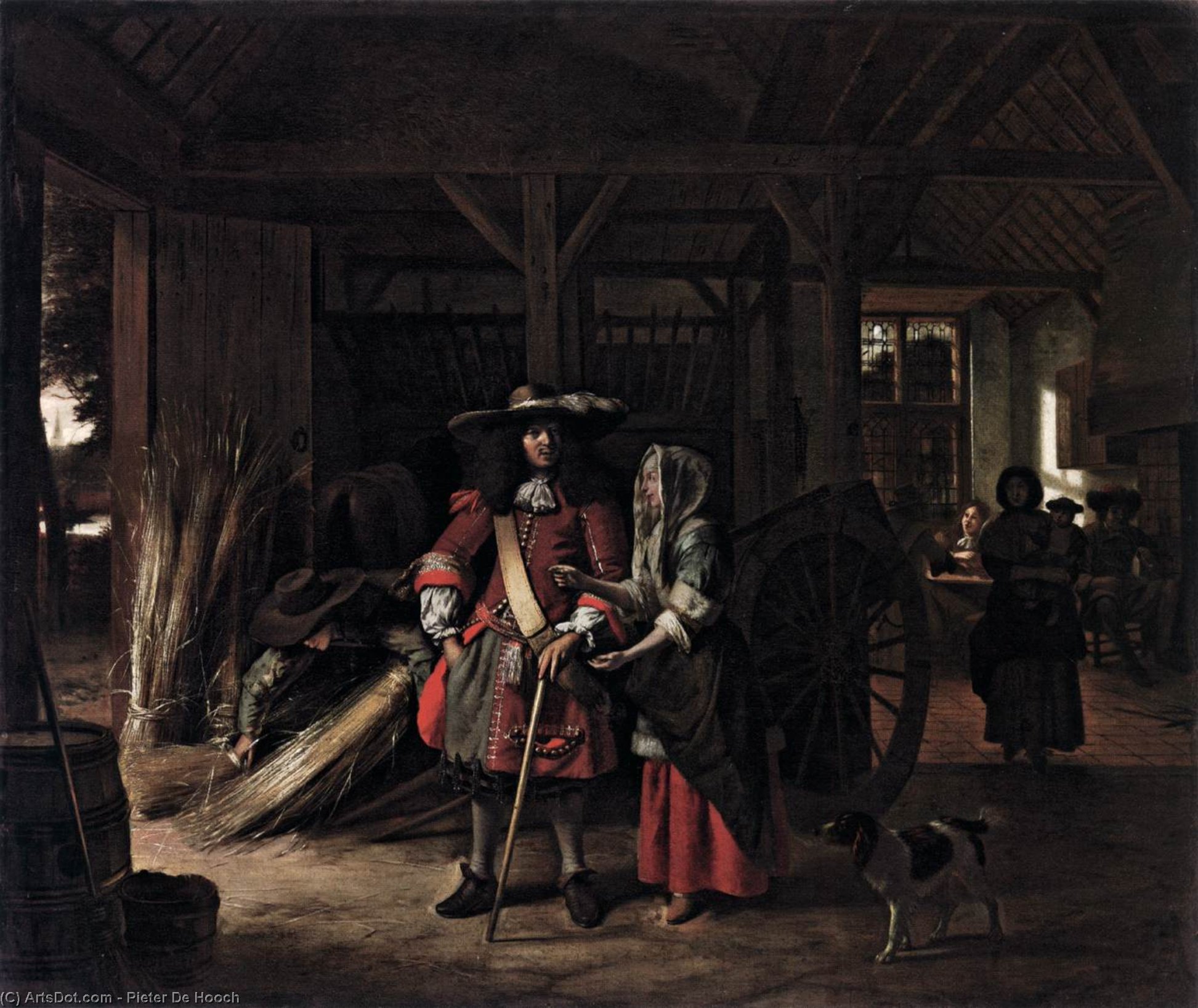
Paying the Hostess
 Oil On Canvas
- WallArt
- Dutch Golden Age
 1670
1670 95.0 x 111.0 cm
 Музей Метрополітен
 Читати далі
Гікле / Художній принт
Музейна якість друку جيкле або на полотні з оперативним виготовленням та різноманітними варіантами фінішної обробки. ( Замовити репродукцію ручної роботи Купити цифрове зображення)




































Обирайте з наших стандартних розмірів, що відповідають оригінальним пропорціям твору мистецтва.

Ви можете вказати власні розміри, щоб репродукція ідеально підійшла до конкретної рами або інтер'єру. Якщо обраний вами розмір не відповідає пропорціям оригіналу, ми або обріжемо полотно, або розширимо зображення за допомогою дзеркального відображення чи суцільної заливки країв. Перед початком виробництва вам буде надіслано цифровий макет для затвердження.
Будь ласка, зверніть увагу, що попередній перегляд на екрані не відображає фактичне обрізання або розширення. Тільки макет точно покаже фінальну композицію.
Хоча можливість замовлення індивідуальних розмірів доступна, ми рекомендуємо обирати формат із попередньо визначеного списку, щоб зберегти оригінальні пропорції.
Доставка по всьому світу () за 2 тижні замість стандартних 4/5 тижнів. (18 Серпень)

Безкоштовна експрес-доставка по всьому світу

Високоякісне лляне полотно

Повне страхове покриття доставки

Гарантія відшкодування митних зборів

Гарантія точного відтворення кольорів

Політика повернення протягом 60 днів (лише у разі виявлення дефектів)

Гарантія повернення 100% коштів

Пропозиція на оптові замовлення
 Скляний варіант доступний лише для розмірів до 110 см

Paying the Hostess
Гікле / Художній принт
Розмір репродукції
-


Підсумкова вартість
$ 80
Опис експоната
A Window Into Delft’s Commerce: Pieter de Hooch's “Paying the Hostess”
Delft, 1670 – Pieter de Hooch’s “Paying the Hostess,” housed in a private collection today, offers more than just a glimpse into the bustling port city of Delft during its golden age; it presents a meticulously crafted tableau that speaks volumes about social dynamics and artistic innovation. Painted circa 1658, this monumental canvas transcends mere depiction, immersing viewers in an atmosphere thick with observation and imbued with subtle symbolic resonance. The scene unfolds within a dimly lit warehouse or storage facility—a space deliberately chosen by De Hooch to convey both the physicality of Delft’s economic activity and the psychological complexities of human interaction. At its core is a wealthy gentleman and his wife seated upon a cart laden with goods, their presence dominating the composition. Around them move several laborers diligently unloading crates and transporting materials – figures rendered with remarkable realism, capturing not just physical postures but also expressions of quiet contemplation and purposeful action. This isn’t simply a record of trade; it's an exploration of how individuals navigate social hierarchies within a community striving for prosperity. De Hooch’s artistic style exemplifies the hallmark characteristics of Dutch Golden Age painting: painstaking detail combined with masterful use of light. Unlike many contemporaries who favored grand narratives and theatrical gestures, De Hooch opted for a restrained aesthetic focused on capturing the nuances of domestic life—a deliberate choice that aligns perfectly with the burgeoning interest in portraying everyday realities during this period. The artist’s technique is characterized by meticulous brushwork, utilizing oil paint on canvas to achieve luminous effects and subtle tonal variations. Notice particularly how light streams through an open doorway, illuminating the faces of the figures and casting dramatic shadows across the warehouse floor—a compositional device that elevates the scene beyond mere representation, inviting contemplation about solitude and connection. The color palette is deliberately muted – dominated by deep browns, reds, and blacks – reflecting not only the materiality of the setting but also a prevailing mood of solemnity and introspection. However, De Hooch skillfully employs highlights of ochre and crimson to draw attention to key elements within the composition, subtly emphasizing the dignity of the gentleman and his wife while simultaneously underscoring the industriousness of their companions. The geometric precision of the architectural framework—straight lines delineating the walls and beams—contrasts with the organic curves of the cart wheels and fabric folds, creating a dynamic interplay between structure and fluidity. Beyond its visual beauty, “Paying the Hostess” carries significant symbolic weight. The open doorway represents access to both physical space and spiritual contemplation – suggesting that even amidst the demands of commerce, there remains room for introspection and reflection. Furthermore, the positioning of the figures—seated prominently on the cart—underscores the importance of social status within Delft society. De Hooch’s masterful rendering captures not just a moment in time but also an enduring portrait of human experience – a testament to his ability to transform observation into artful storytelling. This painting continues to inspire interior designers seeking to evoke a sense of understated elegance and historical gravitas, reminding us that true beauty resides in the quiet contemplation of everyday life.Біографія митця
ранні роки та навчання
Пітер де Хоох, визначна постать Голландської Золотої епохи, народився 20 грудня 1629 року в Роттердамі, Нідерланди. Він був найстаршим із п'яти дітей у родині Гендріка Хендріксза де Хооха, муляра, та Аннетге Пітерс, акушерки. Про його ранні роки відомо небагато, проте вважається, що він працював у Роттердамі, Делфті та Амстердамі. Художня підготовка де Хооха проходила в Харлемі під керівництвом пейзажиста Ніколаса Берхема, разом із Якобом Охтервельтом. Цей період заклав фундамент для його майбутнього успіху як майстра спокійних домашніх сцен з відкритими дверними прорізами.художній стиль та теми
Творчість де Хооха вирізняється надзвичайною увагою до деталей, натуралізмом та витонченим використанням світла. Його полотна часто оспівували повсякденне життя, відображаючи цінності та прагнення нової буржуазії. Виразним прикладом цього стилю є картина "Дворик будинку в Делфті" (1658), яка демонструє його здатність вловити буденні миті повсякденного життя. Творчість де Хооха також поділяє певні теми та композиційні прийоми з роботами Емануеля де Вітте, проте саме фокус на людях та їхніх взаєминах виділяє його серед інших. Це чітко простежується у творах "Жінка, що годує дитину" (1658) та "Жінка з немовлям на колінах" (1658), що свідчать про його глибокий інтерес до інтимних домашніх сцен.визначні роботи та спадщина
До найбільш значущих шедеврів де Хооха належать:- "Веселий п'яниця" (бл. 1650)
- "Гравці в карти у залитій сонцем кімнаті" (1658)
- "Жінка, що готує хліб з маслом для хлопчика" (1661)
музеї та колекції
Роботи де Хооха можна знайти в різних музеях світу, зокрема в Королівському музеї витончених мистецтств в Антверпені, Бельгія, який володіє величезною колекцією європейського мистецтва від XV до XX століття. Дізнайтеся більше про Пітера де Хооха та його твори на OriginalUniqueArt: [https://OriginalUniqueArt.com/@/pieter-de-hooch](https://OriginalUniqueArt.com/@/pieter-de-hooch) /uk/art/show/art-d3b4kt-uk/ (відкрийте для себе шедеври Королівського музею витончених мистецтв, Бельгія)
Пітер де Хьох
1629 - 1694 , Нідерланди
Короткі факти
- Artistic Movement Or Style: Золотий вік нідерландського живопису
- Artists Or Movements Influenced By This Artist: ['Іммануель Вітт']
- Artists Who Influenced This Artist:
- Ніколаєс Берхем
- Якоб Охтервельт
- Date Of Birth: 20 грудня 1629 р.
- Date Of Death: після 1683 р.
- Full Name: Pieter Hendricksz. de Hooch
- Nationality: Нідерландський
- Notable Artworks:
- Стінка будинку в Деврі
- Кімната з дітьми
- Вуличний кабінет
- Place Of Birth: Роттердам, Нідерланди
Пов'язані статті
Pieter de Hooch: Illuminating Dutch Domestic Life & Golden Age Charm
Explore the captivating world of Pieter de Hooch, a master of Dutch Golden Age painting. Discover his innovative use of light, intimate domestic scenes, and lasting influence on art history. Learn more at OriginalUniqueArt.

Golden Light & Dutch Skies: The Timeless Magic of Dutch Golden Age Landscapes
Discover the breathtaking beauty of Dutch Golden Age landscapes. Explore the mastery of light, chiaroscuro, and 17th-century realism through an expert art history lens, celebrating the enduring legacy of the Dutch Masters for discerning collectors and art lovers.

Demandes Commerciales
APS ofrece reproducciones de bellas artes y encargos personalizados desde 2004. Confían en nosotros corporaciones, hoteles y coleccionistas selectos para obras de arte de calidad museística, servicio discreto y soluciones artísticas completas. ¡Póngase en contacto con nosotros para obtener un presupuesto personalizado!

Топ-10 шедеврів Золотої доби нідерландського мистецтва | OriginalUniqueArt.com
Відкрийте для себе 10 шедеврів Золотої доби нідерландського мистецтва! Рембрандт, Вермеєр та інші майстри. Історія створення, унікальні техніки та натхнення для вашого інтер'єру. Репродукції картин високої якості – OriginalUniqueArt.com

Mastering Light & Shadow: A Journey Through the Dutch Golden Age's Luminous Legacy
Embark on a cultural journey through the Dutch Golden Age. Explore the masterful interplay of light and shadow in 17th-century masterpieces, from Rembrandt to Vermeer, and discover how this era of profound realism continues to inspire fine art collectors today.



