

 Переглянути в інтер'єрі
 Надіслати
 Поділитися
 Деталі
 Посібник

 Завантажити
 Схожі предмети колекціонування
 Рентгенівське дослідження
 Слайд-шоу
 Статистика переглядів
Concrete Cabin
 Oil On Canvas
- WallArt
- Magic Realism
 1992
1992 201.0 x 241.0 cm
 New Walk Museum - Art Gallery
 Читати далі
Олійная репродукція ручної роботи
Написана вручну олією на полотні у вашому розмірі та рамі, виготовлена на замовлення нашими художниками. ( Перейти до друку Перейти до цифрових зображень)




P118B $10

P118H $10

P118W $10

P438Z $10

P508JH $12

P508YH $12

P805H $10

P805Z $10

P919BZ $10

P919G $10

P919XJ $10

P959ZH $10

P968JZ $12

W106C $8

W218G $10

W218JH $8

W218Y $10

W307PJ $10

W316G $10

W316PJ $8

W316Y $10

W398PJ $8

W4111J $10

W500HY $15

W500JH $15

W692G $12

W849H $8

W940BG $15

W953PJ $8




Обирайте з наших стандартних розмірів, що відповідають оригінальним пропорціям твору мистецтва.

Ви можете вказати власні розміри, щоб репродукція ідеально підійшла до конкретної рами або інтер'єру. Якщо вибраний вами розмір не відповідає пропорціям оригіналу, ми або обріжемо полотно, або доповнимо картину додатковими елементами, промальованими вручну. Цифровий макет буде надіслано вам на затвердження перед початком виробництва.
Зверніть увагу, що попередній перегляд на екрані не відображає фактичне обрізання або розширення зображення. Тільки макет точно покаже остаточну композицію.
Хоча ми можемо виготовити виріб у нестандартному розмірі, для збереження оригінальних пропорцій рекомендуємо обирати варіанти зі встановленого списку.
Після оформлення замовлення команда OriginalUniqueArt.com зв'яжеться з клієнтом електронною поштою для отримання інструкцій та надасть попередній макет
Доставка по всьому світу () за 3–4 тижні замість стандартних 5 тижнів. (26 Вересень). Без жодних компромісів у якості.

Безкоштовна експрес-доставка по всьому світу

Високоякісне лляне полотно

Повне страхове покриття доставки

Гарантія повернення митних зборів

Гарантія точного відтворення кольорів

Політика повернення протягом 100 днів (лише у разі виявлення дефектів)

Гарантія повернення 100% коштів

Знижка на оптові замовлення
 Скляний варіант доступний лише для розмірів до 110 см

Concrete Cabin
Техніка репродукції
Розмір репродукції
-


Загальна вартість
$ 300
Concrete Cabin: A Landscape of Memory and Modernity
Peter Doig’s "Concrete Cabin," painted in 1992, is more than just a depiction of a forest scene; it's an exploration of memory, the interplay between nature and human intervention, and the subtle anxieties of modernity. The canvas presents a dense woodland, rendered with a distinctive looseness that evokes both the vibrancy of Impressionism and the unsettling ambiguity of Magic Realism. Towering trees, their trunks twisted and gnarled like ancient sentinels, dominate the foreground, painted in deep browns and blacks punctuated by hints of decay – a visual testament to the relentless passage of time and the forces of nature. The background dissolves into a tapestry of greens, suggesting an impenetrable canopy that stretches far beyond the viewer's gaze. This isn’t merely a representation of a forest; it’s a feeling—a sense of being enveloped by something vast, ancient, and slightly unknowable.The Intrusion of the Man-Made
What truly sets "Concrete Cabin" apart is its unexpected element: a stark concrete structure nestled amongst the trees. This isn't a rustic log cabin blending seamlessly into its surroundings; it’s a blocky, almost brutalist form that clashes with the organic curves and textures of the forest. The contrast is deliberate, highlighting the uneasy relationship between humanity and the natural world. It speaks to our tendency to impose order and structure onto landscapes, often at the expense of their inherent wildness. Is this a refuge? A symbol of isolation? Or perhaps a commentary on the encroachment of modern life upon pristine environments? Doig offers no easy answers, leaving the interpretation open to the viewer's own experiences and anxieties. The concrete itself is rendered with more rigid lines and solid blocks of color than the surrounding foliage, emphasizing its artificiality and further amplifying the sense of discord.Doig’s Technique: Evoking Atmosphere Through Paint
Doig’s artistic technique plays a crucial role in conveying the painting's emotional weight. He employs a distinctive layering of paint, allowing brushstrokes to remain visible—a hallmark of his style. This isn’t about meticulous detail; it’s about capturing the *essence* of the scene through texture and color. The loose application of paint creates a sense of movement and vitality, as if the forest itself is breathing. Light filters through the canopy in dappled patterns, adding depth and dimension to the composition. Doig's use of color isn't purely representational; he manipulates hues to evoke specific moods—the somber browns and blacks conveying a sense of mystery and introspection, while the vibrant greens suggest both life and an underlying tension. The overall effect is one of atmospheric immersion – drawing the viewer into the heart of this enigmatic landscape.A Landscape Rooted in Memory and Place
Born in Edinburgh but shaped by his experiences living in Trinidad and Canada, Doig’s work often draws upon personal memories and a sense of displacement. "Concrete Cabin" can be seen as reflecting these themes—a meditation on the places that linger within us long after we've left them. The painting isn't necessarily about a specific location; it's about the feeling of being both connected to and alienated from one’s surroundings. It resonates with a broader sense of unease about our place in the world, particularly as we grapple with the consequences of environmental change and the relentless march of progress. Ultimately, "Concrete Cabin" is a powerful and evocative work that invites us to contemplate the complex relationship between humanity, nature, and memory—a timeless theme rendered with remarkable skill and sensitivity by one of contemporary art's most compelling voices.Біографія митця
Життя, написане спогадами: Світ Пітера Дойга
Пітер Дойг, який народився в Единбурзі у 1959 році, — це художник, чиї роботи резонують із тихою силою — примарною красою, що виникає з делікатної рівноваги між пам'яттям, пейзажем та емоційним потенціалом самої фарби. Його життя було сповнене постійних переїздів, номадичне існування, яке глибоко сформувало його художнє бачення. Ранні зміни місця проживання перевезли його зі Шотландії до Тринідаду в 1962 році, а згодом до Канади в 1966-му; кожен такий перехід закарбовував у його свідомості відчуття відстороненості та захоплення тим, як місця залишаються всередині нас ще довго після того, як ми їх покинули. Це не були миттєві візити; це був глибокий досвід, що прищепив йому зв'язок із різноманітними культурними ландшафтами — соковитою тропічністю Тринідаду та суворими засніженими краєвидами Канади, які згодом стали повторюваними мотивами в його мистецтві. Таке раннє знайомство зі світом розвинуло здатність бачити глибше за буквальне, відчувати емоційну вагу та психологічний резонанс, прихований у кожному місці. Формальна художня освіта Дойга розпочалася в Лондоні: він навчався у Школі мистецтв Вімблдона, Школі мистецтв Сент-Мартін і, нарешті, у Школі мистецтв Челсі, де здобув ступінь магістра. Ці роки доповнювалися практичною роботою, зокрема періодом роботи художником-декоратором в Англійській національній опері — досвідом, який безсумнівно розширив його розуміння перформансу, наративу та візуального сторітелінгу.Алхімія впливу та художнього розвитку
Творчий шлях Дойга не був миттєвим стилістичним маніфестом, а радше поступовим розкриттям, дослідженням фігуративного живопису, що еволюціонувало у ту самобутню, мрійливу якість, якою він нині славиться. Він не прихильний до жодної окремої школи чи течії; натомість його роботи здаються синтезом різноманітних впливів, поглинутих і трансформованих крізь призму особистого досвіду. Відлуння попередніх майстрів відчувається майже фізично: меланхолійні пейзажі Едварда Мунка, сира інтенсивність Г. К. Вестерманна, романтична піднесеність Каспара Давіда Фрідріха, мерехтливе світло Клода Моне та декоративна багатство Густава Клімта — усе це знаходить відгук на його полотнах. Проте Дойг не просто імітує; він переосмислює. Він черпає натхнення з широкого спектра джерел — фотографій, газетних вирізок, кадрів із фільмів, обкладинок платівок — але вони не слугують кресленнями для реплікації. Навпаки, вони є каталізаторами, точками відліку для картин, які менше стосуються точного відтворення і більше — емоційного виклику. Дойг описує свій процес як живопис «через посередника», використовуючи фотографії як початкові точки, але дозволяючи пам'яті та уяві взяти гору, що призводить до створення образів, які здаються водночас знайомими й дивно далекими. Такий підхід дозволяє йому торкнутися глибшого рівня психологічної істини, створюючи пейзаже, які не просто бачать, а відчувають.Пейзажі розуму: Теми та характеристики
В основі творчості Дойга лежить дослідження того, що означає пам'ятати місце. Його картини — це не пряме зображення конкретних локацій; це емоційні реакції, пропущені крізь туман пам'яті та уяви. Багато з них викликають почуття ностальгії, особливо ті пейзажі, що нагадують про його канадське дитинство — засніжені ліси, замерзлі озера, самотні хатини — проте ці сцени сповнені тривожної якості, натяку на таємницю, що не дає їм стати надто сентиментальними. Людські постаті часто з'являються на його полотнах, але вони рідко є центральними чи чітко визначеними. Вони зазвичай самотні й неоднозначні, що підсилює загальний настрій інтроспекції та тихого споглядання. Техніка Дойга так само важлива для впливу його робіт. Його полотна характеризуються складним нашаруванням фарби та кольору, що створює відчуття глибини й атмосфери. Він майстерно поєднує абстракцію та фігуративність, дозволяючи формам розчинятися в колірних промивах або виринати з текстурованих поверхонь. Це створює візуальну напругу, яка запрошує глядача взаємодіяти з роботою на кількох рівнях — оцінити як її формальні якості, так і емоційний резонанс. Результатом є картини, які відчуваються одночасно заземленими в реальності та підвішеними у стані сну.Визнання та тривала спадщина
Талант Дойга був визнаний на ранніх етапах його кар'єри, що завершилося здобуттям престижної нагороди Whitechapel Artist Prize у 1991 році та персональною виставкою в галереї Whitechapel Art Gallery. Однак саме продаж картини «Білий каное» (White Canoe) на аукціоні Sotheby’s у 2007 році за 11,3 мільйона доларів — рекорд для живого європейського художника на той час — приніс йому світову славу. За цим послідував інший значний успіх на аукціоні: робота «Будинок архітектора в ущелині» (The Architect's Home in the Ravine) була продана за 12 мільйонів доларів у 2013 році, що закріпило його позицію одного з найбільш затребуваних сучасних живописців. Великі персональні виставки проходили в провідних інституціях світу, включаючи Tate Britain, Musée d’Art Moderne de la Ville de Paris, Schirn Kunsthalle Frankfurt, Далласький художній музей та Шотландську національну галерею, що демонструє глобальне охоплення його впливу. Сьогодні Пітера Дойга вважають одним із найважливіших фігуративних художників сучасності. Його творчість справила глибокий вплив на сучасне мистецтво, надихаючи нове покоління митців досліджувати можливості живопису як засобу вираження особистого досвіду та емоційної правди. Як влучно зауважив критик Джонатан Джонс, він є «перлиною справжньої уяви, щирої праці та смиренної креативності» у світі, де часто панує претензійність. Дойг продовжує жити й працювати в Тринідаді, підтримуючи студію в Карибському центрі сучасного мистецтва та викладаючи в Академії витончених мистецтв у Дюссельдорфі, Німеччина, гарантуючи, що його подальші дослідження пам'яті, пейзажу та фігуративності продовжуватимуть формувати хід історії мистецтва протягом багатьох років.
Петер Дойг
1959 - , Шотландія
Довідкова інформація
- Artistic Movement Or Style: Figurative painting
- Artists Who Influenced This Artist:
- Edvard Munch
- Caspar David Friedrich
- Claude Monet
- Date Of Birth: 1959
- Full Name: Peter Doig
- Nationality: Scottish
- Notable Artworks:
- White Canoe
- Ski Jacket
- Border House
- Place Of Birth: Edinburgh, UK
Схожі статті

Evocations of Place: A Historical Journey Through Landscape Art
Explore the rich history of landscape art with OriginalUniqueArt. Discover renowned artists, movements like Impressionism & Romanticism, and expert guidance for collecting timeless pieces. Find your perfect serene escape today!

Romantic Realism's Finest: 10 Masterpieces for Your Home | OriginalUniqueArt
Explore 10 defining masterpieces of Romantic Realism! Discover Courbet, Millet & Daumier's powerful paintings—capturing emotion and social realities. Find museum-quality reproductions for your home at OriginalUniqueArt.com.
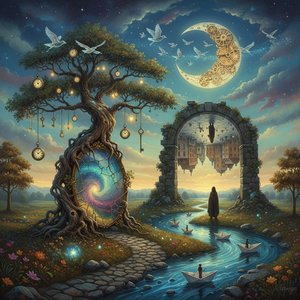
The Enigmatic Realm of Magic Realism: Exploring Subconscious Narratives & Reality's Edge
Explore the captivating world of Magic Realism! Discover its origins, key artists like García Márquez & Colunga Marín, and how it blends reality with the fantastical. Expert insights & high-quality art reproductions at OriginalUniqueArt.

Топ-10 шедеврів романтичного пейзажу: мистецтво, що захоплює дух | OriginalUniqueArt
Відкрийте для себе 10 шедеврів романтичного пейзажу! Каспар Давид Фрідріх, Тернер та інші майстри. Історія мистецтва, емоційні кольори природи та ідеї декору з OriginalUniqueArt.com. Дослідіть колекцію онлайн!

Magic Realism Explained: Navigating the Enigmatic Intersection of Reality and the Extraordinary
Explore the profound depths of Magic Realism. Discover how this captivating movement blends everyday reality with the extraordinary through an expert art-historical lens. Perfect for collectors and enthusiasts seeking to understand the masters of the enigmatic.
