

 Переглянути в інтер'єрі
 Надіслати
 Поділитися
 Деталі
 Посібник

 Завантажити
 Схожі предмети колекціонування
 Рентгенівське дослідження
 Слайд-шоу
 Статистика переглядів
Castellane


 Читати далі
Гікле / Художній принт
Музейна якість друку جيкле або на полотні з оперативним виготовленням та різноманітними варіантами фінішної обробки. ( Купити картину ручної роботи Перейти до цифрових зображень)




P118B ₴10

P118H ₴10

P118W ₴10

P438Z ₴10

P508JH ₴12

P508YH ₴12

P805H ₴10

P805Z ₴10

P919BZ ₴10

P919G ₴10

P919XJ ₴10

P959ZH ₴10

P968JZ ₴12

W106C ₴8

W218G ₴10

W218JH ₴8

W218Y ₴10

W307PJ ₴10

W316G ₴10

W316PJ ₴8

W316Y ₴10

W398PJ ₴8

W4111J ₴10

W500HY ₴15

W500JH ₴15

W692G ₴12

W849H ₴8

W940BG ₴15

W953PJ ₴8




Обирайте з наших стандартних розмірів, що відповідають оригінальним пропорціям твору мистецтва.

Введіть необхідну ширину та висоту, щоб принт ідеально підійшов до вашої рами або стіни. Принт можна лише обрізати, але не можна зробити більшим за оригінал, тому при зміні пропорцій частина зображення буде втрачена. Перед друком ми надсилаємо вам цифровий макет для затвердження. Зображення на цій сторінці не відображає реальну обрізку — її можна побачити лише на макеті.
Доставка по всьому світу () за 2 тижні замість стандартних 4/5 тижнів. (22 Жовтень)

Безкоштовна експрес-доставка по всьому світу

Високоякісне лляне полотно

Повне страхове покриття доставки

Гарантія повернення митних зборів

Гарантія точного відтворення кольорів

Політика повернення протягом 100 днів (лише у разі виявлення дефектів)

Гарантія повернення 100% коштів

Знижка на оптові замовлення
 Скляний варіант доступний лише для розмірів до 110 см

Castellane
Гікле / Художній принт
Розмір репродукції
-


Загальна вартість
₴ 3585
Composition and Technique
The painting is characterized by its use of oil on canvas, a medium that allowed Signac to achieve rich textures and vibrant colors. The scene features several boats in the river, some closer to the foreground while others are further away, creating a sense of depth and perspective. Numerous people are scattered throughout the painting, either standing or sitting by the river, adding a touch of human interaction with nature. Signac's use of Pointillism is evident in Castellane. This technique involves applying small dots of pure pigment directly onto the canvas, which then blend optically to create a shimmering effect. The result is a painting that seems to vibrate with an energy all its own, capturing the essence of light and color.Artistic Significance
Castellane is not just a beautiful painting; it is also a testament to the innovative spirit of the late 19th and early 20th centuries. Along with artists like Georges Seurat, Signac revolutionized the art world with his unique approach to color and light.Relevance in Modern Art
Today, Castellane is part of the collection at the National Gallery of Art in Washington D.C. Its significance extends beyond its aesthetic appeal, as it represents a pivotal moment in the evolution of modern art.Reproductions and Accessibility
For those who wish to bring a piece of this artistic history into their own homes, handmade oil painting reproductions are available at OriginalUniqueArt. These high-quality reproductions capture the essence and vibrancy of Signac's original work, making it accessible to art lovers around the world. In conclusion, Castellane by Paul Signac is a masterpiece that embodies the beauty of natural landscapes and the innovative spirit of Post-Impressionism. Its significance in modern art history is undeniable, and its accessibility through reproductions ensures that it can be appreciated by generations to come.Запитання та відповіді
До якого стилю належить "Castellane"?
«Castellane» Пол Сінак належить до течії Neo-Impressionism. Цей напрям визначає стилістичний контекст твору.
Який розмір друку рекомендується для «Castellane»?
Для роботи «Castellane» Пол Сінак рекомендується репродукція розміром Великий формат. Розмір можна змінювати, зберігаючи пропорції.
Яким видом мистецтва є «Castellane»?
«Castellane» Пол Сінак класифікується як Настінне мистецтво. Ця категорія описує вид художнього твору, яким є оригінал.
Біографія митця
The Harmonious Vision of Paul Signac
Paul Victor Jules Signac, born in the heart of Paris in 1863, wasn’t merely a painter; he was an architect’s initial aspiration transformed into a passionate exploration of light, color, and the very science underpinning visual perception. His early life, steeped in the artistic atmosphere of Montmartre – a vibrant hub for creativity at the time – ignited within him a lifelong fascination with capturing the world's beauty through paint. Initially drawn to architecture, a chance encounter with Claude Monet’s groundbreaking exhibition served as a pivotal catalyst, setting his artistic trajectory on an entirely new course. Signac wasn’t content with simply observing; he yearned to understand *how* light danced across surfaces and how color could evoke emotion – a quest that would ultimately define his revolutionary approach to painting.A Partnership Forged in Scientific Inquiry
The meeting between Signac and Georges Seurat in 1884 proved to be the genesis of Neo-Impressionism, a movement that sought to reconcile artistic expression with scientific principles. Both artists were deeply influenced by Eugène Delacroix’s writings on color theory, particularly his exploration of complementary contrasts and their ability to create vibrant visual effects. Together, they embarked on a rigorous investigation into these concepts, meticulously translating them into a revolutionary painting technique – Pointillism. This wasn't simply about applying dots; it was an attempt to systematize the entire process of painting, grounding it in scientific observation and challenging the established norms of Impressionism’s fleeting brushstrokes. Signac wholeheartedly embraced Seurat’s vision, abandoning the spontaneous approach for a deliberate, calculated application of tiny, distinct points of pure color intended to blend optically within the viewer's eye. This meticulous process demanded an extraordinary level of precision and control, transforming painting from an act of intuition into one of scientific analysis.Coastal Reveries and the Birth of a Style
Following Seurat’s tragic death in 1891, Signac inherited the mantle of Neo-Impressionism, continuing to refine and expand upon their shared principles. He found renewed inspiration in his travels, particularly along the French Riviera, where he established a home in Saint-Tropez – a place that would become synonymous with his artistic output. The shimmering waters, sun-drenched harbors, and picturesque coastal landscapes provided an endless source of visual stimulation, fueling his exploration of color and light. *The Red Buoy, Saint-Tropez* (1895) stands as a testament to this period, showcasing Signac’s mastery of Pointillism in capturing the vibrant hues and dynamic energy of the Mediterranean coast. He began to experiment with larger brushstrokes and a broader palette, moving beyond strict adherence to Seurat's precise dotting method, injecting a sense of personal expression into his work while retaining its underlying scientific foundation.A Patron of the Avant-Garde and Lasting Legacy
Beyond his own prolific output, Paul Signac played a crucial role in fostering the development of modern art through his leadership within the Société des Artistes Indépendants. From 1908 until his death in 1935, he served as president, providing a vital platform for emerging talents and championing artistic freedom – often pushing boundaries with works that challenged conventional aesthetic norms. He recognized and supported artists like Henri Matisse, André Derain, and others who were pioneering new approaches to painting, demonstrating a remarkable foresight and commitment to the future of art. Signac’s theoretical writings, notably *From Eugène Delacroix to Neo-Impressionism* (1899), further solidified his position as a leading intellectual figure in the art world, offering a systematic exploration of color theory and its application to painting. Paul Signac's legacy extends far beyond his captivating paintings; he was a visionary artist, a dedicated theorist, and a generous patron who profoundly influenced the course of modern art, leaving an indelible mark on generations of artists to come.Key Dates & Achievements
- 1863: Born in Paris, France.
- 1884: Co-founded the Société des Artistes Indépendants with Georges Seurat.
- 1886: Painted *Boulevard de Clichy*, a key example of early Pointillism.
- 1895: Created *The Red Buoy, Saint-Tropez*, showcasing his mastery of coastal scenes.
- 1899: Published *From Eugène Delacroix to Neo-Impressionism*, a seminal work on color theory.
- 1908 – 1935: Served as President of the Société des Artistes Indépendants, championing avant-garde artists.
- 1935: Passed away in Paris at the age of 72, leaving behind a rich artistic legacy.

Пол Сінак
1863 - 1935 , Франція
Довідкова інформація
- Artistic Movement Or Style: Неоімпресіонізм, Точілізм
- Artists Or Movements Influenced By This Artist:
- Генрі Матісс
- Фавризми
- Artists Who Influenced This Artist:
- Клод Моне
- Жорж Сур
- Date Of Birth: 11 листопада 1863
- Date Of Death: 15 серпня 1935
- Full Name: Paul Victor Jules Signac
- Nationality: Француз
- Notable Artworks:
- Бульвар де Кліші
- Червоний буях
- Ла Валюз
- Velodrome
- Міський пляж, Коліюр
- Place Of Birth: Париж, Франція
Схожі статті

25 шедеврів Поля Сезанна: подорож у світ імпресіонізму та натюрморту | OriginalUniqueArt
Відкрийте 25 найвідоміших картин Поля Сезанна! Дослідіть імпресіонізм, натюрморти та пейзажі художника. Купіть високоякісні репродукції та знайдіть ідеальний декор для вашого дому на OriginalUniqueArt.com.
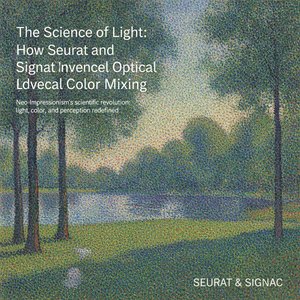
The Science of Light: How Seurat and Signac Revolutionized Color with Pointillism
Explore the scientific revolution of Pointillism. Discover how Georges Seurat and Paul Signac utilized optical color mixing and light theory to transform modern art through Neo-Impressionist precision and luminous technique.

Paul Signac: Pointillism, Politics & the Pursuit of Harmony in Modern Art
Explore the life & art of Paul Signac, a key figure in Neo-Impressionism. Discover his Pointillist technique, anarchist beliefs, and stunning coastal scenes. Learn about his influence on modern art history.

Топ-25 шедеврів Пауля Клее: подорож у світ кольору та абстракції | OriginalUniqueArt
Відкрийте для себе 25 шедеврів Пауля Клее – від ранніх робіт до пізнього модернізму. Пориньте у світ абстракції, експресіонізму та унікального стилю художника. Репродукції картин високої якості на OriginalUniqueArt.com! Дослідіть повну колекцію онлайн.

Топ-10 шедеврів імпресіонізму: мистецтво миттєвості для вашого дому
Пориньте у світ імпресіонізму! Відкрийте 10 культових картин Моне, Ренуара та Дега. Історія мистецтва, кольори та техніка – все для натхнення вашого дому. Репродукції музейної якості на OriginalUniqueArt.com.


