

 Переглянути в інтер'єрі
 Надіслати як листівку
 Поділитися
 Детальніше

 Завантажити
 Схожі експонати
 Рентгенівське дослідження
 Слайд-шоу
Untitled
 1923
1923 40.0 x 29.0 cm
 Читати далі
Придбайте цифрову копію високої роздільної здатності з покращеною якістю, що значно перевершує онлайн-перегляд.
Кожен файл ретельно підготовлений нашими фахівцями за допомогою сучасних інструментів та професійної ручної ретуші. Ми гарантуємо виняткову чіткість, точну передачу кольору та високу деталізацію кожного зображення.
Фінальний файл надсилається електронною поштою протягом 72 годин і оптимізований для негайного використання у професійних виданнях та друкованих матеріалах. Таку якість обирають провідні дизайнерські студії, видавництва та галереї.
Цифрове зображення
Завантажте файл високої роздільної здатності для особистого використання, друку та творчих проєктів. ( Замовити принт Замовити репродукцію ручної роботи)
Переваги кожного замовлення цифрових зображень
Експертна цифрова доставка з гарантією якості
Обираючи OriginalUniqueArt.com, ви отримуєте не просто зображення — ви отримуєте професійно вдосконалений цифровий витвір мистецтва, створений з надзвичайною точністю та підкріплений гарантією задоволення. Ось усе, що автоматично додається до вашого замовлення:

Швидка доставка на email
Ваш цифровий файл із зображенням високої роздільної здатності буде надісланий вам електронною поштою протягом 72 годин після оформлення замовлення — він буде готовий до негайного використання.

Цифровий файл із покращенням ШІ
Ваш витвір мистецтва професійно оптимізовано за допомогою передових інструментів штучного інтелекту та ручної корекції, що забезпечує максимальну деталізацію, чіткість і точність передачі кольорів.

Безкоштовне повторне завантаження назавжди
Випадково видалили або втратили файл? Не хвилюйтеся — ми надішлемо його вам повторно в будь-який час безкоштовно.

Без митних зборів — ніколи
Насолоджуйтесь вашим витвором мистецтва миттєво без жодних мит, зборів або плати за доставку — цифрові завантаження завжди не оподатковуються.

Гарантія точності кольорів
Ми гарантуємо максимально точне відтворення оригінальних кольорів на вашому цифровому зображенні завдяки використанню професійних інструментів та систем управління кольором.

Гарантія задоволення протягом 60 днів
Якщо ви не задоволені придбаним цифровим зображенням, ми відкоригуємо його або повернемо 100% вартості протягом 60 днів — без жодних запитань.

Гарантія повернення 100% коштів
Не задоволені покупкою? Отримайте повне повернення коштів протягом 60 днів після отримання цифрового файлу — без жодних запитань.

Знижки на оптові замовлення
Купуйте 3 зображення — заощаджуйте 10% — Купуйте 5 — заощаджуйте 15% — Купуйте 10+ — заощаджуйте 20%. Чудово підходить для творчих проєктів, галерей та агентств.
Біографія митця
Early Life and Artistic Foundations
Paul Kleinschmidt, born July 31st, 1883, in the small Pomeranian town of Bublitz (now Bobolice, Poland), emerged from a family steeped in artistic tradition—his father was a lithographer. This early exposure to visual creation undoubtedly shaped his trajectory, instilling within him an appreciation for form and line that would become hallmarks of his later work. Kleinschmidt’s formal training began at the prestigious Berlin Akademie, where he quickly gravitated towards the tutelage of Anton von Werner, a prominent history painter of the time. While Werner provided a solid foundation in traditional techniques, it was an encounter with Lovis Corinth during his student years that proved particularly formative. Corinth's influence steered Kleinschmidt toward a more expressive and emotionally charged approach to art, setting him on a path that would eventually lead him into the heart of German Expressionism. Further studies at the Akademie in Munich under Peter Halm and Heinrich von Zügel honed his skills in lithography and engraving—techniques he would master and employ throughout his career.The Berlin Years and Emerging Style
By the early 20th century, Kleinschmidt had established himself as a painter and graphic artist working in Berlin, a city pulsating with cultural ferment. He participated in modest ‘Sezession’ exhibitions in 1908 and 1911, signaling his alignment with avant-garde circles. However, it was the period following World War I that witnessed the full flowering of Kleinschmidt's distinctive style. While initially focused on portraiture and scenes of everyday life—capturing cabaret performers, workers, and members of the bourgeoisie—his work gradually shed its realist constraints in favor of a more subjective and emotionally intense aesthetic. Thick impasto brushstrokes, exaggerated forms, and distorted proportions became characteristic features, placing him firmly within the Expressionist movement. Yet, Kleinschmidt’s expressionism remained uniquely grounded in physicality; unlike many contemporaries who embraced abstraction, he retained a strong connection to the tangible world, imbuing his figures with a vibrant presence.Themes of Urban Life and Human Condition
Kleinschmidt's artistic vision was profoundly shaped by the dynamic—and often unsettling—atmosphere of Weimar Berlin. The city’s cabaret culture exerted a powerful influence, inspiring depictions that captured both its hedonistic allure and underlying melancholy. Works like “Cabaret Dancers” (1925) exemplify this sensibility, conveying the garish energy and emotional complexity of these performances through bold colors and exaggerated expressions. Beyond the cabarets, Kleinschmidt consistently explored themes related to the human condition—often focusing on the female figure. His portrayals were rarely idealized; instead, he presented women with a raw honesty that acknowledged their sensuality, vulnerability, and inner turmoil. This unflinching gaze extended to his broader depictions of urban life, revealing both its vitality and alienation.Exile and Final Years
The rise of Nazism cast a dark shadow over Kleinschmidt’s career. In 1927, he was introduced to Erich Cohn, a New York City art collector who became an important sponsor. However, the political climate in Germany deteriorated rapidly throughout the early 1930s, forcing Kleinschmidt into a series of relocations—from Berlin to Ulm and then near Senden. Facing increasing repression, he made the difficult decision to emigrate, first to the Netherlands in 1936 and then to France in 1938. The outbreak of World War II brought further hardship; he was briefly imprisoned in several camps after the French capitulation. Despite these challenges, Kleinschmidt continued to create art until 1943, when he was forced to cease painting under Nazi directives. Tragically, his possessions were lost in an air raid in 1945, and he died on August 2nd, 1949, from a severe angina pectoris diagnosed earlier in the decade.Legacy and Historical Significance
Though not as widely celebrated during his lifetime as some of his Expressionist peers, Paul Kleinschmidt’s work represents a significant contribution to early 20th-century German art. His distinctive style—characterized by its vibrant color palette, emotional intensity, and unflinching portrayal of the human condition—continues to resonate with audiences today. His paintings offer a poignant glimpse into the complexities of life during a tumultuous era, capturing both the energy and anxieties of Weimar Berlin and the struggles of an artist navigating a world consumed by political upheaval. Kleinschmidt’s legacy lies in his ability to blend traditional techniques with expressive innovation, creating works that are at once visually captivating and emotionally profound. He remains a compelling figure whose art deserves continued recognition and appreciation.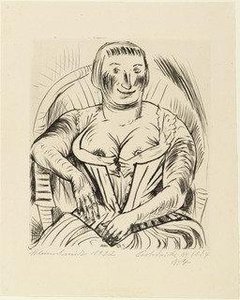
paul kleinschmidt
1883 - 1949
Основна інформація
- Artistic Movement Or Style: Expressionism
- Artists Or Movements Influenced By This Artist: Lovis Corinth
- Artists Who Influenced This Artist: Anton von Werner
- Date Of Death: 1949
- Full Name: Paul Kleinschmidt
- Nationality: German
- Notable Artworks:
- The Prodigal Son
- Untitled
- Place Of Birth: Bublitz, Pomerania

