
 Переглянути в інтер'єрі
 Надіслати
 Поділитися
 Деталі
 Посібник

 Завантажити
 Схожі предмети колекціонування
 Рентгенівське дослідження
 Слайд-шоу
 Статистика переглядів
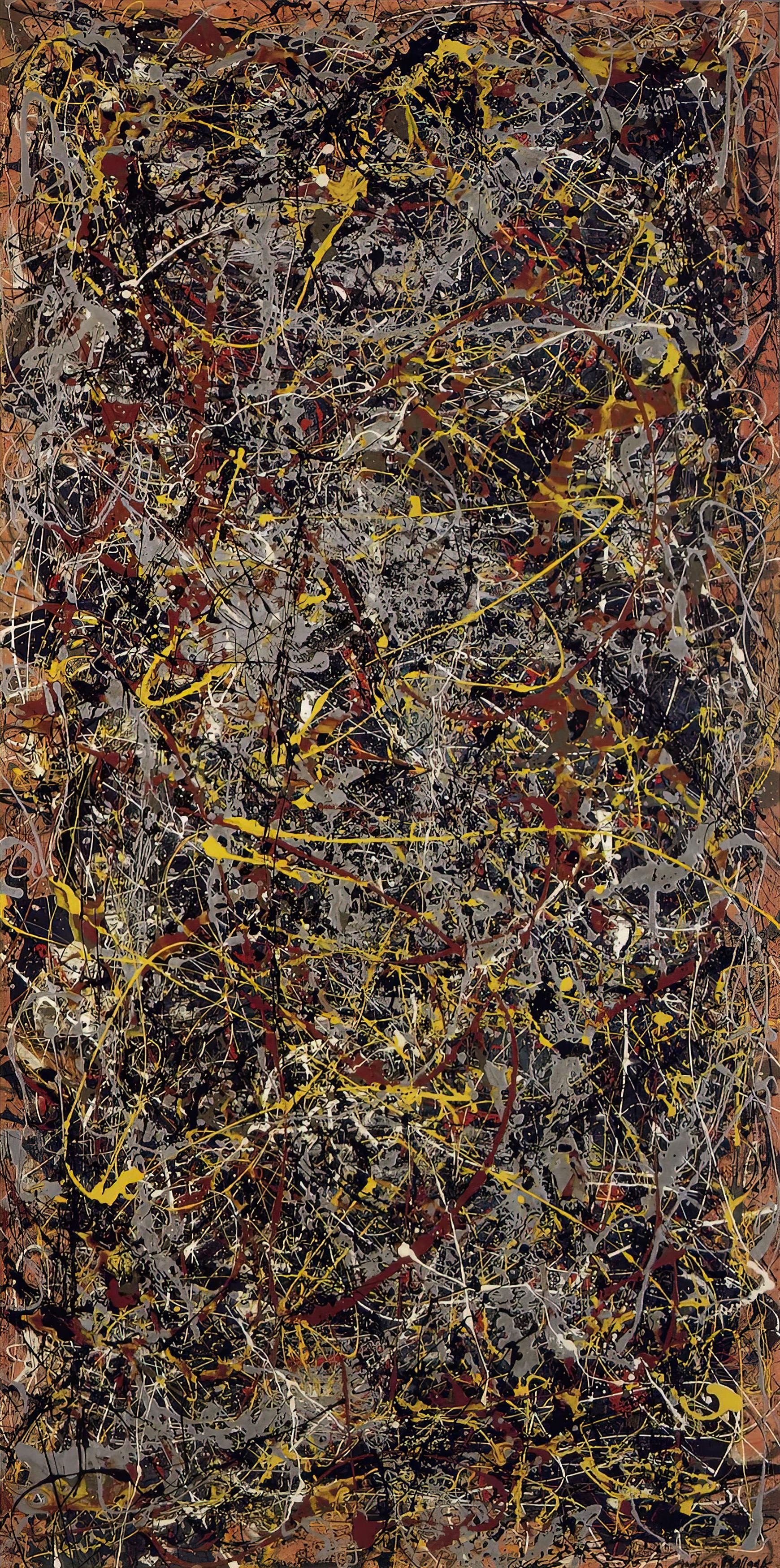
Number 5
 Олія на полотні
- Настінний декор
- Abstract Expressionism
 1948
1948- Модерн і сучасне мистецтво
 244.0 x 122.0 cm
 Читати далі
Придбайте цифрову копію високої роздільної здатності з покращеною якістю, що значно перевершує онлайн-перегляд.
Кожен файл ретельно підготовлений нашими фахівцями за допомогою сучасних інструментів та професійної ручної ретуші. Ми гарантуємо виняткову чіткість, точну передачу кольору та високу деталізацію кожного зображення.
Фінальний файл надсилається електронною поштою протягом 72 годин і оптимізований для негайного використання у професійних виданнях та друкованих матеріалах. Таку якість обирають провідні дизайнерські студії, видавництва та галереї.
Цифрове зображення
Завантажте файл високої роздільної здатності для особистого використання, друку та творчих проєктів. ( Перейти до друку Купити картину ручної роботи)
Що входить у кожне замовлення цифрових зображень
Експертна цифрова доставка з гарантією якості
Обираючи OriginalUniqueArt.com, ви отримуєте не просто зображення — ви отримуєте професійно вдосконалений цифровий витвір мистецтва, створений з надзвичайною точністю та підкріплений гарантією задоволення. Ось усе, що автоматично додається до вашого замовлення:

Швидка доставка на email
Ваш цифровий файл із зображенням високої роздільної здатності буде надісланий вам електронною поштою протягом 72 годин після оформлення замовлення — він буде готовий до негайного використання.

Цифровий файл із покращенням ШІ
Ваш витвір мистецтва професійно оптимізовано за допомогою передових інструментів штучного інтелекту та ручної корекції, що забезпечує максимальну деталізацію, чіткість і точність передачі кольорів.

Безкоштовне повторне завантаження назавжди
Випадково видалили або втратили файл? Не хвилюйтеся — ми надішлемо його вам повторно в будь-який час безкоштовно.

Без митних зборів — завжди
Насолоджуйтесь вашим витвором мистецтва миттєво без жодних мит, зборів або плати за доставку — цифрові завантаження завжди не оподатковуються.

Гарантія точності кольорів
Ми гарантуємо максимально точне відтворення оригінальних кольорів на вашому цифровому зображенні завдяки використанню професійних інструментів та систем управління кольором.

100-денна гарантія задоволення клієнта
Якщо ви не задоволені придбаним цифровим зображенням, ми внесемо правки або повернемо 100% вартості протягом 100 днів — без зайвих запитань.

Гарантія повернення 100% коштів
Незадоволені покупкою? Отримайте повне повернення коштів протягом 100 днів після отримання цифрового файлу — без зайвих запитань.

Знижки на оптові замовлення
Купуйте 3 зображення — заощаджуйте 10% — Купуйте 5 — заощаджуйте 15% — Купуйте 10+ — заощаджуйте 20%. Чудово підходить для творчих проєктів, галерей та агентств.
No. 5, 1948 – A Symphony of Chaos and Control
Jackson Pollock’s *No. 5*, created in 1948, stands as an emblem of Abstract Expressionism—a movement that irrevocably altered the landscape of modern art. More than just a painting; it's a visceral embodiment of emotion, intellect, and revolutionary technique, captivating viewers with its mesmerizing complexity and enduring legacy. This monumental canvas, measuring eight by four feet on fiberboard, transcends mere visual representation, inviting contemplation about the very nature of artistic expression itself.
Technique: The Birth of Action Painting
Pollock’s groundbreaking approach to painting—drip painting—was unlike anything seen before. Rejecting traditional brushstrokes and easel-bound compositions, he embraced a method that involved pouring and manipulating liquid paints onto a horizontal surface. This seemingly effortless process concealed an astonishing level of control and precision. Using synthetic resin paints mixed with linseed oil, Pollock meticulously layered colors onto the fiberboard, creating intricate webs of pigment that resembled turbulent skies or blossoming floral arrangements. The resulting texture—a dense tapestry of interwoven lines and drips—became synonymous with “action painting,” a term coined by Harold Rosenberg to describe this transformative style.
Emotional Resonance: Capturing the Subconscious
At its core, *No. 5* is an intensely personal statement reflecting Pollock’s inner turmoil and fascination with the subconscious mind. Influenced by Surrealism and Native American art—particularly Navajo weaving patterns—Pollock sought to bypass rational thought and tap into primal impulses. The dominant hues of yellow and brown convey a sense of warmth, yet simultaneously hint at underlying anxieties and instability. Critics noted that “You spent money on ‘that’?” reflecting the initial reaction of Ted Dragon, Ossorio's partner. This painting isn’t merely decorative; it’s an invitation to delve into the depths of human emotion—a courageous exploration of vulnerability and resilience.
Historical Significance: Pivotal Moment in Modern Art
*No. 5*, alongside other works from Pollock’s drip period, propelled Abstract Expressionism to international prominence. It challenged conventional artistic norms and solidified Pollock's position as a pioneer of American art history. The deliberate absence of a title—a decision championed by Pollock himself—served to refocus attention on the painting’s inherent qualities, encouraging viewers to engage with it without preconceived notions. Its sale for $140 million in 2006 cemented its place among the most valuable artworks globally, symbolizing not only artistic achievement but also the transformative power of innovation and daring experimentation.
Legacy: An Enduring Influence
Today, *No. 5* continues to inspire artists and collectors alike. Its influence can be seen in countless subsequent works exploring similar themes of spontaneity and abstraction. Furthermore, reproductions of this masterpiece offer a remarkable opportunity to experience Pollock’s vision firsthand—bringing the dynamism and emotional depth of Abstract Expressionism into homes and galleries worldwide. For those seeking inspiration or delving deeper into art history, examining *No. 5* provides invaluable insight into the genesis of modern artistic thought.
Запитання та відповіді
Коли та з яких матеріалів було створено «Number 5»?
Техніка виконання «Number 5» Джексон Поллонк — Олія на полотні, а дата створення твору — 1948.
Як описують палітру «Number 5» Джексон Поллонк?
У творі «Number 5» Джексон Поллонк використана Природний палітра кольорів. Ця палітра узагальнює загальний колірний характер роботи.
Чи є «Number 5» Джексон Поллонк суспільним надбанням?
«Number 5» Джексон Поллонк перебуває у є суспільним надбанням — термін дії авторського права закінчився. Цей статус визначає правила відтворення зображення твору.
Біографія митця
Early Life and the Seeds of Innovation
Paul Jackson Pollock, born in Cody, Wyoming, in 1912, was a restless spirit from the very beginning. His early life was marked by constant movement as his father, LeRoy Pollock, pursued work as a land surveyor across the vast landscapes of the American West. This itinerant existence instilled in young Pollock a deep connection to the natural world and an exposure to diverse cultures – particularly through encounters with Native American art during those surveying trips. These experiences left an indelible mark on his artistic vision, subtly shaping his later approach without direct imitation. Though he never explicitly referenced Indigenous styles, the raw energy and spiritual resonance of these early interactions undoubtedly influenced his work. Pollock’s formal artistic training commenced at the Manual Arts High School in Los Angeles, followed by studies at the Art Students League of New York under the guidance of Thomas Hart Benton. Benton, a prominent figure in the Regionalist movement, emphasized rhythmic composition and narrative themes rooted in American life. While Pollock initially absorbed these lessons, his inherent inclination leaned toward more abstract explorations. He was also profoundly impacted by Mexican muralists like José Clemente Orozco, whose powerful depictions of social struggle resonated deeply with him. These early influences provided a foundation, but it was the burgeoning world of Surrealism that truly unlocked Pollock’s artistic potential – a movement focused on expressing the workings of the subconscious through fantastical imagery and unexpected juxtapositions.The Birth of Action Painting and a Revolutionary Technique
The 1930s saw Pollock experimenting with various techniques, seeking alternatives to traditional brushwork. He began pouring paint onto canvases, exploring its fluidity and unpredictable nature. However, it was around 1947 that his artistic trajectory underwent a radical transformation. Abandoning the easel altogether, Pollock laid canvases directly on the floor, initiating what would become known as his “drip technique.” He then proceeded to drip, splash, and fling paint onto the canvas from above, orchestrating a dynamic dance between artist, medium, and surface. This wasn’t merely about applying paint; it was about embodying the act of creation itself. Pollock's canvases became arenas for physical expression, capturing the immediacy of his gestures and emotions. The resulting paintings are characterized by their “all-over” composition – a lack of central focus that invites the viewer to explore the entire surface as a unified field of energy. Intricate networks of lines and colors intertwine, creating a visual complexity that is both captivating and challenging. He employed unconventional tools—sticks, knives, even syringes—to manipulate the paint in unpredictable ways, further emphasizing the spontaneous nature of his process. This innovative approach positioned Pollock as a central figure in the burgeoning Abstract Expressionist movement, which emerged in post-World War II New York City. Abstract Expressionism prioritized spontaneous gesture, large scale, and non-representational imagery, reflecting a broader cultural shift away from traditional artistic conventions. His marriage to fellow artist Lee Krasner was also pivotal; she provided unwavering emotional support and actively encouraged his artistic development, recognizing the groundbreaking nature of his work.Iconic Works and Lasting Legacy
Pollock’s most celebrated works—such as Number 1, 1950 (Lavender Mist), One: Number 31, 1950, Blue Poles: Number 11, 1952, and Convergence—are testaments to his revolutionary technique. These paintings are not simply images; they are records of a performance, imbued with the artist’s physical presence and emotional intensity. The dynamic energy that emanates from these canvases is palpable, drawing viewers into a world of pure abstraction. The influence of Surrealism is evident in the seemingly random yet carefully orchestrated patterns created through his drip technique. He explored themes of chance, intuition, and the subconscious mind, seeking to capture the essence of human experience through abstract forms. His work reflects a deep engagement with Jungian psychology, delving into archetypes and primal energies.A Complex Figure and Enduring Influence
Jackson Pollock’s life was marked by both artistic brilliance and personal struggles. He battled alcoholism for much of his career, a condition that often exacerbated his volatile personality. Despite these challenges, he remained fiercely committed to his art, constantly pushing the boundaries of painting and challenging conventional notions of representation. His untimely death in 1956 at the age of 44 cut short a remarkable artistic journey, but his legacy continues to resonate profoundly within the art world. Pollock’s impact on the history of art is immeasurable. He fundamentally altered the way artists approached painting, breaking free from easel-based methods and embracing a more performative approach. His work helped solidify New York City's position as a global center for modern art, shifting the focus away from European dominance. His influence can be seen in the work of countless artists who followed, including those associated with Color Field painting and later forms of abstract expressionism. He remains an icon of American innovation and a testament to the power of artistic vision.
Джексон Поллонк
1912 - 1956 , Спеціа́льна адміністрація́ Ко́смічного проме́джу
Коротко про автора
- Artistic Movement Or Style: Абстрактний експресіонізм
- Artists Or Movements Influenced By This Artist:
- Колор-поля
- Експресіонізм
- Artists Who Influenced This Artist:
- Бентон
- Орозко
- Массон
- Date Of Birth: 28 січня 1912
- Date Of Death: 11 серпня 1956
- Full Name: Paul Jackson Pollock
- Nationality: Американський
- Notable Artworks:
- Lavender Mist
- Number 31
- Blue Poles
- Convergence
- Place Of Birth: Коді, США