

 Переглянути в інтер'єрі
 Надіслати як листівку
 Поділитися
 Детальніше

 Завантажити
 Схожі експонати
 Рентгенівське дослідження
 Слайд-шоу
Morphine Addicts
 Acrylic On Canvas
- WallArt
- Impressionism
 1887
1887 24.0 x 37.0 cm
 Музей Метрополітен
 Читати далі
Придбайте цифрову копію високої роздільної здатності з покращеною якістю, що значно перевершує онлайн-перегляд.
Кожен файл ретельно підготовлений нашими фахівцями за допомогою сучасних інструментів та професійної ручної ретуші. Ми гарантуємо виняткову чіткість, точну передачу кольору та високу деталізацію кожного зображення.
Фінальний файл надсилається електронною поштою протягом 72 годин і оптимізований для негайного використання у професійних виданнях та друкованих матеріалах. Таку якість обирають провідні дизайнерські студії, видавництва та галереї.
Цифрове зображення
Завантажте файл високої роздільної здатності для особистого використання, друку та творчих проєктів. ( Замовити принт Замовити репродукцію ручної роботи)
Переваги кожного замовлення цифрових зображень
Експертна цифрова доставка з гарантією якості
Обираючи OriginalUniqueArt.com, ви отримуєте не просто зображення — ви отримуєте професійно вдосконалений цифровий витвір мистецтва, створений з надзвичайною точністю та підкріплений гарантією задоволення. Ось усе, що автоматично додається до вашого замовлення:

Швидка доставка на email
Ваш цифровий файл із зображенням високої роздільної здатності буде надісланий вам електронною поштою протягом 72 годин після оформлення замовлення — він буде готовий до негайного використання.

Цифровий файл із покращенням ШІ
Ваш витвір мистецтва професійно оптимізовано за допомогою передових інструментів штучного інтелекту та ручної корекції, що забезпечує максимальну деталізацію, чіткість і точність передачі кольорів.

Безкоштовне повторне завантаження назавжди
Випадково видалили або втратили файл? Не хвилюйтеся — ми надішлемо його вам повторно в будь-який час безкоштовно.

Без митних зборів — ніколи
Насолоджуйтесь вашим витвором мистецтва миттєво без жодних мит, зборів або плати за доставку — цифрові завантаження завжди не оподатковуються.

Гарантія точності кольорів
Ми гарантуємо максимально точне відтворення оригінальних кольорів на вашому цифровому зображенні завдяки використанню професійних інструментів та систем управління кольором.

100-денна гарантія задоволення
Якщо ви не задоволені придбаним цифровим зображенням, ми внесемо правки або повернемо 100% вартості протягом 100 днів — без зайвих запитань.

Гарантія повернення 100% коштів
Незадоволені покупкою? Отримайте повне повернення коштів протягом 100 днів після отримання цифрового файлу — без зайвих запитань.

Знижки на оптові замовлення
Купуйте 3 зображення — заощаджуйте 10% — Купуйте 5 — заощаджуйте 15% — Купуйте 10+ — заощаджуйте 20%. Чудово підходить для творчих проєктів, галерей та агентств.
Paul Albert Besnard - Morphine Addicts
Paul Albert Besnard (1849-1934) stands as a singular figure in French art of the late nineteenth and early twentieth centuries—a painter who stubbornly resisted categorization while simultaneously achieving remarkable success across diverse artistic mediums. Born in Paris, he possessed an innate talent nurtured by formal training at the École des Beaux-Arts under Jean Bremond and profoundly shaped by the pioneering spirit of Alexandre Cabanel, whose meticulous realism served as a cornerstone for Besnard’s initial artistic explorations. His academic grounding provided a disciplined foundation upon which he would later forge his own distinctive path, one characterized by an unwavering fascination with color and light—concepts championed by the Impressionists. Despite eschewing the overtly dramatic aesthetic favored by his contemporaries, Besnard skillfully adapted Impressionistic techniques to monumental decorative pro Besnard’s oeuvre is marked by a profound sensitivity to human emotion and psychological nuance, particularly evident in his portraits of women – figures rendered with exquisite detail and imbued with an aura of melancholy. “Morphine Addicts,” completed in 1887, exemplifies this artistic approach, presenting two women presented in a starkly lit laboratory setting—a juxtaposition that immediately invites contemplation on themes of illness, addiction, and the complexities of human experience. The artist’s masterful command of etching technique contributes significantly to the artwork's expressive power, capturing subtle tonal variations and textural nuances with remarkable precision. The composition itself is deliberately restrained, focusing intently on the faces and upper bodies of the subjects—a stylistic choice that underscores Besnard’s commitment to realism while simultaneously conveying a sense of intimacy. The figures are positioned slightly off-center, creating visual balance and drawing the viewer's gaze towards their expressive eyes. A table laden with scientific glassware serves as a grounding element, anchoring the scene within its clinical context and subtly hinting at the underlying narrative. Besnard’s meticulous hatching and crosshatching techniques—inherited from Cabanel’s influence—are employed to build up areas of shadow, enhancing depth and creating an atmosphere of quiet contemplation. Color plays a crucial role in conveying emotion, though Besnard eschews vibrant hues characteristic of Impressionism, opting instead for a monochrome palette dominated by shades of grey and white. This tonal scheme amplifies the artwork’s melancholic mood, emphasizing the vulnerability of the subjects and fostering a connection with the viewer on an emotional level. The artist skillfully utilizes light and shadow to sculpt the forms of the women's faces, highlighting their expressions and conveying subtle nuances of emotion—a testament to Besnard’s artistic prowess. Ultimately, “Morphine Addicts” transcends mere visual representation; it functions as a poignant meditation on human suffering and resilience. Besnard’s stylistic blend of academic realism with Impressionistic sensibilities captures the essence of his era—a period marked by intellectual curiosity and an exploration of psychological states. The artwork's enduring appeal lies in its ability to provoke reflection on themes of addiction, vulnerability, and the profound beauty found within moments of quiet introspection. It remains a compelling example of Besnard’s artistic vision and a testament to the power of art to communicate complex emotions with grace and subtlety.Біографія митця
Світла спадщина Поля Альбера Безнара
Поль Альбер Безнар (1849–1934) постає унікальною постаттю в полотні французького мистецтва — живописець, який з неповторною, непідвласною класифікації грацією долав мінливі хвилі кінця дев'ятнадцятого та початку двадцятого століть. Народившись у Парижі, він розпочав свій творчий шлях у суворих межах Еколі Зон Де Beaux-Arts, де навчався під керівництвом Жана Бремона. Його ранній розвиток був глибоко сформований ретельним реалізмом Александра Кабанеля — впливом, що надав Безнару дисциплінованого академічного фундаменту. Проте під цією класичною підготовкою билося серце модернізатора, який згодом вийде за жорсткі межі традиції, щоб осягнути ефемерну красу світла та атмосфери.
У міру зрілості своєї кар'єри Безнар почав наводити мости між структурованим світом академічного живопису та яскравими, сенсорними дослідженнями імпресіонізму. Хоча він не відмовився від форми заради чистої абстракції, він став майстром кольору, використовуючи палітру, що здавалася водночас сяючою та глибоко емоційною. Його творчість характеризується непохитним захопленням тим, як світло взаємодіє з поверхнями, чи то ніжна шкіра на портреті, чи розлогі архітектурні простори його найвеличніших замовлень. Ця здатність поєднувати монументальне з інтимним дозволила йому перевершити ярлики своєї епохи, створивши стиль, що відчувається водночас позачасовим і вражаюче сучасним.
Майстер масштабу та духу
Справжній геній Безнара був найбільш помітним у його здатності перекладати сучасні настрої на величний, декоративний масштаб. Він не просто писав картини; він трансформував простір. Його амбітні фрески, що прикрашають деякі з найпрестижніших установ Франції, слугують свідченням його бачення мистецтва як публічного, імерсивного досвіду. Ці роботи можна знайти в таких місцях, як:
- Сорбонна, де його мазки вдихають життя в академічну велич;
- Школа фармації, що демонструє його вміння інтегрувати мистецтво у функціональну архітектуру;
- Зала Наук Комедії Французької, що є тріумфом декоративного оповідного мистецтва;
- Ратуша (Hôtel de Ville), яка відображає громадянську гордість та естетичну витонченість Парижа;
- Капела лікарні Берка, де його Хресної ходи переосмислили релігійну іконографію через сучасну, гуманістичну призму.
У цих масштабних проєктах Безнар уникав надмірно драматичної або театральної естетики, притаманної багатьом його сучасникам. Натомість він використовував більш витончений, атмосферний підхід, що дозволяв світлу вести погляд глядача, гарантуючи, що навіть наймасивніші композиції зберігають відчуття поетичної інтимності та духовної глибини.
Портрет та інтимність форми
Поза межами розлогих панорам його фресок, Безнар був щедрим творцем набагато особистіших робіт. Він володів надзвичайною здатністю вловлювати психологічну сутність своїх моделей через олію, акварель, пастель та офорт. Його портрети славляться не лише технічною точністю, а й глибоким емоційним резонансом. У його зображенні мадам Жорж Роденбах можна знайти сміливе дослідження краси, що кидає виклик традиційним нормам, демонструючи його майстерність у передачі текстури та характеру з однаковою пристрастю.
Його універсальність як гравіра та рисовальника дозволяла йому експериментувати з грою тіні та світла в набагато делікатнішому масштабі. Чи то зафіксована велична присутність Короля та Королеви Бельгії, чи тиша пейзажу — роботи Безнара залишаються прив'язаними до впливу, що нагадує про Томаса Гейнсборо: певної елегантності та ритмічного потоку, що підносить сюжет. Зрештою, значення Поля Альбера Безнара полягає саме в цій дуальності: він був художником, який міг опанувати найбільші зали Франції, одночасно вловлюючи наймитіші, найніжніші шепоти світла.
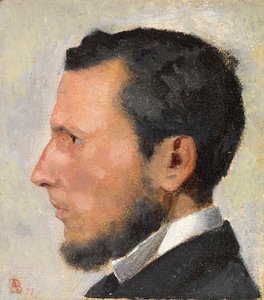
Поль Альбер Бенар
1849 - 1934 , Франція
Основна інформація
- Artistic Movement Or Style: Імпресіонізм
- Artists Or Movements Influenced By This Artist: ['Академічна живопис']
- Artists Who Influenced This Artist:
- Александр Кабанель
- Томас Гейнсборо
- Date Of Birth: Париж, Франція (1849)
- Date Of Death: 1934
- Full Name: Поль Альбер Бельнар
- Nationality: Француз
- Notable Artworks:
- Смерть Тимофана
- Мир шляхом арбітражу
- Портрет мадам Жорж Роденбах
- Place Of Birth: Париж