Переглянути в інтер'єрі
 Надіслати як листівку
 Поділитися
 Детальніше

 Завантажити
 Схожі експонати
 Рентгенівське дослідження
 Слайд-шоу
 Статистика
Harlequin

 Читати далі
Олійная репродукція ручної роботи
Написана вручну олією на полотні у вашому розмірі та рамі, виготовлена на замовлення нашими художниками. ( Перейти до друку Перейти до цифрових зображень)




P118B $10

P118H $10

P118W $10

P438Z $10

P508JH $12

P508YH $12

P805H $10

P805Z $10

P919BZ $10

P919G $10

P919XJ $10

P959ZH $10

P968JZ $12

W106C $8

W218G $10

W218JH $8

W218Y $10

W307PJ $10

W316G $10

W316PJ $8

W316Y $10

W398PJ $8

W4111J $10

W500HY $15

W500JH $15

W692G $12

W849H $8

W940BG $15

W953PJ $8




Обирайте з наших стандартних розмірів, що відповідають оригінальним пропорціям твору мистецтва.

Ви можете вказати власні розміри, щоб репродукція ідеально підійшла до конкретної рами або інтер'єру. Якщо вибраний вами розмір не відповідає пропорціям оригіналу, ми або обріжемо полотно, або доповнимо картину додатковими елементами, промальованими вручну. Цифровий макет буде надіслано вам на затвердження перед початком виробництва.
Зверніть увагу, що попередній перегляд на екрані не відображає фактичне обрізання або розширення зображення. Тільки макет точно покаже остаточну композицію.
Хоча ми можемо виготовити виріб у нестандартному розмірі, для збереження оригінальних пропорцій рекомендуємо обирати варіанти зі встановленого списку.
Після оформлення замовлення команда OriginalUniqueArt.com зв'яжеться з клієнтом електронною поштою для отримання інструкцій та надасть попередній макет
Доставка по всьому світу () за 3–4 тижні замість стандартних 5 тижнів. (10 Вересень). Без жодних компромісів у якості.

Безкоштовна експрес-доставка по всьому світу

Високоякісне лляне полотно

Повне страхове покриття доставки

Гарантія відшкодування митних зборів

Гарантія точного відтворення кольорів

Політика повернення протягом 100 днів (тільки у разі виявлення дефектів)

Гарантія повернення 100% коштів

Пропозиція на оптові замовлення
 Скляний варіант доступний лише для розмірів до 110 см

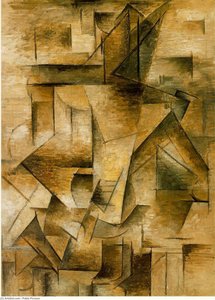
Harlequin
Матеріал репродукції
Розмір репродукції
-


Підсумкова вартість
$ 300
A Fragment of Joy Amidst Sorrow: Decoding Picasso’s ‘Harlequin’
Pablo Picasso's “Harlequin” (1913), housed prominently in the Kunstmuseum Den Haag, transcends mere visual representation; it’s a poignant distillation of artistic experimentation and emotional depth rooted firmly within the burgeoning Cubist movement. This striking canvas depicts Harlequin, the mischievous protagonist of Commedia dell’arte – a theatrical tradition celebrated for its vibrant characters and stylized narratives – poised atop a horse, accompanied by an umbrella bearer. The image immediately grabs attention with its audacious palette: reds dominate, punctuated by yellows and blues, creating a dynamic interplay that reflects both exuberance and unease.- Style & Technique: Picasso’s masterful application of Cubist principles is evident in the fractured planes of color and form. Unlike traditional depictions prioritizing realism, “Harlequin” dismantles perspective, presenting multiple viewpoints simultaneously. This technique isn't simply a stylistic choice; it embodies Picasso’s desire to capture not just what he sees but also how he perceives the world – a fragmented experience mirroring the anxieties of the era.
- Historical Context: Painted during a period marked by significant artistic upheaval, “Harlequin” reflects the broader influence of Cézanne and Matisse on Picasso’s thinking. The Cubist movement sought to liberate art from academic conventions, prioritizing geometric abstraction over naturalistic representation. Simultaneously, Picasso wrestled with personal trauma – his sister’s illness – which subtly informs the melancholic undertones present throughout his oeuvre.
- Color Palette: Picasso's bold use of color isn’t merely decorative; it communicates emotion directly. The dominant reds symbolize passion and vitality, while the yellows evoke optimism and warmth. However, these cheerful hues are juxtaposed with cooler blues, creating a visual tension that mirrors the emotional complexity of the scene.
- Composition: Picasso skillfully arranges the figures within the canvas to create a dynamic composition that draws the eye across multiple planes. The horse’s upward trajectory contrasts sharply with Harlequin's grounded stance, emphasizing the interplay between aspiration and reality.
Біографія митця
Ранні роки та формування митця
Пабло Руїс Пікассо, ім'я якого стало синонімом мистецької революції, народився 25 жовтня 1881 року в Малазі, Іспанія. Його існування здавалося приреченим на творчий вираз; за легендою, перші слова, які він промовив, були “піз, піз”, спроба сказати ‘олівець’. Ця рання схильність була підхоплена його батьком, Хосе Руїсом і Бласко, художником та вчителем малювання, який забезпечив молодому Пабло базову підготовку. Однак учень швидко перевершив інструктора, демонструючи дивовижну майстерність натуралістичного зображення, що натякала на величезний талант. Подальші переїзди сім'ї – спочатку до А Коруньї, а потім до Барселони – були позначені особистою трагедією, зокрема втратою сестри Пікассо, досвід, який тонко вплинув би на його подальшу роботу темами меланхолії та смертності. Навіть під час формального навчання в Школі витончених мистецтв у Барселоні та короткого перебування в Королівській академії Сан-Фернандо в Мадриді Пікассо не міг змиритися з суворими академічними обмеженнями, віддаючи перевагу зануренню в твори майстрів, таких як Веласкес і Гоя, прокладаючи свій власний шлях до мистецької інновації.
Від сумних блакитних тонів до рожевих відтінків
На початку 20-го століття в творчості Пікассо виникли два чітко окреслені періоди: Блакитний період (приблизно 1901–1904 роки) та Рожевий період (1904–1906 роки). Блакитний період, народжений від особистих труднощів і гострого усвідомлення соціальних страждань, характеризується картинами, просякнутими похмурими відтінками синього та блакитно-зеленого. Ці роботи населені маргіналізованими фігурами – жебраками, сліпими, куртизанками – зображеними з моторошною емпатією, що говорить про теми ізоляції та відчаю. La Vie (1903) і Старий гітарист (1903–1904) є зворушливими прикладами цього емоційно зарядженого періоду. Зміна в особистому житті Пікассо, у поєднанні з переїздом до Парижа, ознаменувала прихід Розового періоду. Палітра значно зігрілася, охоплюючи рожеві, оранжеві та червоні кольори, що відображає більш оптимістичний погляд. Цей період характеризувався захопленням цирковими артистами – арлекінами, акробатами та сімейними трупами – фігурами, які втілювали як крихкість, так і стійкість. Сім'я сольтибанкі (1905) чудово уособлює цей перехід, натякаючи на стилістичні дослідження, що чекають попереду.
Руйнування перспективи: кубізм та за його межами
Рік 1907 року ознаменував поворотний момент в історії мистецтва зі створенням Авіньйонських дівчат. Під впливом іберійської скульптури та африканських масок, цей новаторський твір зруйнував традиційні уявлення про перспективу та репрезентацію. Це був радикальний відхід, навмисне відкидання віковічних конвенцій, що проклало шлях до кубізму. Працюючи в тісній співпраці з Жоржем Браком, Пікассо став співавтором цього революційного руху, фундаментально змінивши спосіб сприйняття та зображення реальності художниками. Аналітичний кубізм (1909–1912 роки) передбачав фрагментацію об'єктів на геометричні форми, відтворені в приглушених кольорах, ніби розбираючи саму форму. Це еволюціонувало у синтетичний кубізм (1912–1919 роки), який включав елементи колажу – газетні вирізки, клаптики тканини – додаючи текстуру та нові шари візуальної складності. Пікассо не задовольнявся простим представленням світу; він прагнув деконструювати його та перебудовувати на власних умовах.
Неспокійний експериментатор: неокласицизм, сюрреалізм і війна
У 1920-х роках Пікассо ненадовго досліджував неокласичний стиль, створюючи монументальні фігури, які перегукувалися з класичними формами, зберігаючи при цьому чітко сучасну чутливість. Одночасно він залучився до бурхливого руху сюрреалізму, хоча ніколи повністю не узгоджував свої принципи. Його робота в цей період поєднувала попередні стилістичні впливи з сюрреалістичними образами та спотвореними перспективами, демонструючи його невпинні експерименти. Жахи громадянської війни в Іспанії глибоко вплинули на Пікассо, кульмінацією чого стало створення Герніки (1937), вісцеральної та емоційно руйнівної відповіді на бомбардування Герніки. Цей монументальний твір став невичерпним символом жахів війни, закріпивши роль Пікассо не лише як художника, а й як могутнього голосу миру та соціальної справедливості. Протягом 1950-х і 60-х років він продовжував розширювати межі, досліджуючи кераміку, скульптуру та гравюру з непохитною цікавістю та майстерністю. Його шлюб із Жаклін Рок у 1961 році привніс новий вимір в його особисте життя та художній вираз.
Невимірна спадщина
Пабло Пікассо помер 8 квітня 1973 року в Муа, Франція, залишивши після себе дивовижний обсяг робіт – за оцінками, понад 50 000 екземплярів – які продовжують захоплювати та надихати. Його художній розвиток був сформований різноманітними впливами, від іспанських майстрів, таких як Веласкес і Гоя, до іберійської скульптури, африканського мистецтва та яскравих колірних палітр Анрі Матісса. Його вплив на мистецтво 20-го століття неможливо переоцінити. Він став співавтором кубізму, піонером колажу та сконструйованої скульптури і постійно кидав виклик художнім конвенціям. Невпинні експерименти Пікассо переосмислили сучасне мистецтво, залишивши незгладимий слід у поколіннях художників і закріпивши його позицію як однієї з найважливіших та впливових постатей в історії. Його спадщина виходить за межі полотна, резонуючи в незліченних аспектах сучасної культури та нагадуючи нам про перетворюючу силу мистецької візії.

Пабло Пікассо
1881 - 1973 , Іспанія
Короткі факти
- Вплинуті Художники/Рухи:
- Кубізм
- Сучасне мистецтво
- Відомі Роботи:
- Les Demoiselles d'Avignon
- Guernica
- The Old Guitarist
- Дата Народження: 25 жовтня 1881 року
- Дата Смерті: 8 квітня 1973 року
- Місце Народження: Малага, Іспанія
- Національність: Іспанець
- Повне Ім'Я: Пабло Дієго Руїс Пікассо
- Художники, Що Вплинули:
- Веласкес
- Гойя
- Матісс
- Художній Рух/Стиль: Кубізм, Сюрреалізм
Пов'язані статті

Cubism Unveiled: How Picasso and Braque Redefined Modern Art through Geometric Revolution
Explore the revolutionary world of Cubism. Discover how Pablo Picasso and Georges Braque dismantled perspective to redefine modern art through geometric innovation and analytical mastery. An essential guide for art students, collectors, and history enthusiasts.
Топ-10 шедеврів кубізму: виразність форми та новаторство в мистецтві для вашого інтер'єру
Відкрийте для себе 10 шедеврів кубізму від Пікассо, Брака та інших геніїв! Історія мистецтва, виразність форми та кольору. Репродукції картин високої якості для вашого інтер'єру на OriginalUniqueArt.com. Дослідіть колекцію онлайн!
Mastering Cubism: An Essential Guide to the Revolutionary Artworks of Pablo Picasso
Explore the profound evolution of Cubism through an expert analysis of Pablo Picasso's revolutionary works. From Analytical to Synthetic Cubism, discover the techniques that redefined modern art and learn how to curate these iconic masterpieces for your private collection.
Топ-10 шедеврів кубізму: мистецтво, яке змінила реальність | OriginalUniqueArt
Відкрийте для себе 10 шедеврів кубізму від Пікассо, Брака та інших геніїв! Історія мистецтва, унікальні техніки та натхнення для вашого інтер'єру. Репродукції картин преміум-класу – OriginalUniqueArt.
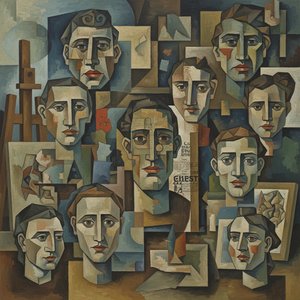
Топ-10 шедеврів кубізму: революція в портретному мистецтві | OriginalUniqueArt
Відкрийте для себе 10 шедеврів кубізму, що змінили портретне мистецтво! Пікассо, Брак та інші генії. Історія, техніка та натхнення для вашого інтер'єру. Репродукції картин високої якості – OriginalUniqueArt.