Переглянути в інтер'єрі
 Надіслати як листівку
 Поділитися
 Деталі витвору
 Посібник

 Завантажити
 Схожі екземпляри
 Рентгенівське дослідження
 Слайд-шоу
 Статистика
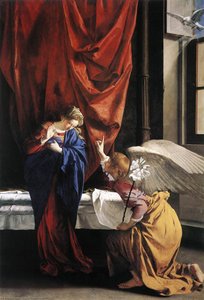
Lute Player
 Oil On Canvas
- WallArt
- Baroque
 1626
1626- Early Modern
 144.0 x 130.0 cm
 Національна галерея мистецтв
 Розгорнути текст
Олійная репродукція ручної роботи
Написана вручну олією на полотні у вашому розмірі та рамі, виготовлена на замовлення нашими художниками. ( Перейти до друку Перейти до цифрових зображень)




P118B ₴10

P118H ₴10

P118W ₴10

P438Z ₴10

P508JH ₴12

P508YH ₴12

P805H ₴10

P805Z ₴10

P919BZ ₴10

P919G ₴10

P919XJ ₴10

P959ZH ₴10

P968JZ ₴12

W106C ₴8

W218G ₴10

W218JH ₴8

W218Y ₴10

W307PJ ₴10

W316G ₴10

W316PJ ₴8

W316Y ₴10

W398PJ ₴8

W4111J ₴10

W500HY ₴15

W500JH ₴15

W692G ₴12

W849H ₴8

W940BG ₴15

W953PJ ₴8




Обирайте з наших стандартних розмірів, що відповідають оригінальним пропорціям твору мистецтва.

Введіть необхідну ширину та висоту, щоб картина підійшла до вашої рами або стіни. Оскільки це ручний розпис, для зміни пропорцій художник може дописати трохи більше по краях або дещо обрізати композицію — вибір за вами. Перед початком роботи ми надішлемо вам цифровий макет для затвердження. Зображення, показане на цій сторінці, не є реальним результатом — лише макет відображає майбутній вигляд.
Після оформлення замовлення команда OriginalUniqueArt.com зв'яжеться з клієнтом електронною поштою для отримання інструкцій та надасть попередній макет
Доставка по всьому світу () за 3–4 тижні замість стандартних 5 тижнів. (26 Жовтень). Без жодних компромісів у якості.

Безкоштовна експрес-доставка по всьому світу

Високоякісне лляне полотно

Повне страхове покриття доставки

Гарантія повернення митних зборів

Гарантія точного відтворення кольорів

Політика повернення протягом 100 днів (лише у разі виявлення дефектів)

Гарантія повернення 100% коштів

Пропозиція на оптові замовлення
 Скляний варіант доступний лише для розмірів до 110 см

Lute Player
Матеріал репродукції
Розмір репродукції
-


Підсумкова вартість
₴ 13465
A Symphony of Light and Shadow
In the quietude of Orazio Gentileschi’s “The Lute Player,” one does not merely observe a scene; one enters a moment of profound, suspended animation. Painted during the vibrant dawn of the Baroque era, around 1612–1615, this masterpiece serves as a breathtaking window into the soul of the seventeenth century. The central figure, a young woman lost in the delicate melodies of a psaltery, embodies a sense of introspective grace that transcends the canvas. As she leans into her instrument, her focus is so absolute that the world around her seems to dissolve, leaving only the resonance of a single, perfect note. For the discerning collector or interior designer, this piece offers more than decoration; it provides an anchor of tranquility and intellectual depth, making it a sublime addition to any space dedicated to contemplation and refined taste.
The brilliance of the work lies in its masterful command of chiaroscuro, a technique heavily inspired by the revolutionary Caravaggio. Gentileschi does not simply use light to illuminate; he uses it to sculpt. Dramatic shadows dance across the textured backdrop, emerging from deep, earthy umbers to highlight the luminous contours of the woman’s face and the delicate folds of her gown. This interplay of brilliance and obscurity creates a palpable sense of three-dimensionality, pulling the viewer into the intimate atmosphere of the room. The color palette is a sophisticated harmony of warm ochres and rich browns, punctuated by the cool, ethereal blues of her attire, creating a visual rhythm that mirrors the music being played.
Symbolism and the Art of Devotion
Beyond its striking visual surface, “The Lute Player” is a tapestry of symbolic meaning. The psaltery—a precursor to the lute—is far more than a mere musical prop; in the Baroque lexicon, it serves as a potent emblem of harmony, learning, and spiritual devotion. The meticulous way Gentileschi renders the instrument, with its polished surfaces and intricate details, suggests a reverence for the discipline required to master such an art. The woman’s posture, characterized by a quiet diligence, invites the viewer to reflect on the pursuit of beauty and the importance of finding stillness within a chaotic world.
Every brushstroke contributes to this narrative of emotional depth. Through the skillful application of layering and glazing, the artist achieves a luminous quality that makes the fabric appear soft to the touch and the wood of the instrument glow with an inner light. This technical virtuosity ensures that a high-quality reproduction retains the soul of the original, capturing the rich textures and the heavy, atmospheric mood that defines the Italian Baroque. Whether placed in a grand library or a contemporary living space, this painting acts as a conversation piece, evoking a sense of history, elegance, and an enduring passion for the arts.
Питання та відповіді
Які сюжети зображені у «Lute Player» роботи Оrazio Ґентілескі?
Тематика, представлена у «Lute Player» роботи Оrazio Ґентілескі, включає portrait, music, baroque, woman, instrument, composition, drama, reflection. Разом вони підсумовують зміст твору.
Кольори «Lute Player» роботи Оrazio Ґентілескі яскраві чи приглушені?
«Lute Player» роботи Оrazio Ґентілескі вирізняється Subtle Color насиченістю та Balanced інтенсивністю кольору.
Яка насиченість кольорів у «Lute Player» роботи Оrazio Ґентілескі?
Насиченість твору «Lute Player» роботи Оrazio Ґентілескі становить Subtle Color.
Біографія митця
A Tuscan Dawn: The Life and Art of Orazio Gentileschi
Born in 1563 amidst the rolling hills of Tuscany, Orazio Gentileschi embarked on a journey that would see him become a pivotal figure in the transition from Mannerism to Baroque painting. Initially known as Orazio Lomi, he gravitated towards Rome, then the epicenter of artistic innovation, where he honed his skills within the workshops of Cola dell’Amata and absorbed the architectural sensibilities of Francesco da Sangallo. These early influences instilled in him a meticulous attention to form and composition, characteristics that would remain hallmarks of his style even as it dramatically evolved. Gentileschi’s initial work often involved contributing figures to larger decorative schemes conceived by other artists – a formative experience that taught him collaboration and adaptability, yet also hinted at a burgeoning ambition for independent expression. His early career was marked by service to wealthy patrons, creating intricate allegorical scenes and portraits, demonstrating his growing technical proficiency and understanding of classical ideals.Embracing the Shadow: Caravaggio's Influence and Artistic Development
The turn of the 17th century marked a turning point in Gentileschi’s artistic trajectory. The revolutionary naturalism of Caravaggio burst onto the Roman art scene, challenging established conventions with its dramatic use of light and shadow – *tenebrism* – and unflinching realism. Gentileschi was profoundly affected by this seismic shift, adopting elements of Caravaggio's style into his own work. However, he wasn’t merely an imitator; rather, he filtered Caravaggio’s innovations through his existing artistic sensibilities. While retaining the dramatic intensity, Gentileschi softened the harshness of Caravaggio’s *tenebrism*, introducing a lighter palette and a more refined approach to detail. This resulted in paintings that possessed both emotional power and elegant grace – a unique synthesis that distinguished him from his contemporaries. Biblical scenes and mythological narratives became frequent subjects, allowing Gentileschi to explore themes of faith, heroism, and human vulnerability with compelling visual storytelling. He skillfully blended Caravaggio’s intense realism with a more lyrical sensibility, creating works that were simultaneously powerful and refined. His use of dramatic gestures and dynamic compositions became increasingly prominent, reflecting his growing mastery of the Baroque style.A Courtly Wanderer: From Paris to London
Gentileschi’s artistic reputation extended beyond Italy's borders. His talent attracted the patronage of powerful figures, leading him on a peripatetic journey through Europe. He spent time at the court of Marie de' Medici in Paris, where his refined style resonated with the Queen’s taste for elegance and sophistication. This period saw a further evolution in his work, characterized by increasingly elaborate compositions and a heightened sense of decorum. He also worked in Genoa, undertaking significant commissions for wealthy families and religious institutions. However, it was his invitation to England in 1626 that would define the final chapter of his career. Appointed court painter to Charles I, Gentileschi became one of the first major exponents of Caravaggism in Britain, significantly influencing the development of English Baroque painting. He undertook ambitious projects, including a series of ceiling paintings for Greenwich Palace (now Marlborough House), showcasing his mastery of large-scale decorative schemes and solidifying his position as a leading artist of his time. His work in England demonstrated a willingness to adapt his style to suit the tastes of his new patrons while retaining his distinctive artistic voice.The Legacy of a Master: Artemisia's Influence
Perhaps most significantly, Orazio Gentileschi’s legacy is inextricably linked to that of his daughter, Artemisia Gentileschi. Trained in her father’s studio, she absorbed his techniques and artistic sensibilities, ultimately surpassing him in fame and influence. While Orazio focused on narrative scenes and portraits, Artemisia developed a unique style characterized by raw emotion, dramatic intensity, and unflinching realism – often depicting female subjects with remarkable psychological depth. Artemisia's success challenged the conventions of the art world and paved the way for future generations of female artists. The influence of her father’s training is undeniable in her early works, but she quickly forged her own distinctive path, becoming one of the most celebrated Baroque painters of all time.Key Works and Lasting Impact
Orazio Gentileschi's oeuvre encompasses a diverse range of subjects and styles, reflecting his versatility and artistic evolution. His paintings – including “Danae,” "The Annunciation," and “The Virgin Mary” – are characterized by their dramatic compositions, vibrant colors, and meticulous attention to detail. He was instrumental in introducing Caravaggism to England, leaving an indelible mark on the artistic landscape there. But perhaps his most enduring legacy lies not just in his individual achievements but also in his role as a mentor and father to Artemisia Gentileschi. Today, Gentileschi’s works are held in prestigious museums and galleries worldwide – from the Uffizi Gallery in Florence to the Accademia Gallery in Venice – testaments to his enduring brilliance and lasting impact on the history of art. His paintings continue to captivate viewers with their emotional depth, technical virtuosity, and timeless beauty.- Major Works: “Danae”, "The Annunciation", "The Virgin Mary"
- Key Influences: Mannerism, Caravaggio
- Artistic Style: Baroque, Dramatic compositions, Bright colors.

Оrazio Ґентілескі
1563 - 1639 , Італія
Короткі факти
- Artistic Movement Or Style: Бароко, Караваджізм
- Artists Or Movements Influenced By This Artist:
- Артемізія Ґентілескі
- Бароко
- Artists Who Influenced This Artist:
- Франческо да Санґало
- Кола д’Амата
- Date Of Birth: 1563
- Date Of Death: 1639
- Full Name: Orazio Gentileschi
- Nationality: Італійський
- Notable Artworks:
- Данає
- Святочення
- Пресвітла Діва
- Place Of Birth: Тусканія, Італія
Пов'язані статті

The Visceral Stage: Exploring Dramatic Narratives & Emotional Intensity in Baroque Art
Explore the dramatic world of Baroque art! Discover iconic masters like Caravaggio & Rembrandt, their techniques, and the movement's lasting impact. Expert insights for collectors & enthusiasts at OriginalUniqueArt.
Топ-10 шедеврів бароко: картини, що змінили мистецтво | OriginalUniqueArt.com
Відкрийте для себе 10 шедеврів епохи бароко! Караваджо, Рембрандт, Рубенс та інші майстри. Історія мистецтва, техніки живопису та розкішний декор для вашого дому. Знайдіть репродукцію мрії на OriginalUniqueArt.com!

The Dramatic Flourish: Exploring the Baroque Movement's Enduring Legacy in Art History
Explore the dramatic world of Baroque art! Discover iconic artists like Caravaggio & Rubens, defining techniques, and its lasting impact on art history. Expert insights for collectors & enthusiasts at OriginalUniqueArt.

Велич бароко: як драма, світло та емоція XVII століття трансформували мистецтво
Дізнайтеся секрети світла та драми епохи бароко від експертів. Відкрийте для себе велич майстрів вже зараз.

Топ-10 шедеврів бароко: картини, що змінили мистецтво | OriginalUniqueArt.com
Відкрийте для себе 10 шедеврів бароко від Караваджо, Рембрандта та Рубенса! Історія мистецтва, техніки живопису та натхнення для вашого інтер'єру. Репродукції картин високої якості – OriginalUniqueArt.com