

 Переглянути в інтер'єрі
 Надіслати
 Поділитися
 Деталі
 Посібник

 Завантажити
 Схожі предмети колекціонування
 Рентгенівське дослідження
 Слайд-шоу
 Статистика переглядів
Procession of Insects
 801
801 33.0cm x 82.0cm
 Читати далі
Олійная репродукція ручної роботи
Написана вручну олією на полотні у вашому розмірі та рамі, виготовлена на замовлення нашими художниками. ( Перейти до друку Перейти до цифрових зображень)




































Обирайте з наших стандартних розмірів, що відповідають оригінальним пропорціям твору мистецтва.

Ви можете вказати власні розміри, щоб репродукція ідеально підійшла до конкретної рами або інтер'єру. Якщо вибраний вами розмір не відповідає пропорціям оригіналу, ми або обріжемо полотно, або доповнимо картину додатковими елементами, промальованими вручну. Цифровий макет буде надіслано вам на затвердження перед початком виробництва.
Зверніть увагу, що попередній перегляд на екрані не відображає фактичне обрізання або розширення зображення. Тільки макет точно покаже остаточну композицію.
Хоча ми можемо виготовити виріб у нестандартному розмірі, для збереження оригінальних пропорцій рекомендуємо обирати варіанти зі встановленого списку.
Після оформлення замовлення команда OriginalUniqueArt.com зв'яжеться з клієнтом електронною поштою для отримання інструкцій та надасть попередній макет
Доставка по всьому світу () за 3–4 тижні замість стандартних 5 тижнів. (25 Вересень). Без жодних компромісів у якості.

Безкоштовна експрес-доставка по всьому світу

Високоякісне лляне полотно

Повне страхове покриття доставки

Гарантія повернення митних зборів

Гарантія точного відтворення кольорів

Політика повернення протягом 100 днів (лише у разі виявлення дефектів)

Гарантія повернення 100% коштів

Знижка на оптові замовлення
 Скляний варіант доступний лише для розмірів до 110 см

Procession of Insects
Техніка репродукції
Розмір репродукції
-


Загальна вартість
$ 300
Біографія митця
Nishiyama Kan'ei: A Master of Tranquil Landscapes and Kachōga
Nishiyama Kan’ei (謙, shiju 子受), born in Osaka in 1834, stands as a prominent figure within the landscape painting tradition of Edo Japan. His artistic journey began under the tutelage of his father, Nishiyama Hoen, establishing him firmly within a lineage dedicated to capturing the beauty and serenity of nature – a cornerstone of Japanese aesthetic sensibilities. Kan’ei's oeuvre is characterized by meticulous detail and an unwavering commitment to portraying scenes from daily life with remarkable sensitivity, cementing his reputation as one of the era’s foremost artists.Early Life and Artistic Training
Kan’ei’s formative years were steeped in artistic discipline. Hoen, himself a respected painter known for his album prints (kachōga), instilled in Kan’ei not merely technical skills but also a profound appreciation for observation and composition. This rigorous training honed Kan’ei's ability to translate visual impressions into evocative brushstrokes—a hallmark of kachōga style which sought to depict commonplace subjects with artistic grace. The influence of Hoen extended beyond technique; it fostered an understanding of the philosophical underpinning of Japanese art – a harmonious blend of observation and contemplation. He diligently studied under Hoen, absorbing his mastery of color palettes and compositional principles, ensuring that Kan’ei would inherit the traditions of Osaka's Shijo school.The Art of Kachōga: Capturing Everyday Life
Kan’ei excelled particularly in kachōga, a genre that flourished during the Edo period. Unlike Western portraiture focused on nobility or grandeur, kachōga aimed to elevate the mundane into artful expression. Kan’ei's landscapes weren’t merely scenic representations; they were imbued with subtle narratives reflecting seasonal changes and capturing the quiet dignity of rural life. His paintings often depict scenes of farmers tending their fields, fishermen casting nets, and artisans diligently pursuing their crafts—subjects rendered with astonishing realism yet infused with an ethereal quality achieved through masterful brushwork and tonal gradation. The meticulous detail in his depictions – from individual blades of grass to ripples on water surfaces – exemplifies the Edo aesthetic’s emphasis on capturing the essence of a moment. He skillfully blended observation with artistic interpretation, mirroring Hoen's teachings and solidifying Kan’ei’s position as a leader within Osaka’s Shijo school.Notable Works: “Procession of Insects” and Beyond
Among Kan’ei’s celebrated achievements is “Procession of Insects,” currently housed at The Metropolitan Museum of Art (2015.300.207). This hanging scroll exemplifies his signature style, showcasing an intricate depiction of insects emerging from the soil—a motif frequently employed in kachōga to symbolize renewal and transformation. The painting’s composition is balanced and harmonious, reflecting Kan’ei’s dedication to capturing the beauty inherent in natural phenomena. Further research into Kan’ei’s artistic output reveals a prolific artist who produced numerous albums and prints exploring diverse landscapes across Japan. His work demonstrates an exceptional grasp of color theory and tonal manipulation—techniques that contribute significantly to the paintings’ atmospheric depth and emotional resonance. He was recognized as one of Osaka's most talented artists, alongside contemporaries like Morizumi Kangyo, Kano Eisho, Ueda Kochu (q.v.) and Mori Kinseki (q.v.).Legacy and Historical Significance
Nishiyama Kan’ei’s contribution to Japanese art history is undeniable. He represents a pivotal figure in upholding the traditions of kachōga, ensuring its continued relevance as an artistic form capable of conveying profound philosophical ideas alongside visual splendor. His meticulous observation and skillful execution serve as inspiration for subsequent generations of artists striving to emulate his mastery—a testament to his enduring influence on Japanese landscape painting and art scholarship. He embodies the spirit of Edo Japan’s pursuit of beauty within simplicity, leaving behind a legacy of serene images that continue to captivate audiences today. Kan’ei's work stands as an emblem of artistic refinement during a period marked by social conservatism and intellectual curiosity—a remarkable achievement that secures his place among Japan’s most revered painters.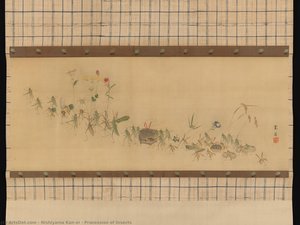
Нішіяма Канеї
1834 - 1897 , Японія
Довідкова інформація
- Artistic Movement Or Style: Кachōga живопис
- Artists Or Movements Influenced By This Artist: Укійо-е стиль
- Artists Who Influenced This Artist: Нішіяма Хоен
- Date Of Birth: Osaka, Japan (1834)
- Full Name: Nishiyama Kan'ei
- Nationality: Японський
- Notable Artworks: ['Процесія комах']
- Place Of Birth: Osaka