
 Переглянути в інтер'єрі
 Надіслати як листівку
 Поділитися
 Деталі витвору
 Посібник

 Завантажити
 Схожі екземпляри
 Рентгенівське дослідження
 Слайд-шоу
 Питання та відповіді
 Статистика
Peasant and his son

- 75.0 x 56.0 cm


 Розгорнути текст
Гікле / Художній принт
Друк جيкле або на полотні музейної якості з оперативним виготовленням та різноманітними варіантами фінішної обробки. ( Замовити картину ручної роботи Перейти до цифрових зображень)




P118B ₴10

P118H ₴10

P118W ₴10

P438Z ₴10

P508JH ₴12

P508YH ₴12

P805H ₴10

P805Z ₴10

P919BZ ₴10

P919G ₴10

P919XJ ₴10

P959ZH ₴10

P968JZ ₴12

W106C ₴8

W218G ₴10

W218JH ₴8

W218Y ₴10

W307PJ ₴10

W316G ₴10

W316PJ ₴8

W316Y ₴10

W398PJ ₴8

W4111J ₴10

W500HY ₴15

W500JH ₴15

W692G ₴12

W849H ₴8

W940BG ₴15

W953PJ ₴8




Обирайте з наших стандартних розмірів, що відповідають оригінальним пропорціям твору мистецтва.

Введіть необхідну ширину та висоту, щоб принт ідеально підійшов до вашої рами або стіни. Принт можна лише обрізати, але не можна зробити більшим за оригінал, тому при зміні пропорцій частина зображення буде втрачена. Перед друком ми надсилаємо вам цифровий макет для затвердження. Зображення на цій сторінці не відображає реальну обрізку — її можна побачити лише на макеті.
Доставка по всьому світу () за 2 тижні замість стандартних 4/5 тижнів. (4 Листопад)

Безкоштовна експрес-доставка по всьому світу

Високоякісне лляне полотно

Повне страхове покриття доставки

Гарантія повернення митних зборів

Гарантія точного відтворення кольорів

Політика повернення протягом 100 днів (лише у разі виявлення дефектів)

Гарантія повернення 100% коштів

Пропозиція на оптові замовлення
 Скляний варіант доступний лише для розмірів до 110 см

Peasant and his son
Гікле / Художній принт
Розмір репродукції
-


Підсумкова вартість
₴ 3644
A Glimpse into Georgian Rural Life: Niko Pirosmani's "Peasant and his Son"
Niko Pirosmani’s “Peasant and his son,” painted in 1908, offers a poignant window into the soul of rural Georgia at the turn of the twentieth century. This vertical oil painting isn't merely a depiction of two figures; it is an embodiment of generational connection, quiet dignity, and the timeless rhythms of agricultural life. The scene unfolds outdoors, suggested by the tall stalks that rise in the background—resembling reeds or corn—creating a backdrop evocative of the Georgian countryside. An elderly man dominates the left side of the composition, his presence weighty and grounded, while his young son stands to the right, presenting something unseen to his father. This simple act forms the heart of the painting’s narrative, hinting at respect, inheritance, or perhaps the passing down of knowledge—a symbolic exchange that resonates across time and cultures. The overall impression is one of profound stillness, a moment captured in amber, inviting contemplation on themes of family, tradition, and the enduring strength of human bonds.The Language of Primitivism: Style and Technique
Pirosmani’s artistic style defies easy categorization, often described as primitivist or naive. He wasn't formally trained; his skill blossomed from a deep observation of the world around him and an innate ability to translate that vision onto canvas. This lack of formal training is evident in the painting’s deliberate simplicity—a flattened perspective characteristic of folk art traditions, where illusionistic space takes a backseat to emotional impact. The artist employs visible brushstrokes, layering oil paints to create texture, particularly noticeable in the man's beard and robes, lending them a tactile quality that draws the viewer closer. Lines are used purposefully to define forms – both figures and surrounding vegetation—creating a sense of solidity and depth despite the overall flatness. The palette is predominantly dark: browns, blacks, and muted reds dominate, contributing to a somber yet contemplative mood. This restrained use of color amplifies the painting’s emotional weight, focusing attention on the subjects' faces and their interaction. Pirosmani often worked on oilcloth rather than traditional canvas, a testament to his resourcefulness and perhaps adding another layer of rustic authenticity to his work.A Georgian Visionary: Context and Legacy
To fully appreciate “Peasant and his son,” it’s essential to understand the context in which it was created. Niko Pirosmani lived a life largely outside the mainstream art world, working various odd jobs while pursuing his passion for painting. He was a self-taught artist who captured the essence of Georgian culture with remarkable honesty and sensitivity. His work gained recognition later in his life thanks to the support of Russian poets and artists like Mikhail Le-Dantyu and Kirill Zdanevich, who championed his unique vision. Pirosmani’s style resonated with the burgeoning primitivist movement, which celebrated art created outside established academic traditions. He became a pivotal figure in 20th-century Georgian art, influencing generations of artists with his distinctive approach to subject matter and technique. His paintings offer invaluable insights into the social fabric and daily life of Georgia during a period of significant change and transition.Emotional Resonance: A Timeless Portrait
Beyond its historical significance and artistic merit, “Peasant and his son” possesses an undeniable emotional power. The painting evokes a sense of quiet dignity and timelessness—a feeling that transcends the specific time and place depicted. The connection between father and son is palpable, conveyed through their posture and gaze. There's a profound tenderness in the boy’s offering, and a gentle acceptance in the man’s response. This isn’t a grand narrative of triumph or tragedy; it’s a simple moment of human interaction elevated to something extraordinary by Pirosmani’s masterful touch. The painting invites viewers to reflect on their own relationships with family, tradition, and the enduring values that shape our lives—making it a work of art that continues to resonate deeply with audiences today.Питання та відповіді
Які кольори переважають у «Peasant and his son» роботи Ніко Піросмані?
Колірна ідентичність «Peasant and his son» роботи Ніко Піросмані: палітра у стилі Earthy, де домінує Black (#150d12).
Який розмір репродукції рекомендується для «Peasant and his son» роботи Ніко Піросмані?
Рекомендований розмір друку для «Peasant and his son» роботи Ніко Піросмані — Medium.
Яка насиченість кольорів у «Peasant and his son» роботи Ніко Піросмані?
Насиченість твору «Peasant and his son» роботи Ніко Піросмані становить Muted.
Біографія митця
Early Life and Career
Nikolai Aslánovich Pirosmanashvili, known universally as Niko Pirosmani (1862-1918), emerged from humble beginnings in Mtskheta, Georgia—a village steeped in ancient traditions and nestled amidst the verdant foothills of Kakheti Province. Born to Aslan Pirosmanashvili and Tekle Toklikishvili, farmers who cultivated a modest vineyard, Pirosmani’s early life was marked by hardship and loss. Orphaned at a young age due to illness, he found solace in the care of his elder sisters, shaping his formative years amidst rural simplicity. Despite lacking formal education, Pirosmani possessed an innate artistic talent that would blossom into a singular vision—a rejection of academic conventions and an embrace of raw emotion and untamed observation.Artistic Style and Themes
Pirosmani’s distinctive style defies easy categorization, firmly establishing him as a pivotal figure in the primitivist movement. His canvases are characterized by a breathtaking naïveté—a deliberate avoidance of meticulous detail and perspectival accuracy—yet brimming with an astonishing sensitivity to color and composition. Primarily working on oilcloth – a durable fabric treated with linseed oil – Pirosmani achieved remarkable effects through layering pigments, creating textured surfaces that pulsate with life. His frontal placements of figures are striking, conveying immediacy and confronting the viewer directly with the subject matter. Unlike many artists of his time who sought inspiration in urban landscapes or mythological narratives, Pirosmani’s gaze remained firmly fixed on the everyday realities of Georgian peasant life—a fascination that fueled his artistic explorations. He captured scenes of rural rituals, harvests, weddings, and portraits of ordinary people with an unparalleled ability to distill their essence onto canvas.Notable Works and Exhibitions
Pirosmani's oeuvre comprises approximately 350 paintings, each imbued with a palpable spirit of authenticity. Among his most celebrated works are “Musha with a Wineskin,” a masterful depiction of Georgian folklore—a testament to Pirosmani’s profound connection with his cultural heritage. Similarly, “Georgian Wedding” vividly portrays the vibrant traditions surrounding Georgian nuptials, capturing the joyous energy and communal spirit of the occasion. His portrait of Mikhail Le-Dantyu, commissioned by Kirill Zdanevich and Ilia Zdanevich—members of the Russian nobility—stands as a remarkable achievement in psychological portraiture, reflecting Pirosmani’s astute understanding of human emotion. These paintings garnered considerable acclaim during exhibitions held in Russia (Ryazan Regional Art Museum) and Ukraine (Lugansk Regional Art Museum), securing his place within the broader context of primitivism art movement.Legacy and Posthumous Recognition
Pirosmani's life was tragically curtailed by illness, but his artistic legacy endured—a testament to the enduring power of untutored creativity. His work gained recognition posthumously, becoming celebrated in exhibitions commemorating Georgian painters’ achievements. Today, Pirosmani’s paintings reside prominently within the Art Museum of Georgia and the Historical-Ethnographic Museum of Sighnaghi, attracting visitors from across the globe—over 350,000 individuals annually marvel at his evocative imagery. Niko Pirosmani remains an icon of Georgian art history, inspiring artists and scholars alike with his uncompromising vision and unwavering devotion to capturing the soul of rural Georgia.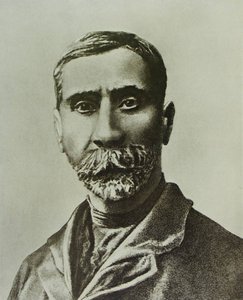
Ніко Піросмані
1862 - 1918 , Грузія
Короткі факти
- Artistic Movement Or Style: Примітивізм
- Artists Who Influenced This Artist: ['Влад. Ладо Гудіашвілі']
- Date Of Birth: 5 травня 1862 р.
- Date Of Death: 9 квітня 1918 р.
- Full Name: Nikoláy Aslánovich Pirosmanashvíli
- Nationality: Грузинський
- Notable Artworks:
- Муша з пляшкою вина
- Грузинське весілля
- Портрет Зданевича
- Place Of Birth: Мірзаані, Кахетинська область, Грузія
Пов'язані статті
Niko Pirosmani: A Georgian Visionary – Life, Legacy, and the Poetics of Outsider Art
Discover the captivating life & art of Niko Pirosmani, Georgia’s celebrated primitivist painter. Explore his unique oilcloth paintings, lasting influence, and enduring legacy with OriginalUniqueArt.
Cultivating Visions: Rural Life & Social Commentary in Art History
Explore the rich history of rural life in art! Discover masterpieces from Dutch Masters to Van Gogh & Courbet. Uncover artistic movements, social significance & expert collecting insights at OriginalUniqueArt.
Cultivating Visions: A Historical Exploration of Rural Life in Painting
Explore the rich history of rural life in painting! Discover masterpieces from Dutch Masters to Courbet & Watteau. Uncover the artistic and social significance of idyllic landscapes and peasant scenes.

Echoes of Rural Life: Nostalgia, Labor & Identity in Art History
Explore the rich history of rural life in art! Discover how Realism captured labor & identity through masterpieces by Van Gogh, Millet & more. Expert analysis for collectors and enthusiasts.

Echoes of Rural Life: Art's Enduring Representations of the Countryside
Explore the rich history of rural life in art! Discover masterpieces from Millet to Mauve & beyond. Learn about Realism, Barbizon School & find inspiration for your home with OriginalUniqueArt.
