

 Переглянути в інтер'єрі
 Надіслати
 Поділитися
 Деталі
 Посібник

 Завантажити
 Схожі предмети колекціонування
 Рентгенівське дослідження
 Слайд-шоу
 Статистика переглядів
Landscape


 Читати далі
Гікле / Художній принт
Музейна якість друку جيкле або на полотні з оперативним виготовленням та різноманітними варіантами фінішної обробки. ( Купити картину ручної роботи Перейти до цифрових зображень)




P118B ₴10

P118H ₴10

P118W ₴10

P438Z ₴10

P508JH ₴12

P508YH ₴12

P805H ₴10

P805Z ₴10

P919BZ ₴10

P919G ₴10

P919XJ ₴10

P959ZH ₴10

P968JZ ₴12

W106C ₴8

W218G ₴10

W218JH ₴8

W218Y ₴10

W307PJ ₴10

W316G ₴10

W316PJ ₴8

W316Y ₴10

W398PJ ₴8

W4111J ₴10

W500HY ₴15

W500JH ₴15

W692G ₴12

W849H ₴8

W940BG ₴15

W953PJ ₴8




Обирайте з наших стандартних розмірів, що відповідають оригінальним пропорціям твору мистецтва.

Введіть необхідну ширину та висоту, щоб принт ідеально підійшов до вашої рами або стіни. Принт можна лише обрізати, але не можна зробити більшим за оригінал, тому при зміні пропорцій частина зображення буде втрачена. Перед друком ми надсилаємо вам цифровий макет для затвердження. Зображення на цій сторінці не відображає реальну обрізку — її можна побачити лише на макеті.
Доставка по всьому світу () за 2 тижні замість стандартних 4/5 тижнів. (21 Жовтень)

Безкоштовна експрес-доставка по всьому світу

Високоякісне лляне полотно

Повне страхове покриття доставки

Гарантія повернення митних зборів

Гарантія точного відтворення кольорів

Політика повернення протягом 100 днів (лише у разі виявлення дефектів)

Гарантія повернення 100% коштів

Знижка на оптові замовлення
 Скляний варіант доступний лише для розмірів до 110 см

Landscape
Гікле / Художній принт
Розмір репродукції
-


Загальна вартість
₴ 3585
Nicolas de Largillière’s “Landscape”: A Symphony of Light and Tranquility
The world of 17th-century French portraiture is often associated with opulent formality, yet within this tradition flourished a remarkable vein of serene landscapes – paintings that offered a respite from the constraints of courtly life. Nicolas de Largillière’s “Landscape,” painted around 1680, stands as a prime example of this quieter, more contemplative style, capturing not just a visual scene but also an atmosphere of profound peace and timeless beauty. It's a work that invites the viewer to step into its verdant depths and lose themselves in the gentle rhythms of nature.
Largillière’s approach diverges significantly from the dramatic, theatrical landscapes favored by some contemporaries. Instead, he presents a scene imbued with an understated elegance, prioritizing subtle details and a masterful manipulation of light. The composition is carefully balanced, drawing the eye through a winding path that leads into the heart of a densely wooded area. The foreground, dominated by a modest track, establishes a sense of intimacy, while the middle ground reveals a tapestry of trees – oaks, birches, and pines – rendered with meticulous attention to texture and form. The background fades gently into a hazy distance, suggesting an expansive horizon without overwhelming the viewer.
A Masterclass in Light and Shadow
What truly elevates “Landscape” is Largillière’s extraordinary command of light. He doesn't employ harsh contrasts or dramatic highlights; rather, he utilizes a diffused, almost ethereal illumination that permeates the entire scene. Sunlight filters through the canopy, casting dappled patterns on the forest floor and creating an interplay of light and shadow that breathes life into every leaf and branch. This delicate handling of chiaroscuro – the contrast between light and dark – is not merely decorative; it’s fundamental to the painting's emotional impact, lending a sense of depth, volume, and realism to the landscape.
The artist’s technique is remarkably refined. Largillière employs a loose, expressive brushstroke, particularly in depicting the foliage, which appears almost luminous. He builds up layers of color with subtle gradations, creating a rich tapestry of greens, browns, and yellows that evoke the changing seasons. The trees themselves are not sharply defined but rather suggested through carefully placed dabs of paint, conveying their form and texture without resorting to overly detailed rendering. This approach aligns perfectly with the prevailing Baroque aesthetic, prioritizing atmosphere and feeling over strict realism.
Symbolism and a Moment of Reflection
While Largillière’s landscapes are often characterized by their serene beauty, they also carry subtle symbolic weight. The winding path invites contemplation and suggests a journey – perhaps not just through the physical landscape but also through life itself. The dense forest can be interpreted as representing the complexities of nature, while the open spaces symbolize freedom and possibility. The painting’s overall mood is one of quiet reflection, encouraging the viewer to pause and appreciate the simple pleasures of the natural world.
Considering Largillière's background in portraiture, it’s intriguing to note how he translated his skills of capturing likeness and personality into this genre. The landscape isn’t merely a backdrop; it feels inhabited, imbued with a sense of stillness and tranquility that mirrors the contemplative nature of portraiture. The painting subtly evokes a feeling of escape – a momentary retreat from the pressures of daily life.
A Timeless Appeal
“Landscape” by Nicolas de Largillière is more than just a beautiful depiction of a forest scene; it’s a testament to the artist's skill, sensitivity, and profound understanding of light and atmosphere. Its enduring appeal lies in its ability to transport the viewer to a place of peace and tranquility, reminding us of the restorative power of nature. Reproductions of this remarkable work offer a chance to bring this serene vision into any space, fostering a sense of calm and contemplation – a valuable addition to any collection or interior design.
Запитання та відповіді
Який основний відтінок пронизує «Landscape» Нікола де Ларіґільєрє?
У «Landscape» Нікола де Ларіґільєрє переважає Amber to Saffron відтінок.
Яке місце посідає «Landscape» у творчій спадщині Нікола де Ларіґільєрє?
«Landscape» поділяє з іншими творами Нікола де Ларіґільєрє характерний стиль Baroque Portraiture та притаманні йому теми: flemish landscape tradition, french courtly portraiture, baroque light and shadow, genre scenes, everyday life, refined elegance, social status.
Як сюжет твору "Landscape" перегукується із звичними темами Нікола де Ларіґільєрє?
Повторювані теми Нікола де Ларіґільєрє включають flemish landscape tradition, french courtly portraiture, baroque light and shadow, genre scenes, everyday life, refined elegance, social status; «Landscape» зосереджується на landscape, forest, path, trees, sky, tranquility, composition.
Біографія митця
Паризьке життя у портретах
Ніколя де Ларіґільєр — ім'я, що нерозривно пов'язане з елегантністю та витонченістю французького барокового портрета — народився у 1656 році в гамірному комерційному світі Парижа. Його батько, капелюшник, перевіз сім'ю до Антверпена, коли Ніколя було лише три роки; це ключове переміщення глибоко вплинуло на його творчу траєкторію. Раннє занурення у жваву мистецьку сцену Антверпена — центру фламандського живопису — заклало фундамент для його майбутніх звершень, відкривши йому доступ до багатих традицій та технік, які згодом сформували його власний самобутній стиль. Хоча спочатку він був приречений на заняття комерцією, вроджена художня схильність Ларіґільєра відвела його від сімейного ремесла до життя, присвяченого закарбовуванню облич тих, хто його оточував. За цим послідувала коротка подорож до Лондона, де він вбирав нюанси портретного жанру під керівництвом видатних майстрів, перш ніж повернутися до Антверпена та недовго навчатися у Антона Губау. Однак саме чотирирічне учнівство у сера Пітера Лелі у Віндзорі справді зміцнило його художній фундамент, прищепивши йому прискіпливу увагу до деталей та майстерне відтворення текстур, що згодом стали візитівкою його робіт. Політичні потрясіння, пов'язані із «Змовою в Рай-хаусі», зрештою спонукали Ларіґільєра повернутися до Парижа — крок, який визначив його кар'єру та утвердив його як одного з провідних портретистів своєї епохи.Сходження у світі паризького мистецтва
Ларіґільєр швидко зарекомендував себе як затребуваний художник у Парижі, привертаючи покровительство як знаті, так і зростаючого класу купців. Його здатність передавати не лише фізичну схожість, а й характер та статус виявилася надзвичайно привабливою для тих, хто прагнув увічнити себе для нащадків. Коротке повернення до Англії за наказом короля Якова II надало нові можливості для написання королівських портретів — зокрема, самого Якова II, королеви Марії Моденської та принца Уельського, що зміцнило його репутацію при дворах. Проте саме прийняття до престижності Французької академії у 1686 році остаточно закріпило його позиції у паризькому мистецькому світі. Це досягнення не було лише формальністю; воно означало визнання з боку встановленої художньої еліти та відкрило двері до замовлень і патронажу. Хоча Академія офіційно класифікувала його як художника-історика — що було звичною практикою того часу — справжня пристрасть Ларіґільєра полягала саме в портреті, і він досяг неймовірних висот у передачі сутності своїх моделей. Його портрети П'єра де Монтеск'ю, губернатора Аррасу, та інших впливових осіб демонструють цю здатність передавати не лише зовнішню схожість, а й відчуття особистості та авторитету. Він став відомим завдяки майстерному створенню складних групових портретів, прикладом чого є *Портрет королівської родини* (1709), де зображено Людовика XIV з мадам де Вентадур та онуками — монументальний твір, що демонструє його майстерність композиції та вміння втілити окремі характери у цілісному ансамблі.Майстерність стилю та техніки
Художній стиль Ларіґляєра характеризується вишуканим поєднанням реалізму, елегантності та ретельної уваги до деталей. Він володів дивовижною здатністю маніпулювати світлом і тінню для створення глибини та об'єму, що вдихало життя у його персонажів на полотні. Його композиції часто були ретельно структурованими, відображаючи ренесансну чутливість і водночас втілюючи динамізм епохи бароко. На пізньому етапі своєї кар'єри він розробив характерну позу — часто із розчепіреними пальцями моделі, що ледь приховують листа, або позиціонуванням на фоні доричної колони — яка стала його фірмовим стилем. Ця формула, хоч і здавалася дещо повторюваною, дозволяла йому зосередитися на нюансах експресії та складнощах костюма й прикрас. Портрети короля Августа II Польського, Жака-Антуана Арло та Ніколя Кустона демонструють цю зрілу фазу його творчого розвитку. Він не просто фіксував зовнішність; він заглиблювався в характер, передавав статус і увічнював своїх моделей для майбутніх поколінь. Його відданість передачі текстури тканин, блиску коштовностей та ледь помітних виразів обличчя відкриває перед нами прискіпливого майстра, глибоко відданого своєму мистецтству.Спадщина та безсмертний вплив
Ніколя де Ларіґільєр залишив по собі величезний масив робіт, що пропонують неоціненне розуміння французького суспільства XVIII століття. Його портрети — це не просто естетичні об'єму; це історичні документи, що дозволяють зазирнути в життя, моду та соціальну ієрархію того часу. Він виховав кількох видатних художників, зокрема Жана-Батиста Удрі та Якоба ван Схуппена, які продовжили його творчу спадщину та зробили свій внесок у розквіт стилю рококо. Вплив Ларіґільєра виходить далеко за межі його прямих учнів; він відіграв ключову роль у формуванні розвитку портретного жанру у Франції, піднявши його на нові висоти технічної майстерності та художньої експресії. Сьогодні його роботи зберігаються у престижних музеях по всьому світу — від музею Ашмолеана в Оксфорді та Лувру в Парижі до Національної галереї мистецтв у Вашингтоні та Музею Калуста Гулбенкяна в Лісабоні, що гарантує продовження захоплення його мистецтвом грядущими поколіннями. Він залишається свідченням сили портрета, здатного зафіксувати не лише зовнішність, а й саму суть епохи.Незабутнє враження
Успіх Ларіґільєра базувався не лише на технічній вправності; він виходив із його здатності встановлювати зв'язок зі своїми моделями та переносити їхні особистості на полотно. Він розумів силу портрета як інструменту самопрезентації, що дозволяв людям проєктувати образ багатства, статусу та витонченості. Його картини — це не просто портрети; це маніфести. Присвячені ремеслу зусилля принесли йому численні визнання протягом усього життя, включаючи призначення канцлером Академії у 1743 році, що є свідченням його тривалого впливу в мистецькій спільноті. Навіть у віці понад вісімдесят років Ларіґільєр продовжував писати з енергією та майстерністю, залишивши по собі спадщину, яка й сьогодні надихає митців і захоплює глядачів. Його творчість слугує вікном у минулу епоху, пропонуючи погляд на життя тих, хто формував Францію XVIII століття, і остаточно закріплюючи за ним місце одного з найважливіших портретистів свого часу. Він був майстром, який вмів зафіксувати не лише те, як люди виглядали, а й те, ким вони були насправді.
Нікола де Ларіґільєрє
1656 - 1746 , Франція
Довідкова інформація
- Artistic Movement Or Style: Бароко
- Artists Or Movements Influenced By This Artist: ['Робер Кюре']
- Artists Who Influenced This Artist:
- Антон Губау
- Пьер Лели
- Date Of Birth: 1656
- Full Name: Nicolas de Largillière
- Nationality: Француз
- Notable Artworks:
- Портрет Елизабеты Трокмортонской
- Портрет молодого человека и его учителя
- Портрет Николаса Кусто
- Портрет короля Августа II
- Place Of Birth: Париж, Франція
Схожі статті
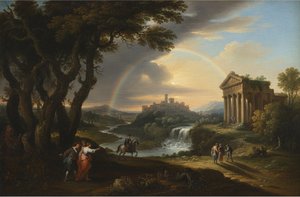
Shadow, Light, and Spectacle: The Dramatic Evolution of Baroque Landscape Painting
Explore the breathtaking drama of Baroque landscapes. Our expert guide delves into the interplay of light and shadow in 17th-century masterpieces. Discover art history and find museum-quality, hand-painted oil reproductions to bring classical grandeur to your home.

Drama in Nature: The Captivating Grandeur of Baroque Landscapes and the Art of Emotional Spectacle
Explore the breathtaking drama of Baroque landscapes. From Rubens's grand vistas to the mastery of chiaroscuro, discover how 17th-century artists transformed nature into a theatrical stage of emotion and light. A deep dive for true art enthusiasts.

Nature’s Sanctuary: Curating Enchanting Forest Artworks to Transform Your Home into a Serene Woodland Retreat
Transform your home into a serene woodland retreat with enchanting forest artworks. Discover museum-quality oil reproductions and custom landscape commissions designed to bring the peaceful beauty of nature indoors.

Топ-25 шедеврів Джона Констебла: пейзажі Англії для вашого дому | OriginalUniqueArt
Відкрийте для себе 25 найкращих шедеврів Джона Констебла! Англійські пейзажі, романтизм та емоційне світло в живописі. Репродукції картин високої якості для вашого дому від OriginalUniqueArt.com. Дослідіть повну колекцію онлайн!
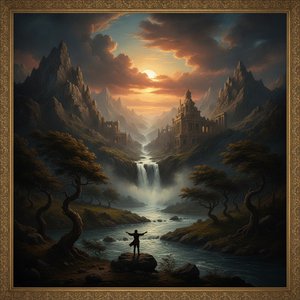
Epic Drama & Dark Vibes: The Ultimate Collector's Guide to Baroque Landscapes
Master the art of drama with our ultimate guide to Baroque landscapes. Discover the power of chiaroscuro, explore legendary masters, and learn how to curate epic, dark-vibe masterpieces for your collection with expert insights from OriginalUniqueArt.