

 Переглянути в інтер'єрі
 Надіслати
 Поділитися
 Деталі
 Посібник

 Завантажити
 Схожі предмети колекціонування
 Рентгенівське дослідження
 Слайд-шоу
 Статистика переглядів
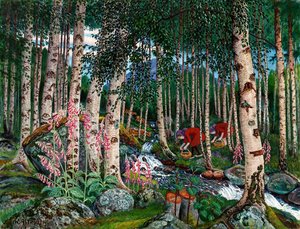
Gethsemane
 Oil On Board
- Neo-Romanticism
 1926
1926- Modern
 42.0 x 32.0 cm
 Bergen Kunstmuseum
 Читати далі
Гікле / Художній принт
Музейна якість друку جيкле або на полотні з оперативним виготовленням та різноманітними варіантами фінішної обробки. ( Купити картину ручної роботи Перейти до цифрових зображень)




P118B ₴10

P118H ₴10

P118W ₴10

P438Z ₴10

P508JH ₴12

P508YH ₴12

P805H ₴10

P805Z ₴10

P919BZ ₴10

P919G ₴10

P919XJ ₴10

P959ZH ₴10

P968JZ ₴12

W106C ₴8

W218G ₴10

W218JH ₴8

W218Y ₴10

W307PJ ₴10

W316G ₴10

W316PJ ₴8

W316Y ₴10

W398PJ ₴8

W4111J ₴10

W500HY ₴15

W500JH ₴15

W692G ₴12

W849H ₴8

W940BG ₴15

W953PJ ₴8




Обирайте з наших стандартних розмірів, що відповідають оригінальним пропорціям твору мистецтва.

Введіть необхідну ширину та висоту, щоб принт ідеально підійшов до вашої рами або стіни. Принт можна лише обрізати, але не можна зробити більшим за оригінал, тому при зміні пропорцій частина зображення буде втрачена. Перед друком ми надсилаємо вам цифровий макет для затвердження. Зображення на цій сторінці не відображає реальну обрізку — її можна побачити лише на макеті.
Доставка по всьому світу () за 2 тижні замість стандартних 4/5 тижнів. (21 Жовтень)

Безкоштовна експрес-доставка по всьому світу

Високоякісне лляне полотно

Повне страхове покриття доставки

Гарантія повернення митних зборів

Гарантія точного відтворення кольорів

Політика повернення протягом 100 днів (лише у разі виявлення дефектів)

Гарантія повернення 100% коштів

Знижка на оптові замовлення
 Скляний варіант доступний лише для розмірів до 110 см

Gethsemane
Гікле / Художній принт
Розмір репродукції
-


Загальна вартість
₴ 3585
A Visionary Encounter in the Norwegian Garden
In the quiet, evocative depths of Nikolai Astrup’s 1926 masterpiece, Gethsemane, the boundaries between biblical history and the intimate landscapes of Norway begin to dissolve. While the title refers to the sacred garden in Jerusalem where Christ faced his darkest hour, Astrup performs a profound act of artistic localization. He transports this monumental moment of spiritual agony into the familiar, lush surroundings of the parsonage garden in Ålhus. This is not merely a religious illustration; it is a dreamlike fusion of the divine and the terrestrial. The viewer is invited into a space where the heavy atmosphere of the crucifixion narrative meets the verdant, mystical textures of the West Norwegian landscape, creating a scene that feels both ancient and deeply personal.
The composition breathes with a sense of quiet drama, capturing a moment of profound transition. As the eye wanders through the painting, one encounters a scene that oscillates between a somber historical event and a visionary hallucination. The presence of figures—some appearing caught in the weight of the narrative, others seemingly lost in a trance-like state—suggests a world where the veil between reality and the supernatural is perilously thin. This sense of mystery is heightened by the scattered birds that drift through the sky and perch upon the landscape, acting as silent witnesses to the unfolding drama. For the collector or designer, this piece offers more than just a subject; it offers an atmosphere of contemplative depth that can anchor a room with its soulful, introspective energy.
Technique and the Language of Light
Astrup’s technical mastery is evident in his use of oil on cardboard, a medium that allows for a rich, concentrated application of pigment. His style, rooted in Neo-Romanticism, eschews clinical realism in favor of an intense, emotive color palette. The textures are tactile and layered, reflecting the artist's lifelong obsession with the "visual language" of his homeland. He employs light not just to illuminate form, but to evoke mood; the shadows are deep and heavy, yet they are pierced by a spectral luminosity that suggests the presence of a divine vision. This interplay of light and shadow creates a rhythmic movement across the canvas, guiding the viewer through the dense foliage and toward the heart of the spiritual struggle.
The brushwork possesses a certain raw, organic vitality that mirrors the ruggedness of the Norwegian fjords. There is no sterile perfection here; instead, there is a deliberate, expressive quality that celebrates the natural world's untamed spirit. For those seeking to incorporate fine art into a sophisticated interior, a high-quality reproduction of Gethsemane provides a centerpiece of immense character. The painting’s ability to command attention through its complex textures and brooding tones makes it an ideal choice for spaces designed for reflection, such as libraries, study alcoves, or quiet sitting rooms where the interplay of history and nature can be fully appreciated.
A Legacy of Spiritual and National Identity
To understand Gethsemane is to understand Nikolai Astrup’s broader mission: to capture the very soul of Norway. By situating a universal Christian narrative within his own local topography, he elevates the Norwegian landscape to a stage for the eternal. This technique of "sacralizing" the everyday—turning a simple garden patch into a site of cosmic significance—is what makes his work so enduringly powerful. The painting serves as a bridge between the theological and the topographical, making the profound accessible through the familiar.
For the discerning art lover, owning a reproduction of this work is an opportunity to possess a fragment of this visionary legacy. It is a piece that invites continuous re-examination, revealing new layers of symbolism and emotion with every viewing. Whether one is drawn to its historical weight, its masterful use of color, or its ability to evoke the misty, magical atmosphere of a Norwegian night, Gethsemane remains a breathtaking testament to the power of art to transform the world we see into a world we feel.
Запитання та відповіді
Чи є твір «Gethsemane» авторства Ніколай Аструп суспільним надбанням, і чому?
Статус авторського права на "Gethsemane" — є суспільним надбанням — термін дії авторського права закінчився — визначається датою смерті митця у 1928.
Які сюжети зображені у «Gethsemane» Ніколай Аструп?
«Gethsemane» Ніколай Аструп зображує: biblical scene, religious, jesus christ, gethsemane, norway landscape, night scene, visionary.
Яке історичне місце посідає «Gethsemane»?
Історично «Gethsemane» є твором у стилі Neo-Romanticism, що належить до ширшої епохи Modern.
Біографія митця
Ніколай Аструп: Візіонер Вестланна
Ніколай Аструп (1880–1928) постає як унікальна постать в історії норвезького мистецтва — живописець, чий глибокий зв'язок із ландшафтами та традиціями Вестланна закріпив його місце серед найбільш самобутніх неоромантичних митців свого часу. Народившись у Бремлангер, Согн-ог-Фйоране, Аструп виріс серед суворих фіордів та спокійних долин, що глибоко сформувало його художнє сприйняття, спрямувавши його до стилю, притаманного інтенсивним кольоровим палітрам та непохитній відданості зображенню повсякденного життя сільської Норвегії. Його спадщина полягає не лише в естетично прекрасних полотнах, а й у його піонерській спробі створити «національну "візуальну мову", що пробуджує традиції та фольклор його батьківщини».- Ранні роки та освіта: Формуючі роки Аструпа були позначені сімейною побожністю, прищепленою його батьком, Крістіаном Аструпом, парафіяльним священником, який спонукав сина до теологічних студій. Попри початкові схильності до служіння, пристрасть Аструпа до малювання та живопису зрештою змусила його залишити Кафедральну школу Тронхейма заради мистецьких пошуків у Крістіанії (Осло), де він вдосконалював свої навички під наставництвом Гаррієт Беккер.
- Паризькі впливи: Короткий період перебування в Парижі відкрив Аструпу світ буремного авангардного руху, сприяючи зв'язкам з такими колегами, як Крістіан Крог, та збагачуючи його розуміння імпресіоністичних технік. Цей період зміцнив його прагнення до експериментів і розширив його художні горизонти.
- Повернення в Йольстер та художній розвиток: Повернувшись до свого родинного дому в Йольстер у 1902 році, Аструп створив сім'ю разом зі своєю дружиною Енгль Sunde, від якої мав вісьмох дітей. Економічні труднощі їхнього життя підживлювали його творчий запал і спонукали повністю зануритися в зображення свого оточення — ландшафту, що слугував невичерпним джерелом натхнення.
- Визначні виставки: Художня репутація Аструпа невпинно зростала завдяки трьом значним виставкам, проведеним у Крістіанії (1905), Бергені (1908) та Осло (1911). Ці покази здобули визнання критиків і утвердили його як провідний голос норвезької арт-сцени.
- Головні досягнення та спадщина: Незмінний внесок Аструпа в норвезьке мистецтво полягає у його непохитній гонитві за художньою автентичністю — відданості зображенню краси та духу Вестланна з безкомпромісною чесністю. Його картини продовжують резонувати й сьогодні, слугуючи потужними символами національної спадщини та втілюючи ідеали неоромантизму.
Ніколай Аструп
1880 - 1928 , Норвегія
Довідкова інформація
- Artistic Movement Or Style: Неоромантизм
- Artists Or Movements Influenced By This Artist: ['Скандинавське мистецтво']
- Artists Who Influenced This Artist: ['Крістіан Крог']
- Date Of Birth: 1880
- Date Of Death: 1928
- Full Name: Ніколай Йоханнес Аструп
- Nationality: Норвежець
- Notable Artworks:
- Запальний залицяльник
- Голі дерева
- Дівчина за прялкою
- Place Of Birth: Бремангер, Норвегія
Схожі статті

Johan Christian Dahl: Pioneering Norwegian Romantic Landscape Painting
Explore the life & art of Johan Christian Dahl, Norway's first great Romantic painter. Discover his iconic landscapes, cultural impact, and lasting legacy with OriginalUniqueArt.

Топ-10 шедеврів романтичного пейзажу: мистецтво, що захоплює дух | OriginalUniqueArt
Відкрийте для себе 10 шедеврів романтичного пейзажу! Каспар Давид Фрідріх, Тернер та інші майстри. Історія мистецтва, емоційні кольори природи та ідеї декору з OriginalUniqueArt.com. Дослідіть колекцію онлайн!

Топ-25 шедеврів Джона Констебла: пейзажі Англії для вашого дому | OriginalUniqueArt
Відкрийте для себе 25 найкращих шедеврів Джона Констебла! Англійські пейзажі, романтизм та емоційне світло в живописі. Репродукції картин високої якості для вашого дому від OriginalUniqueArt.com. Дослідіть повну колекцію онлайн!

Evocations of Place: A Historical Journey Through Landscape Art
Explore the rich history of landscape art with OriginalUniqueArt. Discover renowned artists, movements like Impressionism & Romanticism, and expert guidance for collecting timeless pieces. Find your perfect serene escape today!

The Sublime and the Picturesque: Exploring Emotion & Nature in Romantic Landscape Painting
Explore the emotional power of Romantic landscape painting! Discover the sublime & picturesque traditions, key artists like Friedrich & Cole, and find your perfect artwork at OriginalUniqueArt.