
 Переглянути в інтер'єрі
 Надіслати як листівку
 Поділитися
 Деталі витвору
 Посібник

 Завантажити
 Схожі екземпляри
 Рентгенівське дослідження
 Слайд-шоу
 Питання та відповіді
 Статистика
The Lacemaker

- 45.0 x 53.0 cm


 Розгорнути текст
Отримайте файл, готовий до друку, якість якого значно перевищує якість веб-попереднього перегляду. Кожне цифрове зображення, яке ми продаємо, створене на основі високої роздільної здатності з нашої бази даних — зазвичай від 5 000 до 15 000 пікселів по ширині — тому ви можете впевнено друкувати у великому форматі, робити щільну обрізку або відтворювати найдрібніші деталі.
Жоден файл не залишається в нашій студії без уваги. Експерт із цифрової обробки звіряє кольори з оригінальною картиною та за потреби коригує їх, після чого покращує чіткість і деталізацію за допомогою професійних інструментів ретушування — завжди зберігаючи вірність мазкам пензля та стилю художника. Результатом є зображення, яке виглядає як справжня картина, а не як відскановане фото з накладеними фільтрами.
Ви затверджуєте результат перед завершенням замовлення: протягом 72 годин наш експерт надішле зображення електронною поштою для вашого перегляду. Не задоволені результатом? Ви можете попросити про внесення змін чи виправлень або отримати відшкодування, якщо якість не відповідає вашим очікуванням.
Саме на таку якість покладаються видавництва, дизайн-студії, галереї та друкарні.
Цифрове зображення
Завантажте файл високої роздільної здатності для особистого використання, друку та творчих проєктів. ( Перейти до друку Замовити картину ручної роботи)
Переваги кожного замовлення цифрових зображень
Експертна цифрова доставка з гарантією якості
Обираючи OriginalUniqueArt.com, ви отримуєте не просто зображення — ви отримуєте професійно вдосконалений цифровий витвір мистецтва, створений з надзвичайною точністю та підкріплений гарантією задоволення. Ось усе, що автоматично додається до вашого замовлення:

Швидка доставка на email
Ваш цифровий файл із зображенням високої роздільної здатності буде надісланий вам електронною поштою протягом 72 годин після оформлення замовлення — він буде готовий до негайного використання.

Цифровий файл із покращенням ШІ
Ваш витвір мистецтва професійно оптимізовано за допомогою передових інструментів штучного інтелекту та ручної корекції, що забезпечує максимальну деталізацію, чіткість і точність передачі кольорів.

Безкоштовне повторне завантаження назавжди
Випадково видалили або втратили файл? Не хвилюйтеся — ми надішлемо його вам повторно в будь-який час безкоштовно.

Без митних зборів — завжди
Насолоджуйтесь вашим витвором мистецтва миттєво без жодних мит, зборів або плати за доставку — цифрові завантаження завжди не оподатковуються.

Гарантія точності кольорів
Ми гарантуємо максимально точне відтворення оригінальних кольорів на вашому цифровому зображенні завдяки використанню професійних інструментів та систем управління кольором.

100-денна гарантія задоволення
Якщо ви не задоволені придбаним цифровим зображенням, ми внесемо правки або повернемо 100% вартості протягом 100 днів — без зайвих запитань.

Гарантія повернення 100% коштів
Незадоволені покупкою? Отримайте повне повернення коштів протягом 100 днів після отримання цифрового файлу — без зайвих запитань.

Знижки на оптові замовлення
Купуйте 3 зображення — заощаджуйте 10% — Купуйте 5 — заощаджуйте 15% — Купуйте 10+ — заощаджуйте 20%. Чудово підходить для творчих проєктів, галерей та агентств.
The Lacemaker: A Glimpse of Domestic Life in Delft
Nicolaes Maes’s “The Lacemaker,” painted around 1656, is more than just a portrait; it's a meticulously crafted window into the heart of 17th-century Dutch domesticity. Housed within the Metropolitan Museum of Art in New York, this small yet remarkably detailed canvas offers a poignant study of labor, femininity, and the quiet dignity of everyday life – a hallmark of the burgeoning genre painting movement that flourished during the Dutch Golden Age. The scene unfolds within a modestly furnished room, bathed in soft light filtering through a window on the left, creating an atmosphere of serene contemplation.
The central figure is a young woman, her posture suggesting both diligence and contentment as she expertly works at her lacemaking. Her hands move with practiced grace, transforming simple threads into intricate patterns – a testament to the skill and patience required for this demanding craft. Beside her, a small child sits perched on a stool, observing his mother’s work with an expression of innocent curiosity. This juxtaposition of generations, of labor and observation, imbues the scene with a subtle narrative depth.
A Masterclass in Light and Shadow
Maes was deeply influenced by Rembrandt van Rijn, inheriting his profound understanding of *chiaroscuro*, the dramatic interplay of light and shadow. Here, this technique is masterfully employed to draw the viewer’s eye to the central figure, highlighting her hands and the delicate lace she creates. The dark background – a simple wooden room with a muted floor – serves as a powerful contrast, emphasizing the brightness of the figures and creating a sense of intimacy. Notice how Maes uses subtle gradations of light to model the woman's face and clothing, lending them a remarkable three-dimensionality.
The artist’s meticulous attention to detail extends beyond the figure itself. The textures of the fabric – the smooth sheen of the bodice, the rough weave of the tablecloth – are rendered with astonishing realism. Even the small objects on the table – a vase and a bowl – contribute to the sense of a lived-in space, grounding the scene in a tangible reality.
Symbolism and Social Context
Lacemaking was not merely a domestic occupation; it held significant social and economic value during this period. The intricate lace produced by women like the one depicted in “The Lacemaker” was highly sought after, providing an important source of income for many families. The painting therefore offers a glimpse into the lives of ordinary Dutch women, highlighting their contributions to the household economy and showcasing their skill and artistry.
Furthermore, the presence of the child adds another layer of symbolic meaning. Children were often depicted in domestic scenes as symbols of hope and continuity, representing the future generation. The boy’s attentive gaze suggests a connection between mother and child, reinforcing the values of family and tradition that were central to Dutch society.
A Timeless Portrait of Domesticity
“The Lacemaker” is more than just a beautiful painting; it's a powerful testament to the artistry and skill of Nicolaes Maes. Through his masterful use of light, shadow, and detail, he has captured a fleeting moment in time – a glimpse into the quiet dignity of domestic life in Delft. The painting’s enduring appeal lies in its ability to evoke a sense of nostalgia for a bygone era, reminding us of the simple pleasures and profound beauty that can be found in the everyday.
Питання та відповіді
Яким чином твір "The Lacemaker" перегукується з іншими роботами Nicolaes Maes?
У творчому спадку Nicolaes Maes твір "The Lacemaker" витриманий у стилі Dutch Golden Age та перегукується з темами rembrandt’s light & shadow, dutch domesticity, virtue”, “17th-century life”, “genre painting focus”, maes's intimate scenes”.
Хто створив "The Lacemaker" і в якому році?
«The Lacemaker» було створено Nicolaes Maes у 1656 році.
Яку кольорову гармонію демонструє «The Lacemaker» роботи Nicolaes Maes?
Колірна гармонія твору "The Lacemaker" визначена як Strong Color Unity.
Біографія митця
Nicolaes Maes (1634 - 1693): A Life Immersed in Dutch Light and Shadow
Nicolaes Maes, a name resonating softly within the pantheon of Dutch Golden Age masters, was born in Dordrecht in January 1634 into a world brimming with mercantile prosperity and artistic ferment. His father, Gerrit Maes, a successful cloth merchant and soap boiler, provided a comfortable upbringing, allowing young Nicolaes to pursue his burgeoning talent for painting. While early instruction came from a local artist of modest renown, the pivotal moment in Maes’s development arrived when he journeyed to Amsterdam around 1648 and entered the workshop of Rembrandt van Rijn. This apprenticeship proved transformative, imbuing him with an enduring appreciation for the dramatic interplay of light and shadow – *chiaroscuro* – and a masterful command of color that would define his early works. The influence was so profound that initial paintings, such as depictions of biblical scenes rendered with life-size figures and rich, glowing hues, were often mistakenly attributed to Rembrandt himself. These formative years laid the groundwork for a career marked by both technical brilliance and an intimate understanding of human emotion.Early Years and Rembrandt’s Influence
Nicolaes Maes's artistic journey began under the tutelage of Samuel van Hoogstraten, a former pupil of Rembrandt who resided in Dordrecht between 1648 and 1651. Although Van Hoogstraten’s instruction was modest, it instilled in Maes a foundational understanding of drawing techniques—a skill that would prove invaluable throughout his subsequent career. More significantly, however, was Maes's immersion in Rembrandt’s studio in Amsterdam. During this period, he absorbed the master’s revolutionary approach to painting – specifically, his masterful manipulation of *chiaroscuro*, the dramatic contrast between light and dark—which fundamentally shaped Maes’s artistic vision. This influence extended beyond mere technique; Rembrandt instilled in Maes a profound sensitivity to capturing the emotional essence of his subjects, fostering an ability to convey psychological depth through subtle gestures and expressions. As a result, early paintings bearing Maes's signature often evoked comparisons with Rembrandt’s oeuvre, highlighting the indelible mark left by this formative relationship.From Biblical Scenes to Domestic Genre
Maes initially produced religious paintings characterized by monumental scale and luminous color palettes—a stylistic hallmark of Rembrandt’s work. These canvases showcased a remarkable command of perspective and anatomical accuracy, reflecting Rembrandt's meticulous attention to detail. However, recognizing the evolving tastes of his patrons and driven by an innate inclination toward realism, Maes gradually shifted his focus towards domestic genre scenes—paintings depicting everyday life within Dutch households. This stylistic transition marked a significant departure from Rembrandt’s grand narratives but retained the vibrant colorism he had absorbed during his apprenticeship. He meticulously observed the rituals and routines of ordinary citizens – women spinning wool, reading scripture, preparing meals – translating these observations into canvases brimming with warmth and authenticity. These paintings weren't merely representations of daily life; they were imbued with a palpable sense of atmosphere and emotion—a testament to Maes’s ability to capture the nuances of human experience.The Art of Lacemaking and Artistic Innovation
A particular fascination captivated Maes’s artistic imagination: lacemaking. He embarked on numerous variations of this intricate craft, transforming delicate lace patterns into stunning visual compositions. These paintings demonstrated not only technical skill but also a keen eye for detail—capturing the subtle textures and folds of lace with breathtaking precision. Maes's innovative approach to genre painting distinguished him from many of his contemporaries, establishing him as a pioneer in portraying domestic interiors with unprecedented realism and psychological insight. His canvases became celebrated for their ability to evoke a sense of tranquility and beauty—reflecting the humanist ideals prevalent during the Dutch Golden Age.A Portraitist’s Legacy
Around 1656 Maes transitioned into portraiture, adopting a style characterized by refined elegance and psychological depth. He skillfully captured the likenesses and personalities of prominent Amsterdam citizens—often employing oval formats to emphasize dignity and composure. Like Rembrandt before him, Maes meticulously studied anatomy and facial expressions, striving to convey not only physical resemblance but also subtle nuances of character. His portraits stand as enduring monuments to artistic excellence—testaments to Maes’s ability to transform individuals into compelling subjects for visual contemplation. Notable works include “Portrait of Gerard Röver,” demonstrating his mastery of *chiaroscuro* and capturing Röver's dignified bearing with remarkable accuracy. He continued to refine his technique throughout his career, producing a prolific output that cemented his reputation as one of the most accomplished portrait painters of his time. Nicolaes Maes passed away in Amsterdam in December 1693, leaving behind a legacy of artistic innovation and unwavering devotion to capturing the beauty and complexity of human experience—a testament to the enduring power of Rembrandt’s influence and Maes's own singular vision.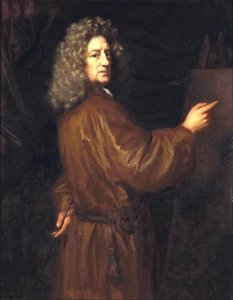
Nicolaes Maes
1634 - 1693 , Нідерланди
Короткі факти
- Artistic Movement Or Style: Бароко
- Artists Or Movements Influenced By This Artist: ['Де Хох']
- Artists Who Influenced This Artist: ['Рембрандт ван Рейн']
- Date Of Birth: Дордрехт, Нідерланди (1634)
- Date Of Death: 1693
- Full Name: Nicolaes Maes
- Nationality: Нідерландський
- Notable Artworks:
- Христос благословляет детей
- Старая женщина дремлет над книгой
- Смерть и алтариус
- Place Of Birth: Нідерланди