Розмір тексту

() ·

Картина, створена вручну спеціально для вас

The Idle Servant

Олійная репродукція ручної роботи

Написана вручну олією на полотні у вашому розмірі та рамі, виготовлена на замовлення нашими художниками. ( Перейти до друку Перейти до цифрових зображень)

Опис експоната

Discover 'The Idle Servant' by Nicolaes Maes (1655). A captivating Dutch Golden Age scene of two women in a domestic setting, showcasing masterful light & shadow and intimate genre painting.

Біографія митця

Николаас Маас (1634–1693) – нідерландський художник епохи Золотого віку, відомий своїми жанровими картинами та портретами під впливом Рембрандта. Дослідіть його творчість та стиль!

від ·

Розділ 1

Якого розміру вона має бути?

Гортайте, щоб змінити розмір; на зображенні ліворуч показано рамку її справжньої ширини. Пропорції оригіналу збережено.

Стандартний розмір
індивідуальний розмір
CM
INCH

Обирайте з наших стандартних розмірів, що відповідають оригінальним пропорціям твору мистецтва.

ширина
висота

Введіть необхідну ширину та висоту, щоб картина підійшла до вашої рами або стіни. Оскільки це ручний розпис, для зміни пропорцій художник може дописати трохи більше по краях або дещо обрізати композицію — вибір за вами. Перед початком роботи ми надішлемо вам цифровий макет для затвердження. Зображення, показане на цій сторінці, не є реальним результатом — лише макет відображає майбутній вигляд.

Розділ 2

Яким має бути спосіб доставки?

Оберіть тип країв натяжного полотна

Оберіть свою раму

Corner sample of the WhiteWrap canvas edge finish, stretched on масив дерева bars
Білий край ₴1
Corner sample of the BlurSideWrap canvas edge finish, stretched on масив дерева bars
Розмитий край ₴1
Corner sample of the ExtendedWrap canvas edge finish, stretched on масив дерева bars
З розширенням ₴1
Corner sample of the P118B picture frame: формований полістирол, 5 cm wide and 3 cm thick
P118B ₴10
Corner sample of the P118H picture frame: формований полістирол, 5 cm wide and 3 cm thick
P118H ₴10
Corner sample of the P118W picture frame: формований полістирол, 5 cm wide and 3 cm thick
P118W ₴10
Corner sample of the P438Z picture frame: формований полістирол, 5.5 cm wide and 3.5 cm thick
P438Z ₴10
Corner sample of the P508JH picture frame: формований полістирол, 7 cm wide and 3.5 cm thick
P508JH ₴12
Corner sample of the P508YH picture frame: формований полістирол, 7 cm wide and 3.5 cm thick
P508YH ₴12
Corner sample of the P805H picture frame: формований полістирол, 5 cm wide and 3.5 cm thick
P805H ₴10
Corner sample of the P805Z picture frame: формований полістирол, 5 cm wide and 3.5 cm thick
P805Z ₴10
Corner sample of the P919BZ picture frame: формований полістирол, 7 cm wide and 3.5 cm thick
P919BZ ₴10
Corner sample of the P919G picture frame: формований полістирол, 7 cm wide and 3.5 cm thick
P919G ₴10
Corner sample of the P919XJ picture frame: формований полістирол, 7 cm wide and 3.5 cm thick
P919XJ ₴10
Corner sample of the P959ZH picture frame: формований полістирол, 5 cm wide and 3 cm thick
P959ZH ₴10
Corner sample of the P968JZ picture frame: формований полістирол, 6 cm wide and 4 cm thick
P968JZ ₴12
Corner sample of the W106C picture frame: масив дерева, 5 cm wide and 3 cm thick
W106C ₴8
Corner sample of the W218G picture frame: масив дерева, 5 cm wide and 3 cm thick
W218G ₴10
Corner sample of the W218JH picture frame: масив дерева, 5 cm wide and 3 cm thick
W218JH ₴8
Corner sample of the W218Y picture frame: масив дерева, 5 cm wide and 3 cm thick
W218Y ₴10
Corner sample of the W307PJ picture frame: масив дерева, 6 cm wide and 3 cm thick
W307PJ ₴10
Corner sample of the W316G picture frame: масив дерева, 6 cm wide and 3 cm thick
W316G ₴10
Corner sample of the W316PJ picture frame: масив дерева, 6 cm wide and 3 cm thick
W316PJ ₴8
Corner sample of the W316Y picture frame: масив дерева, 6 cm wide and 3 cm thick
W316Y ₴10
Corner sample of the W398PJ picture frame: масив дерева, 5 cm wide and 3 cm thick
W398PJ ₴8
Corner sample of the W4111J picture frame: масив дерева, 6.5 cm wide and 3.5 cm thick
W4111J ₴10
Corner sample of the W500HY picture frame: масив дерева, 7 cm wide and 5 cm thick
W500HY ₴15
Corner sample of the W500JH picture frame: масив дерева, 7 cm wide and 5 cm thick
W500JH ₴15
Corner sample of the W692G picture frame: масив дерева, 8 cm wide and 4 cm thick
W692G ₴12
Corner sample of the W849H picture frame: масив дерева, 5 cm wide and 3 cm thick
W849H ₴8
Corner sample of the W940BG picture frame: масив дерева, 7.5 cm wide and 4.5 cm thick
W940BG ₴15
Corner sample of the W953PJ picture frame: масив дерева, 6 cm wide and 3.5 cm thick
W953PJ ₴8
Corner sample of the H24-GOLD picture frame: різьблене дерево з левкасом, 10 cm wide and 6 cm thick
H24-GOLD ₴30
Corner sample of the H24-SILVER picture frame: різьблене дерево з левкасом, 10 cm wide and 6 cm thick
H24-SILVER ₴30
Corner sample of the H36-GOLD picture frame: різьблене дерево з левкасом, 15 cm wide and 6.5 cm thick
H36-GOLD ₴45
Corner sample of the H36-SILVER picture frame: різьблене дерево з левкасом, 15 cm wide and 6.5 cm thick
H36-SILVER ₴45

Багет: . Загальний розмір із рамою: .

Розділ 3

Хто це малює, і чи має щось змінитися?

Приклади того, що можна змінити: замінити обличчя на фото клієнта; додати домашню тварину (наприклад, замінити кота на собаку); додати приховане повідомлення на фоні; змінити пейзаж або елементи фону.
Після оформлення замовлення команда OriginalUniqueArt.com надішле клієнту електронний лист із запитом інструкцій та надасть попередній макет для перегляду

Доставка по всьому світу () за 3–4 тижні замість стандартних 5 тижнів. (5 Листопад). Без жодних компромісів у якості.

Розділ 4

Останні штрихи

Табличка, як у музеї?

Деталі гравірування на бронзовій табличці

This elegant plaque features the artist's name and the title of the artwork, finely engraved for a timeless presentation.

It is made from bronze with a refined, elegant finish. The text is precisely laser-engraved for a sharp and permanent result. Measuring 9x2 cm, the plaque is compact yet easy to read. It's built to be durable and scratch-resistant, offering a professional, museum-quality look. Mounting is simple thanks to the included adhesive backing.

Деталі прозорої акрилової таблички

The plaque includes essential engraved details such as the artist's name, the title of the artwork, the date it was created, the type of media used-like oil on canvas or watercolor-a brief description of the piece, and a QR code that links to the complete artwork information.

It is crafted from clear acrylic, offering a sleek, modern appearance. The text is UV-engraved in black to ensure strong visual contrast. With a size of 10x15 cm, it ensures optimal readability. It comes equipped with two metal hooks for secure wall mounting. The plaque is designed to be weather-resistant, making it suitable for various environments, and it includes interactive features that work seamlessly with smartphone scanning.

Деталі чорної акрилової таблички

This elegant plaque includes engraved information such as the artist's name, the title of the artwork, the date it was created, the type of media used (like oil on canvas or watercolor), a short description of the artwork, and a QR code for quick access to more information.

The plaque itself is made from refined black acrylic with a premium finish. The text is laser-engraved in white for high contrast and readability. Its size is 10x15 cm, designed to be easy to read. It comes with two metal hooks for professional mounting. The design is sleek and fits any interior style. It is also weather-resistant and durable, with built-in digital integration for mobile compatibility.

Захисний лак?

Коли вам це потрібно?

Розділ 5

Ваша картина, згідно із вашим замовленням

The Idle Servant

Матеріал репродукції

Розмір репродукції

-

Видатний майстер-художник

Більше деталізації, витонченості та додаткового часу на створення твору

-

Рама для репродукції

-

-

Для творів мистецтва або репродукцій, розмір яких перевищує 105 см (приблизно 41 дюйм) з будь-якого боку, рама доставляється у вигляді розібраного комплекту. Такий метод гарантує безпечну доставку та запобігає пошкодженням під час транспортування.

Потребує професійного збирання — це не продукт для самостійного виготовлення (DIY).
Комплект має бути зібраний, а полотно натягнуте досвідченим майстром багетних робіт із використанням клейового дерева (не входить у комплект), щипців для натягування полотна та затискачів, щоб підрамник залишався рівним під час висихання клею. Неправильне збирання або нерівномірне натягування полотна може призвести до незворотного пошкодження твору мистецтва, що не підпадає під дію нашої гарантії.

  • У комплект входять усі бруски з цільного дерева, точно вирізані за розміром.

  • Збирається за допомогою гвинтів, що входять до комплекту, а також клейового розчину для кутових з'єднань, який не входить до комплекту і має бути підготовлений вашим майстром.

  • Потрібні професійні інструменти, які не входять до комплекту: щипці для натягування полотна (натягувач) та затискачі, щоб утримувати рейки рівно під час висихання клею.

Важливо:
Для з'єднання кутів потрібен клей для дерева, перекладини необхідно затиснути струбцинами до повного висихання клею, а для натягування полотна на зібрану раму знадобляться щипці для натягування полотна. Жоден із цих інструментів не входить до комплекту. Будь ласка, проконсультуйтеся з досвідченим майстром багетного оформлення перед замовленням рами такого розміру.

Етикетка експоната

-

-

Захисний лак

Глянцевий лак (підсилює яскравість кольорів, захищає від світла та вологи)

-

Персоналізувати мій витвір

Приклади можливих змін: заміна обличчя на фото клієнта; додавання домашньої тварини (наприклад, заміна кота на собаку); додавання прихованого повідомлення на фоні; зміна пейзажу або елементів фону.

-

Прискорено

Доставка по всьому світу () за 3–4 тижні замість стандартних 5 тижнів. (5 Листопад). Без компромісів у якості.

-

Експрес-доставка

Доставка по всьому світу () протягом 5 тижнів. (12 Листопад).

Включено в ціну

Підсумкова вартість

₴ 13475

Загальна вартість ₴ 13475

Скляний варіант доступний лише для розмірів до 110 см

До кожного замовлення додається

  • Безкоштовна експрес-доставка по всьому світу
  • Високоякісне лляне полотно
  • Повне страхове покриття доставки
  • Гарантія повернення митних зборів
  • Гарантія точного відтворення кольорів
  • Політика повернення протягом 100 днів (лише у разі виявлення дефектів)
  • Гарантія повернення 100% коштів
  • Пропозиція на оптові замовлення

A Moment Frozen in Dutch Light: Nicolaes Maes’s “The Idle Servant”

Nicolaes Maes's "The Idle Servant," painted in 1655, isn’t merely a depiction of two women enjoying a domestic moment; it’s a carefully constructed tableau brimming with subtle social commentary and the masterful use of light characteristic of the Dutch Golden Age. This intimate genre scene, now housed at the National Gallery in London (NG207), offers a captivating glimpse into the lives of a wealthy household, revealing both the comforts and the unspoken expectations of 17th-century Dutch society. The painting immediately draws the eye with its rich palette – deep reds, browns, and ochres dominate, punctuated by the warm glow emanating from an unseen fireplace, creating a sense of cozy domesticity that belies the underlying narrative.

Maes’s artistic lineage is inextricably linked to Rembrandt van Rijn. His apprenticeship under the master instilled within him a profound understanding of *chiaroscuro*, the dramatic interplay of light and shadow – a technique brilliantly employed here to sculpt form, define space, and draw attention to key elements. Notice how Maes uses pools of light to illuminate the seated woman’s face, highlighting her languid repose, while simultaneously shrouding the standing figure in a softer, more diffused glow. This masterful manipulation of light isn't simply aesthetic; it serves to subtly convey mood and character, hinting at the quiet resignation and perhaps even a touch of amusement present within the scene.

The Dance of Leisure and Duty

At first glance, “The Idle Servant” appears to be a simple portrayal of two women engaged in conversation. However, closer observation reveals a complex interplay of social dynamics. The woman standing, presumably the mistress of the house, is instructing or perhaps gently scolding the seated maid, who is lost in a drowsy reverie. This interaction isn’t overtly confrontational; rather, it's imbued with a quiet understanding – a recognition that even within the confines of domestic life, there are unspoken rules and expectations.

The scattered bowls, cups, and spoons surrounding the women aren’t merely props; they represent the labor involved in preparing a substantial meal. The maid’s slumber is a direct consequence of this effort, highlighting the contrast between leisure and duty – a central theme explored throughout the painting. Maes cleverly uses the arrangement of these objects to create depth and visual interest, drawing the viewer's eye into the heart of the scene. The placement of some bowls closer to the women suggests immediate needs, while others further away hint at the larger task at hand.

Symbolism and Social Commentary

Beyond its domestic setting, “The Idle Servant” offers a subtle critique of social hierarchies and gender roles. The maid’s apparent idleness is juxtaposed with the mistress's active role in overseeing the household – a reflection of the prevailing societal expectations for women during this period. The painting subtly suggests that while leisure was valued, it was always contingent upon fulfilling one’s duties within the home. The cat stealing a fowl further emphasizes this theme, representing a carefree disregard for responsibility.

Furthermore, the inclusion of the “doorkijkje” – a small window or opening in the background – is a deliberate artistic device employed by Maes and his contemporaries. This technique invites the viewer to step into another room, creating a sense of voyeurism and expanding the narrative beyond the immediate scene. It’s as if we are invited to observe a larger, unseen drama unfolding within the confines of the house.

A Masterpiece of Dutch Genre Painting

“The Idle Servant” stands as a testament to Nicolaes Maes's skill and artistry – a captivating example of Dutch Golden Age genre painting. Its masterful use of *chiaroscuro*, its nuanced portrayal of human interaction, and its subtle social commentary combine to create a work that is both visually stunning and intellectually stimulating. Reproductions by OriginalUniqueArt.com offer an exceptional opportunity to experience the beauty and depth of this remarkable painting, bringing its intimate world into your home with unparalleled fidelity.

Питання та відповіді

Який настрій та емоцію передає «The Idle Servant» роботи Nicolaes Maes?

У творі "The Idle Servant" Calm настрій супроводжується Reflective емоцією.

Як поєднуються техніка та стиль у "The Idle Servant"?

«The Idle Servant» виконано в техніці Oil On Panel у стилі Dutch Golden Age.

До якого етапу кар'єри Nicolaes Maes належить твір "The Idle Servant" (1655)?

«The Idle Servant», створена у 1655, належить до Early/Mid Career творчості Nicolaes Maes.

Більше про цю картину

Переглянути в інтер'єрі Перегляд в AR Перейти до друку Перейти до цифрових зображень Надіслати як листівку
Деталі витвору Посібник Додати до улюблених Завантажити Схожі екземпляри Рентгенівське дослідження Слайд-шоу Питання та відповіді Статистика

У цифрах

  • 1655рік написання
  • 29доступні варіанти обрамлення
  • стандартні розміри, у власних пропорціях
  • 5тижнів на написання та доставку
Nicolaes Maes

Nicolaes Maes

1634 - 1693, Нідерланди

Короткі факти про Nicolaes Maes

  • Artistic Movement Or Style: Бароко
  • Artists Or Movements Influenced By This Artist: ['Де Хох']
  • Artists Who Influenced This Artist: ['Рембрандт ван Рейн']
  • Date Of Birth: Дордрехт, Нідерланди (1634)
  • Date Of Death: 1693
  • Full Name: Nicolaes Maes
  • Nationality: Нідерландський
  • Notable Artworks:
    • Христос благословляет детей
    • Старая женщина дремлет над книгой
    • Смерть и алтариус
  • Place Of Birth: Нідерланди

Біографія митця

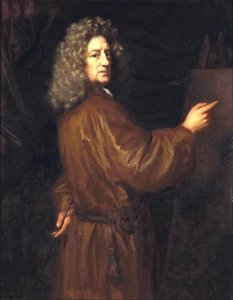
Nicolaes Maes (1634 - 1693): A Life Immersed in Dutch Light and Shadow

Nicolaes Maes, a name resonating softly within the pantheon of Dutch Golden Age masters, was born in Dordrecht in January 1634 into a world brimming with mercantile prosperity and artistic ferment. His father, Gerrit Maes, a successful cloth merchant and soap boiler, provided a comfortable upbringing, allowing young Nicolaes to pursue his burgeoning talent for painting. While early instruction came from a local artist of modest renown, the pivotal moment in Maes’s development arrived when he journeyed to Amsterdam around 1648 and entered the workshop of Rembrandt van Rijn. This apprenticeship proved transformative, imbuing him with an enduring appreciation for the dramatic interplay of light and shadow – *chiaroscuro* – and a masterful command of color that would define his early works. The influence was so profound that initial paintings, such as depictions of biblical scenes rendered with life-size figures and rich, glowing hues, were often mistakenly attributed to Rembrandt himself. These formative years laid the groundwork for a career marked by both technical brilliance and an intimate understanding of human emotion.

Early Years and Rembrandt’s Influence

Nicolaes Maes's artistic journey began under the tutelage of Samuel van Hoogstraten, a former pupil of Rembrandt who resided in Dordrecht between 1648 and 1651. Although Van Hoogstraten’s instruction was modest, it instilled in Maes a foundational understanding of drawing techniques—a skill that would prove invaluable throughout his subsequent career. More significantly, however, was Maes's immersion in Rembrandt’s studio in Amsterdam. During this period, he absorbed the master’s revolutionary approach to painting – specifically, his masterful manipulation of *chiaroscuro*, the dramatic contrast between light and dark—which fundamentally shaped Maes’s artistic vision. This influence extended beyond mere technique; Rembrandt instilled in Maes a profound sensitivity to capturing the emotional essence of his subjects, fostering an ability to convey psychological depth through subtle gestures and expressions. As a result, early paintings bearing Maes's signature often evoked comparisons with Rembrandt’s oeuvre, highlighting the indelible mark left by this formative relationship.

From Biblical Scenes to Domestic Genre

Maes initially produced religious paintings characterized by monumental scale and luminous color palettes—a stylistic hallmark of Rembrandt’s work. These canvases showcased a remarkable command of perspective and anatomical accuracy, reflecting Rembrandt's meticulous attention to detail. However, recognizing the evolving tastes of his patrons and driven by an innate inclination toward realism, Maes gradually shifted his focus towards domestic genre scenes—paintings depicting everyday life within Dutch households. This stylistic transition marked a significant departure from Rembrandt’s grand narratives but retained the vibrant colorism he had absorbed during his apprenticeship. He meticulously observed the rituals and routines of ordinary citizens – women spinning wool, reading scripture, preparing meals – translating these observations into canvases brimming with warmth and authenticity. These paintings weren't merely representations of daily life; they were imbued with a palpable sense of atmosphere and emotion—a testament to Maes’s ability to capture the nuances of human experience.

The Art of Lacemaking and Artistic Innovation

A particular fascination captivated Maes’s artistic imagination: lacemaking. He embarked on numerous variations of this intricate craft, transforming delicate lace patterns into stunning visual compositions. These paintings demonstrated not only technical skill but also a keen eye for detail—capturing the subtle textures and folds of lace with breathtaking precision. Maes's innovative approach to genre painting distinguished him from many of his contemporaries, establishing him as a pioneer in portraying domestic interiors with unprecedented realism and psychological insight. His canvases became celebrated for their ability to evoke a sense of tranquility and beauty—reflecting the humanist ideals prevalent during the Dutch Golden Age.

A Portraitist’s Legacy

Around 1656 Maes transitioned into portraiture, adopting a style characterized by refined elegance and psychological depth. He skillfully captured the likenesses and personalities of prominent Amsterdam citizens—often employing oval formats to emphasize dignity and composure. Like Rembrandt before him, Maes meticulously studied anatomy and facial expressions, striving to convey not only physical resemblance but also subtle nuances of character. His portraits stand as enduring monuments to artistic excellence—testaments to Maes’s ability to transform individuals into compelling subjects for visual contemplation. Notable works include “Portrait of Gerard Röver,” demonstrating his mastery of *chiaroscuro* and capturing Röver's dignified bearing with remarkable accuracy. He continued to refine his technique throughout his career, producing a prolific output that cemented his reputation as one of the most accomplished portrait painters of his time. Nicolaes Maes passed away in Amsterdam in December 1693, leaving behind a legacy of artistic innovation and unwavering devotion to capturing the beauty and complexity of human experience—a testament to the enduring power of Rembrandt’s influence and Maes's own singular vision.

Основна інформація

  • Year: 1655
  • Subject: Domestic scene
  • Notable elements: Chiaroscuro, doorkijkje
  • Dimensions: 70 x 53 cm
  • Artist: Nicolaes Maes

Квіз про мистецтво

У кожному запитанні лише одна правильна відповідь.

Запитання 1:
What is the primary subject matter depicted in Nicolaes Maes’s ‘The Idle Servant’?
Запитання 2:
Which artistic technique is most prominently featured in ‘The Idle Servant’ to create dramatic lighting and shadow?
Запитання 3:
In what city did Nicolaes Maes spend a significant portion of his career, primarily focusing on portraiture?
Запитання 4:
The painting ‘The Idle Servant’ is considered a significant example of which artistic movement or style?
Запитання 5:
What does the posture and expression of the seated woman in ‘The Idle Servant’ suggest?
Досліджуйте твори мистецтва, впорядковані за темами, стилями та характеристиками.