

 Переглянути в інтер'єрі
 Надіслати
 Поділитися
 Деталі
 Посібник

 Завантажити
 Схожі предмети колекціонування
 Рентгенівське дослідження
 Слайд-шоу
 Статистика переглядів
Admiral Jacob Binkes
 Oil On Canvas
- WallArt
- Dutch Golden Age
 1676
1676 44.0 x 33.0 cm
 Музей Метрополітен
 Читати далі
Гікле / Художній принт
Музейна якість друку جيкле або на полотні з оперативним виготовленням та різноманітними варіантами фінішної обробки. ( Купити картину ручної роботи Перейти до цифрових зображень)




P118B $10

P118H $10

P118W $10

P438Z $10

P508JH $12

P508YH $12

P805H $10

P805Z $10

P919BZ $10

P919G $10

P919XJ $10

P959ZH $10

P968JZ $12

W106C $8

W218G $10

W218JH $8

W218Y $10

W307PJ $10

W316G $10

W316PJ $8

W316Y $10

W398PJ $8

W4111J $10

W500HY $15

W500JH $15

W692G $12

W849H $8

W940BG $15

W953PJ $8




Обирайте з наших стандартних розмірів, що відповідають оригінальним пропорціям твору мистецтва.

Ви можете вказати власні розміри, щоб репродукція ідеально підійшла до конкретної рами або інтер'єру. Якщо обраний вами розмір не відповідає пропорціям оригіналу, ми або обріжемо полотно, або розширимо зображення за допомогою дзеркального відображення чи суцільної заливки країв. Перед початком виробництва вам буде надіслано цифровий макет для затвердження.
Будь ласка, зверніть увагу, що попередній перегляд на екрані не відображає фактичне обрізання або розширення. Тільки макет точно покаже фінальну композицію.
Хоча можливість замовлення індивідуальних розмірів доступна, ми рекомендуємо обирати формат із попередньо визначеного списку, щоб зберегти оригінальні пропорції.
Доставка по всьому світу () за 2 тижні замість стандартних 4/5 тижнів. (25 Вересень)

Безкоштовна експрес-доставка по всьому світу

Високоякісне лляне полотно

Повне страхове покриття доставки

Гарантія повернення митних зборів

Гарантія точного відтворення кольорів

Політика повернення протягом 100 днів (лише у разі виявлення дефектів)

Гарантія повернення 100% коштів

Знижка на оптові замовлення
 Скляний варіант доступний лише для розмірів до 110 см

Admiral Jacob Binkes
Гікле / Художній принт
Розмір репродукції
-


Загальна вартість
$ 80
A Portrait of Command and Courtship: Nicolaes Maes’s Admiral Jacob Binkes
Nicolaes Maes's "Admiral Jacob Binkes," painted in 1676, is more than a simple portrait; it’s a meticulously crafted tableau of Dutch Golden Age society, brimming with subtle symbolism and reflecting the ambitions of a rising naval officer. The painting captures a man poised between duty and domesticity – Admiral Jacob Binkes, a figure of considerable renown within the Dutch East India Company, stands alongside his betrothed, Ingena Rotterdam, creating an intimate yet formally structured scene that speaks volumes about their impending union.
The composition immediately draws the eye to Binkes himself. Dressed in the rich, dark fabrics and elaborate embellishments characteristic of a high-ranking naval officer – a black coat trimmed with silver, a crisp white collar, and a chain signifying his rank – he exudes an air of authority tempered by a dignified composure. His posture is upright, his gaze direct, conveying both confidence and a hint of reserved formality. The inclusion of the book in his hand suggests intellectual pursuits alongside his military responsibilities, while the small object held delicately between his fingers—likely a ring or seal—hints at his status and connections.
The Language of Light and Shadow: Maes’s Technique
Maes was renowned for his masterful manipulation of light and shadow, a technique deeply rooted in the influence of Rembrandt van Rijn. Observe how he employs *chiaroscuro* to sculpt Binkes's form, creating dramatic contrasts that highlight his features and imbue the scene with depth and atmosphere. The dark background serves not as mere backdrop but actively contributes to the portrait’s overall impact, drawing attention to the figures within and lending a sense of gravitas to their presentation. The subtle gradations of light across Binkes's face and hands are particularly noteworthy – they aren’t merely illuminating his features; they’re revealing character, conveying a quiet intensity.
Furthermore, Maes’s attention to detail is remarkable. The intricate embroidery on the coat, the delicate rendering of the jewelry, and the meticulously painted textures all demonstrate a painstaking level of craftsmanship. The frame itself—a baroque extravagance adorned with cherubs, lions, and swirling scrollwork—is not merely decorative; it elevates the portrait to a work of art in its own right, reflecting the opulent tastes of the period.
Symbolism and Social Context
Beyond the individual portraits, “Admiral Jacob Binkes” offers a glimpse into the social dynamics of 17th-century Holland. The pairing of a naval officer with his betrothed speaks to the importance of marriage alliances in securing wealth and influence within the burgeoning mercantile society. The inclusion of Ingena Rotterdam, rendered in a slightly softer light, suggests her role as a symbol of domestic stability and future prosperity for Binkes’s career.
The presence of mythological figures within the frame—cherubs representing innocence and divine grace, lions symbolizing strength and courage—further reinforces this symbolic narrative. These elements align with the prevailing artistic conventions of the Dutch Golden Age, where portraits were often imbued with allegorical meaning, reflecting both the subject’s virtues and their place within a broader social and cultural framework.
A Window into a Lost Era
“Admiral Jacob Binkes” is more than just a portrait; it's a meticulously preserved moment in time. Through Maes’s skillful brushwork and astute observation, we gain access to the world of Dutch naval command, courtly courtship, and the intricate social codes of the 17th century. The painting’s enduring appeal lies not only in its technical brilliance but also in its ability to evoke a sense of intimacy and historical resonance—a reminder of a bygone era when art served as both a reflection of identity and a testament to ambition.
Біографія митця
Nicolaes Maes (1634 - 1693): A Life Immersed in Dutch Light and Shadow
Nicolaes Maes, a name resonating softly within the pantheon of Dutch Golden Age masters, was born in Dordrecht in January 1634 into a world brimming with mercantile prosperity and artistic ferment. His father, Gerrit Maes, a successful cloth merchant and soap boiler, provided a comfortable upbringing, allowing young Nicolaes to pursue his burgeoning talent for painting. While early instruction came from a local artist of modest renown, the pivotal moment in Maes’s development arrived when he journeyed to Amsterdam around 1648 and entered the workshop of Rembrandt van Rijn. This apprenticeship proved transformative, imbuing him with an enduring appreciation for the dramatic interplay of light and shadow – *chiaroscuro* – and a masterful command of color that would define his early works. The influence was so profound that initial paintings, such as depictions of biblical scenes rendered with life-size figures and rich, glowing hues, were often mistakenly attributed to Rembrandt himself. These formative years laid the groundwork for a career marked by both technical brilliance and an intimate understanding of human emotion.Early Years and Rembrandt’s Influence
Nicolaes Maes's artistic journey began under the tutelage of Samuel van Hoogstraten, a former pupil of Rembrandt who resided in Dordrecht between 1648 and 1651. Although Van Hoogstraten’s instruction was modest, it instilled in Maes a foundational understanding of drawing techniques—a skill that would prove invaluable throughout his subsequent career. More significantly, however, was Maes's immersion in Rembrandt’s studio in Amsterdam. During this period, he absorbed the master’s revolutionary approach to painting – specifically, his masterful manipulation of *chiaroscuro*, the dramatic contrast between light and dark—which fundamentally shaped Maes’s artistic vision. This influence extended beyond mere technique; Rembrandt instilled in Maes a profound sensitivity to capturing the emotional essence of his subjects, fostering an ability to convey psychological depth through subtle gestures and expressions. As a result, early paintings bearing Maes's signature often evoked comparisons with Rembrandt’s oeuvre, highlighting the indelible mark left by this formative relationship.From Biblical Scenes to Domestic Genre
Maes initially produced religious paintings characterized by monumental scale and luminous color palettes—a stylistic hallmark of Rembrandt’s work. These canvases showcased a remarkable command of perspective and anatomical accuracy, reflecting Rembrandt's meticulous attention to detail. However, recognizing the evolving tastes of his patrons and driven by an innate inclination toward realism, Maes gradually shifted his focus towards domestic genre scenes—paintings depicting everyday life within Dutch households. This stylistic transition marked a significant departure from Rembrandt’s grand narratives but retained the vibrant colorism he had absorbed during his apprenticeship. He meticulously observed the rituals and routines of ordinary citizens – women spinning wool, reading scripture, preparing meals – translating these observations into canvases brimming with warmth and authenticity. These paintings weren't merely representations of daily life; they were imbued with a palpable sense of atmosphere and emotion—a testament to Maes’s ability to capture the nuances of human experience.The Art of Lacemaking and Artistic Innovation
A particular fascination captivated Maes’s artistic imagination: lacemaking. He embarked on numerous variations of this intricate craft, transforming delicate lace patterns into stunning visual compositions. These paintings demonstrated not only technical skill but also a keen eye for detail—capturing the subtle textures and folds of lace with breathtaking precision. Maes's innovative approach to genre painting distinguished him from many of his contemporaries, establishing him as a pioneer in portraying domestic interiors with unprecedented realism and psychological insight. His canvases became celebrated for their ability to evoke a sense of tranquility and beauty—reflecting the humanist ideals prevalent during the Dutch Golden Age.A Portraitist’s Legacy
Around 1656 Maes transitioned into portraiture, adopting a style characterized by refined elegance and psychological depth. He skillfully captured the likenesses and personalities of prominent Amsterdam citizens—often employing oval formats to emphasize dignity and composure. Like Rembrandt before him, Maes meticulously studied anatomy and facial expressions, striving to convey not only physical resemblance but also subtle nuances of character. His portraits stand as enduring monuments to artistic excellence—testaments to Maes’s ability to transform individuals into compelling subjects for visual contemplation. Notable works include “Portrait of Gerard Röver,” demonstrating his mastery of *chiaroscuro* and capturing Röver's dignified bearing with remarkable accuracy. He continued to refine his technique throughout his career, producing a prolific output that cemented his reputation as one of the most accomplished portrait painters of his time. Nicolaes Maes passed away in Amsterdam in December 1693, leaving behind a legacy of artistic innovation and unwavering devotion to capturing the beauty and complexity of human experience—a testament to the enduring power of Rembrandt’s influence and Maes's own singular vision.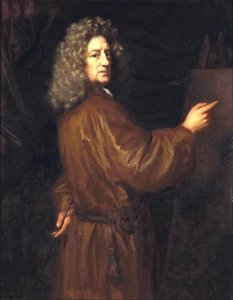
Nicolaes Maes
1634 - 1693 , Нідерланди
Довідкова інформація
- Artistic Movement Or Style: Бароко
- Artists Or Movements Influenced By This Artist: ['Де Хох']
- Artists Who Influenced This Artist: ['Рембрандт ван Рейн']
- Date Of Birth: Дордрехт, Нідерланди (1634)
- Date Of Death: 1693
- Full Name: Nicolaes Maes
- Nationality: Нідерландський
- Notable Artworks:
- Христос благословляет детей
- Старая женщина дремлет над книгой
- Смерть и алтариус
- Place Of Birth: Нідерланди
Схожі статті

Golden Age Reflections: Dutch Baroque Painting & Cultural Innovation
Explore the Dutch Golden Age of painting! Discover key artists like Vermeer & ter Borch, their innovative techniques, and the rich cultural context behind these Baroque masterpieces. Learn about collecting & appreciating this iconic art period.

Mastering Light & Shadow: A Journey Through the Dutch Golden Age's Luminous Legacy
Embark on a cultural journey through the Dutch Golden Age. Explore the masterful interplay of light and shadow in 17th-century masterpieces, from Rembrandt to Vermeer, and discover how this era of profound realism continues to inspire fine art collectors today.

Топ-10 шедеврів Золотої доби нідерландського мистецтва | OriginalUniqueArt.com
Відкрийте для себе 10 шедеврів Золотої доби нідерландського мистецтва! Рембрандт, Вермеєр та інші майстри. Історія створення, унікальні техніки та натхнення для вашого інтер'єру. Репродукції картин високої якості – OriginalUniqueArt.com
Nicolaes Berchem: Dutch Golden Age Pastoralism & the Evolution of Landscape Painting
Explore the captivating world of Nicolaes Berchem, a leading Dutch Golden Age painter. Discover his idyllic landscapes, masterful technique & lasting influence on art history. Learn more at OriginalUniqueArt.

Golden Light & Dutch Skies: The Timeless Magic of Dutch Golden Age Landscapes
Discover the breathtaking beauty of Dutch Golden Age landscapes. Explore the mastery of light, chiaroscuro, and 17th-century realism through an expert art history lens, celebrating the enduring legacy of the Dutch Masters for discerning collectors and art lovers.
