
 Переглянути в інтер'єрі
 Надіслати як листівку
 Поділитися
 Деталі витвору
 Посібник

 Завантажити
 Схожі екземпляри
 Рентгенівське дослідження
 Слайд-шоу
 Питання та відповіді
 Статистика
Torn Out in the Spring. Triptych part 2


 Розгорнути текст
Мистецький твір, представлений на цій сторінці, захищений законом про авторське право, що унеможливлює легальне створення або продаж його ідентичної репродукції. Цей захист забезпечується відповідно до міжнародних угод, таких як Бернська конвенція та національним законодавством, зокрема положеннями, що викладені в Законодавство США про авторське право — Розділ 17. Всі права захищені. Будь-яке використання без дозволу заборонено.
Цей метод повністю відповідає нормам авторського права, оскільки він не передбачає копіювання чи дублювання захищеного твору мистецтва. Натомість це творче переосмислення — створення нового малюнка під впливом оригіналу, який не є його точним відтворенням.
Гікле / Художній принт
Друк جيкле або на полотні музейної якості з оперативним виготовленням та різноманітними варіантами фінішної обробки. ( Замовити картину ручної роботи Перейти до цифрових зображень)




P118B ₴10

P118H ₴10

P118W ₴10

P438Z ₴10

P508JH ₴12

P508YH ₴12

P805H ₴10

P805Z ₴10

P919BZ ₴10

P919G ₴10

P919XJ ₴10

P959ZH ₴10

P968JZ ₴12

W106C ₴8

W218G ₴10

W218JH ₴8

W218Y ₴10

W307PJ ₴10

W316G ₴10

W316PJ ₴8

W316Y ₴10

W398PJ ₴8

W4111J ₴10

W500HY ₴15

W500JH ₴15

W692G ₴12

W849H ₴8

W940BG ₴15

W953PJ ₴8




Обирайте з наших стандартних розмірів, що відповідають оригінальним пропорціям твору мистецтва.

Введіть необхідну ширину та висоту, щоб принт ідеально підійшов до вашої рами або стіни. Принт можна лише обрізати, але не можна зробити більшим за оригінал, тому при зміні пропорцій частина зображення буде втрачена. Перед друком ми надсилаємо вам цифровий макет для затвердження. Зображення на цій сторінці не відображає реальну обрізку — її можна побачити лише на макеті.
Доставка по всьому світу () за 2 тижні замість стандартних 4/5 тижнів. (11 Листопад)

Безкоштовна експрес-доставка по всьому світу

Високоякісне лляне полотно

Повне страхове покриття доставки

Гарантія повернення митних зборів

Гарантія точного відтворення кольорів

Політика повернення протягом 100 днів (лише у разі виявлення дефектів)

Гарантія повернення 100% коштів

Пропозиція на оптові замовлення
 Скляний варіант доступний лише для розмірів до 110 см

Torn Out in the Spring. Triptych part 2
Гікле / Художній принт
Розмір репродукції
-


Підсумкова вартість
₴ 3642
A Fragmented Spring – Unveiling Mikhail Ardashnikov’s “Torn Out in the Spring”
Mikhail Ardashnikov's "Torn Out in the Spring," part of a larger triptych, is not merely a cityscape; it’s an immersive journey into the layered narratives of memory, myth, and the enduring pulse of Russian cultural heritage. Created in 2019, this work immediately draws the eye with its vibrant palette and dynamic composition, yet it's the subtle complexities beneath the surface that truly captivate. Ardashnikov, a St. Petersburg-based artist deeply rooted in historical research and a fascination with archetypal symbols, has crafted a scene brimming with both recognizable urban life and potent, almost dreamlike imagery.
The painting depicts a bustling city street, rendered with a confident, slightly abstracted style reminiscent of early 20th-century Russian realist painters. Buildings rise in the background, their forms echoing architectural traditions while simultaneously possessing an otherworldly quality. A prominent clock tower dominates the scene, its hands frozen at a specific moment – perhaps signifying a suspended time, a captured memory. Scattered throughout are details that hint at a deeper symbolic resonance: birds soaring above, dogs patrolling the streets, and figures engaged in everyday activities. These elements aren’t simply decorative; they contribute to a complex tapestry of meaning.
The Language of Symbolism – Myth and Memory
Ardashnikov's work is profoundly influenced by Russian folklore and historical narratives. The triptych as a whole, and “Torn Out in the Spring” specifically, can be interpreted through the lens of the *Skazka* tradition—Russian fairy tales that often blend reality with magic and symbolism. The presence of birds, frequently associated with freedom and spiritual insight in Russian art, suggests a yearning for transcendence within the confines of urban life. Similarly, the dogs, traditionally guardians and symbols of loyalty, might represent the enduring connection to ancestral roots amidst the rapid changes of modernity.
The title itself, “Torn Out in the Spring,” evokes a sense of disruption and revelation. Spring is a time of rebirth and renewal, but "torn out" implies something lost or fragmented—a memory unearthed, a truth exposed. This duality reflects Ardashnikov’s broader exploration of how personal experience intersects with collective history. The painting feels like a visual excavation, as if the artist is carefully piecing together fragments of the past to reveal a hidden narrative.
Technique and Material – A Layered Approach
Ardashnikov employs a mixed technique, combining elements of oil paint with other materials on paper. This layering creates a rich textural surface, inviting close inspection. The brushstrokes are visible, lending a sense of immediacy and spontaneity to the work while simultaneously contributing to its overall depth. The use of color is particularly striking – bold blues and greens contrast with warmer earth tones, creating a dynamic visual tension. It’s clear that Ardashnikov isn't simply replicating reality; he’s actively shaping it through his artistic choices.
Emotional Resonance – A Window into the Soul
"Torn Out in the Spring" is more than just a depiction of a city street; it’s an invitation to contemplate the nature of time, memory, and identity. The painting possesses a quiet intensity, drawing the viewer into its world with a subtle yet powerful emotional pull. There's a sense of melancholy interwoven with hope, suggesting that even in the midst of urban chaos, there remains a connection to something deeper—to our past, our heritage, and our own inner landscapes. Reproductions of this piece offer a remarkable opportunity to bring this evocative atmosphere into any space, serving as both a conversation starter and a source of contemplative beauty.
Питання та відповіді
Як стиль твору "Torn Out in the Spring. Triptych part 2" відображає епоху його творця?
«Torn Out in the Spring. Triptych part 2» належить до течії Contemporary Symbolism, а її автор працював у епоху — Сучасне мистецтво.
Хто є автором "Torn Out in the Spring. Triptych part 2" і до якого художнього напряму він належить?
Автором твору "Torn Out in the Spring. Triptych part 2" є Mikhail Ardashnikov, що належить до течії Contemporary Symbolism.
Скільки років було Mikhail Ardashnikov, коли він(ла) створив(ла) "Torn Out in the Spring. Triptych part 2"?
Mikhail Ardashnikov створив(ла) «Torn Out in the Spring. Triptych part 2» у віці 56 років. Митець народився(лася) у 1963, а дата створення твору — 2019.
Пов'язані статті
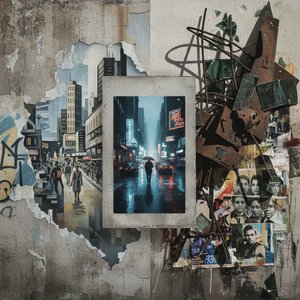
Concrete Visions: Exploring Representations of Urban Life in Modern & Contemporary Art
Explore the evolution of cityscape painting from Realism to contemporary art. Discover key artists & invest in timeless urban visions with OriginalUniqueArt's expert guidance and museum-quality reproductions.

Топ-25 шедеврів Френсіса Бекона: Експресія, біль та візуальна революція в мистецтві
Відкрийте для себе 25 найвідоміших картин Френсіса Бекона – експресивних портретів, триптихів та шедеврів XX століття. Дізнайтесь історію створення, техніку та філософію мистецтва цього ірландського художника. Купіть репродукції картин Бекона преміум-якості на OriginalUniqueArt.com!
Urban Visions: A Historical & Artistic Exploration of the Cityscape in Painting
Explore the evolution of cityscape painting from historical maps to Impressionist masterpieces. Discover artists like Caillebotte & Utrillo. Find museum-quality reproductions at OriginalUniqueArt.

Concrete Visions: Exploring the Urban Landscape in Painting – From Realism to Contemporary Art
Explore the evolution of cityscape painting from Realism to contemporary art with OriginalUniqueArt. Discover key artists & invest in timeless urban visions. Expert guidance, museum-quality reproductions.
Urban Visions: A Historical & Artistic Exploration of the Cityscape in Painting
Explore the evolution of cityscape painting from historical maps to Impressionist masterpieces. Discover artists like Caillebotte, Utrillo & Matsumoto Shunsuke. Find museum-quality reproductions at OriginalUniqueArt.