Переглянути в інтер'єрі
 Надіслати
 Поділитися
 Деталі
 Посібник

 Завантажити
 Схожі предмети колекціонування
 Рентгенівське дослідження
 Слайд-шоу
 Статистика переглядів
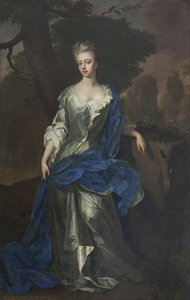
Portrait of an Unknown Lady
 Oil On Canvas
- WallArt
- Baroque Portraiture
 88.0 x 74.0 cm
 National Trust
 Читати далі
Гікле / Художній принт
Музейна якість друку جيкле або на полотні з оперативним виготовленням та різноманітними варіантами фінішної обробки. ( Купити картину ручної роботи Перейти до цифрових зображень)




P118B $10

P118H $10

P118W $10

P438Z $10

P508JH $12

P508YH $12

P805H $10

P805Z $10

P919BZ $10

P919G $10

P919XJ $10

P959ZH $10

P968JZ $12

W106C $8

W218G $10

W218JH $8

W218Y $10

W307PJ $10

W316G $10

W316PJ $8

W316Y $10

W398PJ $8

W4111J $10

W500HY $15

W500JH $15

W692G $12

W849H $8

W940BG $15

W953PJ $8




Обирайте з наших стандартних розмірів, що відповідають оригінальним пропорціям твору мистецтва.

Ви можете вказати власні розміри, щоб репродукція ідеально підійшла до конкретної рами або інтер'єру. Якщо обраний вами розмір не відповідає пропорціям оригіналу, ми або обріжемо полотно, або розширимо зображення за допомогою дзеркального відображення чи суцільної заливки країв. Перед початком виробництва вам буде надіслано цифровий макет для затвердження.
Будь ласка, зверніть увагу, що попередній перегляд на екрані не відображає фактичне обрізання або розширення. Тільки макет точно покаже фінальну композицію.
Хоча можливість замовлення індивідуальних розмірів доступна, ми рекомендуємо обирати формат із попередньо визначеного списку, щоб зберегти оригінальні пропорції.
Доставка по всьому світу () за 2 тижні замість стандартних 4/5 тижнів. (26 Вересень)

Безкоштовна експрес-доставка по всьому світу

Високоякісне лляне полотно

Повне страхове покриття доставки

Гарантія повернення митних зборів

Гарантія точного відтворення кольорів

Політика повернення протягом 100 днів (лише у разі виявлення дефектів)

Гарантія повернення 100% коштів

Знижка на оптові замовлення
 Скляний варіант доступний лише для розмірів до 110 см

Portrait of an Unknown Lady
Гікле / Художній принт
Розмір репродукції
-


Загальна вартість
$ 80
A Window into the Late Seventeenth Century: Michael Dahl’s Portrait of an Unknown Lady
Michael Dahl's “Portrait of an Unknown Lady,” painted circa 1724, stands as a quintessential example of Baroque portraiture—a genre that flourished across Europe during the reign of Louis XIV and captivated audiences with its meticulous realism and opulent aesthetic. Executed by Dahl himself alongside Charles d’Agar, this canvas embodies the grandeur and sophistication characteristic of aristocratic patronage in England, reflecting a fascination for capturing not merely likeness but also conveying an aura of status and inner composure.
Composition & Technique: Mastering Light and Shadow
The artwork's composition prioritizes a balanced arrangement centered on the woman’s face, subtly offset to create visual interest. Dahl skillfully employs soft, blended lines—a hallmark of Baroque painting—to sculpt her features with remarkable precision. Layers upon layers of translucent oil paint build up texture, particularly noticeable in the drapery surrounding her torso and shoulders, hinting at the luxurious fabric – likely silk or satin – favored by the elite. The artist’s meticulous blending ensures that highlights illuminate her skin tone and clothing, while shadows deepen the sense of dimensionality, drawing the viewer's eye into the scene.
Color Palette & Symbolism: Restrained Beauty Amidst Dark Undertones
The color palette is deliberately muted, dominated by shades of pale green, creamy beige, and earthy browns—a palette that speaks to the prevailing taste for understated elegance during the Baroque period. These tones are juxtaposed against a deep brown or black background, amplifying the luminosity of the woman’s complexion and garments. The subtle inclusion of pink on her face adds warmth and delicacy, hinting at an idealized beauty – a common motif in portraiture aimed at projecting nobility and virtue.
Historical Context & Artistic Influence
Dahl's work emerged during a period marked by significant artistic innovation and royal patronage. He honed his skills initially in Sweden before relocating to London, where he quickly gained recognition as one of the era’s most celebrated portraitists. Dahl’s style draws heavily from Italian Baroque masters like Caravaggio and Rembrandt, demonstrating an understanding of chiaroscuro—the dramatic interplay between light and dark—that elevates the painting beyond mere representation.
Emotional Resonance: Confidence & Dignity Embodied
"Portrait of an Unknown Lady" transcends its formal subject matter to convey a profound sense of dignity and serenity. The woman’s direct gaze commands attention, projecting confidence and inner strength—qualities valued in aristocratic individuals who sought to project power and refinement. More than just capturing a likeness, Dahl succeeds in encapsulating the spirit of his sitter, inviting contemplation on themes of beauty, status, and timeless grace.
Біографія митця
A Life Bridging Worlds: The Artistic Journey of Michael Dahl
Michael Dahl, a name synonymous with the elegance and sophistication of 18th-century portraiture, was a Swedish artist whose influence resonated profoundly across England. Born in Stockholm around 1659 – precise dates remain subject to slight variations in historical records – his life unfolded as a remarkable journey of artistic development, fueled by ambition, strategic adaptation, and an innate talent for capturing the essence of those he depicted. Dahl’s story isn't simply one of a painter; it’s a narrative of cultural exchange, religious conversion, and the relentless pursuit of mastery that ultimately established him as a leading portraitist in England. The dedication of his mother, Catarina Dahl, to nurturing his early artistic inclinations provided the bedrock for a career marked by both triumph and strategic maneuvering.From Swedish Foundations to Italian Influences
Dahl’s formal artistic education commenced in Sweden under Martin Hannibal in 1674. Hannibal, himself an Italian transplant brought to Sweden by David Klöcker Ehrenstrahl, established a portrait academy – a relatively novel concept at the time – designed to cultivate a new generation of artists. This initial training instilled in Dahl fundamental skills and techniques, laying the groundwork for his future endeavors. However, Dahl’s aspirations extended far beyond the confines of Stockholm. In 1682, he embarked on an extensive European educational odyssey, equipped with a passport that facilitated travel and driven by an unquenchable thirst for artistic knowledge. His arrival in London proved to be a pivotal moment. He entered into the tutelage of Robert White, a highly respected engraver and painter, assisting him with engraving projects – including a portrait of King Charles XI of Sweden. This experience was invaluable, providing practical insights into the English art market and introducing Dahl to a wider audience. Yet, it was his encounter with Godfrey Kneller that truly shaped his approach to portraiture. Kneller, a renowned portraitist himself, imparted not only technical expertise but also a crucial understanding of the commercial realities of the art world – a pragmatic awareness often lacking in more formally trained artists. Dahl’s travels continued to Paris and then Rome, where he immersed himself in the vibrant artistic atmosphere of the Baroque period.Rome, Conversion, and Patronage
The exiled Queen Christina of Sweden played a transformative role in Dahl's career during his time in Rome. Recognizing the strategic advantage of access to influential circles and papal patronage, Dahl underwent a significant personal transformation – converting to Roman Catholicism at her urging. This decision opened doors that would have otherwise remained firmly closed, allowing him to paint portraits of the Queen herself and present his work directly to Pope Innocent XI, who bestowed upon him a gold medal – a tangible symbol of recognition for his burgeoning talent. The conversion, while undoubtedly influenced by strategic considerations, underscores Dahl’s remarkable adaptability and willingness to navigate complex social and religious landscapes in pursuit of artistic advancement. It was during this period that he truly honed his skills, absorbing the Baroque aesthetic that would become the hallmark of his mature work. This experience fundamentally altered his trajectory, shifting him from a promising student to a respected artist with access to unprecedented opportunities.A Master of English Portraiture
Upon returning to England, Michael Dahl swiftly established himself as one of the most sought-after portraitists of his time. He cultivated a distinctive style characterized by an elegant and refined sensibility – a masterful blend of technical precision and psychological insight. His portraits weren’t merely likenesses; they were carefully constructed narratives that captured not only physical appearance but also the status, personality, and social standing of his aristocratic sitters. Notable works include striking portraits of Sir William Carew, John Churchill (1st Duke of Marlborough), and Sir Robert Walpole – each rendered with a remarkable attention to detail and an ability to convey both dignity and character. Perhaps one of his most ambitious achievements is the triple portrait of the 2nd Earl of Burlington, the 1st Duke of Kingston upon Hull, and the 3rd Baron Berkeley of Stratton – a complex composition that showcases Dahl’s exceptional skill in group portraiture, balancing individual personalities within a cohesive and visually compelling arrangement. His portraits are distinguished by rich colors, meticulous attention to detail in textures, and an overall sense of grandeur—a testament to his mastery of Baroque techniques adapted to the English aesthetic.Legacy and Historical Significance
Michael Dahl’s artistic style represents a unique synthesis of Swedish, Italian, and English influences. He absorbed the foundational skills from Hannibal and Ehrenstrahl, learned the pragmatic realities of the art market from Kneller, and benefited immensely from the patronage system he encountered in Rome. His work embodies the Baroque aesthetic prevalent during his time but infused with a distinctly refined sensibility. He profoundly influenced subsequent generations of portrait painters with his elegant style and technical proficiency. Beyond his artistic contributions, Michael Dahl’s success as a Swedish artist flourishing primarily in England highlights the interconnectedness of European art networks during the Baroque period. He skillfully navigated diverse cultural contexts, establishing himself as a leading portraitist whose legacy continues to be celebrated today. His portraits offer invaluable insights into the lives and appearances of the English aristocracy during the early 18th century—serving not only as works of art but also as crucial historical documents.
Міхаель Даль
1658 - 1743 , Швеція
Довідкова інформація
- Artistic Movement Or Style: Бароко
- Artists Or Movements Influenced By This Artist:
- Елегантний портрет
- Аристократи
- Artists Who Influenced This Artist:
- Мартин Ханнібал
- Давід Еренстрахль
- Готфрід Кнолер
- Date Of Birth: 1659
- Date Of Death: 1743
- Full Name: Michael Dahl
- Nationality: Шведський
- Notable Artworks:
- Портрет королеви Анни
- Джордж Дауіч
- Place Of Birth: Стокгольм, Швеція
Схожі статті
The Gaze of Power: Aristocratic Portraiture & Dynastic Ambition Through the Ages
Explore the fascinating history of aristocratic portraiture & its reflection of power, wealth, and dynastic ambition. Expert insights for discerning collectors at OriginalUniqueArt.

Timeless Sophistication: Iconic Masterpieces of the Elegant Gentleman and the Legacy of Baroque Portraiture
Explore the profound elegance of Baroque portraiture. Discover how masters used light and drama to define authority and identity through iconic masterpieces. Perfect for art enthusiasts seeking historical depth and museum-quality inspiration.

Drama and Light: A Definitive Guide to the Power and Emotion of Baroque Portraiture
Explore the dramatic world of Baroque portraiture. Discover how masters used chiaroscuro and light to evoke profound emotion during the Counter-Reformation. A definitive guide for art enthusiasts seeking to understand the power of 17th-century masterpieces.
The Grandeur of Baroque Portraiture: Power, Emotion & Artistic Innovation
Explore the grandeur of Baroque portraiture! Discover Rubens, Van Dyck & the masters of 17th-century art. Uncover symbolism, techniques & lasting influence. Expert insights for collectors and enthusiasts.

Топ-10 шедеврів бароко: картини, що змінили мистецтво | OriginalUniqueArt.com
Відкрийте для себе 10 шедеврів бароко від Караваджо, Рембрандта та Рубенса! Історія мистецтва, техніки живопису та натхнення для вашого інтер'єру. Репродукції картин високої якості – OriginalUniqueArt.com