

 Переглянути в інтер'єрі
 Надіслати як листівку
 Поділитися
 Деталі витвору
 Посібник

 Завантажити
 Схожі екземпляри
 Рентгенівське дослідження
 Слайд-шоу
 Q&A
Q&A Статистика
Wedding at Cana
 Acrylic On Canvas
- WallArt
- Baroque
 1655
1655 203.0 x 226.0 cm
 Національна галерея
 Розгорнути текст
Отримайте файл, готовий до друку, якість якого значно перевищує якість веб-попереднього перегляду. Кожне цифрове зображення, яке ми продаємо, створене на основі високої роздільної здатності з нашої бази даних — зазвичай від 5 000 до 15 000 пікселів по ширині — тому ви можете впевнено друкувати у великому форматі, робити щільну обрізку або відтворювати найдрібніші деталі.
Жоден файл не залишається в нашій студії без уваги. Експерт із цифрової обробки звіряє кольори з оригінальною картиною та за потреби коригує їх, після чого покращує чіткість і деталізацію за допомогою професійних інструментів ретушування — завжди зберігаючи вірність мазкам пензля та стилю художника. Результатом є зображення, яке виглядає як справжня картина, а не як відскановане фото з накладеними фільтрами.
Ви затверджуєте результат перед завершенням замовлення: протягом 72 годин наш експерт надішле зображення електронною поштою для вашого перегляду. Не задоволені результатом? Ви можете попросити про внесення змін чи виправлень або отримати відшкодування, якщо якість не відповідає вашим очікуванням.
Саме на таку якість покладаються видавництва, дизайн-студії, галереї та друкарні.
Цифрове зображення
Завантажте файл високої роздільної здатності для особистого використання, друку та творчих проєктів. ( Перейти до друку Замовити картину ручної роботи)
Переваги кожного замовлення цифрових зображень
Експертна цифрова доставка з гарантією якості
Обираючи OriginalUniqueArt.com, ви отримуєте не просто зображення — ви отримуєте професійно вдосконалений цифровий витвір мистецтва, створений з надзвичайною точністю та підкріплений гарантією задоволення. Ось усе, що автоматично додається до вашого замовлення:

Швидка доставка на email
Ваш цифровий файл із зображенням високої роздільної здатності буде надісланий вам електронною поштою протягом 72 годин після оформлення замовлення — він буде готовий до негайного використання.

Цифровий файл із покращенням ШІ
Ваш витвір мистецтва професійно оптимізовано за допомогою передових інструментів штучного інтелекту та ручної корекції, що забезпечує максимальну деталізацію, чіткість і точність передачі кольорів.

Безкоштовне повторне завантаження назавжди
Випадково видалили або втратили файл? Не хвилюйтеся — ми надішлемо його вам повторно в будь-який час безкоштовно.

Без митних зборів — завжди
Насолоджуйтесь вашим витвором мистецтва миттєво без жодних мит, зборів або плати за доставку — цифрові завантаження завжди не оподатковуються.

Гарантія точності кольорів
Ми гарантуємо максимально точне відтворення оригінальних кольорів на вашому цифровому зображенні завдяки використанню професійних інструментів та систем управління кольором.

100-денна гарантія задоволення
Якщо ви не задоволені придбаним цифровим зображенням, ми внесемо правки або повернемо 100% вартості протягом 100 днів — без зайвих запитань.

Гарантія повернення 100% коштів
Незадоволені покупкою? Отримайте повне повернення коштів протягом 100 днів після отримання цифрового файлу — без зайвих запитань.

Знижки на оптові замовлення
Купуйте 3 зображення — заощаджуйте 10% — Купуйте 5 — заощаджуйте 15% — Купуйте 10+ — заощаджуйте 20%. Чудово підходить для творчих проєктів, галерей та агентств.
Mattia Preti’s Wedding at Cana: A Testament to Divine Grace
The painting “Wedding at Cana” by Mattia Preti, completed in 1655-60, transcends mere depiction; it embodies the profound spiritual significance of Baroque art and serves as a poignant reminder of faith's transformative power. Executed during Preti’s prolific period in Malta—a nation deeply invested in Catholic piety—this monumental canvas captures a pivotal biblical narrative with breathtaking realism and masterful compositional artistry. The artwork resides within The National Gallery, London, offering visitors an unparalleled opportunity to experience the artist’s genius firsthand.A Dramatic Encounter Between Tradition and Revelation
Mattia Preti's artistic journey began under Giovanni Battista Caracciolo, immersing him in the influential Caravaggist style characterized by dramatic chiaroscuro—the masterful manipulation of light and shadow—a technique that would permeate his entire oeuvre. Before relocating to Rome in 1630, he honed his skills alongside fellow artists, absorbing the stylistic innovations championed by Caravaggio and Guercino, figures who fundamentally reshaped artistic expression during their time. This formative experience instilled within Preti an unwavering dedication to portraying human emotion with unflinching honesty and conveying spiritual truths through visual grandeur.Technical Brilliance: Baroque Composition and Color Palette
The painting’s execution showcases Preti's exceptional technical prowess. Employing oil on canvas, he meticulously rendered the scene with painstaking detail, capturing the textures of fabrics, faces, and foliage alike. The artist skillfully utilized a rich color palette—dominated by warm reds and golds—to illuminate the festive atmosphere and emphasize the central miracle. Furthermore, Preti’s masterful compositional arrangement guides the viewer's gaze towards the focal point: Jesus transforming water into wine, symbolizing divine grace overcoming earthly limitations. Careful attention to perspective contributes to the illusion of depth, immersing the spectator in the immediacy of the biblical event.Symbolism Rooted in Christian Theology
Beyond its aesthetic beauty, “Wedding at Cana” resonates with profound theological symbolism. The wedding feast itself represents the sacrament of marriage—a cornerstone of Christian faith—and symbolizes the divine blessing bestowed upon humankind. Jesus’ intervention underscores God's compassion and his willingness to intervene in human affairs to fulfill promises made millennia ago. The miracle serves as an allegory for overcoming adversity and achieving spiritual fulfillment, mirroring the broader narrative arc of salvation history. As interpreted by Bishop Fulton J. Sheen, Preti’s depiction captures a moment of grace—a foreshadowing of Christ's ultimate triumph over death—making it a timeless emblem of faith’s transformative potential.Emotional Resonance: Capturing Joyful Celebration and Divine Wonder
The painting’s emotional impact is undeniable. The artist skillfully conveys the palpable joy of the wedding guests, their expressions reflecting delight and amazement at the miraculous transformation unfolding before their eyes. Preti's portrayal captures not merely a visual spectacle but also the spiritual fervor associated with encountering God’s divine presence—a feeling that continues to inspire viewers centuries later. “Wedding at Cana” stands as an enduring testament to Baroque art’s ability to evoke profound emotion and illuminate the deepest truths of Christian belief.Питання та відповіді
Наскільки відомим є твір "Wedding at Cana" автора Маттіа Преті?
«Wedding at Cana» має рівень популярності Iconic.
Яке розміщення найкраще підходить для формату «Wedding at Cana» роботи Маттіа Преті?
Формат (Landscape) та рекомендоване приміщення (Hotel Lobby) — це два ключові параметри розміщення для «Wedding at Cana» роботи Маттіа Преті.
До якого етапу кар'єри Маттіа Преті належить твір "Wedding at Cana" (1655)?
Дата 1655 дозволяє віднести «Wedding at Cana» до Mature Baroque творчого розвитку Маттіа Преті.
Біографія митця
Mattia Preti: A Calabrian Knight of the Baroque
Mattia Preti, known as *Il Cavalier Calabrese* – the Calabrian Knight – stands as a pivotal figure in 17th-century Italian Baroque painting. Born in Taverna, Calabria, on February 24, 1613, his artistic journey was one of dynamic evolution, absorbing diverse influences and culminating in a uniquely expressive style that left an indelible mark on the art world, particularly in Malta where he would spend much of his later life. Preti’s early training began under Giovanni Battista Caracciolo, a painter deeply rooted in the Caravaggist movement. This foundational exposure instilled within him a profound understanding of dramatic chiaroscuro – the intense interplay of light and shadow – and a commitment to realistic depiction that would remain hallmarks of his work throughout his career. Before 1630, he joined his brother Gregorio in Rome, immersing himself in the artistic ferment of the city and studying the masters who defined the era: Caravaggio, Guercino, Rubens, Guido Reni, and Giovanni Lanfranco. This period was crucial, shaping not only his technical skills but also his aesthetic sensibilities.Early Influences and Roman Development
Preti’s early artistic development wasn't merely imitation; it was a synthesis of influences, skillfully woven into a style distinctly his own. While initially steeped in Caravaggism – particularly the dramatic use of tenebrism and dynamic figures – he gradually moved beyond its strict confines, embracing the dynamism and emotional intensity that characterized the High Baroque. His time in Rome allowed him to study not only Caravaggio’s techniques but also those of other masters who shaped the artistic landscape of the era. He absorbed elements from Guercino's expressive brushwork, Rubens’ opulent color palettes, and Reni’s graceful compositions. This period was marked by a growing confidence and experimentation, as Preti began to develop his own unique visual language. He wasn’t simply copying his predecessors; he was learning from them, adapting their techniques to suit his own artistic vision. His early works in Rome, such as frescoes in the churches of Sant’Andrea della Valle and San Carlo ai Catinari, demonstrated an aptitude for large-scale decorative painting and a willingness to push the boundaries of traditional Baroque style.A Style Forged in Naples
Forging a Dynamic Style Preti’s artistic development wasn't merely imitation; it was a synthesis of influences, skillfully woven into a style distinctly his own. While initially steeped in Caravaggism, he gradually moved beyond its strict confines, embracing the dynamism and emotional intensity that characterized the High Baroque. His time in Naples further refined this evolution, exposing him to the vibrant work of Luca Giordano. This period saw Preti’s canvases swell with energetic movement, complex compositions, and a heightened sense of drama. He masterfully employed dramatic contrasts of light and shadow, inherited from Caravaggio, not simply as a technical device but as a means of intensifying emotional impact and guiding the viewer's eye. His figures are imbued with palpable emotion, conveyed through expressive faces and dynamic body language. This ability to evoke powerful feelings – piety, anguish, ecstasy – became a defining characteristic of his oeuvre. He wasn’t content merely to depict scenes; he sought to *animate* them, breathing life into biblical narratives and religious iconography.Major Works and Commissions
Throughout his career, Preti received numerous commissions that showcased his versatility and artistic skill. He created impressive fresco cycles for Roman churches, demonstrating an aptitude for large-scale decorative painting. Some of his most ambitious – though sadly lost – works were the frescoes he painted on seven city gates in Naples depicting the Virgin or saints delivering people from the plague. Though only sketches remain today, they testify to the scale and impact of these monumental creations. These commissions weren’t simply about fulfilling a patron's request; they were opportunities for Preti to engage with the religious and cultural life of the communities he served, imbuing his art with meaning and purpose. His work at St. John’s Co-Cathedral in Valletta, however, stands as his most significant achievement – a testament to his artistic genius and unwavering dedication to the Baroque aesthetic.The Maltese Zenith: St. John’s Co-Cathedral
It was in Malta, however, that Mattia Preti reached the pinnacle of his artistic achievement. Appointed a Knight of the Order of Saint John in 1660, he embarked on a transformative project: the complete redecoration of the interior of St. John’s Co-Cathedral in Valletta. This undertaking – arguably his most significant legacy – involved an astonishing series of paintings depicting the life and martyrdom of Saint John the Baptist. The sheer scale of the project is breathtaking; Preti essentially created a visual narrative that enveloped the viewer, immersing them in the story of the saint. The opulent Baroque setting provided the perfect canvas for his dramatic style, and the resulting artwork cemented his reputation as one of Europe’s leading painters. His work at St. John's wasn't merely decorative; it was an act of devotion, a testament to his faith, and a powerful expression of the Order’s religious identity.A Lasting Legacy
Mattia Preti continued to receive commissions from across Europe following his success in Malta, solidifying his position as a leading figure in Italian Baroque art. He died in 1699, leaving behind a rich artistic legacy that continues to inspire and captivate audiences today. His masterful use of light and shadow, dynamic compositions, and ability to convey intense emotion remain hallmarks of his style. His contributions are preserved in museums such as the Capodimonte Museum in Naples, and through reproductions made available by platforms like OriginalUniqueArt.com, ensuring that his art continues to reach new generations. The enduring impact of Preti’s work is perhaps most vividly felt within the walls of St. John's Co-Cathedral, a breathtaking testament to his artistic genius and unwavering dedication to the Baroque aesthetic. *Il Cavalier Calabrese* truly earned his title, not only as a knight but as a master painter who illuminated the world with his vision.Useful Links
- Mattia Preti - Wikipedia: https://en.wikipedia.org/wiki/Mattia_Preti
- Mattia Preti (Il Cavalier Calabrese) - Saint John the Baptist Preaching: https://www.metmuseum.org/art/collection/search/438824
Useful Content
- Mattia Preti - Wikipedia: (See link above)
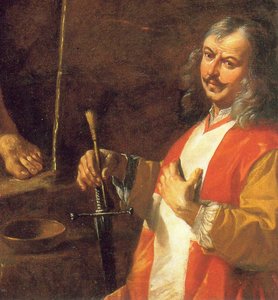
Маттіа Преті
1613 - 1699 , Італія
Короткі факти
- Artistic Movement Or Style: Бароко
- Artists Or Movements Influenced By This Artist:
- Карвавхізм
- Бароко
- Artists Who Influenced This Artist:
- Караваджо
- Гуерчіно
- Рубенс
- Date Of Birth: 24 лютий 1613
- Date Of Death: 3 січня 1699
- Full Name: Mattia Preti
- Nationality: Італійський
- Notable Artworks:
- Тributo di Dio
- Giuditta e Oloferne
- San Giovanni Battista
- Place Of Birth: Тaverна, Італія