
 Переглянути в інтер'єрі
 Надіслати як листівку
 Поділитися
 Деталі витвору
 Посібник

 Завантажити
 Схожі екземпляри
 Рентгенівське дослідження
 Слайд-шоу
 Питання та відповіді
 Статистика
The Resurrection


 Розгорнути текст
Гікле / Художній принт
Друк جيкле або на полотні музейної якості з оперативним виготовленням та різноманітними варіантами фінішної обробки. ( Замовити картину ручної роботи Перейти до цифрових зображень)




P118B ₴10

P118H ₴10

P118W ₴10

P438Z ₴10

P508JH ₴12

P508YH ₴12

P805H ₴10

P805Z ₴10

P919BZ ₴10

P919G ₴10

P919XJ ₴10

P959ZH ₴10

P968JZ ₴12

W106C ₴8

W218G ₴10

W218JH ₴8

W218Y ₴10

W307PJ ₴10

W316G ₴10

W316PJ ₴8

W316Y ₴10

W398PJ ₴8

W4111J ₴10

W500HY ₴15

W500JH ₴15

W692G ₴12

W849H ₴8

W940BG ₴15

W953PJ ₴8




Обирайте з наших стандартних розмірів, що відповідають оригінальним пропорціям твору мистецтва.

Введіть необхідну ширину та висоту, щоб принт ідеально підійшов до вашої рами або стіни. Принт можна лише обрізати, але не можна зробити більшим за оригінал, тому при зміні пропорцій частина зображення буде втрачена. Перед друком ми надсилаємо вам цифровий макет для затвердження. Зображення на цій сторінці не відображає реальну обрізку — її можна побачити лише на макеті.
Доставка по всьому світу () за 2 тижні замість стандартних 4/5 тижнів. (4 Листопад)

Безкоштовна експрес-доставка по всьому світу

Високоякісне лляне полотно

Повне страхове покриття доставки

Гарантія повернення митних зборів

Гарантія точного відтворення кольорів

Політика повернення протягом 100 днів (лише у разі виявлення дефектів)

Гарантія повернення 100% коштів

Пропозиція на оптові замовлення
 Скляний варіант доступний лише для розмірів до 110 см

The Resurrection
Гікле / Художній принт
Розмір репродукції
-


Підсумкова вартість
₴ 3644
A Vision of Ascent: Matthias Grünewald’s “The Resurrection”
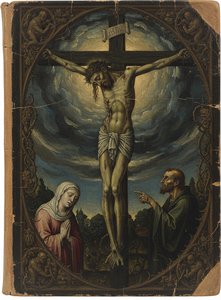
Matthias Grünewald's "The Resurrection," painted around 1515, isn’t merely a depiction of a biblical event; it’s a visceral experience. This monumental panel, now housed in the Unterlinden Museum in Colmar, France, transcends simple narrative to become a profound meditation on faith, sacrifice, and the triumph over darkness. It's a work that immediately commands attention, not through polished realism, but through an intensely emotional and dramatically charged atmosphere – a hallmark of Grünewald’s unique Northern Renaissance style.
The painting unfolds as a carefully orchestrated drama. At its heart stands Christ, not in serene repose, but powerfully ascending into the heavens. His body, ravaged by the wounds of the crucifixion, is rendered with an almost agonizing detail – the flayed skin, the exposed nails, the blue-tinged lips conveying both suffering and divine presence. This isn’t idealized beauty; it's a raw, unflinching portrayal of human agony transformed into spiritual victory. Below him lies a chaotic tableau of fallen Roman soldiers, their armor scattered, weapons abandoned, symbolizing the defeat of earthly power by the resurrected Christ.
The Language of Light and Shadow: Technique and Style
Grünewald’s mastery lies in his manipulation of light and shadow – a technique known as *chiaroscuro*. The scene is dominated by deep, almost impenetrable blacks that contrast sharply with the radiant glow emanating from Christ himself. This dramatic lighting isn't just aesthetic; it serves to elevate Christ to a divine level, casting him as the source of all illumination and hope. The artist employs impasto – thick layers of paint applied directly to the panel – creating a tactile surface that adds depth and physicality to the figures and architectural elements. The brushstrokes are visible, lending a sense of immediacy and energy to the composition.
Notice also the deliberate flattening of perspective. Grünewald prioritizes emotional impact over strict realism, drawing the viewer’s eye upwards towards Christ's ascent through strong diagonals and a tightly structured composition. This compositional choice reinforces the painting’s central theme: the movement from earthly suffering to heavenly glory.
Symbolism and Context: A Hospital Altarpiece
“The Resurrection” wasn’t created for a grand cathedral, but for the hospital of St. Anthony in Issenheim, a monastery dedicated to caring for plague victims. The monks there were particularly skilled at treating ergotism, a debilitating disease characterized by gangrene and convulsions. The imagery within the painting – Christ's wounds mirroring the symptoms of the afflicted – was intended to offer comfort and reassurance to those suffering from this horrific illness. It’s a poignant example of art serving as a source of spiritual healing.
Furthermore, the inclusion of figures like Saint Sebastian (pierced by arrows) and John the Baptist (pointing towards Christ) adds layers of symbolic meaning. Sebastian represents martyrdom and sacrifice, while John foreshadows the coming of the Messiah. The lamb, held by John, is a potent symbol of Christ as the sacrificial Lamb of God.
A Legacy of Dramatic Intensity
“The Resurrection” remains one of Grünewald’s most powerful and enduring works. Its raw emotion, dramatic composition, and profound symbolism continue to resonate with viewers centuries later. It's a testament to the artist’s ability to capture not just the events of the biblical narrative, but also the complex emotions associated with faith, suffering, and redemption. Reproductions of this masterpiece offer a remarkable opportunity to experience Grünewald’s visionary style in your own space – a window into a world of intense spirituality and artistic brilliance.
Питання та відповіді
Коли та з яких матеріалів було створено «The Resurrection»?
Техніка виконання «The Resurrection» роботи Матіас Груневальд — Oil On Panel, а дата створення твору — 1515.
Як я можу придбати цифровий файл «The Resurrection» роботи Матіас Груневальд?
Цифрове зображення твору «The Resurrection» роботи Матіас Груневальд можна придбати на його сторінці за посиланням Цифрове зображення високої якості: завантаження цифрового зображення високої роздільної здатності.
Кольори у творі "The Resurrection" виглядають насиченими чи ніжними?
«The Resurrection» роботи Матіас Груневальд вирізняється Balanced насиченістю кольорів.
Біографія митця
Маттіас Груневальд: Життя та спадщина
Ранні роки та мистецькі витоки
Маттіас Груневальд, народився як Матіс Готтард Нейхардт приблизно в 1470–1а75 роках у Вюрцбурзі, Німеччина, і став ключовою постаттю німецького Відродження. Попри те, що він жив у епоху, яка перебувала під дедалі більшим впливом ідеалів італійського Ренесансу, Груневальд залишався глибоко вкоріненим у художніх традиціях пізнього середньовіччя Центральної Європи. Деталі його раннього життя є досить скупими, проте відомо, що він здобув художню освіту, ймовірно, у місцевих майстернях.
Мистецький розвиток та впливи
Мистецький шлях Груневальда формувався під впливом панівних північноєвропейських традицій реалізму, емоційної інтенсивності та прискіпливої уваги до деталей. У його роботах простежується вплив таких майстрів, як Альбрехт Дюрер та Мартін Шонгауер, проте він проклав власний унікальний шлях, що вирізнявся драматичною експресією та яскравим колоритом. Він не був безпосередньо пов'язаний із гуманістичними колами, які панували в Італії; натомість його мистецтво слугувало переважно релігійним цілям, відображаючи духовні тривоги його часу.
Головні твори та художній стиль
- Ізнімський вівтар (1512–1516): Цей шедевр, що зберігається в Музеї Унтерлінден у Кольмарі, вважається magnum opus Груневальда. Він з жахом реалістично зображує сцени з життя Христа, зосереджуючись на темах страждання та спокути. <лі>Розп'яття (бл. 1502–1503): Рання робота, що демонструє його стиль у процесі становлення, виявляючи глибоку емоційність та анатомічну точність.
- Дівчина Благовіщення (1512–14): Етюд до Ізнімського вівтаря, який розкриває його ретельний процес планування композиції.
- Мойсей (1511): Графіка, що підкреслює майстерність Груневальда у відтворенні експресивних постатей та драматичних поз.
Мистецький стиль Груневальда вирізняється такими рисами:
- Драматична композиція: Він використовував динамічні побудови для посилення емоційного впливу на глядача.
- Яскрава палітра кольорів: Використання насичених, часто контрастних кольорів створювало потужний візуальний досвід.
- Реалістичне зображення страждань: Груневальд не уникав зображення фізичного та душевного болю, притаманного релігійним сюжетам. la
- Експресивні постаті: Його персонажі сповнені сильних емоцій та психологічної глибини.
Історичне значення та спадщина
Творчість Груневальда є свідченням незламної сили середньовічних художніх традицій Німеччини в епоху Відродження. Він став містком між стилем пізньої готики та новою ерою Ренесансу, створивши унікальну візуальну мову, яка знаходила відгук у серцях сучасників. Його вплив можна побачити в роботах пізніших німецьких художників, які продовжували досліджувати теми релігійного запалу та емоційної напруги. Хоча після його смерті в 1528 році про нього майже забули на кілька століть, у XIX столітті відбулося відродження інтересу до його постаті, і сьогодні він визнаний одним із найважливіших живописців німецького Відродження. Його мистецтво продовжує захоплювати глядачів своєю щирою емоційністю, технічною досконалістю та глибокою духовною глибиною.
Для подальшого дослідження
Дізнайтеся більше про життя та творчість Маттіаса Груневальда на: OriginalUniqueArt

Матіас Груневальд
1480 - 1528 , Німеччина
Короткі факти
- Artistic Movement Or Style: Ренессанс Северной Европы
- Artists Or Movements Influenced By This Artist: ['Альбрехт Дюрер']
- Artists Who Influenced This Artist:
- Альбрехт Дюрер
- Мартин Шонгауэр
- Date Of Birth: Прибл. 1470 г.
- Date Of Death: 31 августа 1528 г.
- Full Name: Матиас Груневальд
- Nationality: Германия
- Notable Artworks:
- Альтерпис Изехайм
- Крестусьон
- Place Of Birth: Вюрцбург, Германия
Пов'язані статті

The Timeless Charm of Oil on Board: Reimagining Texture and Light through the Impressionist Lens
Discover the profound intimacy of oil on panel. Explore how Impressionist masters used rigid supports to capture light, texture, and impasto depth through exquisite, handmade oil reproductions for discerning collectors.

Oil on Canvas: A Historical & Technical Exploration of a Timeless Artistic Medium
Explore the rich history & enduring techniques of oil painting on canvas. Discover the science behind its longevity, conservation practices, and contemporary relevance. Expert insights for art enthusiasts.
Matthias Grünewald: Devotion, Distortion & Spiritual Turmoil in Renaissance Art
Explore the profound religious art of Matthias Grünewald, master of the Isenheim Altarpiece. Discover his unique expressionism, symbolism & lasting impact on Renaissance painting. A guide for collectors and enthusiasts.

The Enduring Legacy of Oil on Canvas: Technique, History & Aesthetic Impact
Explore the rich history & techniques of oil painting – from Renaissance masters to Impressionism. Discover pigments, layering methods, and why this timeless medium endures. Expert insights for artists & art enthusiasts.

The Enduring Power of Painting: A Historical & Contemporary Exploration of Form and Emotion
Explore the rich history & enduring techniques of oil painting with OriginalUniqueArt. Discover masterpieces, learn about art collecting, and find authentic handmade reproductions crafted by skilled artists.


