() ·

A painting made for you, by hand

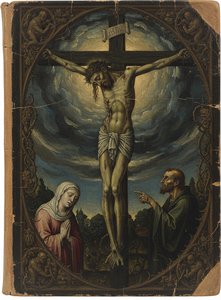
Crucifixion

Олійная репродукція ручної роботи

Написана вручну олією на полотні у вашому розмірі та рамі, виготовлена на замовлення нашими художниками. ( Перейти до друку Перейти до цифрових зображень)

Опис експоната

Experience Matthias Grünewald's powerful 'Crucifixion' (1501), a stark black & white drawing from the Isenheim Altarpiece, showcasing intense emotion and masterful realism of Christ’s suffering.

Біографія митця

Відкрийте світ творчості Маттіаса Груневальда – німецького ренесансного живописця, відомого Ізнімським альтерп'єсом та драматичними полотнами середньовічної Республіки Гессен. Дізнайтесь більше про його стиль!

from ·

Chapter 1

How large should it be?

Slide to change the size; the picture on the left shows the frame at its real width. The proportions of the original are kept.

Стандартний розмір
індивідуальний розмір
CM
INCH

Обирайте з наших стандартних розмірів, що відповідають оригінальним пропорціям твору мистецтва.

ширина
висота

Введіть необхідну ширину та висоту, щоб картина підійшла до вашої рами або стіни. Оскільки це ручний розпис, для зміни пропорцій художник може дописати трохи більше по краях або дещо обрізати композицію — вибір за вами. Перед початком роботи ми надішлемо вам цифровий макет для затвердження. Зображення, показане на цій сторінці, не є реальним результатом — лише макет відображає майбутній вигляд.

Chapter 2

How should it arrive?

Choose the edges of the stretched canvas

Choose your frame

Corner sample of the WhiteWrap canvas edge finish, stretched on масив дерева bars
White ₴1
Corner sample of the BlurSideWrap canvas edge finish, stretched on масив дерева bars
Blurside ₴1
Corner sample of the ExtendedWrap canvas edge finish, stretched on масив дерева bars
Extended ₴1
Corner sample of the P118B picture frame: формований полістирол, 5 cm wide and 3 cm thick
P118B ₴10
Corner sample of the P118H picture frame: формований полістирол, 5 cm wide and 3 cm thick
P118H ₴10
Corner sample of the P118W picture frame: формований полістирол, 5 cm wide and 3 cm thick
P118W ₴10
Corner sample of the P438Z picture frame: формований полістирол, 5.5 cm wide and 3.5 cm thick
P438Z ₴10
Corner sample of the P508JH picture frame: формований полістирол, 7 cm wide and 3.5 cm thick
P508JH ₴12
Corner sample of the P508YH picture frame: формований полістирол, 7 cm wide and 3.5 cm thick
P508YH ₴12
Corner sample of the P805H picture frame: формований полістирол, 5 cm wide and 3.5 cm thick
P805H ₴10
Corner sample of the P805Z picture frame: формований полістирол, 5 cm wide and 3.5 cm thick
P805Z ₴10
Corner sample of the P919BZ picture frame: формований полістирол, 7 cm wide and 3.5 cm thick
P919BZ ₴10
Corner sample of the P919G picture frame: формований полістирол, 7 cm wide and 3.5 cm thick
P919G ₴10
Corner sample of the P919XJ picture frame: формований полістирол, 7 cm wide and 3.5 cm thick
P919XJ ₴10
Corner sample of the P959ZH picture frame: формований полістирол, 5 cm wide and 3 cm thick
P959ZH ₴10
Corner sample of the P968JZ picture frame: формований полістирол, 6 cm wide and 4 cm thick
P968JZ ₴12
Corner sample of the W106C picture frame: масив дерева, 5 cm wide and 3 cm thick
W106C ₴8
Corner sample of the W218G picture frame: масив дерева, 5 cm wide and 3 cm thick
W218G ₴10
Corner sample of the W218JH picture frame: масив дерева, 5 cm wide and 3 cm thick
W218JH ₴8
Corner sample of the W218Y picture frame: масив дерева, 5 cm wide and 3 cm thick
W218Y ₴10
Corner sample of the W307PJ picture frame: масив дерева, 6 cm wide and 3 cm thick
W307PJ ₴10
Corner sample of the W316G picture frame: масив дерева, 6 cm wide and 3 cm thick
W316G ₴10
Corner sample of the W316PJ picture frame: масив дерева, 6 cm wide and 3 cm thick
W316PJ ₴8
Corner sample of the W316Y picture frame: масив дерева, 6 cm wide and 3 cm thick
W316Y ₴10
Corner sample of the W398PJ picture frame: масив дерева, 5 cm wide and 3 cm thick
W398PJ ₴8
Corner sample of the W4111J picture frame: масив дерева, 6.5 cm wide and 3.5 cm thick
W4111J ₴10
Corner sample of the W500HY picture frame: масив дерева, 7 cm wide and 5 cm thick
W500HY ₴15
Corner sample of the W500JH picture frame: масив дерева, 7 cm wide and 5 cm thick
W500JH ₴15
Corner sample of the W692G picture frame: масив дерева, 8 cm wide and 4 cm thick
W692G ₴12
Corner sample of the W849H picture frame: масив дерева, 5 cm wide and 3 cm thick
W849H ₴8
Corner sample of the W940BG picture frame: масив дерева, 7.5 cm wide and 4.5 cm thick
W940BG ₴15
Corner sample of the W953PJ picture frame: масив дерева, 6 cm wide and 3.5 cm thick
W953PJ ₴8
Corner sample of the H24-GOLD picture frame: різьблене дерево з левкасом, 10 cm wide and 6 cm thick
H24-GOLD ₴30
Corner sample of the H24-SILVER picture frame: різьблене дерево з левкасом, 10 cm wide and 6 cm thick
H24-SILVER ₴30
Corner sample of the H36-GOLD picture frame: різьблене дерево з левкасом, 15 cm wide and 6.5 cm thick
H36-GOLD ₴45
Corner sample of the H36-SILVER picture frame: різьблене дерево з левкасом, 15 cm wide and 6.5 cm thick
H36-SILVER ₴45

Moulding: . Overall size with the frame: .

Chapter 3

Who paints it, and should anything change?

Examples of what can be changed: Replace face with customer photo; Add pet (e.g., replace cat with dog); Include hidden message in background; Change background landscape or elements.
After order, OriginalUniqueArt.com team will email client for instructions and provide a mockup preview

Доставка по всьому світу () за 3–4 тижні замість стандартних 5 тижнів. (2 Листопад). Без жодних компромісів у якості.

Chapter 4

The finishing touches

A nameplate, as in a museum?

Деталі гравірування на бронзовій табличці

This elegant plaque features the artist's name and the title of the artwork, finely engraved for a timeless presentation.

It is made from bronze with a refined, elegant finish. The text is precisely laser-engraved for a sharp and permanent result. Measuring 9x2 cm, the plaque is compact yet easy to read. It's built to be durable and scratch-resistant, offering a professional, museum-quality look. Mounting is simple thanks to the included adhesive backing.

Деталі прозорої акрилової таблички

The plaque includes essential engraved details such as the artist's name, the title of the artwork, the date it was created, the type of media used-like oil on canvas or watercolor-a brief description of the piece, and a QR code that links to the complete artwork information.

It is crafted from clear acrylic, offering a sleek, modern appearance. The text is UV-engraved in black to ensure strong visual contrast. With a size of 10x15 cm, it ensures optimal readability. It comes equipped with two metal hooks for secure wall mounting. The plaque is designed to be weather-resistant, making it suitable for various environments, and it includes interactive features that work seamlessly with smartphone scanning.

Деталі чорної акрилової таблички

This elegant plaque includes engraved information such as the artist's name, the title of the artwork, the date it was created, the type of media used (like oil on canvas or watercolor), a short description of the artwork, and a QR code for quick access to more information.

The plaque itself is made from refined black acrylic with a premium finish. The text is laser-engraved in white for high contrast and readability. Its size is 10x15 cm, designed to be easy to read. It comes with two metal hooks for professional mounting. The design is sleek and fits any interior style. It is also weather-resistant and durable, with built-in digital integration for mobile compatibility.

A protective varnish?

When do you need it?

Chapter 5

Your painting, as you ordered it

Crucifixion

Матеріал репродукції

Розмір репродукції

-

Видатний майстер-художник

Більше деталізації, витонченості та додаткового часу на створення твору

-

Рама для репродукції

-

-

Для творів мистецтва або репродукцій, розмір яких перевищує 105 см (приблизно 41 дюйм) з будь-якого боку, рама доставляється у вигляді розібраного комплекту. Такий метод гарантує безпечну доставку та запобігає пошкодженням під час транспортування.

Потребує професійного збирання — це не продукт для самостійного виготовлення (DIY).
Комплект має бути зібраний, а полотно натягнуте досвідченим майстром багетних робіт із використанням клейового дерева (не входить у комплект), щипців для натягування полотна та затискачів, щоб підрамник залишався рівним під час висихання клею. Неправильне збирання або нерівномірне натягування полотна може призвести до незворотного пошкодження твору мистецтва, що не підпадає під дію нашої гарантії.

  • У комплект входять усі бруски з цільного дерева, точно вирізані за розміром.

  • Збирається за допомогою гвинтів, що входять до комплекту, а також клейового розчину для кутових з'єднань, який не входить до комплекту і має бути підготовлений вашим майстром.

  • Потрібні професійні інструменти, які не входять до комплекту: щипці для натягування полотна (натягувач) та затискачі, щоб утримувати рейки рівно під час висихання клею.

Важливо:
Для з'єднання кутів потрібен клей для дерева, перекладини необхідно затиснути струбцинами до повного висихання клею, а для натягування полотна на зібрану раму знадобляться щипці для натягування полотна. Жоден із цих інструментів не входить до комплекту. Будь ласка, проконсультуйтеся з досвідченим майстром багетного оформлення перед замовленням рами такого розміру.

Етикетка експоната

-

-

Захисний лак

Глянцевий лак (підсилює яскравість кольорів, захищає від світла та вологи)

-

Персоналізувати мій витвір

Приклади можливих змін: заміна обличчя на фото клієнта; додавання домашньої тварини (наприклад, заміна кота на собаку); додавання прихованого повідомлення на фоні; зміна пейзажу або елементів фону.

-

Прискорено

Доставка по всьому світу () за 3–4 тижні замість стандартних 5 тижнів. (2 Листопад). Без компромісів у якості.

-

Експрес-доставка

Доставка по всьому світу () протягом 5 тижнів. (9 Листопад).

Включено в ціну

Підсумкова вартість

₴ 13535

Загальна вартість ₴ 13535

Скляний варіант доступний лише для розмірів до 110 см

Included with every order

  • Безкоштовна експрес-доставка по всьому світу
  • Високоякісне лляне полотно
  • Повне страхове покриття доставки
  • Гарантія повернення митних зборів
  • Гарантія точного відтворення кольорів
  • Політика повернення протягом 100 днів (лише у разі виявлення дефектів)
  • Гарантія повернення 100% коштів
  • Пропозиція на оптові замовлення

A Glimpse into the Soul of a Master: The Crucifixion by Matthias Grünewald

Matthias Grünewald’s “Crucifixion,” painted around 1501, isn't merely a depiction of a pivotal moment in Christian history; it’s an immersive experience—a visceral plunge into the depths of human suffering and profound spiritual contemplation. Born in Würzburg around 1470, Grünewald stood as a bridge between the vibrant hues and dynamic compositions of the late medieval period and the burgeoning realism of the early Renaissance. Unlike his Italian contemporaries who embraced classical ideals, Grünewald remained firmly rooted in the traditions of Northern Europe, imbuing his work with an intensely emotional quality that continues to resonate centuries later. This particular “Crucifixion” – a panel from the Isenheim Altarpiece – is a testament to this devotion, a stark and unforgettable image born not of idealized beauty but of raw, unvarnished truth.

The painting immediately commands attention with its deliberate monochrome palette. Shades of grey—ranging from near-white highlights on Christ’s body to deep, impenetrable blacks in the shadows—create an atmosphere of profound solemnity and dramatic intensity. This restricted color scheme isn't a limitation; it’s a strategic choice that amplifies the emotional impact, stripping away any distractions and forcing the viewer to confront the brutal reality of the scene. The composition itself is powerfully vertical, emphasizing the height of the cross—a symbol of both Christ’s sacrifice and humanity’s fall. Christ's torso and limbs are centrally positioned, drawing the eye directly to his suffering, while the truncated base of the cross subtly suggests a sense of confinement and vulnerability.

The Language of Line and Texture: Technique and Craftsmanship

Grünewald’s mastery lies not just in his understanding of color and composition but also in his meticulous technique. The painting is executed primarily through hatching and cross-hatching—a method of creating tonal variations by layering lines of differing densities. This painstaking process generates a remarkable sense of texture, allowing the artist to convincingly simulate the rough grain of the wooden cross, the folds of Christ’s loincloth, and even the thorny crown piercing his head. The musculature of Christ's body is rendered with astonishing anatomical accuracy, reflecting Grünewald’s deep observation of human form—a hallmark of Northern Renaissance art. The strong, defined lines delineate every contour, creating a sense of both vulnerability and immense strength.

Furthermore, the artist employs subtle shifts in value to create depth and volume. The highlights on Christ's body draw attention to his wounds, while the shadows accentuate the contours of his form, lending him an almost sculptural quality. The overall effect is one of intense realism—a deliberate departure from the idealized representations common in Italian Renaissance art. This commitment to portraying suffering with unflinching honesty speaks volumes about Grünewald’s artistic vision and his profound engagement with the subject matter.

Symbolism, Suffering, and Spiritual Resonance

Beyond its technical brilliance, “The Crucifixion” is rich in symbolic meaning. The starkness of the image—the absence of color, the brutal depiction of Christ’s suffering—serves to heighten the emotional impact and underscore the profound spiritual weight of the scene. Christ's emaciated body, riddled with wounds and pierced by nails, embodies the ultimate sacrifice for humanity’s sins. The surrounding figures – Saint Sebastian, Saint Anthony, Mary Magdalene, and John the Baptist – each contribute to the narrative, representing themes of martyrdom, compassion, repentance, and divine grace. The inclusion of John the Baptist pointing towards Christ is a clear reference to the Gospel accounts, emphasizing the significance of his sacrifice as the fulfillment of prophecy.

The painting’s origins within the Isenheim Altarpiece—a work designed for a hospital dedicated to treating plague sufferers—add another layer of meaning. Grünewald's choice of monochrome and his unflinching portrayal of suffering were intended to provide comfort and solace to those afflicted with illness, reminding them that Christ shared in their pain and offered hope amidst despair. “The Crucifixion” is therefore not simply a historical depiction but a powerful meditation on faith, suffering, and redemption—a timeless masterpiece that continues to move viewers centuries after its creation.

Further Research: For more detailed information, consider visiting the National Gallery of Art’s website for a high-resolution image and accompanying text. You can also explore Wikipedia’s entry on Matthias Grünewald for biographical details and historical context, or delve into articles like “Crucifixion, by Matthias Grünewald” on Christian Century.

Питання та відповіді

Де я можу знайти твори мистецтва, схожі на «Crucifixion» роботи Матіас Груневальд?

Схожі твори мистецтва зібрані на сторінці Схожі твори для роботи «Crucifixion» роботи Матіас Груневальд.

Яка техніка була використана для створення «Crucifixion» і коли цей твір було створено?

«Crucifixion» було створено у 1502 році з використанням техніки Acrylic On Canvas. Матеріал та дата описують, як і коли було створено оригінал.

Чи дозволяє авторське право на «Crucifixion» роботи Матіас Груневальд створення репродукцій?

«Crucifixion» роботи Матіас Груневальд, що зберігається в Staatliche Kunsthalle Karlsruhe, є є суспільним надбанням — термін дії авторського права закінчився. Цей статус визначає можливість створення репродукцій зображення.

More about this painting

Переглянути в інтер'єрі Перегляд в AR Перейти до друку Перейти до цифрових зображень Надіслати як листівку
Деталі витвору Посібник Додати до улюблених Завантажити Схожі екземпляри Рентгенівське дослідження Слайд-шоу Q&A Статистика

In numbers

  • 1502the year it was painted
  • 29frames to choose from
  • standard sizes, in its own proportions
  • 5weeks to paint and deliver it
Матіас Груневальд

Матіас Груневальд

1480 - 1528, Німеччина

Quick facts about Матіас Груневальд

  • Artistic Movement Or Style: Ренессанс Северной Европы
  • Artists Or Movements Influenced By This Artist: ['Альбрехт Дюрер']
  • Artists Who Influenced This Artist:
    • Альбрехт Дюрер
    • Мартин Шонгауэр
  • Date Of Birth: Прибл. 1470 г.
  • Date Of Death: 31 августа 1528 г.
  • Full Name: Матиас Груневальд
  • Nationality: Германия
  • Notable Artworks:
    • Альтерпис Изехайм
    • Крестусьон
  • Place Of Birth: Вюрцбург, Германия

Біографія митця

Маттіас Груневальд: Життя та спадщина

Ранні роки та мистецькі витоки

Маттіас Груневальд, народився як Матіс Готтард Нейхардт приблизно в 1470–1а75 роках у Вюрцбурзі, Німеччина, і став ключовою постаттю німецького Відродження. Попри те, що він жив у епоху, яка перебувала під дедалі більшим впливом ідеалів італійського Ренесансу, Груневальд залишався глибоко вкоріненим у художніх традиціях пізнього середньовіччя Центральної Європи. Деталі його раннього життя є досить скупими, проте відомо, що він здобув художню освіту, ймовірно, у місцевих майстернях.

Мистецький розвиток та впливи

Мистецький шлях Груневальда формувався під впливом панівних північноєвропейських традицій реалізму, емоційної інтенсивності та прискіпливої уваги до деталей. У його роботах простежується вплив таких майстрів, як Альбрехт Дюрер та Мартін Шонгауер, проте він проклав власний унікальний шлях, що вирізнявся драматичною експресією та яскравим колоритом. Він не був безпосередньо пов'язаний із гуманістичними колами, які панували в Італії; натомість його мистецтво слугувало переважно релігійним цілям, відображаючи духовні тривоги його часу.

Головні твори та художній стиль

  • Ізнімський вівтар (1512–1516): Цей шедевр, що зберігається в Музеї Унтерлінден у Кольмарі, вважається magnum opus Груневальда. Він з жахом реалістично зображує сцени з життя Христа, зосереджуючись на темах страждання та спокути.
  • <лі>Розп'яття (бл. 1502–1503): Рання робота, що демонструє його стиль у процесі становлення, виявляючи глибоку емоційність та анатомічну точність.
  • Дівчина Благовіщення (1512–14): Етюд до Ізнімського вівтаря, який розкриває його ретельний процес планування композиції.
  • Мойсей (1511): Графіка, що підкреслює майстерність Груневальда у відтворенні експресивних постатей та драматичних поз.

Мистецький стиль Груневальда вирізняється такими рисами:

  • Драматична композиція: Він використовував динамічні побудови для посилення емоційного впливу на глядача.
  • Яскрава палітра кольорів: Використання насичених, часто контрастних кольорів створювало потужний візуальний досвід.
  • Реалістичне зображення страждань: Груневальд не уникав зображення фізичного та душевного болю, притаманного релігійним сюжетам.
  • la
  • Експресивні постаті: Його персонажі сповнені сильних емоцій та психологічної глибини.

Історичне значення та спадщина

Творчість Груневальда є свідченням незламної сили середньовічних художніх традицій Німеччини в епоху Відродження. Він став містком між стилем пізньої готики та новою ерою Ренесансу, створивши унікальну візуальну мову, яка знаходила відгук у серцях сучасників. Його вплив можна побачити в роботах пізніших німецьких художників, які продовжували досліджувати теми релігійного запалу та емоційної напруги. Хоча після його смерті в 1528 році про нього майже забули на кілька століть, у XIX столітті відбулося відродження інтересу до його постаті, і сьогодні він визнаний одним із найважливіших живописців німецького Відродження. Його мистецтво продовжує захоплювати глядачів своєю щирою емоційністю, технічною досконалістю та глибокою духовною глибиною.

Для подальшого дослідження

Дізнайтеся більше про життя та творчість Маттіаса Груневальда на: OriginalUniqueArt

Основна інформація

  • Medium: Drawing/Engraving
  • Notable elements: Dramatic shading, realism
  • Artistic style: Expressionism, detailed
  • Dimensions: 531 x 320 cm
  • Location: Museums (various)
  • Title: Crucifixion

Квіз про мистецтво

У кожному запитанні лише одна правильна відповідь.

Запитання 1:
What is the primary subject matter of Matthias Grünewald’s ‘Crucifixion’?
Запитання 2:
What artistic tradition heavily influenced Matthias Grünewald’s style, as evidenced in ‘Crucifixion’?
Запитання 3:
The monochrome color palette of ‘Crucifixion’ primarily serves to:
Запитання 4:
What is the significance of the use of hatching and cross-hatching in ‘Crucifixion’?
Запитання 5:
Considering the historical context of the Isenheim Altarpiece, what was a primary purpose of Grünewald’s work?