- Додому

- Друк на полотні
- mathieu jacquet
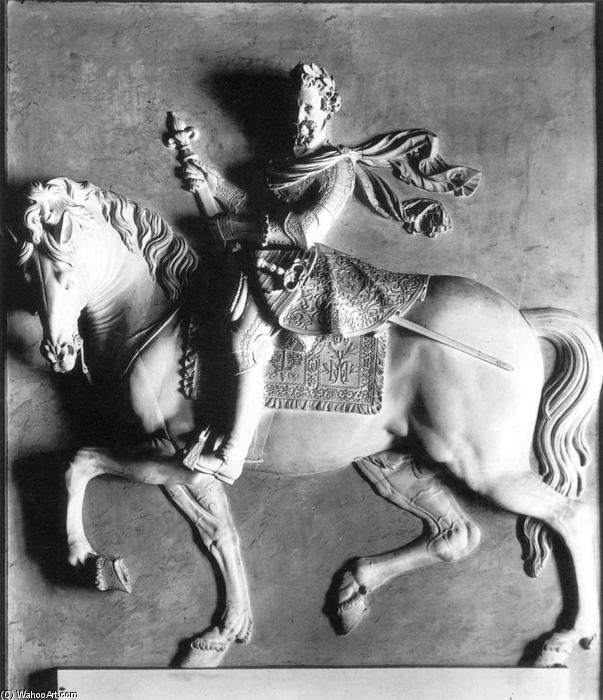
- Henry IV
 Замовити репродукцію Купити цифрове зображення
 Надіслати
 Поділитися
 Деталі витвору
 Додати до улюблених

 Завантажити
 Схожі вироби
 Рентгенівське дослідження
 Слайд-шоу
Henry IV

 Розгорнути текст
Гікле / Художній принт
Музейна якість друку جيкле або на полотні з оперативним виготовленням та різноманітними варіантами фінішної обробки.




































Обирайте з наших стандартних розмірів, що відповідають оригінальним пропорціям твору мистецтва.

Ви можете вказати власні розміри, щоб репродукція ідеально підійшла до конкретної рами або інтер'єру. Якщо обраний вами розмір не відповідає пропорціям оригіналу, ми або обріжемо полотно, або розширимо зображення за допомогою дзеркального відображення чи суцільної заливки країв. Перед початком виробництва вам буде надіслано цифровий макет для затвердження.
Будь ласка, зверніть увагу, що попередній перегляд на екрані не відображає фактичне обрізання або розширення. Тільки макет точно покаже фінальну композицію.
Хоча можливість замовлення індивідуальних розмірів доступна, ми рекомендуємо обирати формат із попередньо визначеного списку, щоб зберегти оригінальні пропорції.
Доставка по всьому світу () за 2 тижні замість стандартних 4/5 тижнів. (23 Липень)

Безкоштовна експрес-доставка по всьому світу

Високоякісне лляне полотно

Повне страхове покриття доставки

Гарантія відшкодування митних зборів

Гарантія точного відтворення кольорів

Політика повернення протягом 60 днів (лише у разі виявлення дефектів)

Гарантія повернення 100% коштів

Знижка на багатоелементні замовлення
 Скляний варіант доступний лише для розмірів до 110 см

Henry IV
Гікле / Художній принт
Розмір репродукції
-


Підсумкова ціна
-
Біографія митця
Mathieu Jacquet: A Renaissance Sculptor Bridging Tradition and Majesty
Mathieu Jacquet, born in Avon, France around 1545, stands as a pivotal figure within the French Renaissance artistic landscape—a sculptor whose meticulous craftsmanship and humanist sensibilities captured the spirit of his era while simultaneously honoring established sculptural conventions. Though biographical details remain somewhat sparse, surviving documentation confirms his prolific output during Henry IV’s reign (1589-1611), cementing his reputation as one of the most celebrated artists of his time. Jacquet's formative years were steeped in the artistic fervor of Dijon, Burgundy—a region renowned for its patronage and burgeoning intellectual curiosity. His father, Jean Jacquet, was a stonemason and sculptor himself, instilling in Mathieu a foundational understanding of material manipulation and sculptural technique. This familial legacy undoubtedly shaped his early artistic inclinations, fostering an appreciation for both classical ideals and the expressive potential inherent within Burgundian sculpture traditions. Evidence suggests he studied under Nicolas Froment, a prominent Dijon sculptor known for his monumental funerary monuments—a crucial exposure to the grandeur and solemnity demanded by aristocratic commissions. Jacquet’s oeuvre is characterized by a remarkable blend of stylistic influences. While firmly rooted in Roman sculptural models—particularly those derived from antiquity—he skillfully incorporated elements of Mannerism, reflecting the anxieties and complexities of the period. This duality manifests itself most notably in his monumental sculptures commissioned for royal palaces and churches, where he achieved breathtaking realism alongside stylized poses and dramatic drapery folds. The sculptor’s meticulous attention to detail—evident in the exquisitely carved musculature of figures and the subtle nuances of facial expressions—demonstrates a mastery of anatomical observation unparalleled by many contemporaries. Among Jacquet's most enduring achievements is undoubtedly his portrait of Henry IV, commissioned for Sainte-Chapelle in Paris. This masterpiece exemplifies Jacquet’s ability to convey psychological depth within a formal sculptural framework. The regal posture and serene countenance of the king are rendered with astonishing accuracy, capturing not merely physical likeness but also an aura of authority and piety—a reflection of Henry IV's ambition to reconcile Protestantism and Catholicism after decades of religious strife. The sculpture’s pyramidal composition reinforces its solemn grandeur, emphasizing the monarch’s divine legitimacy and securing his place in Parisian artistic memory. Furthermore, Jacquet’s influence extended beyond individual commissions; he actively mentored younger sculptors, fostering a tradition of excellence that continued throughout the seventeenth century. His teachings emphasized anatomical precision alongside expressive dynamism—principles that would become hallmarks of French Baroque sculpture. Mathieu Jacquet's legacy resides not only in his stunning artworks but also in his contribution to shaping the artistic sensibilities of an entire generation—a testament to his enduring significance as a sculptor and humanist artist who eloquently embodied the ideals of the Renaissance.
mathieu jacquet
1545 - 1611 , France
Короткі факти
- Artistic Movement Or Style: Renaissance Art
- Artists Or Movements Influenced By This Artist: ['Raphael']
- Artists Who Influenced This Artist: ['Michelangelo']
- Date Of Death: 1611
- Full Name: Mathieu Jacquet
- Nationality: French
- Notable Artworks: ['Henry IV Portrait']
- Place Of Birth: Avon, France

