Переглянути в інтер'єрі
 Надіслати
 Поділитися
 Деталі
 Посібник

 Завантажити
 Схожі предмети колекціонування
 Рентгенівське дослідження
 Слайд-шоу
 Статистика переглядів
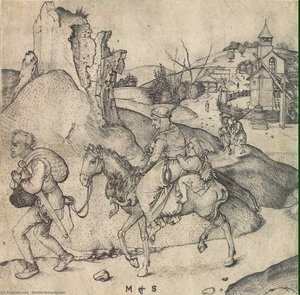
A Foolish Virgin
 Engraving
- WallArt
- Renaissance
 1480
1480- Renaissance
 143.0 x 108.0 cm
 Національна галерея мистецтв
 Читати далі
Гікле / Художній принт
Музейна якість друку جيкле або на полотні з оперативним виготовленням та різноманітними варіантами фінішної обробки. ( Купити картину ручної роботи Перейти до цифрових зображень)




P118B ₴10

P118H ₴10

P118W ₴10

P438Z ₴10

P508JH ₴12

P508YH ₴12

P805H ₴10

P805Z ₴10

P919BZ ₴10

P919G ₴10

P919XJ ₴10

P959ZH ₴10

P968JZ ₴12

W106C ₴8

W218G ₴10

W218JH ₴8

W218Y ₴10

W307PJ ₴10

W316G ₴10

W316PJ ₴8

W316Y ₴10

W398PJ ₴8

W4111J ₴10

W500HY ₴15

W500JH ₴15

W692G ₴12

W849H ₴8

W940BG ₴15

W953PJ ₴8




Обирайте з наших стандартних розмірів, що відповідають оригінальним пропорціям твору мистецтва.

Введіть необхідну ширину та висоту, щоб принт ідеально підійшов до вашої рами або стіни. Принт можна лише обрізати, але не можна зробити більшим за оригінал, тому при зміні пропорцій частина зображення буде втрачена. Перед друком ми надсилаємо вам цифровий макет для затвердження. Зображення на цій сторінці не відображає реальну обрізку — її можна побачити лише на макеті.
Доставка по всьому світу () за 2 тижні замість стандартних 4/5 тижнів. (23 Жовтень)

Безкоштовна експрес-доставка по всьому світу

Високоякісне лляне полотно

Повне страхове покриття доставки

Гарантія повернення митних зборів

Гарантія точного відтворення кольорів

Політика повернення протягом 100 днів (лише у разі виявлення дефектів)

Гарантія повернення 100% коштів

Знижка на оптові замовлення
 Скляний варіант доступний лише для розмірів до 110 см

A Foolish Virgin
Гікле / Художній принт
Розмір репродукції
-


Загальна вартість
₴ 3589
A Foolish Virgin by Martin Schongauer: A Window into Northern Renaissance Symbolism
Martin Schongauer’s “A Foolish Virgin,” created around 1480, stands as a testament to the meticulous artistry of late fifteenth-century German printmaking and offers a profound glimpse into the intellectual currents of the Northern Renaissance. This engraving, part of Schongauer's ambitious series illustrating the biblical tale of the five wise virgins and five foolish virgins—a narrative deeply rooted in Christian morality—captures a moment of quiet contemplation that speaks volumes about its era.Composition and Technique: Precision Embodied
The artwork’s central focus is undeniably the woman depicted in three-quarter view, positioned prominently within the frame. Schongauer's masterful technique—copper engraving—demonstrates an unparalleled level of detail achieved through a painstaking process. Lines are scratched into a metal plate with considerable precision, followed by ink application and printing onto paper. The resulting image showcases exceptional tonal gradation thanks to hatching and cross-hatching techniques; these meticulous lines create subtle variations in shading that imbue the figure with palpable depth and texture—a hallmark of Northern Renaissance artistic sensibilities. Notice how Schongauer skillfully employs size diminution to convey a sense of perspective, subtly diminishing the background details to emphasize the woman’s presence and inner state.Symbolism and Emotional Resonance: Distraction Versus Vigilance
Beyond its technical brilliance, “A Foolish Virgin” is laden with symbolic significance. The woman's downward gaze—a gesture frequently interpreted as representing preoccupation or distraction from spiritual matters—contrasts sharply with the object held in her hands. This item, rendered with understated detail, symbolizes the foolish virgins’ lack of preparedness for the impending judgment. Schongauer’s deliberate choice to depict this scene evokes a melancholic mood, prompting viewers to consider themes of faith, vigilance, and the consequences of neglecting spiritual devotion—central concerns within the broader context of Renaissance humanist thought.Historical Context: The Legacy of Rogier van der Weyden
Schongauer's artistic training under Rogier van der Weyden profoundly shaped his approach to portraiture. Van der Weyden’s influence is evident in Schongauer’s meticulous attention to anatomical accuracy and the expressive rendering of drapery—characteristics that align seamlessly with the prevailing stylistic trends of Early Netherlandish painting. This connection underscores the interconnectedness of artistic movements during the Renaissance, demonstrating how artists drew inspiration from their predecessors while forging distinct visual vocabularies.A Reproduction Worth Admiring
OriginalUniqueArt offers exceptional reproductions of “A Foolish Virgin,” allowing art enthusiasts to experience Schongauer’s masterpiece in stunning detail and color fidelity. Each print is crafted with archival inks on premium canvas, ensuring that its beauty and artistic integrity endure for generations to come—a fitting tribute to this iconic work of Northern Renaissance art.Запитання та відповіді
Яке місце посідає "A Foolish Virgin" серед постійних тем Мартин Шонґауер?
«A Foolish Virgin» змальовує virgin mary, engraving, renaissance, portraiture, religious art, german art, line art, symbolism, тоді як зафіксовані теми Мартин Шонґауер — це northern renaissance style, early german printmaking, flemish painting influence, virgin's humility & folly, medieval morality themes, rise of individual portraiture, schongauer's engraving skill, foundation for later works. Порівняння цих двох аспектів демонструє, як цей твір перегукується зі звичними сюжетами митця.
Яка дата створення «A Foolish Virgin» Мартин Шонґауер?
«A Foolish Virgin» Мартин Шонґауер було створено у 1480 році.
Який розмір друку "A Foolish Virgin" обрати для моєї кімнати?
Рекомендоване поєднання для «A Foolish Virgin» Мартин Шонґауер: принт розміром Large у Lounge.
Біографія митця
Martin Schongauer: The Pioneer of Northern Printmaking
Martin Schongauer (c. 1450–53, Colmar – February 2, 1491, Breisach) stands as a monumental figure in the history of European art and printmaking—a testament to artistic innovation and enduring influence during the Northern Renaissance. Born into a family of artisans rooted in Augsburg’s goldsmithing tradition, Schongauer's formative years instilled within him a meticulous attention to detail and mastery of metalworking techniques that would profoundly shape his groundbreaking approach to engraving. Unlike many artists of his time who embraced Italian artistic ideals, Schongauer remained steadfastly devoted to German Gothic traditions and the pioneering achievements of Early Netherlandish painters—a fusion that distinguishes his oeuvre and secures its place as a pivotal bridge between medieval artistry and Renaissance aesthetics.- Early Life & Training: Schongauer’s father, Caspar Schongauer, was a respected goldsmith who migrated to Colmar around 1440, establishing a guild presence that demanded five years of residency. This familial background provided him with invaluable foundational skills—precision and meticulous craftsmanship—directly transferable to the demanding art of engraving. He attended the University of Leipzig briefly in 1465 but swiftly abandoned academic pursuits to dedicate himself entirely to artistic endeavors.
- Artistic Style & Influences: Schongauer’s distinctive style is characterized by a harmonious blend of Gothic elegance and emerging Renaissance realism. His engravings eschewed Italian stylistic conventions, instead drawing inspiration from German Gothic traditions and the groundbreaking techniques pioneered by Rogier van der Weyden and other Early Netherlandish masters. This careful consideration for detail—evident in his depictions of drapery folds, facial expressions, and naturalistic flora—became a hallmark of Schongauer’s artistic vision.
Major Achievements & Artistic Output
Schongauer achieved international renown as an engraver, surpassing even Albrecht Dürer in prominence during his lifetime. His prolific output consisted of 116 engravings—a staggering accomplishment considering the technological challenges inherent in the craft—each bearing his monogram (“M†S”). These prints disseminated Schongauer’s artistic style across Europe, profoundly impacting printmaking techniques and establishing him as a cornerstone of Northern Renaissance art.- Iconic Engravings: Among Schongauer's most celebrated works are *The Temptation of Saint Anthony*, *The Adoration of the Shepherds*, and numerous biblical scenes—each demonstrating his unparalleled command of engraving artistry. His meticulous rendering of textures, shading, and perspective achieved a level of realism previously unattainable in printmaking, elevating it to an art form worthy of comparison with painting.
- Influence on Michelangelo: Notably, Michelangelo himself studied Schongauer’s *The Trial of Saint Anthony*, recognizing its exceptional quality and demonstrating the widespread admiration for Schongauer's artistic prowess among his contemporaries. This collaboration cemented Schongauer’s legacy as a formative influence on one of the Renaissance’s greatest sculptors.
Historical Significance & Legacy
Martin Schongauer’s contribution to art history transcends mere stylistic innovation; he fundamentally reshaped the artistic landscape of his era, establishing himself as the first German artist to achieve international acclaim as an engraver. His prints served as a catalyst for disseminating Northern Renaissance ideals across Europe—inspiring artists like Albrecht Dürer and Raphael—and securing his place as a pivotal figure in bridging the gap between Gothic art and the burgeoning Renaissance movement. Schongauer’s unwavering commitment to artistic detail and stylistic integrity ensured that his work would endure, captivating audiences centuries later with its beauty and sophistication. His legacy continues to inspire artists today who strive for excellence and seek to capture the essence of human experience through masterful craftsmanship.Death & Remembrance
Martin Schongauer passed away in Breisach on February 2, 1491—leaving behind a remarkable body of work that remains celebrated for its artistic merit and historical significance. His engravings continue to fascinate scholars and art enthusiasts alike, serving as enduring symbols of Northern Renaissance artistry and demonstrating the transformative power of innovation within the visual arts.
Мартин Шонґауер
1450 - 1491 , Франція
Довідкова інформація
- Artistic Movement Or Style: Северный Ренессанс, Готика
- Artists Or Movements Influenced By This Artist: ['Альбрехт Дюрер']
- Artists Who Influenced This Artist:
- Робьер ван дер Вейден
- Каспар Иземанн
- Date Of Birth: Прибл. 1450 р.
- Date Of Death: 2 февр. 1491 г.
- Full Name: Martin Schongauer
- Nationality: Эльзасский
- Notable Artworks:
- Мадонна Розового сада
- Святой Антоний и Змей
- Place Of Birth: Кьольмар, Эльзас (Франция)
Схожі статті

Giclée Prints: Archival Quality & Aesthetic Nuances for the Discerning Collector
Explore the world of giclée prints with OriginalUniqueArt. Learn about archival quality, aesthetic nuances & investment potential. Expert guidance for discerning art collectors seeking museum-quality reproductions and lasting value.

Engraving: A Historical Survey of Technique, Artistic Expression & Enduring Legacy
Explore the rich history of engraving with OriginalUniqueArt. Discover techniques, iconic artists like Dürer & Callot, collecting tips, and expert guidance for preserving your art investment. Learn about intaglio printing & more!

The Enduring Legacy of Fine Art Prints: Technique, History & Aesthetic Impact
Explore the rich history & techniques of fine art prints. Discover investment potential, assess authenticity, and learn how to preserve your collection with expert guidance. Trusted insights for discerning collectors.

The Intricate World of Engraving: A Historical Survey of Technique, Artistic Expression & Enduring Legacy
Explore the rich history of engraving with OriginalUniqueArt. Discover techniques, iconic artists like Dürer & Callot, collecting tips, and expert guidance for preserving your art investment. Learn about intaglio printing & more!
Топ-10 легендарних гравюр, що змінили мистецтво назавжди | OriginalUniqueArt.com
Відкрийте для себе 10 легендарних гравюр від Дюрера, Гойї та Рембрандта! Історія мистецтва в деталях, техніки гравюри та шедеври, що змінили світ. Купуйте репродукції високої якості на OriginalUniqueArt.com.