 Переглянути в інтер'єрі
 Надіслати як листівку
 Поділитися
 Деталі витвору
 Посібник

 Завантажити
 Схожі екземпляри
 Рентгенівське дослідження
 Слайд-шоу
 Питання та відповіді
 Статистика
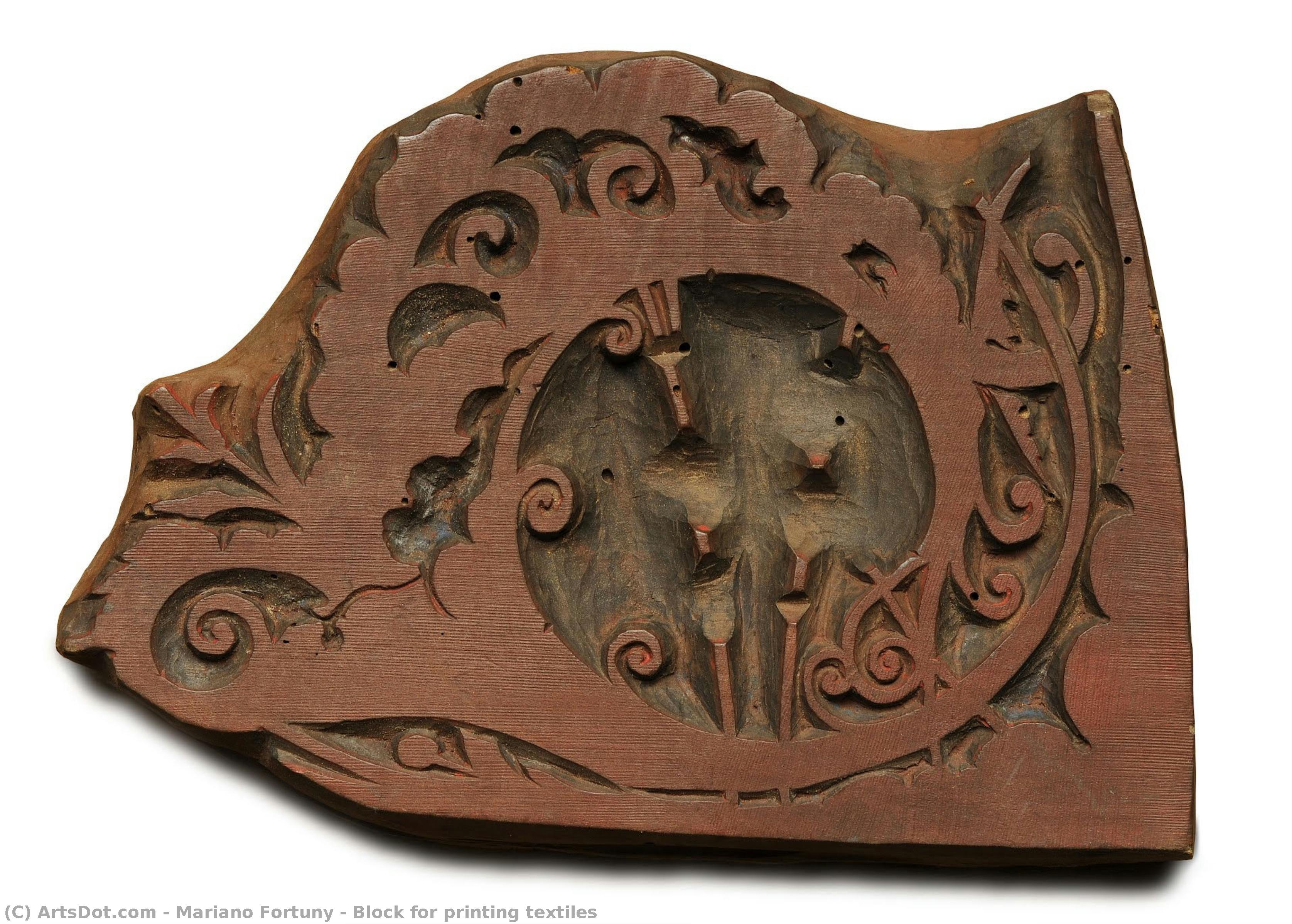
Block for printing textiles


 Розгорнути текст
Гікле / Художній принт
Друк جيкле або на полотні музейної якості з оперативним виготовленням та різноманітними варіантами фінішної обробки. ( Замовити картину ручної роботи Перейти до цифрових зображень)




P118B ₴10

P118H ₴10

P118W ₴10

P438Z ₴10

P508JH ₴12

P508YH ₴12

P805H ₴10

P805Z ₴10

P919BZ ₴10

P919G ₴10

P919XJ ₴10

P959ZH ₴10

P968JZ ₴12

W106C ₴8

W218G ₴10

W218JH ₴8

W218Y ₴10

W307PJ ₴10

W316G ₴10

W316PJ ₴8

W316Y ₴10

W398PJ ₴8

W4111J ₴10

W500HY ₴15

W500JH ₴15

W692G ₴12

W849H ₴8

W940BG ₴15

W953PJ ₴8




Обирайте з наших стандартних розмірів, що відповідають оригінальним пропорціям твору мистецтва.

Введіть необхідну ширину та висоту, щоб принт ідеально підійшов до вашої рами або стіни. Принт можна лише обрізати, але не можна зробити більшим за оригінал, тому при зміні пропорцій частина зображення буде втрачена. Перед друком ми надсилаємо вам цифровий макет для затвердження. Зображення на цій сторінці не відображає реальну обрізку — її можна побачити лише на макеті.
Доставка по всьому світу () за 2 тижні замість стандартних 4/5 тижнів. (6 Листопад)

Безкоштовна експрес-доставка по всьому світу

Високоякісне лляне полотно

Повне страхове покриття доставки

Гарантія повернення митних зборів

Гарантія точного відтворення кольорів

Політика повернення протягом 100 днів (лише у разі виявлення дефектів)

Гарантія повернення 100% коштів

Пропозиція на оптові замовлення
 Скляний варіант доступний лише для розмірів до 110 см

Block for printing textiles
Гікле / Художній принт
Розмір репродукції
-


Підсумкова вартість
₴ 3633
A Whisper of Geometry: Unveiling Mariano Fortuny’s ‘Block for Printing Textiles’
Mariano Fortuny y Madrazo, a name synonymous with the opulent elegance of 19th-century Spain and beyond, wasn't merely a painter; he was a revolutionary designer, a master craftsman, and an inventor who fundamentally reshaped the world of theatrical lighting and textile production. His ‘Block for Printing Textiles’ (1905), now meticulously reproduced by OriginalUniqueArt.com, offers a rare glimpse into this multifaceted genius – a tangible embodiment of his fascination with geometry, Celtic motifs, and the interplay of light and shadow. This isn't simply a decorative block; it’s a concentrated distillation of Fortuny’s artistic vision, a testament to his meticulous hand, and a window into a period of intense experimentation and innovation.
The Language of Form: Geometry and Celtic Echoes
At first glance, the block’s surface appears deceptively simple – a dense arrangement of swirling lines and geometric shapes rendered in shades of reddish-brown. However, closer inspection reveals a complex tapestry of interlocking patterns, echoing the intricate designs found in Celtic knotwork. Fortuny was deeply influenced by Orientalist art, particularly the decorative motifs of Morocco, but he also possessed a profound appreciation for ancient European traditions, evident in this subtle homage to the Celtic aesthetic. The precise execution suggests a deliberate attempt to capture not just visual form, but also the inherent dynamism and interconnectedness of these patterns – a concept central to Fortuny’s broader artistic philosophy.
A Legacy Forged in Light: Technique and Innovation
The creation of this block represents a pivotal moment in Fortuny's career. He was actively experimenting with new techniques for creating theatrical lighting, particularly his ‘cyclorama dome,’ a revolutionary device that utilized reflected light to create seamless transitions between scenes in grand opera houses. This block is believed to be a prototype or working model for these larger-scale installations – a miniature representation of the complex systems he devised to manipulate and control light. The meticulous carving demonstrates an extraordinary level of skill, requiring not only artistic vision but also a deep understanding of materials and their properties. Fortuny’s inventive spirit extended beyond lighting; his patents reveal a relentless pursuit of innovation in various fields, including textiles, ceramics, and even furniture design.
Beyond Decoration: Symbolism and the Fortuny Aesthetic
While undeniably beautiful, ‘Block for Printing Textiles’ transcends mere decorative function. It embodies Fortuny's broader aesthetic – one characterized by a harmonious blend of geometry, asymmetry, and a subtle sense of mystery. The swirling patterns evoke movement and dynamism, while the restrained color palette creates an atmosphere of sophisticated elegance. Fortuny sought to capture not just the appearance of reality but also its underlying essence—a pursuit reflected in his meticulous attention to detail and his innovative use of light and shadow. This block is a tangible manifestation of that quest – a miniature world brimming with artistic intention.
Collecting a Masterpiece: Reproduction and Preservation
OriginalUniqueArt.com offers high-quality, hand-painted reproductions of this extraordinary work by Mariano Fortuny. Each reproduction meticulously recreates the original block’s intricate details, capturing its unique texture and color palette. Choosing a reproduction allows you to bring this captivating piece into your home or office, celebrating Fortuny's legacy while preserving the integrity of his artistic vision. Explore our selection today and experience the enduring beauty of ‘Block for Printing Textiles.’
Питання та відповіді
Коли було створено "Block for printing textiles" і до якого художнього напряму воно належить?
«Block for printing textiles» було створено у 1905 році в межах течії Art Nouveau.
Чи є путівник до «Block for printing textiles» роботи Маріано Фортуньо?
Для «Block for printing textiles» роботи Маріано Фортуньо доступна сторінка Довідка для студентів: друкований інформаційний лист про витвір мистецтва, розроблений для студентів та використання в навчальному процесі.
Яка техніка виконання у «Block for printing textiles» роботи Маріано Фортуньо?
Для створення «Block for printing textiles» Маріано Фортуньо використав(ла) техніку Woodblock Print. Саме ця техніка визначає матеріальну природу оригінального твору.
Біографія митця
Early Life and Inspiration
Маріано Фортунь, видатний іспанський дизайнер моди та художник, народився 11 травня 1871 року в Гранаді, Іспанія. Його батько, Маріано Фортунь-Марсал, був жанровим живописцем, чия трагічна смерть у віці трьох років суттєво вплинула на подальший шлях життя сім’ї. Після смерті батька, мати Маріано переїхала до Парижа, Франція, де молодий художник отримав можливість познайомитися з різноманітними тканинами та матеріалами, які пізніше стали джерелом його творчої натхнення. З дитинства Маріано демонстрував виняткові артистичні здібності, оволодіваючи живописом, фотографією, скульптурою, архітектурою, гравюрами та театральним освітленням сцени. Його винаходи – понад двадцять запатентованих між 1901 і 1934 роками – революціонізували світ театрального дизайну. Він розробив фортунь-циклорам, півкулястий купол з гіпсову або тканину, який використовував непряме освітлення для створення безшовного переходу між сценами. Його трактат "еclairage scenique" (1904) описував його відкриття використання відбитого світла на різних поверхнях, що змінювало його колір, інтенсивність та властивості.Artistic Talents and Inventions
З раннього віку Маріано Фортунь демонстрував виняткові артистичні здібності, оволодіваючи живописом, фотографією, скульптурою, архітектурою, гравюрами та театральним освітленням сцени. Його винаходи, включаючи понад двадцять запатентованих між 1901 і 1934 роками, революціонізували світ театрального дизайну. Він розробив фортунь-циклорам – півкулястий купол з гіпсову або тканини, який використовував непряме освітлення для створення безшовного переходу між сценами. Його трактат "еclairage scenique" (1904) описував його відкриття використання відбитого світла на різних поверхнях, що змінювало його колір, інтенсивність та властивості.- Фортунь розробив фортунь-циклорам – півкулястий купол з гіпсову або тканини, який використовував непряме освітлення для створення безшовного переходу між сценами.
- Його трактат "еclairage scenique" (1904) описував його відкриття використання відбитого світла на різних поверхнях, що змінювало його колір, інтенсивність та властивості.
Notable Contributions and Collaborations
Роботи Маріано Фортуня отримали широку визнання у 1920-х роках. Він співпрацював з видатними постатями, включаючи:- Річарда Вагнера, німецького композитора, чиї опери надихали Маріано на створення сцен.
- Відомий театр Ла Скала в Мілані, де він встановив свій купол, адаптувавши його для більшого театру та розробивши систему вакуумного вентилятора для підтримки натягу.
Legacy and Later Life
Маріано Фортуня помер 3 травня 1949 року у Венеції, Італія. Його творчість надихнула французького романа Марселя Пруста, а його життя було зображене в романі Пере Геффєрі "Фортунь". Наслідки роботи Маріано Фортуня продовжують впливати на світ театрального дизайну. Він також був відомий своїми інноваціями у сфері моди, зокрема розробкою знаменитого плаття "Дельфос", яке стало символом епохи.Selected Paintings by Mariano Fortuny and Other Artists
- Маріано Фортунь: "Теаґоун" (музей мистецтв Бостона, США), доступний у колекції OriginalUniqueArt.
- Марк Шагал: "Дослідження до пісні Пірси" (наївне мистецтво / примітивізм), доступний у колекції OriginalUniqueArt.
- Пабло Пікассо: "Кларнет" (аналітичний кубізм, масляна живопис), доступний у колекції OriginalUniqueArt.
- Вінсент ван Го: "Корені дерев" (50 x 100 см, імпресіонізм, масляна живопис), доступний у колекції OriginalUniqueArt.

Маріано Фортуньо
1871 - 1949 , Іспанія
Короткі факти
- Artistic Movement Or Style: Орієнталізм
- Artists Or Movements Influenced By This Artist: ['Марсель Пруст']
- Artists Who Influenced This Artist: ['Річард Вагнер']
- Date Of Birth: 11 травня 1871
- Date Of Death: 3 травня 1949
- Full Name: Маріано Фортунь і Марсал
- Nationality: Іспанець
- Notable Artworks:
- Теаґоун
- Портрет Енріетти Фортунь
- Place Of Birth: Гранадa, Іспанія
Пов'язані статті

Mariano Fortuny: A Fusion of Art, Fashion & Design – Exploring a Venetian Innovator's Legacy
Explore the captivating world of Mariano Fortuny – artist, designer & innovator. Discover his revolutionary textiles, iconic Delphos gown, and lasting influence on art, fashion & interiors. A collector's guide to a Venetian master.

The Enduring Legacy of Woodblock Printmaking: Technique, History & Artistic Expression
Explore the rich history of woodblock printmaking – from ancient techniques to Ukiyo-e masterpieces. Discover expert insights on collecting, preserving & appreciating this enduring art form.

Giclée Prints: Archival Quality & Aesthetic Nuances for the Discerning Collector
Explore the world of giclée prints with OriginalUniqueArt. Learn about archival quality, aesthetic nuances & investment potential. Expert guidance for discerning art collectors seeking museum-quality reproductions and lasting value.

Echoes of Time: Exploring the Enduring Appeal & Historical Context of Vintage Art Prints
Explore the captivating world of vintage art prints! Discover their history, collecting tips & enduring appeal. Expert insights on chromolithography and building a legacy collection with OriginalUniqueArt.

The Enduring Legacy of Fine Art Prints: Technique, History & Aesthetic Impact
Explore the rich history & techniques of fine art prints. Discover investment potential, assess authenticity, and learn how to preserve your collection with expert guidance. Trusted insights for discerning collectors.
