

 Переглянути в інтер'єрі
 Надіслати як листівку
 Поділитися
 Детальніше

 Завантажити
 Схожі експонати
 Рентгенівське дослідження
 Слайд-шоу
 Статистика
Untitled (D7T2A8)


 Читати далі
Гікле / Художній принт
Музейна якість друку جيкле або на полотні з оперативним виготовленням та різноманітними варіантами фінішної обробки. ( Замовити репродукцію ручної роботи Перейти до цифрових зображень)




P118B $10

P118H $10

P118W $10

P438Z $10

P508JH $12

P508YH $12

P805H $10

P805Z $10

P919BZ $10

P919G $10

P919XJ $10

P959ZH $10

P968JZ $12

W106C $8

W218G $10

W218JH $8

W218Y $10

W307PJ $10

W316G $10

W316PJ $8

W316Y $10

W398PJ $8

W4111J $10

W500HY $15

W500JH $15

W692G $12

W849H $8

W940BG $15

W953PJ $8




Обирайте з наших стандартних розмірів, що відповідають оригінальним пропорціям твору мистецтва.

Ви можете вказати власні розміри, щоб репродукція ідеально підійшла до конкретної рами або інтер'єру. Якщо обраний вами розмір не відповідає пропорціям оригіналу, ми або обріжемо полотно, або розширимо зображення за допомогою дзеркального відображення чи суцільної заливки країв. Перед початком виробництва вам буде надіслано цифровий макет для затвердження.
Будь ласка, зверніть увагу, що попередній перегляд на екрані не відображає фактичне обрізання або розширення. Тільки макет точно покаже фінальну композицію.
Хоча можливість замовлення індивідуальних розмірів доступна, ми рекомендуємо обирати формат із попередньо визначеного списку, щоб зберегти оригінальні пропорції.
Доставка по всьому світу () за 2 тижні замість стандартних 4/5 тижнів. (16 Вересень)

Безкоштовна експрес-доставка по всьому світу

Високоякісне лляне полотно

Повне страхове покриття доставки

Гарантія відшкодування митних зборів

Гарантія точного відтворення кольорів

Політика повернення протягом 100 днів (тільки у разі виявлення дефектів)

Гарантія повернення 100% коштів

Пропозиція на оптові замовлення
 Скляний варіант доступний лише для розмірів до 110 см

Untitled (D7T2A8)
Гікле / Художній принт
Розмір репродукції
-


Підсумкова вартість
$ 80
A Window Into Surinam’s Hidden World: Examining Maria Sibylla Merian's “Untitled (D7T2A8)”
Maria Sibylla Merian’s “Untitled (D7T2A8),” a deceptively simple studio photograph of a black gown draped upon a mannequin, transcends its formal presentation to offer a glimpse into the extraordinary mind of a pioneering naturalist and artist. Captured in 1992, this image isn't merely documentation; it’s an invitation to contemplate Merian’s unwavering dedication to observing and representing the natural world with unparalleled precision—a pursuit that challenged societal expectations for women during the Baroque era and cemented her legacy as one of the foremost botanical illustrators of her time. The photograph itself is characterized by a masterful use of light, diffusing evenly across the fabric to minimize harsh shadows while highlighting its subtle textures. This deliberate choice underscores Merian’s meticulous attention to detail—a hallmark of her artistic practice that extended far beyond mere aesthetic beauty. The composition centers on the gown, mirroring the symmetry and balance inherent in Merian's scientific approach; it speaks to a desire for clarity and objectivity, qualities crucial to conveying the complexities of biological observation. Merian’s artistic style is undeniably rooted in Baroque aesthetics—a period marked by grandeur, ornamentation, and dramatic contrasts—yet tempered with an astonishing level of realism. Her technique involved painstakingly rendering insects and plants with meticulous accuracy, utilizing watercolor pigments mixed with gum arabic on paper treated with mordant to achieve vibrant colors and durable prints. This painstaking process demanded patience and precision, reflecting Merian’s belief that true understanding required immersing oneself fully in the subject matter. The resulting illustrations are not simply representations; they are miniature worlds brimming with life—a testament to Merian's profound respect for the interconnectedness of nature. The historical context surrounding Merian’s work is equally significant. During her lifetime, women faced considerable obstacles in pursuing scientific endeavors, often relegated to domestic roles and denied access to formal education. Yet, Merian defied these limitations, embarking on a daring expedition to Surinam—modern-day Suriname—a Dutch colony teeming with exotic flora and fauna. Her observations during this voyage revolutionized entomology and botany, providing invaluable data for understanding insect metamorphosis and plant reproduction. Furthermore, her illustrations served as crucial tools for disseminating scientific knowledge and advocating for conservation – an ambition remarkably forward-thinking for the 17th century. Beyond its technical brilliance, “Untitled (D7T2A8)” evokes a powerful emotional response—a sense of wonder at the beauty and intricacy of the natural world. The gown’s understated elegance serves as a counterpoint to Merian's groundbreaking scientific discoveries, reminding us that artistic expression can illuminate profound truths about our relationship with the environment. It encourages viewers to appreciate the legacy of a woman who dared to challenge convention and transform our understanding of the planet through her unwavering curiosity and unparalleled artistry.- Artist: Maria Sibylla Merian
- Year Created: 1992
- Medium: Watercolor pigment on paper
Біографія митця
A Life Unfurled: The Botanical Brilliance of Maria Sibylla Merian
Maria Sibylla Merian, born in Frankfurt in 1647, wasn’t merely an artist; she was a revolutionary observer, a pioneer who dared to challenge the conventions of her time and unveil the hidden wonders of the natural world. Her story is one of relentless curiosity, courageous exploration, and a profound connection to nature—a testament to a woman's ability to transcend societal expectations and leave an indelible mark on both art and science. Growing up amidst the vibrant trade and intellectual ferment of Frankfurt, Merian’s artistic journey began within her family circle. Her father, Matthäus Merian the Elder, was a renowned engraver and publisher, a master of visual representation whose legacy provided her with a foundational understanding of image-making. However, it was her stepfather, Jacob Marrel, a skilled still life painter, who truly nurtured her artistic inclinations, encouraging her drawing and painting from a young age—a rare opportunity for a woman in the 17th century. This early mentorship wasn’t limited to technique; it ignited within Merian an intense fascination with insects – a pursuit considered unusual, even eccentric, for a lady of that era. From childhood, she didn't simply depict butterflies and caterpillars; she possessed an insatiable desire to comprehend their complete life cycles, a remarkably progressive approach at a time when the prevailing belief was that insects spontaneously arose from mud or decaying matter.From European Gardens to Surinamese Rainforests
Merian’s artistic career blossomed in tandem with her scientific investigations. She received formal training under Marrel and his pupil, Abraham Mignon, honing her skills in rendering botanical details with exquisite precision—a testament to her dedication and talent. Her early works focused on the flora of Europe, culminating in publications like *Neues Blumenbuch* (“New Book of Flowers”), a stunning showcase of her ability to capture the delicate beauty of blossoms. Yet, it was her groundbreaking work on insect metamorphosis that truly distinguished her. Beginning in 1679 and concluding in 1683, she published *Der Raupen wunderbare Verwandelung und sonderbare Blumennahrung* (“The Wonderful Transformation of Caterpillars and Their Peculiar Nourishment from Flowers”), a meticulously researched account of European insects’ development. Each plate wasn't just a beautiful illustration; it was a carefully documented record of an insect’s progression, its host plant, and the intricate relationships within its environment. This work demonstrated a level of scientific rigor rarely seen in artistic depictions of nature at the time. However, Merian harbored an even grander ambition—to study insects in their natural habitat, free from the constraints of European gardens. Driven by this vision, she embarked on an extraordinary undertaking: a self-funded expedition to Dutch Guiana (modern-day Suriname) in 1699, accompanied by her younger daughter, Dorothea. For two years, she immersed herself in the heart of the rainforest, documenting the exotic insects, plants, and animals with unwavering dedication—a journey fraught with challenges and personal risk.Metamorphosis Surinamensis: A Legacy of Observation
The culmination of Merian’s South American adventure was *Metamorphosis Insectorum Surinamensium* (1705), a monumental work that cemented her legacy as a pioneering naturalist and illustrator. This two-volume publication presented detailed depictions of the insects of Suriname, their life cycles, and their relationships with the surrounding flora—a truly revolutionary approach for its time. Unlike previous natural history illustrations which often focused on isolated specimens, Merian’s plates showcased insects interacting directly with their host plants, revealing a holistic understanding of ecological connections. Her illustrations weren't merely scientific records; they were vibrant works of art, imbued with a sense of wonder and appreciation for the beauty of the natural world. The publication was not only a major contribution to the history of natural science but also a remarkable commercial success, demonstrating the public’s fascination with her discoveries. *Metamorphosis Insectorum Surinamensium* became a landmark publication, influencing generations of naturalist illustrators and scientists—a testament to Merian's vision and skill.Influences and Artistic Techniques
Merian’s artistic style was deeply rooted in the Baroque period, characterized by dramatic lighting, rich colors, and intricate detail. She skillfully combined scientific observation with artistic flair, creating illustrations that were both informative and aesthetically pleasing. Her meticulous attention to detail—from the delicate veins of a leaf to the iridescent scales of an insect—demonstrates her profound respect for nature’s complexity. She drew heavily on her family's legacy in engraving and printmaking, mastering techniques that allowed her to create incredibly detailed and lifelike images. Importantly, she didn’t rely solely on existing knowledge; she conducted extensive fieldwork, observing insects in their natural habitats and meticulously documenting her findings. Her stepfather, Jacob Marrel, played a crucial role in shaping her artistic development, providing her with the foundation in still life painting that enabled her to capture the subtle nuances of color and form. Furthermore, the scientific curiosity of her era—a burgeoning interest in classifying and understanding the natural world—provided fertile ground for her work.A Lasting Impact on Art and Science
Maria Sibylla Merian’s influence extends far beyond the realm of natural history illustration. Her work bridged the gap between art and science, demonstrating that meticulous observation and artistic skill could be powerful tools for scientific discovery. She challenged societal norms by pursuing her passion for natural history with unwavering determination, paving the way for future female scientists and artists. David Attenborough has rightly recognized Merian as a pivotal figure in entomology, acknowledging her groundbreaking contributions to our understanding of insect life cycles. Her legacy continues to inspire artists, scientists, and nature enthusiasts alike—a testament to the enduring power of curiosity, observation, and a deep reverence for the natural world. Today, her original illustrations are highly prized possessions of museums and private collectors worldwide, offering us a glimpse into the mind of a truly remarkable woman who dared to see the world in a new light.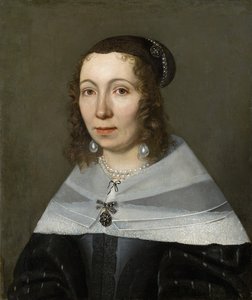
maria sybilla merian
1647 - 1717 , Німеччина
Короткі факти
- Artistic Movement Or Style: Природазнавець
- Artists Or Movements Influenced By This Artist: ['Ентомологія']
- Artists Who Influenced This Artist: ['Якоб Маррель']
- Date Of Birth: 2 квітня 1647
- Date Of Death: 13 січня 1717
- Full Name: Maria Sibylla Merian
- Nationality: Німецька
- Notable Artworks:
- Metamorphosis Insectorum
- Erucarum Ortus
- Place Of Birth: Франкфурт, Німеччина
Пов'язані статті

The Evocative Detail of Nature: A History of Naturalistic Illustration
Explore the rich history of botanical illustration! Discover pioneering artists like Maria Sibylla Merian & Marianne North. Learn about scientific precision, artistic expression, and find museum-quality reproductions at OriginalUniqueArt.
The Delicate Beauty of Botanical Realism: Capturing Nature's True Essence through the Lens of Art History
Explore the exquisite world of botanical realism. From scientific precision to Impressionist light, discover how master artists capture nature's true essence through timeless, hand-painted oil reproductions and historical insights for the discerning art lover.
The Flourishing Canvas: A Historical & Artistic Exploration of Botanical Illustration
Explore the rich history of botanical illustration! Discover key artists like Havell & Barraband, learn about scientific accuracy & aesthetic beauty. Shop museum-quality reproductions at OriginalUniqueArt.

The Flourishing Canvas: A Historical Journey Through Botanical Illustration
Explore the captivating history of botanical illustration! Discover renowned artists like Robert Havell & Mary Walcott, learn about techniques, and find museum-quality art at OriginalUniqueArt.com.
The Flourishing Canvas: A Historical Journey Through Botanical Illustration
Explore the captivating history of botanical illustration! Discover renowned artists like Robert Havell & Mary Walcott, learn about techniques, and find museum-quality art at OriginalUniqueArt.com.